

Why Does My Dog Sleep With His Tongue Out? Catching your dog fast asleep with a tiny bit of pink tongue poking out is one of the most photographed dog moments there is. It’s often called a “blep,” and most of the time it’s completely harmless.
Why Does My Dog Sleep With His Tongue Out
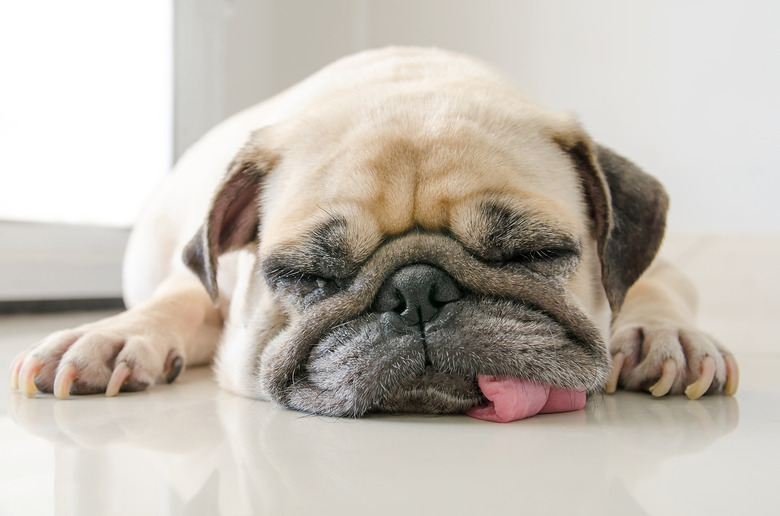
Most dogs sleep with their tongue out because their jaw and mouth muscles fully relax during deep sleep. This lets the tongue slip forward naturally, especially if the mouth falls open slightly.
Less commonly, it can relate to overheating, dental issues, missing teeth, or a condition called Hanging Tongue Syndrome. If it’s new or paired with other symptoms, a vet visit is worth considering.
Is It Normal for Dogs to Sleep With Their Tongue Out?
Yes, it’s normal in the vast majority of cases. Vets generally consider it harmless unless it appears suddenly, is paired with drooling, discomfort, or breathing changes.
Many healthy dogs display this quirky habit their entire lives without ever developing a related health issue.
Why Does My Dog Sleep With His Tongue Out? Common Reasons
1. Deep Relaxation During Sleep
As dogs fall into deeper sleep stages, the muscles around their jaw, cheeks, and mouth loosen significantly. This muscle relaxation is the single most common reason the tongue slips out.
The deeper and more comfortable the sleep, the more likely this little blep becomes.
2. Cooling Down and Thermoregulation
Dogs cool their bodies primarily through panting, since they can’t sweat over most of their skin. Resting with the tongue slightly out can help keep it exposed to cooler air.
If your dog seems warm or has been active recently, this may be part of the reason, especially in warmer rooms.
3. Anatomy and Mouth Size
Some dogs simply have a tongue that’s a touch large relative to their mouth. Combined with relaxed jaw muscles, there’s less holding the tongue fully inside during rest.
This is especially common in brachycephalic breeds like Pugs, Bulldogs, Boxers, and Shih Tzus, which have shorter snouts and flatter facial structures.
4. Missing or Loose Teeth
Teeth help naturally hold the tongue in place inside the mouth. Dogs missing several teeth, especially older dogs, may find their tongue slips out more easily during sleep.
If you notice gaps in your dog’s teeth, this could be contributing to the habit.
5. Hanging Tongue Syndrome
This is a specific condition where a dog’s tongue hangs out consistently, not just during sleep. It’s often linked to facial anatomy, missing teeth, or nerve and jaw trauma.
While it can look endearing, it does raise the risk of a dry, cracked tongue, infection, and even frostbite in cold weather.
6. Dental Pain or Oral Discomfort
Gum infections, loose teeth, or general mouth discomfort can make it uncomfortable for a dog to keep their tongue fully tucked inside. Watch for drooling or reluctance to eat as additional clues.
7. Injury to the Jaw, Mouth, or Tongue
A recent injury to the face or jaw can also change how a dog rests their mouth during sleep. If this behavior appeared suddenly after an incident, it’s worth a vet check.
8. Respiratory Difficulty
In some cases, sticking the tongue out while resting helps a dog breathe slightly easier, particularly in brachycephalic breeds already prone to restricted airways.
Quick Comparison: Harmless vs. Concerning Signs

| Sign | Likely Harmless | Possible Concern |
|---|---|---|
| Tongue out only during deep sleep | Yes | — |
| Sudden new behavior | — | Yes |
| Paired with drooling or bad breath | — | Yes |
| Consistent, all-day tongue hanging | — | Yes (Hanging Tongue Syndrome) |
| Normal breed trait (short snout) | Yes | — |
| Signs of pain or difficulty eating | — | Yes |
Breeds More Prone to Sleeping With Tongue Out
Brachycephalic breeds, meaning dogs with shorter snouts and flatter faces, are more likely to show this trait due to their skull shape. Common examples include:
- Pugs
- Bulldogs
- Boxers
- Shih Tzus
- Chihuahuas
When to Be Concerned About This Behavior
Most of the time, a sleepy blep is nothing to worry about. However, certain warning signs suggest it’s time to consult your veterinarian:
- The behavior appeared suddenly with no prior history
- Excessive drooling or bad breath
- Visible pain, swelling, or difficulty eating
- A dry, cracked, or discolored tongue
- Consistent tongue hanging even while fully awake
How to Care for a Dog With Hanging Tongue Syndrome
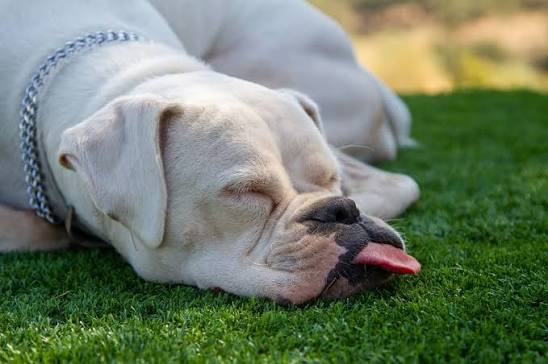
If your dog’s tongue hangs out consistently rather than just during sleep, a few simple habits help reduce risk. Keep the tongue moist using water or a small amount of vet-approved oil if it looks dry.
In cold weather, monitor for frostbite risk and limit prolonged outdoor exposure. Regular vet checkups help track whether the condition is stable or worsening.
Best Practices for Dog Owners
- Check your dog’s tongue and gums periodically for dryness or injury
- Schedule regular dental checkups, especially for senior dogs
- Keep your dog cool in warm weather to reduce overheating-related symptoms
- Take note of any sudden change in sleeping posture or tongue position
- Consult your vet if new symptoms appear alongside this behavior
Mistakes Dog Owners Commonly Make
Many owners assume any tongue-out sleeping is automatically Hanging Tongue Syndrome, when it’s usually just simple relaxation. Jumping to conclusions can create unnecessary worry over a harmless habit.
On the other hand, ignoring a sudden onset paired with drooling or pain can delay catching a real dental or neurological issue early.
Also Read:
- Why Do I Have a Hump on the Back of My Neck?
- Why Are My Gums Purple?
- Why Do Canadians Speak French?
- Why Is Vanilla So Expensive?
- Why Does My Bearded Dragon Lick Me?
- Why Is It Called House Music?
- Why Do My Eyelids Itch?
- Why Do My Nails Hurt After Getting Acrylics?
- Why Can’t Horses Throw Up?
- Why Won’t My Car Turn Over?
- 50+ Plant Puns That’ll Leaf You Laughing!
- Cheesy Pizza Puns That’ll Make You Crust Laugh!
- 100+ Fishing Puns That Will Reel You In with Laughter!
- 50+ Blooming Flower Puns to Brighten Your Day!
- Bad Puns That Are So Awful, They’re Hilarious
- The Best Animal Puns That Are Paws-itively Funny!
- Donut Puns So Funny, You’ll Be Rolling in Dough!
- Best Birthday Puns that Include Pandas
- 71 Inches to cm: A Simple Conversion Guide
- 61 Inches to Feet: Easy Conversion Guide
- 36cm to Inches: Your Ultimate Guide
- 45mm to Inches: Your Complete Guide
- 36 Inches in Feet: A Complete Guide
- How to Pronounce L O E W E
Frequently Asked Questions (FAQs)
Why does my dog sleep with his tongue out sometimes but not always?
This usually depends on how deeply they’re sleeping. Deeper relaxation makes it more likely for jaw muscles to loosen enough for the tongue to slip out.
Is it bad if my dog’s tongue is always hanging out, not just during sleep?
Constant tongue hanging may indicate Hanging Tongue Syndrome, which is worth discussing with your veterinarian, especially if it’s a new development.
Do certain dog breeds sleep with their tongue out more often?
Yes, brachycephalic breeds like Pugs, Bulldogs, Boxers, and Shih Tzus are more prone to this due to their shorter snouts and facial structure.
Can missing teeth cause a dog’s tongue to hang out?
Yes, teeth help hold the tongue in place. Dogs missing several teeth may have less support keeping the tongue fully inside the mouth.
Should I worry if my senior dog suddenly starts sleeping with tongue out?
A sudden change in an older dog is worth monitoring, especially if paired with drooling, pain, or eating difficulty. A vet visit can rule out dental or neurological issues.
Does a tongue-out sleeping position mean my dog is too hot?
It can be related to cooling down, since dogs regulate temperature partly through their tongue and mouth. Check the room temperature and your dog’s activity level.
Can I gently push my dog’s tongue back in while they sleep?
It’s generally unnecessary and unlikely to cause harm either way, since this is typically a natural, comfortable resting position for the dog.
Is Hanging Tongue Syndrome painful for dogs?
It’s not inherently painful, but it can lead to complications like dryness, cracking, infection, or frostbite if not properly managed.
Can dental disease cause a dog to sleep with tongue out?
Yes, gum infections or oral pain can make it uncomfortable to fully close the mouth, leading to more frequent tongue-out resting.
Is sleeping with tongue out linked to dreaming?
Not directly. Dreaming in dogs is more commonly linked to twitching, paddling, or eye movement rather than tongue position.
When should I take my dog to the vet for this behavior?
See a vet if the behavior is new, paired with drooling, pain, dry or cracked tongue, or any sign of discomfort while eating or drinking.
Do puppies sleep with their tongue out too?
Yes, puppies can display this behavior just like adult dogs, often simply due to how relaxed their muscles become during deep sleep.
Conclusion
If you’ve been wondering why does my dog sleep with his tongue out, the explanation is usually as simple as deep relaxation and loose jaw muscles during sleep.
In most cases, this adorable little blep is nothing more than a sign your dog is comfortable and completely at ease. Keeping an eye out for sudden changes, dental issues, or signs of discomfort helps you catch the rare cases where something more is going on.
With regular checkups and a watchful eye, you can simply enjoy the cute moment for what it usually is.
