

Why Does My Mouth Keep Watering? Your mouth keeps watering because your salivary glands are producing more saliva than usual, a condition called hypersalivation or sialorrhea.
Common triggers include food, acid reflux, pregnancy, certain medications, nausea, and dental issues.
Most causes are harmless and temporary. Persistent or unexplained watering, especially with other symptoms, is worth mentioning to a doctor or dentist.
Key Takeaways
- Mouth watering is medically known as hypersalivation or sialorrhea.
- Everyday triggers include food, smells, acid reflux, and pregnancy hormones.
- Certain medications and neurological conditions can also increase saliva.
- Most cases are temporary and resolve once the underlying trigger passes.
- Ongoing or severe symptoms should be evaluated by a healthcare provider.
Why Does My Mouth Keep Watering? Simple Definition
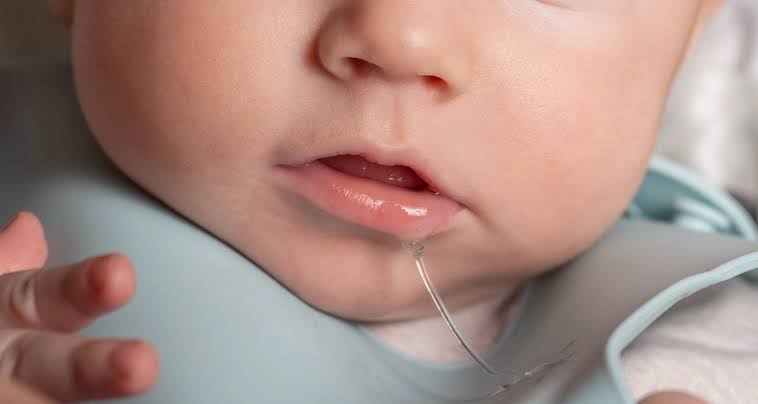
Your mouth keeps watering because your salivary glands are triggered to produce excess saliva. This can happen in response to food, smell, irritation, hormonal shifts, or certain health conditions affecting the nerves and muscles involved in swallowing.
Understanding Saliva and Hypersalivation
Saliva plays several important daily roles beyond simply keeping your mouth moist. Understanding its normal function helps explain what happens when production increases.
What Does Saliva Actually Do?
Saliva helps break down food, protects teeth from decay, and keeps the mouth comfortable for speaking and swallowing. It also contains enzymes that support early digestion before food reaches the stomach.
What Is Hypersalivation?
Hypersalivation, also called sialorrhea or ptyalism, describes excess saliva production beyond what the body typically needs. The average adult produces roughly one to one and a half liters of saliva per day, and hypersalivation pushes that output noticeably higher.
Common Everyday Causes of Mouth Watering
Many cases of mouth watering come from simple, non-medical triggers. These are usually short-lived and not a cause for concern.
Food, Smell, and Anticipation
Seeing, smelling, or even thinking about appealing food can trigger increased saliva flow. This reflex prepares the mouth for chewing and digestion before food even arrives.
Acidic or Spicy Foods
Citrus fruits, spicy dishes, and sour candies are known to stimulate the salivary glands more than average. This is a normal physiological response rather than a sign of a problem.
Nausea
Feeling nauseous often triggers extra saliva production as the body prepares for possible vomiting. This is a protective reflex rather than a random symptom.
Pregnancy
Hormonal shifts during pregnancy can lead to temporary excess saliva for some people, a condition sometimes called ptyalism gravidarum. It typically improves on its own after childbirth.
Medical and Health-Related Causes
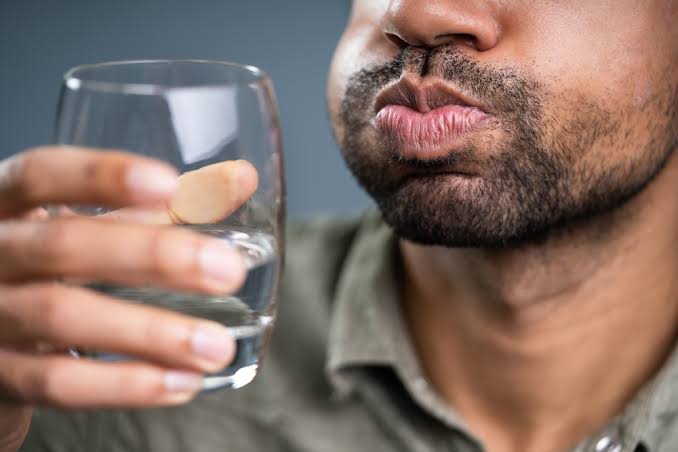
When mouth watering becomes persistent or unusual, an underlying health factor may be involved. These causes are worth discussing with a healthcare provider.
Acid Reflux (GERD)
Acid reflux can irritate the esophagus and trigger the body to produce more saliva to help neutralize stomach acid. People with GERD often notice increased mouth watering alongside heartburn or a sour taste.
Dental Problems
Oral infections, ill-fitting dentures, or irritation from dental appliances can stimulate excess saliva production. Addressing the underlying dental issue often resolves the symptom.
Medications
Certain medications, including some used for psychiatric conditions and Parkinson’s disease treatment, list increased saliva as a known side effect. Never stop a prescribed medication without first talking to your doctor.
Infections
Mouth, throat, or sinus infections can sometimes lead to temporary increases in saliva production as part of the body’s inflammatory response. This typically resolves once the infection clears.
Neurological Conditions
Conditions affecting nerve and muscle control, such as Parkinson’s disease, cerebral palsy, ALS, or stroke, can impair normal swallowing and lead to a buildup of saliva. In these cases, hypersalivation often requires ongoing medical management.
Comparison Table: Common Causes of Mouth Watering

| Cause | Typical Duration | When to See a Doctor |
|---|---|---|
| Food or smell triggers | Minutes, situational | Not needed |
| Acid reflux (GERD) | Recurring, chronic if untreated | If frequent or paired with heartburn |
| Pregnancy hormones | Temporary, resolves after birth | Only if severe or persistent |
| Dental irritation | Until issue is treated | If linked to pain or infection |
| Medication side effect | Ongoing while medication is used | If bothersome or severe |
| Neurological conditions | Often chronic | Yes, requires medical evaluation |
Rare but Serious Causes
While uncommon, a few serious causes of sudden excessive saliva deserve mention for awareness. These require urgent medical attention.
Can Poisoning Cause Excessive Saliva?
Yes, exposure to certain toxins, venomous bites, or poisonous substances can cause a sudden spike in saliva production as part of the body’s reaction. This is rare but considered a medical emergency if suspected.
Can a Jaw Injury Cause Mouth Watering?
Yes, a jaw fracture or significant oral injury can interfere with normal swallowing and saliva control, leading to noticeable drooling or watering.
Pros and Cons of Home Management vs. Medical Evaluation
| Approach | Pros | Cons |
|---|---|---|
| Home management for mild cases | Simple, low-cost, often effective | Does not address underlying medical causes |
| Dental evaluation | Identifies oral triggers directly | Requires an appointment and cost |
| Medical evaluation | Rules out reflux, neurological, or medication causes | Takes more time and testing |
| Ignoring persistent symptoms | No immediate effort | May delay diagnosis of a treatable condition |
How to Manage and Reduce Excess Saliva
Several simple strategies can help manage mild or situational mouth watering. These are general suggestions and not a replacement for professional care.
Step-by-Step Ways to Reduce Excess Saliva

- Stay well hydrated throughout the day to help balance saliva production.
- Practice good oral hygiene, including regular brushing, flossing, and dental visits.
- Chew sugar-free gum to encourage more frequent, controlled swallowing.
- Limit acidic, spicy, or sugary foods if they seem to trigger symptoms.
- Track patterns around meals, medications, or specific situations to identify triggers.
Best Practices
- Note when the watering happens most, such as after meals or specific foods.
- Mention any new medications to your doctor if symptoms started around the same time.
- Keep a dental checkup schedule to rule out oral causes early.
- Address reflux symptoms with your doctor if heartburn or a sour taste is also present.
Mistakes to Avoid
- Do not stop taking a prescribed medication without medical guidance, even if you suspect it is the cause.
- Do not ignore mouth watering that comes with difficulty speaking, swallowing, or drooling.
- Do not assume all cases are harmless if symptoms are sudden, severe, or one-sided.
- Do not delay care if watering is paired with facial weakness or slurred speech.
When to See a Doctor or Dentist
Most mouth watering is temporary and linked to food, mild reflux, or short-term triggers. Certain patterns, however, point to something that needs professional evaluation.
When Is Mouth Watering a Medical Concern?
See a healthcare provider if excessive saliva lasts more than a few days, interferes with eating or speaking, causes frequent drooling, or appears alongside other neurological symptoms. A dentist can also help rule out oral or denture-related causes.
Can a Dentist Help With Excessive Saliva?
Yes, dentists can identify triggers linked to oral health, dentures, or infections and may refer you to a physician if the cause appears to be systemic rather than dental.
Expert Insight
Dental and medical professionals commonly describe hypersalivation as a symptom rather than a standalone diagnosis. Identifying the underlying trigger, whether dietary, dental, hormonal, or neurological, is the key step toward effective management.
Because causes range from harmless to medically significant, professional evaluation is especially useful when symptoms are persistent, sudden, or accompanied by other changes in speech or swallowing.
Frequently Asked Questions (FAQs)
Why does my mouth water so much before I feel sick?
Nausea often triggers extra saliva production as a protective reflex that prepares the body for possible vomiting.
Is it normal for my mouth to water when I smell food?
Yes, this is a normal reflex response as your body anticipates eating and prepares to digest food.
Can anxiety cause excessive mouth watering?
Yes, stress and anxiety can affect the nervous system and may increase saliva production or worsen conditions like acid reflux.
Can acid reflux make my mouth water more?
Yes, acid reflux can irritate the esophagus and trigger extra saliva as the body attempts to neutralize stomach acid.
Does pregnancy cause mouth watering?
Yes, hormonal changes during pregnancy can temporarily increase saliva production for some people, and it usually resolves after childbirth.
Can medications cause my mouth to water excessively?
Yes, certain medications, including some psychiatric and Parkinson’s disease treatments, list increased saliva as a known side effect.
Why does my mouth water at night?
Saliva production naturally decreases during sleep, so noticeable watering while sleeping is often linked to reflux, sleep position, or dental issues.
Can dentures cause excessive saliva?
Yes, ill-fitting dentures can irritate the mouth and stimulate the salivary glands to produce more saliva than usual.
Is excessive mouth watering a sign of a serious illness?
In most cases, no, but persistent or unexplained hypersalivation paired with other symptoms should be evaluated by a doctor.
Can neurological conditions cause my mouth to water constantly?
Yes, conditions like Parkinson’s disease, ALS, cerebral palsy, or stroke can impair swallowing control and lead to chronic hypersalivation.
How much saliva is considered normal per day?
Most adults produce roughly one to one and a half liters of saliva daily, with production naturally increasing during meals.
Can spicy or sour foods trigger mouth watering?
Yes, acidic and spicy foods are well known to stimulate the salivary glands more strongly than mild or neutral foods.
Why does my mouth water right before I vomit?
This is a natural bodily reflex that occurs to protect the esophagus and teeth from stomach acid during vomiting.
Can sinus infections cause excess saliva?
Yes, infections affecting the mouth, throat, or sinuses can temporarily increase saliva production as part of the inflammatory response.
Should I see a dentist or doctor for excessive mouth watering?
Start with a dentist if you suspect an oral or denture-related cause, and see a doctor if symptoms are frequent, severe, or linked to other health changes.
Can chewing gum help reduce excess saliva?
Yes, sugar-free gum can encourage more frequent swallowing, which may help manage mild cases of excess saliva.
Is drooling in my sleep related to mouth watering?
Yes, nighttime drooling often stems from the same causes as daytime mouth watering, including reflux, sleep position, or dental issues.
Can poisoning cause sudden excessive saliva?
Yes, though rare, exposure to certain toxins or venom can cause a sudden spike in saliva production and requires emergency care.
Why does thinking about food make my mouth water?
This is a conditioned reflex where the brain signals the salivary glands to prepare for eating, even without physical food present.
Does drinking more water help with excessive saliva?
Yes, staying hydrated can help balance saliva production and reduce discomfort linked to mild hypersalivation.
Conclusion
Mouth watering is usually a normal reflex tied to food, smell, or short-term triggers like nausea and pregnancy. In some cases, it points to acid reflux, dental issues, medication side effects, or a neurological condition that benefits from medical attention.
Paying attention to when it happens, and whether other symptoms are present, helps you and your provider identify the right next step.
If the watering persists, worsens, or affects your ability to eat and speak comfortably, a dental or medical evaluation is the safest path forward.
