

Why do I have diarrhea all the time is a question that comes up when loose or watery stools stop feeling like a passing stomach bug.
When it keeps returning week after week, it usually points to something more ongoing than a single bad meal.
What Counts as Chronic Diarrhea

Chronic diarrhea is generally defined as loose or watery stools that last longer than four weeks, or that keep coming back over several months. This is different from acute diarrhea, which usually clears up within a few days on its own.
Doctors estimate chronic diarrhea affects somewhere between one and five percent of adults, so it is a common reason people seek medical care.
The Short Answer
Ongoing diarrhea usually comes from one of a few broad categories: digestive conditions like IBS or IBD, food intolerances, lingering infections, or medication side effects. Less often, it points to a more serious issue like celiac disease or a problem with the pancreas.
Because the list of possible causes is long, doctors typically rely on your full symptom pattern rather than diarrhea alone to narrow things down.
Common Digestive Conditions Behind Frequent Diarrhea
Several digestive disorders are well known for causing diarrhea that keeps returning.
Irritable Bowel Syndrome (IBS)
IBS is one of the most frequent causes of chronic diarrhea and a leading reason people are referred to a gastroenterologist. It does not damage the digestive tract, but it can cause abdominal pain, bloating, and alternating diarrhea and constipation.
Stress, certain foods, and hormonal changes often trigger IBS flare-ups.
Inflammatory Bowel Disease (IBD)

IBD includes conditions like Crohn’s disease and ulcerative colitis, both involving ongoing inflammation of the digestive tract. Diarrhea from IBD often comes with blood or mucus in the stool.
Unlike IBS, IBD can cause visible tissue damage that a doctor may confirm through imaging or a colonoscopy.
Microscopic Colitis
Microscopic colitis causes chronic watery diarrhea but looks normal during a standard colonoscopy. It is usually confirmed through a biopsy, since the inflammation is only visible under a microscope.
Celiac Disease
Celiac disease is an autoimmune reaction to gluten that damages the small intestine and interferes with nutrient absorption. Ongoing diarrhea, bloating, and fatigue are common symptoms.
Food Intolerances and Sensitivities
Certain foods can trigger diarrhea in people whose digestive systems cannot properly break them down.
- Lactose intolerance, where the body struggles to digest dairy sugar
- Fructose malabsorption, affecting how the gut processes certain fruit sugars
- Sensitivities to artificial sweeteners like sorbitol or xylitol
- Reactions to gluten in people without full celiac disease
Infections That Can Cause Ongoing Diarrhea
Most infectious diarrhea clears up quickly, but some infections leave lingering symptoms behind.
| Infection Type | Example | Typical Pattern |
|---|---|---|
| Parasitic | Giardia | Can cause diarrhea for weeks if untreated |
| Bacterial | C. difficile, Salmonella | May persist after antibiotic use or reinfection |
| Viral | Rotavirus, norovirus | Usually short-term, occasionally lingers |
| Post-infectious | Any of the above | Gut irritation can continue after the infection clears |
A stool test is often the simplest way to confirm or rule out an infectious cause.
Medications That Can Trigger Chronic Diarrhea

Certain medicines are well documented causes of long-term diarrhea, especially with extended use.
| Medication Type | Why It Can Cause Diarrhea |
|---|---|
| Antibiotics | Disrupt healthy gut bacteria and raise infection risk |
| Proton pump inhibitors | Alter stomach acid levels and gut flora |
| NSAIDs | Can irritate the digestive tract lining |
| Certain diabetes medications | May speed up digestion |
| Laxatives | Overuse can create dependency and loose stools |
Other Possible Causes
A few less common but important causes are worth knowing about.
- Problems with the pancreas that affect fat digestion
- Bile acid malabsorption after gallbladder removal
- Small intestinal bacterial overgrowth (SIBO)
- Hormonal disorders, including thyroid conditions
- Previous abdominal surgery affecting digestion
Acute vs Chronic Diarrhea
Understanding the difference helps you know when to simply wait it out versus when to get checked.
| Feature | Acute Diarrhea | Chronic Diarrhea |
|---|---|---|
| Duration | Days, usually under two weeks | Four weeks or longer |
| Common cause | Viral or bacterial infection | Digestive conditions, intolerances, medications |
| Typical resolution | Resolves on its own | Often needs medical evaluation |
| Testing needed | Rarely required | Often includes bloodwork or stool testing |
Warning Signs That Need Medical Attention
Certain symptoms alongside ongoing diarrhea are considered red flags that should not be ignored.
- Blood or mucus in your stool
- Unintentional weight loss
- Diarrhea that wakes you up at night
- Persistent fever
- Severe abdominal pain
- Signs of dehydration, such as dizziness or dark urine
How Doctors Investigate Chronic Diarrhea
A doctor typically starts with a detailed history and physical exam before ordering targeted tests. Common first steps include a complete blood count, inflammation markers, and basic stool testing.
If IBS is suspected and there are no alarm symptoms, doctors often avoid extensive testing right away. When red flags are present, further steps like a colonoscopy or imaging may follow.
Practical Steps While You Investigate the Cause
A few general habits can ease symptoms while you and your doctor work toward a diagnosis.
- Keep a simple food and symptom diary to spot possible triggers.
- Stay hydrated, since frequent diarrhea increases fluid and electrolyte loss.
- Temporarily reduce common trigger foods like dairy, high-fructose fruit, or artificial sweeteners.
- Avoid starting or stopping medications without talking to your doctor first.
- Track how often symptoms occur and any accompanying signs to share at your appointment.
Best Practices and Mistakes to Avoid
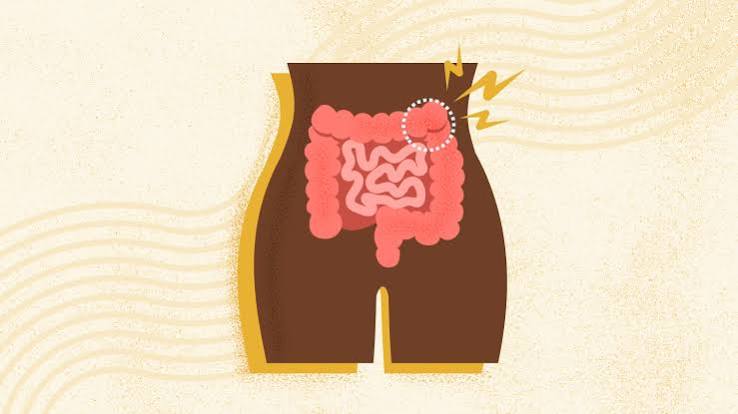
Small choices can make a real difference while you figure out what is driving your symptoms.
| Do This | Avoid This |
|---|---|
| Track your symptoms and possible triggers | Guessing at a diagnosis without medical testing |
| Stay hydrated with water and electrolytes | Ignoring red flag symptoms like blood in stool |
| Bring a symptom diary to your appointment | Stopping prescribed medications on your own |
| Ask about testing options if symptoms persist | Assuming it will resolve without any evaluation |
Key Takeaways
- Chronic diarrhea is generally defined as loose stools lasting more than four weeks or recurring over months.
- Common causes include IBS, IBD, food intolerances, lingering infections, and certain medications.
- Blood in stool, fever, weight loss, or nighttime diarrhea are red flags that need medical attention.
- Doctors typically start with basic bloodwork and stool testing before moving to more involved procedures.
- Tracking your symptoms and triggers can make it easier to reach an accurate diagnosis.
Frequently Asked Questions (FAQs)
Why do I have diarrhea all the time?
Ongoing diarrhea usually comes from a digestive condition like IBS or IBD, a food intolerance, a lingering infection, or a medication side effect. A doctor can narrow this down based on your full symptom pattern.
How long does diarrhea have to last to be considered chronic?
Diarrhea is generally considered chronic once it lasts longer than four weeks. Shorter episodes are usually classified as acute or persistent instead.
Can stress cause diarrhea all the time?
Yes, stress is a well known trigger for IBS flare-ups, which often include chronic diarrhea. Managing stress can sometimes reduce how often symptoms occur.
What foods commonly trigger ongoing diarrhea?
Dairy, high-fructose fruits, and artificial sweeteners are common triggers in people with intolerances. A food and symptom diary can help identify your specific triggers.
Is chronic diarrhea a sign of IBS or something more serious?
IBS is one of the most common causes, but red flag symptoms like blood or weight loss point toward more serious conditions. A doctor can help distinguish between the two through testing.
Can antibiotics cause diarrhea that keeps coming back?
Yes, antibiotics can disrupt healthy gut bacteria and increase the risk of infections like C. difficile. This can lead to diarrhea that lingers after the antibiotic course ends.
When should I see a doctor for frequent diarrhea?
See a doctor if diarrhea lasts more than a few weeks or comes with blood, fever, or weight loss. Nighttime diarrhea and severe abdominal pain are also reasons to seek care sooner.
What tests are used to diagnose chronic diarrhea?
Doctors often start with bloodwork, inflammation markers, and stool testing. A colonoscopy or imaging may follow if red flag symptoms are present.
Can chronic diarrhea be a sign of celiac disease?
Yes, celiac disease often causes ongoing diarrhea along with bloating and fatigue. A blood test for celiac antibodies is usually the first diagnostic step.
How can I manage chronic diarrhea at home while waiting for a diagnosis?
Stay hydrated, track your symptoms, and temporarily avoid common trigger foods like dairy or artificial sweeteners. Avoid starting or stopping any medication without talking to your doctor first.
Conclusion
So, why do I have diarrhea all the time usually comes down to one of a handful of well documented causes. Digestive conditions like IBS and IBD, food intolerances, lingering infections, and certain medications are the most frequent culprits.
Tracking your symptoms and paying attention to red flags like blood in your stool, fever, or weight loss makes it much easier to get an accurate diagnosis. Most causes of chronic diarrhea are manageable once identified correctly.
If your symptoms have lasted more than a few weeks or come with any warning signs, it is worth scheduling an appointment rather than waiting it out. Getting the right diagnosis is the fastest path to real relief.
