

Why Does My Dog Walk and Poop? Watching your dog do a slow, waddling shuffle while trying to poop can be funny, confusing, or even a little worrying. It’s one of those quirky behaviors almost every dog owner notices at some point.
Why Does My Dog Walk and Poop?
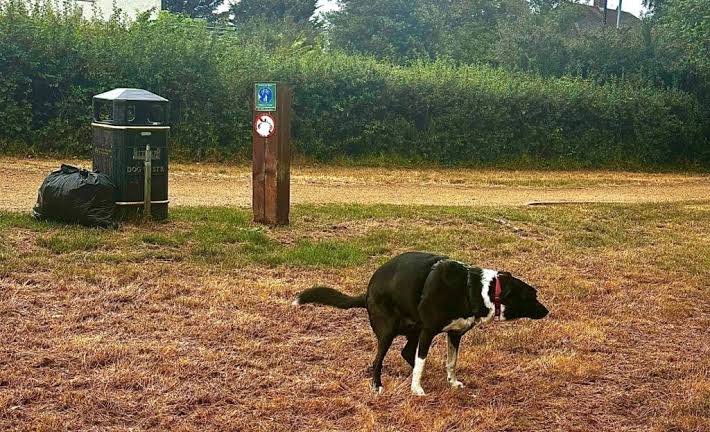
Dogs walk and poop at the same time for a mix of instinct, scent marking, and sometimes physical discomfort. Wild canine ancestors moved while defecating to avoid leaving a concentrated scent trail for predators.
Domestic dogs still carry this instinct, along with a drive to mark territory over a wider area. In some cases, constipation, anxiety, or joint pain can also cause this behavior.
Is Walking While Pooping Normal for Dogs?
Yes, in most cases this is completely normal canine behavior. Vets generally don’t consider it a concern unless it’s paired with other symptoms like straining, diarrhea, or visible pain.
Many dogs develop this habit early and continue it throughout their lives without any underlying issue at all.
Why Does My Dog Walk and Poop? Top Reasons
1. Instinctual Predator Avoidance
Wild canines historically moved while eliminating waste to avoid leaving one obvious, concentrated scent pile. Staying still for too long made them vulnerable to predators nearby.
Even though modern dogs face no such threat, this deeply rooted instinct still influences their behavior today.
2. Territory Marking
Dogs have scent glands in their paws and near their anal area. Walking while pooping spreads their scent over a wider area, effectively marking more territory with a single bathroom break.
This behavior tends to be more common in male dogs, though females can display it too.
3. Constipation or Difficulty Passing Stool
If a dog is mildly constipated, walking can help stimulate their bowels and make elimination easier. You may notice circling behavior beforehand as they try to get things moving.
If straining, hard stool, or infrequent bowel movements continue, it’s worth mentioning to your veterinarian.
4. Anxiety or Feeling Unsafe
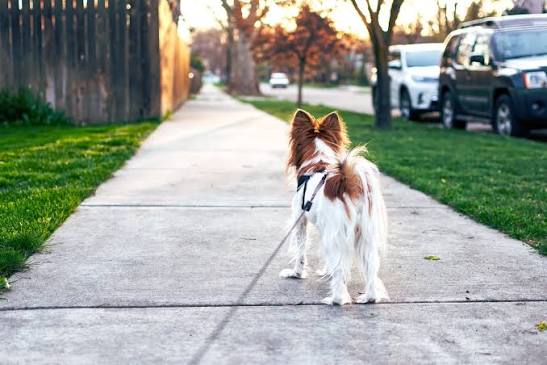
Dogs that feel anxious, alert, or unfamiliar with their surroundings may keep moving even while trying to relieve themselves. Staying still can feel vulnerable to a nervous dog.
Loud environments, new locations, or the presence of unfamiliar animals often trigger this response.
5. Muscle Weakness or Joint Pain
Older dogs sometimes struggle to hold a squatting position long enough to fully empty their bowels. Muscle atrophy or joint pain can make walking while pooping more comfortable than staying still.
Watch for shaking legs or signs of discomfort, which may point to arthritis or general muscle weakness.
6. Learned Puppy Habits
Puppies often struggle with bladder and bowel control and may associate movement with finding the “right” spot to go. This learned pattern can carry into adulthood if never corrected during training.
7. Excitement or High Arousal
Highly excited or overstimulated dogs sometimes poop while still moving simply because they haven’t settled down enough to stop. This is common around new people, other dogs, or exciting environments.
Quick Comparison of Common Causes
| Cause | Typical Trigger | Cause for Concern? |
|---|---|---|
| Predator-avoidance instinct | Natural, no trigger needed | No |
| Territory marking | Unfamiliar or shared walking areas | No |
| Constipation | Straining, infrequent stool | Sometimes |
| Anxiety | Loud noises, new places | Usually no |
| Joint pain or weakness | Aging, arthritis | Sometimes |
| Learned puppy behavior | Incomplete potty training | No |
| Excitement | New people, animals, energy | No |
When Walking and Pooping Becomes a Health Concern
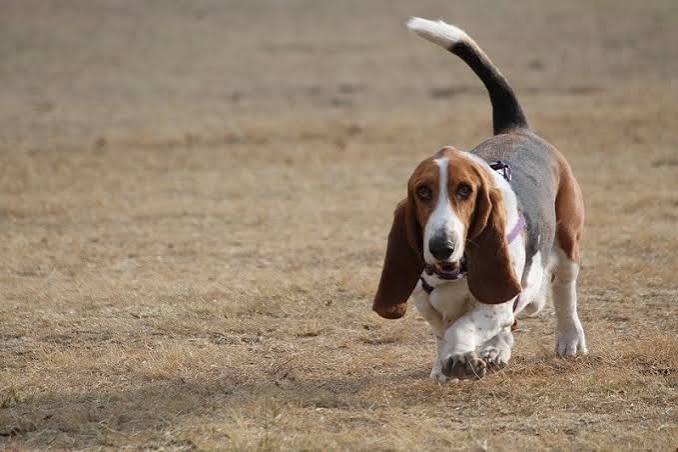
While usually harmless, certain signs suggest it’s time to check in with your veterinarian. Watch for these warning signs:
- Straining or visible pain while pooping
- Blood in the stool
- Chronic diarrhea or very hard stool
- Sudden behavior change in an older dog
- Excessive licking around the anal area
A condition called perianal fistula can also make it harder for dogs to comfortably hold a squatting position, leading to walking-while-pooping behavior.
How to Address This Behavior During Training
If the habit stems from anxiety or learned behavior rather than instinct, training can help. Give your dog a calm, familiar spot to relieve themselves and reward them for staying still.
Consistency matters most here. Practicing the same walking route and pause spot repeatedly helps dogs build a predictable routine over time.
Best Practices for Dog Owners
- Track your dog’s stool consistency and frequency for early warning signs
- Provide a consistent, calm bathroom spot during walks
- Keep your dog on a regular feeding and walking schedule
- Watch for signs of joint pain, especially in senior dogs
- Consult a vet if walking-while-pooping is a new, sudden change
Mistakes Dog Owners Commonly Make
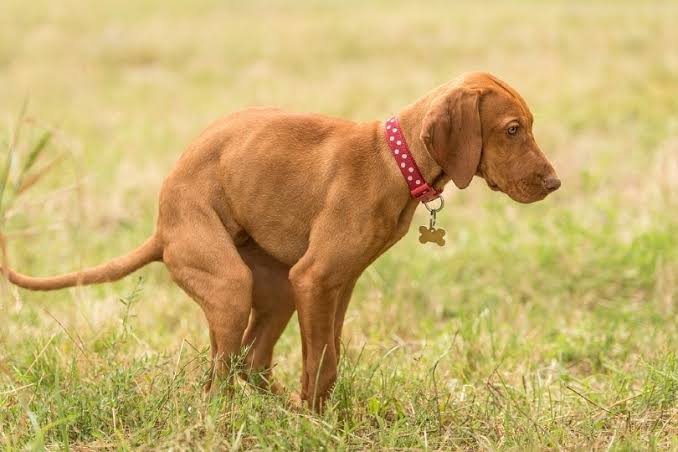
Many owners assume this behavior always signals a medical problem when it’s often just instinct or personality. Jumping to conclusions without watching for other symptoms can cause unnecessary worry.
On the flip side, ignoring repeated straining or visible discomfort because “it’s probably normal” can delay catching a real health issue early.
Frequently Asked Questions (FAQs)
Why does my dog walk and poop instead of standing still?
Most dogs do this out of instinct, territory marking, or mild discomfort. Ancestral wolves moved while eliminating waste to avoid attracting predators to one spot.
Is it bad for a dog to walk while pooping?
No, it’s generally harmless. It only becomes a concern if paired with straining, pain, diarrhea, or other unusual symptoms.
Do puppies grow out of walking while pooping?
Some do, especially once fully potty trained, though others carry the habit into adulthood without it being a problem.
Can anxiety cause a dog to walk and poop?
Yes, anxious or alert dogs often keep moving instead of stopping to relieve themselves, especially in unfamiliar or loud environments.
Does walking while pooping mean my dog is constipated?
It can be a sign of mild constipation, especially if you also notice straining or infrequent bowel movements. Persistent symptoms warrant a vet visit.
Why do male dogs do this more than females?
Male dogs tend to have a stronger territorial marking instinct, which can make walking-while-pooping slightly more common, though females display it too.
Should I train my dog to stop walking while pooping?
If it’s purely behavioral, you can gently train your dog to pause in a consistent spot with positive reinforcement and patience.
Can senior dogs develop this habit due to age?
Yes, joint pain or muscle weakness in older dogs can make holding a squat uncomfortable, leading them to walk while eliminating.
Is walking and pooping linked to any specific breed?
This behavior isn’t linked to particular breeds; it depends more on individual instinct, training, and health rather than genetics.
What is perianal fistula in dogs?
It’s a painful condition causing inflammation around the anus, which can make normal squatting uncomfortable and lead to this behavior.
When should I take my dog to the vet for this behavior?
See a vet if you notice blood in the stool, chronic diarrhea, visible straining, or a sudden change in an older dog’s bathroom habits.
Can excitement cause a dog to poop while walking?
Yes, highly excited or overstimulated dogs sometimes eliminate waste before fully settling down, especially around new people or animals.
Conclusion
If you’ve been wondering why does my dog walk and poop, the explanation usually comes down to deep-rooted instinct, scent marking, or simple comfort preferences.
In most cases, this quirky habit is nothing to worry about and doesn’t need correcting unless it bothers you during walks. Paying attention to accompanying signs like straining, pain, or sudden changes helps you catch the rare cases where a health issue is actually involved.
With consistent routines and a watchful eye on your dog’s overall bathroom habits, you can enjoy the walk, quirks and all.
