

A little drool is normal for most dogs. But Why Is My Dog Drooling So Much All Of A Sudden, it can be scary and confusing.
The good news is that sudden drooling has many possible causes. Some are harmless, like excitement or the smell of food.
Others, like toxin exposure or bloat, need urgent vet care. This guide breaks down every cause, the warning signs to watch, and what to do next.
Why Is My Dog Drooling So Much All Of A Sudden
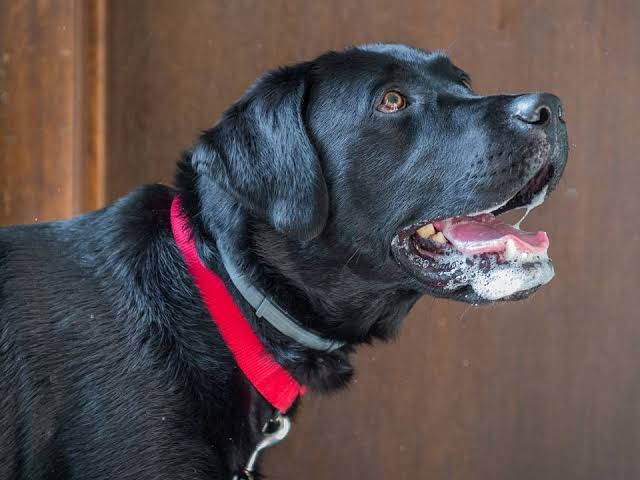
Sudden drooling in dogs is usually caused by nausea, dental pain, motion sickness, anxiety, heat, or oral injury.
It can also signal something more serious, such as toxin exposure, bloat, or a neurological problem. If your dog is drooling heavily along with vomiting, weakness, or a swollen belly, treat it as an emergency.
Is Some Drooling Normal For Dogs?
Yes, drooling is a normal bodily function. Saliva helps dogs digest food, keep their mouths clean, and cool down through evaporation.
Many dogs drool briefly when they smell a treat or see their food bowl. This type of drooling stops quickly once the excitement passes.
Sudden or ongoing drooling is different. It usually means something has changed in your dog’s mouth, stomach, or overall health.
Common Harmless Causes Of Sudden Drooling
Not every case of sudden drooling is dangerous. Many everyday triggers cause a temporary increase in saliva.
Excitement Or Anticipation
Dogs have an incredibly strong sense of smell. Seeing food, treats, or a favorite toy can trigger a quick burst of drool.
This kind of drooling stops once the excitement fades. It is not a health concern.
Heat And Exercise
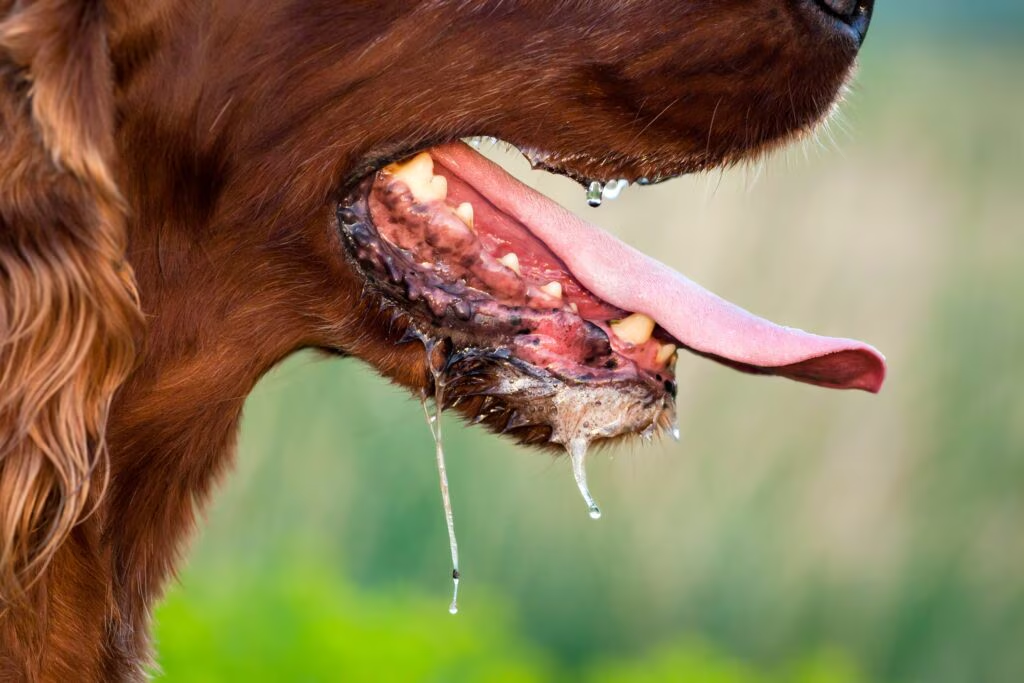
Dogs cool themselves by panting and drooling, not sweating like humans. On hot days or after intense play, drool production naturally increases.
Watch for heavy panting alongside the drool. That combination can point to overheating rather than simple excitement.
Anxiety Or Stress
Car rides, vet visits, thunderstorms, and fireworks can all trigger stress drooling. Some dogs also drool when they feel nervous around new people or animals.
This usually settles once the stressful situation ends. Comfort and a calm environment often help.
Breed And Anatomy
Breeds with loose lips and heavy jowls naturally drool more than others. Saint Bernards, Mastiffs, Bloodhounds, Newfoundlands, and Bulldogs fall into this group.
Their facial structure makes it harder to hold saliva in the mouth. Owners of these breeds should track their dog’s normal drool level to notice changes faster.
Medical Causes That Need Attention
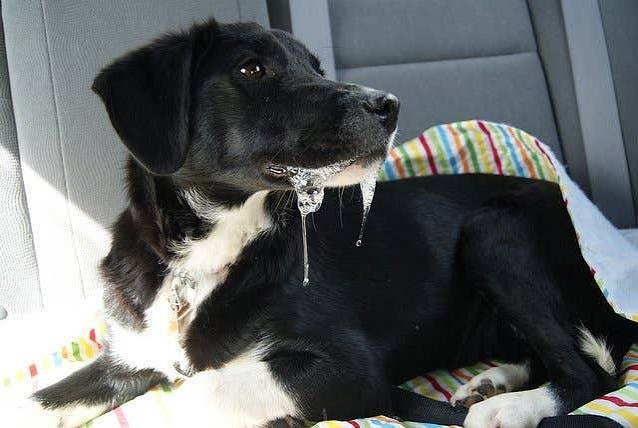
Sudden drooling that comes out of nowhere is often the first sign of a medical problem. Here are the most common causes vets see.
Dental Disease
Tartar buildup, gum infections, and abscessed teeth are among the top reasons for sudden drooling. Mouth pain makes it hard for a dog to swallow saliva normally.
Dogs with dental pain may also paw at their face or chew on one side only. Bad breath often comes along with it.
Nausea And Stomach Upset
Nausea triggers extra saliva production, much like it does in humans before vomiting. Dietary indiscretion, intestinal parasites, or gastritis can all be culprits.
Lip licking, yawning, and restlessness often appear alongside the drooling. It may stop once the stomach settles or after the dog vomits.
Toxin Exposure
Certain plants, household chemicals, medications, and foods can cause sudden, heavy drooling. Chocolate, xylitol, grapes, sago palm, and antifreeze are common dangers.
This type of drooling comes on fast and dramatically. It is considered a true emergency requiring immediate veterinary care.
Heatstroke
Excessive drooling combined with heavy panting can signal dangerous overheating. This is especially risky in warm climates or during outdoor activity.
Heatstroke can escalate quickly and become life-threatening. Move your dog to a cool area and contact a vet right away if you suspect this.
Oral Injuries Or Foreign Objects
A stick, bone fragment, or toy piece stuck in the mouth can cause constant drooling. Cuts, splinters, or something wedged between the teeth are also common culprits.
Carefully check your dog’s mouth if it is safe to do so. Avoid this step if your dog seems distressed or in pain.
Motion Sickness
Some dogs drool heavily during car rides due to motion sickness. This is similar to nausea and often comes with restlessness or vomiting.
Short practice trips and vet-approved anti-nausea options can help. Most dogs improve with gradual exposure.
Neurological Issues
Seizures and other neurological disturbances can cause sudden, unexplained drooling. This may appear along with disorientation, stumbling, or unusual behavior.
Any drooling paired with neurological signs deserves a same-day vet visit. Early evaluation helps rule out serious conditions.
Bloat (GDV) — A Life-Threatening Emergency
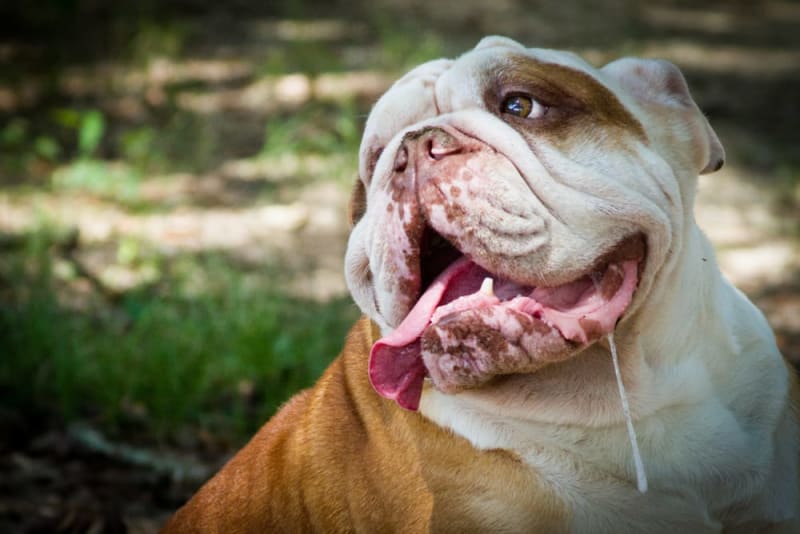
Gastric dilatation-volvulus, or bloat, happens when the stomach fills with gas and twists on itself. It is most common in large, deep-chested breeds.
Sudden heavy drooling, a swollen abdomen, and unproductive retching are hallmark signs. This condition can be fatal within hours, so emergency care is critical.
Breeds That Naturally Drool More
| Breed | Drooling Level | Why |
|---|---|---|
| Saint Bernard | Very high | Loose jowls and large lips |
| Bloodhound | Very high | Deep facial folds |
| Mastiff | High | Heavy, drooping lips |
| Newfoundland | High | Thick jowls |
| Bulldog | Moderate | Short snout and loose skin |
| Labrador Retriever | Low | Tighter lip structure |
Causes At A Glance
| Cause | Onset Speed | Emergency Level |
|---|---|---|
| Excitement or food smell | Instant, brief | None |
| Heat and exercise | Gradual | Low, unless heatstroke |
| Anxiety or stress | Situational | Low |
| Dental disease | Days to weeks | Moderate |
| Nausea or GI upset | Sudden | Moderate |
| Toxin exposure | Sudden | High |
| Heatstroke | Sudden | High |
| Foreign object in mouth | Sudden | Moderate to High |
| Motion sickness | During travel | Low |
| Neurological issue | Sudden | High |
| Bloat (GDV) | Sudden | Critical |
Signs You Should Call The Vet Immediately
Call an emergency vet if drooling appears with any of these signs. Do not wait to see if things improve on their own.
- Vomiting, retching, or a swollen abdomen
- Difficulty breathing or swallowing
- Pale or blue-tinged gums
- Sudden weakness or collapse
- Seizures or disorientation
- Known or suspected contact with a toxin
What You Can Do At Home
If your dog seems otherwise normal, there are a few safe first steps. These help you gather information before calling the vet.
- Check the mouth gently for redness, swelling, or objects
- Note when the drooling started and how long it has lasted
- Watch for other symptoms like vomiting or lethargy
- Keep your dog cool and offer fresh water
- Remove access to any plants, chemicals, or foods that could be toxic
Mistakes To Avoid
Avoiding these common mistakes can prevent a small issue from becoming serious. They also help your vet diagnose the problem faster.
- Do not wait it out if bloat or toxin exposure is possible
- Do not give human medication without vet guidance
- Do not force your dog’s mouth open if they seem painful or aggressive
- Do not ignore repeated episodes of sudden drooling
Expert Tips
A few habits make it easier to catch problems early. Small routines go a long way in protecting your dog’s health.
- Schedule annual dental checkups to catch disease early
- Keep toxic plants and foods out of reach at home
- Track your dog’s normal drool level so changes stand out
- Keep your vet’s emergency number saved and easy to find
Also Read:
- Meme Names – Best 15 Ideas
- Enjoy4Fun – Play Free Games Online
- Secrets To Winning Big On Online Slot Machines
- Literary Tools For Storytelling And Poetry
- Literary Devices VS Figurative Language
- 75 Literary Devices (A to Z List)
- Literary Devices For Storytelling
- 10 Literary Devices That Use Comparison
- Why Understanding Literary Devices Can Make You A Better Writer
- Literary Devices In The Scarlet Letter
- 50 Examples Of Figures Of Speech
- 50 Figures Of Speech (Types & Examples)
- 7 Figures Of Speech Examples In Poetry
- Figures Of Speech Examples In Literature
- 180 Leaf Puns That Will Leaf You Laughing
- Pun Creator: Generate Clever & Funny Puns
- 15 Weather Puns That Will Storm Your Heart
- Leaf It To Us: Short & Funny Plant Puns
- 50+ Tree Puns That’ll Leaf You Laughing
- Duck Pick Up Lines
- Tattoo Pick Up Lines
- WiFi Pick Up Lines
- Cow Pick Up Lines
- Pick Up Lines With Angels
- Dentist Chat Up Lines
Frequently Asked Questions (FAQs)
Why is my dog drooling so much all of a sudden?
Sudden drooling is usually caused by nausea, dental pain, anxiety, heat, or an object stuck in the mouth. It can also signal toxin exposure or a more serious emergency like bloat.
Is sudden drooling always an emergency?
No, brief drooling around food or excitement is normal. Treat it as urgent if it comes with vomiting, weakness, swelling, or trouble breathing.
Can dental problems cause sudden drooling?
Yes, abscessed teeth and gum infections are a leading cause. Mouth pain makes swallowing saliva difficult, so it builds up and drips out.
What toxins cause dogs to drool excessively?
Chocolate, xylitol, grapes, certain houseplants, and cleaning chemicals are common triggers. Contact your vet immediately if toxin exposure is suspected.
Does nausea cause dogs to drool?
Yes, nausea increases saliva production much like it does before a person vomits. It is often paired with lip licking, yawning, or restlessness.
Can car rides cause sudden drooling?
Yes, motion sickness is a common cause of travel-related drooling. It usually improves with practice trips and vet guidance.
Which dog breeds naturally drool the most?
Saint Bernards, Bloodhounds, Mastiffs, and Newfoundlands drool the most due to their loose jowls. This is normal for these breeds and not usually a concern.
What does drooling with a swollen belly mean?
This combination can point to bloat, a life-threatening emergency. Seek immediate veterinary care if you notice this.
Should I check my dog’s mouth if they are drooling?
Yes, if it is safe to do so. Avoid this if your dog seems painful, aggressive, or distressed.
Can anxiety cause a dog to drool suddenly?
Yes, stressful situations like thunderstorms, fireworks, or vet visits can trigger drooling. It typically stops once the dog calms down.
Is drooling a sign of heatstroke?
Yes, heavy drooling combined with excessive panting can indicate overheating. This requires quick cooling and veterinary attention.
Can seizures cause excessive drooling?
Yes, seizures and other neurological issues can trigger sudden, unexplained drooling. This should be evaluated by a vet promptly.
What should I do if my dog is drooling and vomiting?
This combination often points to gastrointestinal upset or toxin exposure. Contact your vet, especially if it continues or worsens.
Can a foreign object in the mouth cause drooling?
Yes, sticks, bones, or toy fragments stuck in the mouth are common causes. This often leads to constant drooling until the object is removed.
How long is too long for sudden drooling?
If drooling continues for more than an hour or comes with other symptoms, contact a vet. Brief episodes tied to excitement or heat are usually not concerning.
Does old age affect drooling in dogs?
Yes, senior dogs are more prone to dental disease and other health issues that increase drooling. Regular checkups help catch these problems early.
Can food allergies cause sudden drooling?
Yes, some dogs drool in reaction to food sensitivities or something that upset their stomach. Tracking meals can help identify a pattern.
What color gums should worry me during drooling episodes?
Pale, blue, or white gums are a medical emergency. Seek veterinary care immediately if you notice this.
Can drooling be a sign of poisoning from plants?
Yes, plants like sago palm, azalea, and lilies can cause hypersalivation if ingested. Remove access to toxic plants at home and in the yard.
When should I take my drooling dog to the emergency vet versus waiting for a regular appointment?
Go to an emergency vet if drooling comes with vomiting, collapse, breathing trouble, or suspected toxin exposure. A regular appointment is fine for mild, ongoing drooling without other symptoms.
Conclusion
Sudden drooling in dogs can range from a harmless reaction to food to a true medical emergency. Paying attention to timing, accompanying symptoms, and your dog’s normal behavior makes all the difference.
When in doubt, a quick call to your vet is always the safer choice. Acting early can prevent a minor issue from turning into a serious one.
