

You’re a mile into your run, breathing hard, and out of nowhere your teeth start to ache. It’s an odd, almost alarming feeling — teeth aren’t supposed to hurt from exercise.
But if this has happened to you, you’re far from alone, and in most cases it isn’t a sign that running is damaging your teeth.
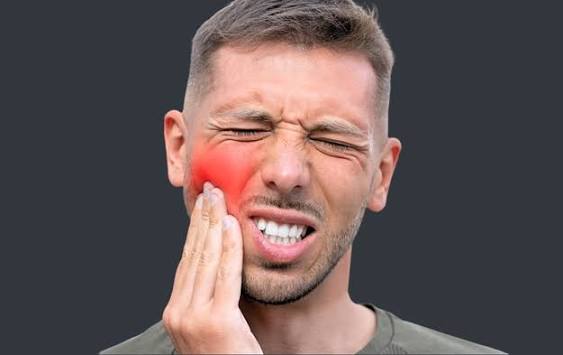
Why Do My Teeth Hurt When I Run? Teeth hurt when running mainly because of sinus pressure, increased blood flow, cold or dry air hitting exposed dentin, and jaw clenching — not because running itself is wearing your teeth down.
In rare cases, it can reveal a cavity, cracked tooth, or worn filling that was already there. Below, we’ll walk through each cause, how to tell them apart, and exactly what to do about it.
The 6 Real Causes of Tooth Pain When You Run

1. Sinus Pressure on Your Upper Teeth
Your maxillary sinuses — the air-filled cavities behind your cheekbones — sit directly above the roots of your upper back teeth. When you exercise, the lining of your sinuses can swell slightly, and if you’re dealing with allergies or a mild cold, that swelling is even more pronounced.
Because the roots of your upper molars are so close to the sinus floor, pressure changes there are easily felt as tooth pain. It often shows up as a dull, broad ache across several upper teeth rather than one sharp point of pain — a useful clue that the sinuses, not the teeth themselves, are the source.
2. Increased Blood Flow and Blood Pressure
Running raises your heart rate and blood pressure, and blood flow increases throughout your body — including the tiny vessels inside your gums and teeth. This extra circulation can create a throbbing or pulsing sensation in teeth that already have some underlying sensitivity, even if that sensitivity is usually too mild to notice at rest.
3. Cold, Dry Air and Tooth Sensitivity
If your enamel has worn thin or your gums have receded slightly, the softer layer underneath — called dentin — becomes exposed. Dentin is packed with microscopic channels (dentinal tubules) that lead straight to the tooth’s nerve. Cold, dry air rushing over exposed dentin triggers a quick, sharp jolt of pain, which is why this cause is especially common on cold-weather runs.
4. Jaw Clenching (Bruxism) While Running
Many runners unconsciously clench their jaw during hard efforts, hill climbs, or the final push of a race. This is a normal part of how the body recruits muscle tension for effort, but clenching too hard puts repeated stress on your teeth, jaw joint, and surrounding muscles — which can translate into ache or soreness during and after a run.
5. Hidden Cavities, Cracks, or Worn Fillings
Sometimes running doesn’t cause the pain — it just reveals it. A small cavity, a hairline crack, or an aging filling might not bother you during a normal day, but the jarring impact of each footstrike, combined with increased blood flow, can be enough to make an existing problem noticeable.
6. Dry Mouth From Mouth Breathing
Breathing hard through your mouth during a run reduces saliva flow around your teeth. Saliva is your mouth’s natural defense against bacteria and acid, so a dry mouth — especially over many runs — can gradually increase your risk of cavities and sensitivity, which then shows up as pain during exercise.
Sinus Pain vs. Dental Pain: How to Tell the Difference
Because sinus-related pain and true dental pain can feel similar, this comparison can help you figure out what’s actually going on before you decide whether to call a dentist, an ENT, or just wait it out.
| Cause | What It Feels Like | Common Trigger | Likely Fix |
|---|---|---|---|
| Sinus pressure | Dull, broad ache across several upper teeth | Allergies, cold, congestion, exercise | Decongestant, allergy treatment, time |
| Tooth sensitivity (exposed dentin) | Quick, sharp jolt | Cold or dry air, cold drinks | Desensitizing toothpaste, nose breathing |
| Cavity or decay | Localized, may worsen with sweets or pressure | Untreated decay, impact from running | Dental filling or treatment |
| Cracked tooth / worn filling | Sharp pain on specific bite or impact | Old filling, chewing hard foods, running impact | Dental exam and repair |
| Jaw clenching (bruxism) | Soreness in jaw and teeth, sometimes headache | High-effort running, stress | Mouthguard, relaxed jaw awareness |
| Dry mouth pain | General sensitivity, gradually worsening | Chronic mouth breathing | Hydration, nose breathing, saliva support |
Rule of thumb: if the pain is spread across multiple teeth and comes with stuffiness or facial pressure, think sinuses. If it’s sharp, localized, and tied to a specific tooth, think dental — and it’s worth a checkup.
How to Stop Your Teeth From Hurting When You Run

Breathing Techniques
Try to breathe through your nose as much as your effort level allows, especially in cold weather. Nasal breathing warms and filters the air before it reaches your mouth and teeth, cutting down on the cold-air shock that triggers sensitivity. On hard efforts where mouth breathing is unavoidable, a lightweight neck gaiter or running mask over your mouth can take the edge off cold air.
Desensitizing Toothpaste and Fluoride
Toothpaste formulated for sensitive teeth — look for potassium nitrate or stannous fluoride on the label — works by calming the nerve signal inside exposed dentin. Using it consistently for two to four weeks tends to produce noticeably less sensitivity. A dentist can also apply a professional fluoride treatment to help strengthen weakened enamel.
Mouthguards for Runners
If jaw clenching is your main issue, a custom-fitted mouthguard cushions your teeth and reduces the strain of clenching during intense efforts. It’s a small habit change with a real payoff, particularly for runners who also grind their teeth at night.
Managing Sinus Congestion and Allergies

If your tooth pain tends to show up alongside a stuffy nose or during allergy season, treating the underlying congestion — with an antihistamine, saline rinse, or a short course of decongestant — often relieves the tooth pain too, since the sinuses are the actual source.
Hydration and Saliva
Drink water before and during longer runs to keep saliva flowing. Staying hydrated supports your mouth’s natural defenses and helps offset the drying effect of hard breathing.
Does Running Actually Damage Your Teeth?
Running itself doesn’t wear down healthy teeth. What can affect your dental health over time is what surrounds your training: sugary or acidic sports drinks and gels, chronic mouth breathing that reduces saliva, and unmanaged jaw clenching. None of these are reasons to stop running — they’re just worth being aware of as part of a runner’s overall routine, alongside regular dental checkups.
When to See a Dentist (Red Flags)
Occasional mild sensitivity during a cold-weather run usually isn’t urgent. But get it checked out if you notice any of the following:
- Pain that’s sharp, localized to one tooth, and doesn’t fade after your run
- Pain that also happens when you’re not exercising
- Swelling in your face or gums
- Fever alongside facial or tooth pain
- Pain when biting down or chewing
- Sensitivity that’s getting worse over several weeks rather than improving
These can point to a cavity, cracked tooth, or infection that needs professional treatment rather than home care.
Tips for Runners in Cold Weather
- Warm up indoors for a few minutes before heading out into cold air
- Breathe through your nose as much as possible during easy-paced sections
- Cover your mouth loosely with a buff or gaiter on very cold days
- Use a sensitivity toothpaste in the weeks leading into winter training
- Keep water accessible on longer runs to avoid a dry mouth
Frequently Asked Questions (FAQs)
Why do my teeth hurt when I run?
Most often it’s sinus pressure, increased blood flow, or cold air hitting sensitive spots on your teeth — not damage caused by running itself.
Is it normal for teeth to hurt during exercise?
Mild, occasional sensitivity is common and generally not a cause for concern. Sharp, persistent, or worsening pain is not normal and is worth a dental checkup.
Can running actually damage your teeth?
Running doesn’t directly damage healthy teeth. Habits around running — like acidic sports drinks or chronic mouth breathing — can affect dental health over time.
Why does cold air make my teeth hurt more when I run?
Cold air stimulates exposed dentin through tiny channels called dentinal tubules, which connect to the tooth’s nerve and produce a sharp, quick pain.
Can a sinus infection cause tooth pain while running?
Yes. Inflamed sinuses sit directly above your upper molar roots, and exercise can intensify that pressure, making it feel like a toothache.
How do I know if my tooth pain is from sinuses or a cavity?
Sinus pain tends to feel like a dull ache across several upper teeth along with congestion, while cavity pain is usually sharper and localized to one tooth.
Why do my upper teeth hurt more than my lower teeth when running?
The upper molars sit closest to the maxillary sinuses, making them more susceptible to sinus-related pressure than lower teeth.
Can allergies cause tooth pain during exercise?
Yes, allergy-related sinus inflammation can press on the roots of your upper teeth and become more noticeable during physical exertion.
Why does my jaw hurt when I run?
Jaw clenching during hard efforts is common and can cause soreness in the jaw muscles and teeth, especially without a mouthguard.
Should I wear a mouthguard for running?
If you notice jaw clenching or tooth soreness during runs, a custom mouthguard can meaningfully reduce that strain.
Does mouth breathing while running damage my teeth?
Not directly, but it reduces saliva flow, which can raise your risk of sensitivity and cavities over time.
How can I breathe while running without hurting my teeth?
Favor nose breathing at easier paces and consider a light face covering on cold days to reduce direct cold-air exposure.
Can dehydration cause tooth sensitivity?
Dehydration reduces saliva, which normally protects your teeth, so yes, it can indirectly contribute to sensitivity.
Why do my teeth hurt after a run but not during it?
Increased blood flow and jaw tension during exercise can take a few minutes to settle, so some soreness may linger briefly after you finish.
Can sports drinks or gels damage my teeth?
Frequent exposure to acidic, sugary sports nutrition can gradually erode enamel, so rinsing with water afterward is a good habit.
Is tooth pain during exercise a sign of a cavity?
It can be, especially if the pain is sharp, localized, and doesn’t go away — that combination is worth a dental visit.
Can a cracked tooth cause pain only when I run or jump?
Yes, impact and jaw movement can aggravate a crack that’s otherwise silent during rest.
Why do my teeth throb when I run in winter?
Cold air combined with increased blood flow is a common combination that intensifies sensitivity and throbbing in colder months.
Does blood pressure increase during exercise affect teeth?
Yes, the temporary rise in blood pressure during exercise increases blood flow to the teeth and gums, which can feel like aching.
What toothpaste helps with tooth sensitivity from running?
Look for toothpaste containing potassium nitrate or stannous fluoride, used consistently for a few weeks.
Should I avoid running outside in cold weather if my teeth hurt?
Not necessarily — try nose breathing, a face covering, and sensitivity toothpaste first, and reassess if pain persists.
When should I see a dentist about tooth pain from exercise?
See a dentist if pain is sharp, localized, persists outside of exercise, or comes with swelling or fever.
Can a sinus rinse or nasal spray relieve exercise-related tooth pain?
If the cause is congestion, treating the sinuses directly often relieves the associated tooth pain as well.
Is tooth pain while running more common in cold climates?
Cold, dry air is a common trigger for dentin sensitivity, so yes, it tends to be more noticeable in colder conditions.
Is it safe to keep running if my teeth hurt?
Mild sensitivity is generally safe to run through, but stop and get checked if pain is sharp, worsening, or accompanied by swelling or fever.
Key Takeaways
- Tooth pain when running is usually caused by sinus pressure, increased blood flow, or cold-air sensitivity — not damage from the activity itself.
- A dull ache across several upper teeth points to sinuses; sharp, localized pain points to a dental issue worth checking.
- Nose breathing, desensitizing toothpaste, and a mouthguard address the three most common causes.
- Persistent, sharp, or worsening pain — especially with swelling or fever — needs a dentist, not just home care.
- Running is safe for your teeth long-term; it’s the surrounding habits (sports nutrition, mouth breathing, clenching) that matter most for dental health.
