

Why can’t chinchillas get wet is one of the first questions every new owner asks, usually right after falling in love with that impossibly soft coat.
The short answer is that chinchilla fur is so dense it traps moisture against the skin instead of letting it dry.
That trapped moisture sets the stage for fungal infections, matting, and dangerous drops in body temperature.
The Real Reason Chinchillas Can’t Get Wet
Ultra-Dense Fur Traps Moisture
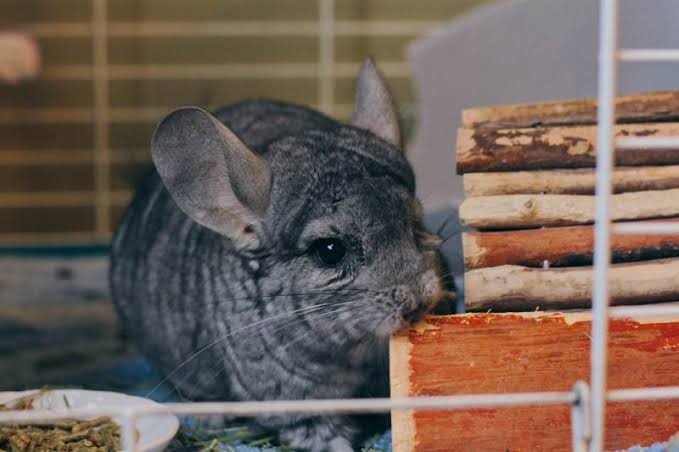
A single chinchilla hair follicle grows somewhere between 60 and 100 individual hairs. Humans, by comparison, only grow one to five hairs per follicle. That density creates a coat so thick that air, and water, struggle to move through it.
When water reaches the skin it becomes trapped underneath layers of fur. The surface may look dry within minutes, but the base of the coat can stay damp for hours or even days.
Why Their Fur Evolved This Way
Chinchillas originate from the high-altitude Andes Mountains of South America, where the climate is cold, dry, and arid. Their fur evolved for insulation against freezing temperatures, not for shedding water.
In the wild, chinchillas rarely encounter standing water. Their environment simply never selected for fur that dries quickly, which is why domestic pets carry the same vulnerability today.
How Chinchilla Fur Compares to Other Pets
Most household pets, including dogs, cats, and rabbits, have fur that dries within an hour or two after a bath. Their hair follicles are far less crowded, so air can circulate through the coat and pull moisture away from the skin.
A chinchilla’s coat works almost like a sponge instead. Water gets pulled deep into the base layer and held there by sheer hair density, which is why a quick shake or a sunny windowsill will not solve the problem the way it might for a dog.
How Fur Density Is Measured
Researchers studying chinchilla pelts have noted follicle bundles far denser than nearly any other commercially kept mammal, which is part of why the fur has historically been prized in the textile industry. That same density is the direct cause of the drying problem pet owners face today.
For comparison, a typical dog coat might have two to three hairs per follicle, while a chinchilla can have dozens. This gap explains why grooming advice for dogs, cats, or rabbits simply does not translate to chinchilla care.
Wild Habitat and Domestication History
Wild chinchillas still live in small, scattered populations in the mountains of Chile, at elevations where nights are cold and rainfall is minimal. Their coat evolved over thousands of years specifically for that dry, high-altitude climate.
Domestic chinchillas kept as pets today are genetically almost identical to their wild ancestors. Selective breeding changed coat color and temperament in some lines, but it did not change the fundamental density or drying behavior of the fur.
What Happens When a Chinchilla Gets Wet
Fungal Infections and Ringworm
Damp fur creates the perfect breeding ground for fungal spores, most commonly Trichophyton mentagrophytes. This fungal infection is known as ringworm, or dermatophytosis, and it thrives in warm, humid conditions.
Early ringworm often starts as a small bald patch near the nose, then spreads toward the eyes, mouth, and paws if left untreated. It is also zoonotic, meaning it can spread between chinchillas, other pets, and humans.
Hypothermia Risk
Chinchillas cannot sweat or pant, so their thick coat plays a major role in regulating body temperature. Wet fur loses its insulating ability almost completely.
A chinchilla that stays wet and cold for an extended period can develop hypothermia, which is a genuine medical emergency. Body temperature can drop quickly in small mammals, so prompt action matters.
Fur Matting and Skin Damage
Wet fur tends to clump and mat together, forming a dense, tangled barrier over the skin. This matted layer holds moisture in even longer, extending the risk window for infection.
Matted fur is also uncomfortable and can lead to skin irritation, hair loss, or pulling if the tangles are not gently worked out over time.
Respiratory Problems and Pneumonia
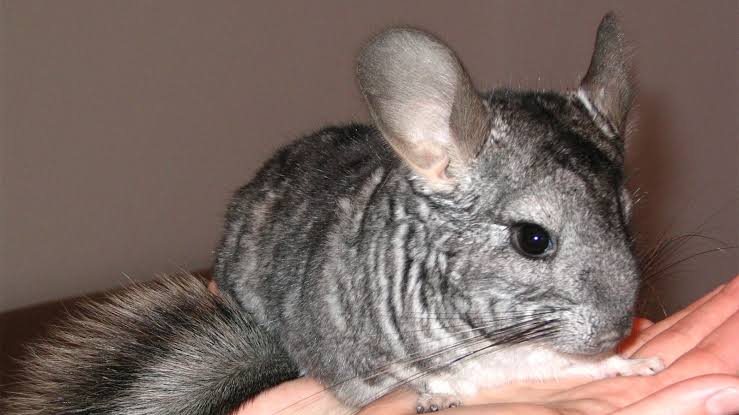
A chilled, wet chinchilla is also more vulnerable to respiratory infections, including pneumonia. Cold, damp fur pulls heat away from the body faster than dry fur, weakening the immune response in the process.
Labored breathing, wheezing, or nasal discharge after a wetting incident should always be treated as urgent. These symptoms can escalate quickly in an animal this small.
Fur Slip From Stress
Chinchillas can also release patches of fur as a stress response, a defense mechanism known as fur slip that helps them escape predators in the wild. A stressful, unfamiliar water exposure can trigger this reaction.
Fur slip is not usually dangerous on its own, but it is a clear sign that the experience was distressing and that gentle, calm handling is needed during drying.
How Chinchillas Stay Clean Without Water
Dust Baths Explained
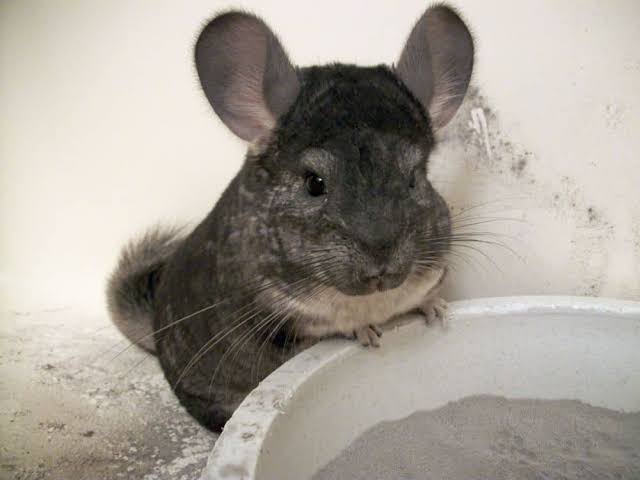
Instead of water, chinchillas clean themselves by rolling in fine dust, mimicking the volcanic ash and pumice found naturally in the Andes. The dust absorbs excess oil, dirt, and debris from deep within the coat.
This is not a workaround invented by pet owners. It is the chinchilla’s natural, instinctive method of grooming, and they typically know exactly what to do the moment dust is available.
How Often to Give Dust Baths
Most chinchillas do well with two to three dust baths per week, each lasting around 10 to 20 minutes. Bathing too often can actually dry out the skin and cause irritation.
Leaving a dust bath container in the enclosure permanently is not recommended either, since chinchillas may start using it as a litter area, which defeats the purpose entirely.
Choosing the Right Dust
Only chinchilla-specific dust, such as Fuller’s earth or a reputable commercial blend, should be used. Regular sand is too coarse and can scratch delicate skin or damage the coat.
The dust should be replaced every two to three uses. Once it starts clumping, it has absorbed too much oil and moisture to clean effectively.
Choosing a Dust Bath Container
A good dust bath container is wide enough for the chinchilla to roll and turn freely, with sides low enough to hop in and out but high enough to contain flying dust. Glass or heavy ceramic options tend to resist tipping better than lightweight plastic.
Placing the container in the enclosure only during bath time, rather than leaving it in permanently, keeps the dust cleaner and prevents it from being used as bedding or a litter spot.
Signs Your Chinchilla Needs a Dust Bath
Oily-looking patches in the fur, a slightly musty smell, or fur that looks flat instead of fluffy are all signs a dust bath is overdue. Active rolling and rubbing behavior when the dust is offered is a normal, healthy response.
If a chinchilla seems disinterested in dust for several sessions in a row, it can be worth checking the dust quality, since old or clumped dust loses much of its cleaning ability.
Is a Few Drops of Water Actually Dangerous?
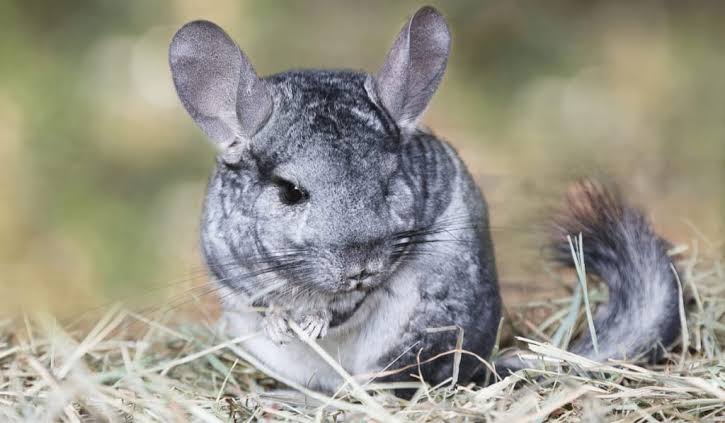
A few stray drops of water, such as a splash from a water bottle, will not seriously harm a chinchilla. The real danger comes from prolonged soaking or full submersion, not incidental contact.
That said, it is still good practice to keep water sources away from the enclosure floor and to dry any damp fur promptly, since consistent low-level dampness can add up over time.
What to Do If Your Chinchilla Gets Wet
Common Causes of Accidental Wetting
Leaky water bottles are one of the most frequent culprits, especially if the sipper tube is loose or the bottle is overfilled. Enclosures placed too close to a bottle nozzle can end up with a damp corner without an owner noticing right away.
High humidity in the room, condensation on cage bars, or a spilled drink nearby can also leave fur damp over time. Bathrooms and kitchens are generally poor locations for a chinchilla enclosure for exactly this reason.
Step-by-Step Drying Method
Act quickly if your chinchilla becomes wet by accident. Speed matters far more than perfection here, so do not panic.
<br>
| Step | Action | Why It Helps |
|---|---|---|
| 1 | Gently pat with a soft, absorbent towel | Removes surface moisture without damaging fur |
| 2 | Move to a fresh, dry towel | Prevents re-soaking from the first towel |
| 3 | Use a fan or hair dryer on the coolest setting | Speeds drying without risk of burns |
| 4 | Hold the dryer at least two feet away | Protects sensitive skin from heat |
| 5 | Offer a dust bath once mostly dry | Absorbs remaining moisture from the base coat |
| 6 | Keep the chinchilla warm and monitored | Reduces hypothermia risk during recovery |
Avoid rubbing the fur vigorously, since this can cause matting, stress, or hair loss. Patting and blotting is always the safer approach.
Signs to Watch For After Getting Wet
After a wetting incident, monitor your chinchilla closely for the next 24 to 48 hours. Watch for lethargy, shivering, loss of appetite, or labored breathing.
Skin changes are worth tracking too. Redness, flakiness, or a small bald patch can indicate an early fungal infection developing under the coat.
When to Call a Vet
Contact an exotic animal vet immediately if you notice breathing difficulty, persistent shivering, or a chinchilla that seems unusually weak or unresponsive. These can signal hypothermia or early pneumonia.
A vet visit is also warranted if bald patches, scaly skin, or a ring-shaped rash appear in the days following exposure to moisture.
Expert Tips for New Chinchilla Owners
Building a Dust Bath Routine Early
Introducing dust baths from the first week a chinchilla comes home helps the behavior become an automatic, stress-free part of their routine. Kits and adult chinchillas alike usually take to it instinctively once the dust is offered.
Keeping the bath session short and consistent, always around the same time of day, also helps reduce any hesitation in shy or newly adopted chinchillas.
Handling a Nervous Chinchilla During Drying
A chinchilla that is scared after getting wet may bolt, bite, or struggle during towel drying. Working slowly, speaking softly, and supporting the body fully rather than gripping tightly reduces stress significantly.
Wrapping the chinchilla loosely in a towel like a small burrito, with just the head exposed, often calms them enough to allow safe drying without a prolonged chase around the cage.
Water Bottles vs Water Bowls
Chinchillas need constant access to drinking water, but the delivery method matters. A hanging water bottle with a metal sipper tube keeps water contained and prevents spills into the enclosure.
Open water bowls are generally discouraged, since chinchillas can tip them, splash inside them, or track damp bedding through the cage, all of which raise the risk of accidental wetting.
Preventing Leaks and Spills
Checking the water bottle daily for drips, cracks, or a loose ball bearing in the sipper tube catches most leaks before they become a problem. Replacing worn bottles rather than patching them is usually the safer long-term fix.
Positioning the bottle over a solid, non-absorbent section of the cage floor, rather than directly above bedding or a favorite resting spot, also limits how much damage a small leak can do.
Best Practices for a Dry Enclosure
Keeping room humidity below 40 percent, providing good airflow, and avoiding cage placement near windows, bathrooms, or laundry areas all help maintain the dry environment chinchillas need. A small hygrometer is an inexpensive way to monitor humidity levels.
Bedding should be changed regularly and checked for dampness, since damp bedding can transfer moisture to a chinchilla’s feet and belly fur even without direct water contact.
Mistakes to Avoid
- Do not bathe a chinchilla in water out of habit from other pets, since this goes against their natural biology.
- Do not leave a dust bath container in the cage permanently, as it quickly becomes soiled.
- Do not use human hair products, scented sprays, or perfumed powders anywhere near the coat.
- Do not skip drying after even a small accidental splash if the fur feels damp at the base.
- Do not use a hot hair dryer setting, since chinchillas overheat far more easily than larger pets.
Dust Bath vs Water Bath at a Glance
| Feature | Dust Bath | Water Bath |
|---|---|---|
| Natural behavior | Yes, instinctive | No |
| Cleans oils and dirt | Yes, effectively | Partially |
| Drying time | Minutes | Hours to days |
| Fungal infection risk | Low | High |
| Hypothermia risk | None | Significant |
| Recommended frequency | 2 to 3 times weekly | Emergency use only |
Real-World Example
A common scenario reported by owners involves a chinchilla escaping its cage during free-roam time and hopping into a shallow bathtub with standing water. In these cases, the fur can soak through within seconds, since submersion removes any protective air layer the coat normally holds.
The recommended response is the same as for any wetting incident, just more urgent. Immediate towel drying, a warm and draft-free room, and close monitoring for the next day or two give the best chance of avoiding hypothermia or infection.
Key Takeaways
- Chinchilla fur has up to 100 hairs per follicle, making it far too dense to dry quickly.
- Wet fur traps moisture against the skin, creating conditions for ringworm and other fungal infections.
- Chinchillas cannot regulate body temperature well once wet, raising the risk of hypothermia.
- Dust baths, not water baths, are the correct and natural way to keep a chinchilla clean.
- A few incidental drops of water are not an emergency, but soaking or submersion is.
- Quick towel drying, a cool fan, and a follow-up dust bath are the best response to accidental wetting.
Conclusion
So, why can’t chinchillas get wet? Chinchillas cannot get wet safely because their extraordinarily dense fur traps moisture close to the skin instead of releasing it. That trapped dampness creates the ideal environment for fungal infections like ringworm and puts the animal at risk of hypothermia, since chinchillas cannot sweat or pant to regulate their temperature. Dust baths exist precisely to solve this problem, offering a natural way to remove oil and debris without introducing any water at all. If an accident happens, prompt towel drying, cool airflow, and a follow-up dust bath will usually resolve the situation safely. Watching for signs like lethargy, shivering, or skin changes afterward, and involving a vet when something looks off, keeps a chinchilla healthy long term. Understanding this one rule of chinchilla care goes a long way toward preventing serious, and entirely avoidable, health problems.
Long-Term Coat Care Habits
Grooming Between Dust Baths
Light brushing with a soft chinchilla-safe brush a few times a week can help distribute natural oils and remove loose fur between dust sessions. This is optional, but many owners find it strengthens the bond with a hands-on chinchilla.
Avoid anything abrasive or scented, since a chinchilla’s skin is sensitive and reacts poorly to products designed for other pets.
Seasonal Considerations
Humidity tends to rise in summer months in many regions, which slightly increases the natural risk of fungal issues even without direct wetting. Extra attention to airflow and dust bath consistency during these months is a reasonable precaution.
Winter heating systems, on the other hand, can dry indoor air significantly, which is generally favorable for chinchilla fur health but may call for slightly more frequent dust baths if the coat starts looking dull.
Frequently Asked Questions (FAQs)
Can a chinchilla die from getting wet?
Yes, in severe cases. Prolonged wetness can lead to hypothermia or fungal infections that become serious if left untreated.
How long does it take for a chinchilla’s fur to dry?
Wet chinchilla fur can take several hours to fully dry, and the base coat may stay damp even longer without help.
Is it okay if my chinchilla licks water off its paws?
Yes, small amounts of incidental moisture like this are not dangerous and are a normal part of drinking or grooming.
Can I ever give my chinchilla a water bath?
Only in a true emergency, such as exposure to a toxic substance, and ideally under the guidance of an exotic vet.
Why do chinchillas use dust instead of water to bathe?
Dust absorbs excess oils and dirt from their dense coat without leaving any moisture behind, matching how wild chinchillas naturally groom.
What kind of dust should I use for a chinchilla dust bath?
Use chinchilla-specific dust made from volcanic ash or Fuller’s earth, never sand, which is too abrasive for their skin.
How often should chinchillas get a dust bath?
Two to three times per week for 10 to 20 minutes is typically enough to keep their coat clean and healthy.
What does ringworm look like on a chinchilla?
It often starts as a small bald patch near the nose or eyes, sometimes with dry, flaky, or reddened skin.
Can humans catch ringworm from a chinchilla?
Yes, ringworm is zoonotic and can spread between chinchillas and humans through direct contact, so gloves are recommended during treatment.
Should I use a hair dryer to dry a wet chinchilla?
Yes, but only on the coolest setting and held a safe distance away, since chinchillas overheat easily and can be burned by hot air.
