

Why are the Cleveland Browns called the Browns is one of the most searched questions among NFL fans who love digging into team history.
The short answer is that the franchise was named after its first head coach and co-founder, Paul Brown, back in the mid-1940s.
But the full story involves a fan naming contest, a rejected name, a boxing legend, and a mascot named Brownie the Elf.
Quick Answer: The Real Reason Behind the Browns’ Name
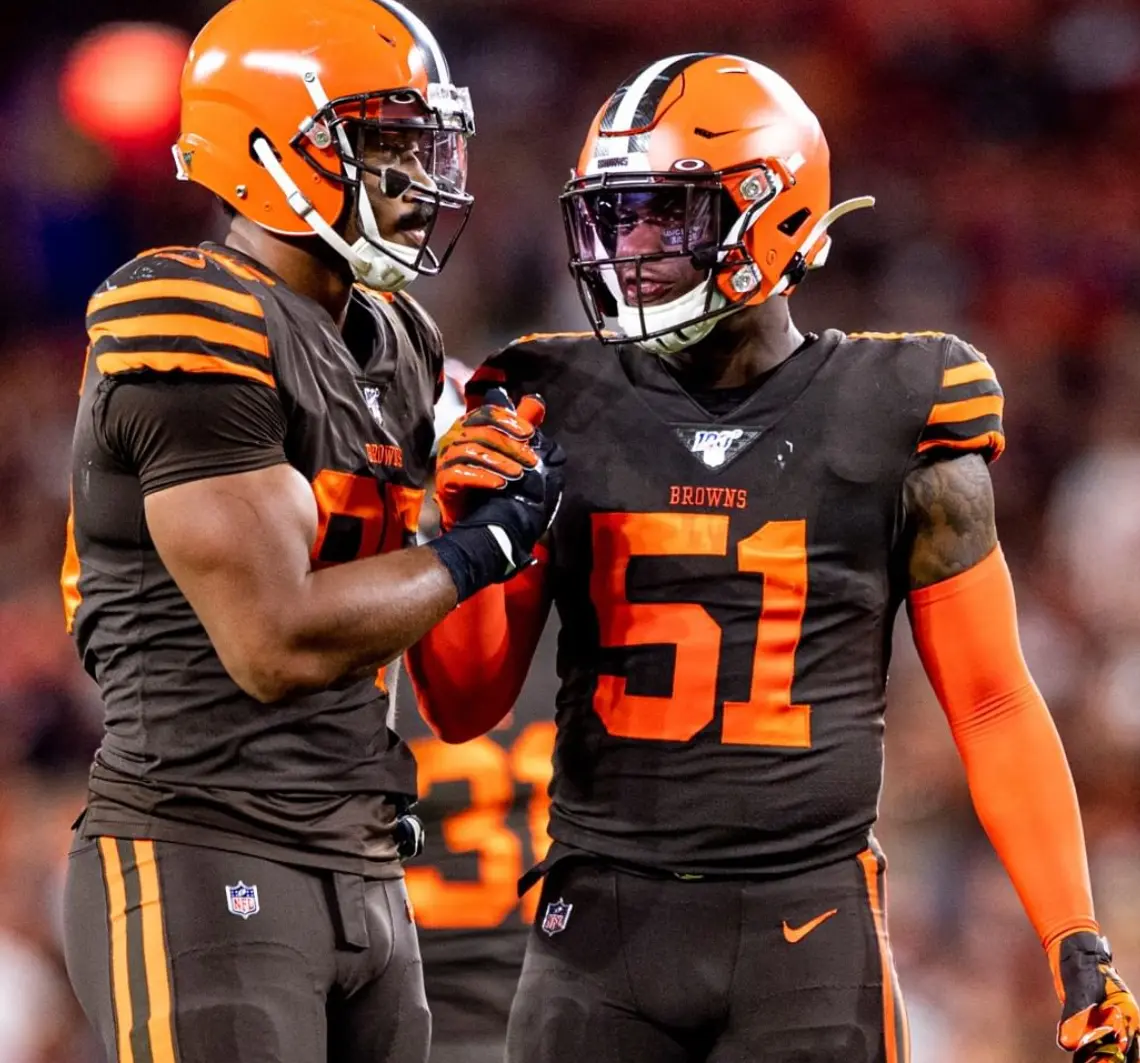
The Cleveland Browns are named after Paul Brown, the team’s original head coach, general manager, and part-owner.
Fans voted for the name “Browns” in a public contest held by team founder Arthur McBride in 1945. Brown initially resisted, but the name stuck anyway.
The Origin Story of the Cleveland Browns (1944–1946)
The franchise traces back to 1944, when the All-America Football Conference (AAFC) was being formed as a rival to the NFL.
Cleveland was awarded one of the new league’s franchises, and a wealthy local businessman stepped in to fund it.
That businessman needed a coach who could build a winning program from scratch, and his choice would shape the team’s identity for the next 80 years.
Arthur “Mickey” McBride and the Birth of a Franchise
Arthur B. “Mickey” McBride was a Cleveland taxi-cab magnate who purchased the AAFC franchise in 1944.
McBride wasn’t a lifelong football fanatic, but he saw the business potential of owning a professional sports team in a growing city.
He hired Paul Brown, a young but already legendary Ohio coach, to run nearly every football decision for the new club.
Paul Brown: The Coach Who Gave the Team Its Name
Paul Brown had already built championship programs at Massillon Washington High School and Ohio State University before joining Cleveland’s new team.
His reputation in Ohio was massive, and fans respected him as one of the smartest football minds in the state.
Because of that popularity, when it came time to name the new franchise, his surname became the people’s choice.
The Fan Contest That Almost Named Them the Panthers
McBride ran a public contest in 1945, offering a $1,000 war bond to whoever submitted the winning team name.
The first winning entry was actually “Cleveland Panthers,” not “Browns,” and it was briefly adopted by the organization.
That name lasted only a couple of months before a major problem forced the team to reconsider it completely.
Why Paul Brown Rejected “Cleveland Panthers”
A local businessman contacted the franchise and explained that he already owned the rights to the name “Cleveland Panthers.”
That name had belonged to an earlier, unrelated Cleveland football club that folded years before, and the trademark was still active.
With the Panthers name unusable, McBride went back to the original fan submission and officially christened the team the Cleveland Browns in 1945, honoring Paul Brown without waiting for his approval.
The Joe Louis “Brown Bomber” Theory Explained
For years, Paul Brown publicly downplayed the idea that the team was named after him, calling it immodest.
Instead, he pointed to heavyweight boxing champion Joe Louis, nicknamed the “Brown Bomber,” as the true inspiration for the name.
Joe Louis was one of the most famous athletes in America during the 1940s, and linking the team to him seemed like a more humble explanation.
However, Louis had no real connection to Cleveland or the football franchise itself, which made the story feel more like a polite deflection.
Later in his life, Paul Brown finally admitted what most historians already believed: the team truly was named after him.
Table: Two Theories Behind the Browns’ Name Compared
| Theory | Origin | Supported By | Historical Accuracy |
|---|---|---|---|
| Named after Paul Brown | Fan contest, 1945 | Team ownership, historians, Britannica | Officially confirmed |
| Named after Joe Louis (“Brown Bomber”) | Brown’s own early comments | Older media reports, oral tradition | Later disputed by Brown himself |
Did Paul Brown Actually Want the Team Named After Him?
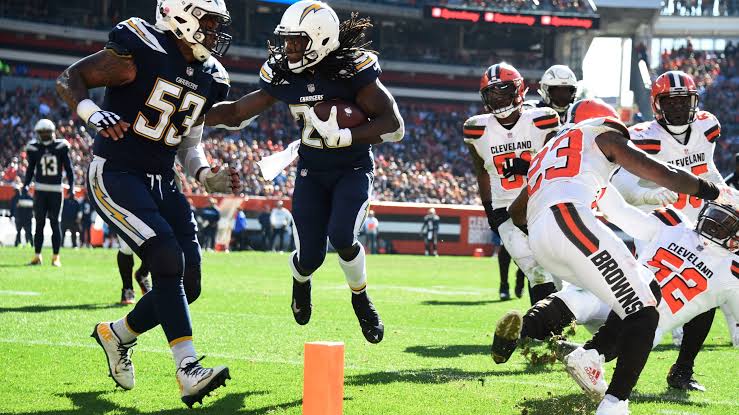
Not at first. Paul Brown reportedly preferred “Panthers” and felt uncomfortable with a team carrying his own last name.
Once “Panthers” became legally unavailable, he had little choice but to accept “Browns” as the franchise’s permanent identity.
When Did the Browns Officially Join the NFL?
The Browns began play in 1946 as members of the All-America Football Conference, not the NFL.
They dominated the AAFC for four straight seasons, winning every league championship from 1946 through 1949.
When the AAFC folded in 1950, the Browns were absorbed into the NFL and immediately proved they belonged among the league’s best teams.
Brownie the Elf: The Original Team Mascot
Since the team wasn’t technically named after a color or an animal, the Browns needed a visual mascot that still fit the “Brown” identity.
Artist Dick Dugan created “Brownie the Elf” in 1946, a cartoon elf dressed in brown and white and holding a football.
Brownie appeared on programs, pennants, and early team logos throughout the late 1940s and 1950s as the face of the franchise.
In 1959, Brownie was redesigned with a bolder look and an orange-and-white color scheme to match the team’s evolving colors.
By the early 1960s, ownership began phasing Brownie out in favor of a more serious, mascot-free image for the club.
Table: Evolution of the Browns Logo Through the Years
| Era | Logo Style | Key Detail |
|---|---|---|
| 1946–1958 | Brownie the Elf (brown/white) | First official team logo |
| 1959–1969 | Brownie the Elf (orange/white) | Bolder redesign, more dynamic pose |
| 1970–present | Plain orange helmet, no logo | Only helmet-logo-free team in the NFL |
| 2015–present | Dawg Pound / Dawg logo added | Secondary branding, not on helmet |
| 2022–present | Brownie the Elf midfield logo | Fan-voted revival at the 50-yard line |
Why Don’t the Browns Have a Logo on Their Helmet?
Starting in 1970, the Browns switched to a plain orange helmet with no logo, a decision meant to emphasize team unity over individual branding.
That choice made Cleveland the only franchise in the entire NFL without a helmet logo, a tradition the team still proudly maintains in 2026.
The Meaning Behind the Brown and Orange Colors
The team’s colors, brown, orange, and white, were chosen to visually reinforce the “Browns” name itself.
Brown represents the surname of the coach the team honors, while orange adds contrast and energy to the uniform design.
The Browns’ Move to Baltimore and How Cleveland Kept the Name
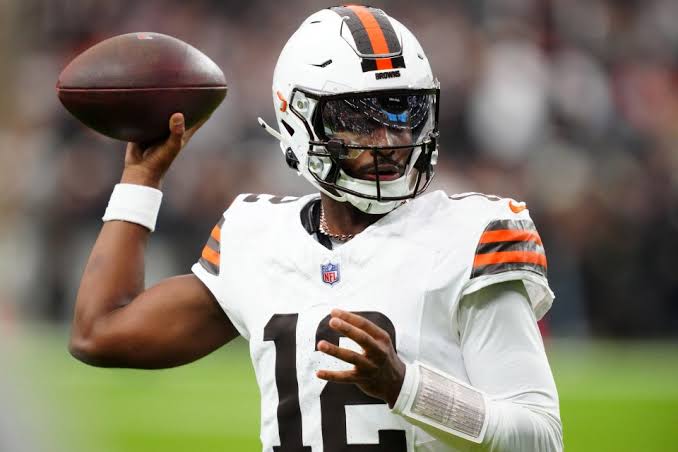
In 1995, owner Art Modell announced he was relocating the franchise to Baltimore, sparking outrage across Cleveland and Ohio.
City officials and fans pursued legal action, arguing the Browns’ name, colors, and history belonged to Cleveland specifically.
The resolution allowed Modell to start a new team in Baltimore, which became the Ravens, while Cleveland legally retained the Browns’ name, records, and colors.
A new Cleveland Browns franchise resumed play in 1999, technically treated as a continuation of the original team rather than an expansion club.
Table: Cleveland Browns Name Timeline
| Year | Event |
|---|---|
| 1944 | Arthur McBride secures Cleveland’s AAFC franchise |
| 1945 | Paul Brown hired; fan contest names team “Panthers,” then “Browns” |
| 1946 | Team begins play in the AAFC as the Cleveland Browns |
| 1950 | Browns join the NFL after the AAFC folds |
| 1953 | McBride sells the team for $600,000 |
| 1970 | Team switches to a logo-free orange helmet |
| 1995 | Modell announces relocation to Baltimore |
| 1999 | Cleveland Browns resume play, keeping the original name and colors |
| 2022 | Brownie the Elf returns as a midfield logo |
The Business Side of Naming a Team in the 1940s
Naming a professional sports team in the 1940s was far less commercialized than it is today, with far fewer trademark conflicts to navigate.
Even so, the “Cleveland Panthers” trademark dispute shows that businesses were already protecting sports-related branding decades before modern licensing deals existed.
McBride’s willingness to run a public naming contest was also fairly progressive for the era, giving ordinary fans a real say in the franchise’s identity from day one.
Comparing Paul Brown to Other Coach-Namesakes in Sports History
Very few professional teams anywhere in American sports carry a coach’s actual surname as their permanent identity.
Paul Brown remains the most prominent example in football, and he later repeated history by having input into another Ohio franchise’s culture, the Cincinnati Bengals, decades later.
That dual legacy, shaping two different NFL franchises across different states, is part of why football historians still consider him one of the most influential coaches ever.
What the Name Says About Cleveland’s Football Culture
The Browns’ name has never been about flash or marketing gimmicks, and that plain, function-first mentality still defines the franchise’s culture today.
A logo-free helmet, a name honoring a coach instead of a mascot, and colors kept intentionally simple all reflect the same blue-collar values associated with Cleveland itself.
Fans often point to this authenticity as one reason the Browns’ brand has remained emotionally powerful even during long stretches of on-field struggles.
Table: Common Myths vs Facts About the Browns’ Name
| Myth | Fact |
|---|---|
| The team is named after the color brown | False, it’s named after Coach Paul Brown |
| Joe Louis directly inspired the name | False, Brown later admitted this wasn’t true |
| Paul Brown happily accepted the name | False, he initially preferred “Panthers” |
| The Ravens are just a renamed Browns team | False, Cleveland legally kept the Browns’ identity |
| Brownie the Elf is a new mascot | False, he dates back to the team’s founding in 1946 |
Fun Facts About the Cleveland Browns Name
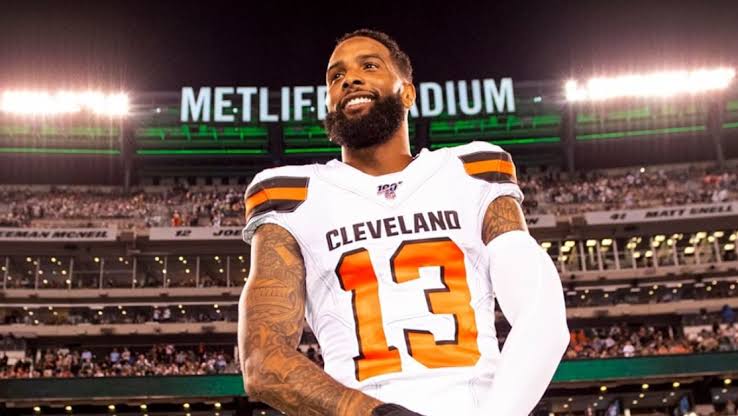
The Browns are one of only a handful of major U.S. pro sports teams named directly after a person rather than an animal, place, or object.
Paul Brown went on to found another NFL team, the Cincinnati Bengals, decades after leaving Cleveland.
Cleveland is still the only NFL franchise that has never worn a helmet logo since adopting the plain orange design in 1970.
The AAFC Dynasty: How the Browns Proved the Name Right
From 1946 to 1949, the Cleveland Browns didn’t just play well, they completely dominated the All-America Football Conference.
The team won all four AAFC championships during that stretch, finishing with a combined record of 52 wins, 4 losses, and 3 ties.
That level of success meant the “Browns” name wasn’t just a tribute to a coach anymore, it quickly became a symbol of winning football in Ohio.
Rival owners in the AAFC reportedly grew frustrated with Cleveland’s dominance, since Paul Brown’s coaching system was years ahead of anything else in the league.
By the time the AAFC folded in 1950, the Browns name carried instant credibility heading into the NFL merger.
Why Naming a Team After a Coach Was Unusual
Most professional sports franchises take their names from animals, geographic features, or local industries, not individual people.
The Browns are a rare exception, joining a very short list of major U.S. teams named directly after a human being.
This is part of why the question “why are the Cleveland Browns called the Browns” keeps trending year after year among casual fans.
Comparable examples include the Los Angeles Lakers (named for Minnesota’s lakes, not a person) or the Green Bay Packers (named for a meatpacking company), which shows just how uncommon Cleveland’s naming pattern really is.
Table: How the Browns’ Naming Compares to Other NFL Teams
| Team | Name Source | Named After a Person? |
|---|---|---|
| Cleveland Browns | Coach Paul Brown | Yes |
| Green Bay Packers | Meatpacking company sponsorship | No |
| Pittsburgh Steelers | Steel industry | No |
| Dallas Cowboys | Western/ranching culture | No |
| Baltimore Ravens | Edgar Allan Poe’s poem “The Raven” | Indirect literary reference |
The British Folklore Behind Brownie the Elf
The “Brownie” mascot wasn’t invented from nothing, it borrowed from centuries-old British folklore about small household spirits.
According to folklore historians, brownies were believed to be helpful, hard-working creatures that secretly assisted families around farms and homes.
Artist Dick Dugan leaned into that friendly, hard-working image when designing the original 1946 logo for Cleveland’s new football team.
The connection made sense on two levels: the mascot’s name matched the team’s name, and the folklore matched the blue-collar identity of Cleveland itself.
Massillon Roots: Paul Brown’s Reputation Before Cleveland
Long before coaching in the NFL, Paul Brown built one of the greatest high school football dynasties in American history at Massillon Washington High School.
His teams there won multiple state championships, and Brown even designed a tiger-themed logo for Massillon before ever arriving in Cleveland.
That statewide reputation is a big reason fans overwhelmingly chose his name in the 1945 contest instead of a generic mascot name.
Brown then coached at Ohio State University, winning a national championship in 1942, which only strengthened his celebrity status across the state.
Why the Baltimore Ravens Aren’t Considered the “Original” Browns
Many casual fans assume the Ravens are simply a renamed version of the old Browns, but the legal history says otherwise.
When Art Modell relocated the franchise’s players and staff to Baltimore in 1996, the NFL ruled that Cleveland retained ownership of the Browns’ name, uniform colors, and historical records.
That meant the Baltimore team had to build an entirely new identity, which became the Ravens, while Cleveland’s history technically paused rather than transferred.
A brand-new Cleveland Browns roster resumed play in 1999, but the franchise is still recognized as a continuation of the original 1946 club for record-keeping purposes.
The Role of Cleveland’s Fans in Saving the Name
Cleveland’s fan base played a direct role in the 1995-96 legal battle that kept the Browns’ name from disappearing entirely.
Organized fan groups and city officials pressured the NFL to guarantee that Cleveland would receive an expansion team using the original name, colors, and history within three years.
That guarantee is exactly why the “Browns” name survived the relocation instead of vanishing along with the franchise’s players and coaching staff.
How the Name Fits Cleveland’s Sports Identity
Cleveland’s professional sports scene has a long pattern of loyalty-driven team identities, and the Browns fit that mold perfectly.
Naming the team after a beloved local coach, rather than a marketable animal or object, reflected a very personal, community-first approach to sports branding.
That emotional connection is part of why Browns fans, even during losing seasons, remain some of the most dedicated supporters in the entire NFL.
Searching for the Answer in 2026: Why This Question Still Trends
Every NFL season, new fans discover the Browns for the first time and immediately wonder about the unusual team name.
Search interest in “why are the Cleveland Browns called the Browns” typically spikes during the preseason and again whenever the team makes national headlines.
The mix of a human-named franchise, a logo-free helmet, and a mascot named after folklore elves makes the story genuinely more interesting than most NFL name origins.
Table: Key People Behind the Browns’ Name
| Person | Role | Contribution to the Name Story |
|---|---|---|
| Arthur “Mickey” McBride | Founder/Owner (1944–1953) | Funded the franchise, ran the naming contest |
| Paul Brown | Head Coach/GM | Namesake of the team, initially resisted the name |
| Dick Dugan | Artist | Designed the original Brownie the Elf logo |
| Art Modell | Owner (1961–1995) | Relocated the team, phased out Brownie |
| Joe Louis | Boxer | Falsely credited as the name’s inspiration for years |
Frequently Asked Questions (FAQs)
1. Why are the Cleveland Browns called the Browns?
They’re named after Paul Brown, the team’s original head coach and co-founder. Fans voted for the name in a 1945 contest.
2. Were the Browns almost named something else?
Yes, fans first chose “Cleveland Panthers,” but the name was already trademarked by an earlier local team.
3. Is the team really named after Joe Louis?
No. Paul Brown claimed this for years out of modesty, but he later confirmed the team was named after him.
4. Who founded the Cleveland Browns?
Taxi-cab businessman Arthur “Mickey” McBride founded the team in 1944 and hired Paul Brown to run football operations.
5. When did the Browns join the NFL?
They joined the NFL in 1950 after four dominant seasons in the All-America Football Conference.
6. Why don’t the Browns have a helmet logo?
Since 1970, the team has used a plain orange helmet to symbolize team unity, making them the only logo-free team in the NFL.
7. Who is Brownie the Elf?
Brownie the Elf was the team’s original 1946 mascot and logo, later phased out in the 1960s and revived in 2022.
8. Did the Browns ever move to another city?
The team’s personnel relocated to Baltimore in 1996 and became the Ravens, but Cleveland legally kept the Browns’ name and history.
9. What do the Browns’ colors represent?
Brown, orange, and white were chosen to reflect the “Browns” name while giving the uniform bold visual contrast.
10. Did Paul Brown want the team named after himself?
Not initially. He preferred “Panthers” but accepted “Browns” once that name became legally unavailable.
Conclusion
So, why are the Cleveland Browns called the Browns? The answer traces back to 1945, when fans voted to honor head coach Paul Brown after his rejected “Panthers” nickname ran into a trademark conflict.
What started as a modest, almost accidental decision became one of the most recognizable names in American sports.
From Brownie the Elf to the league’s only logo-free helmet, Cleveland’s identity has always stayed tied to its founding coach.
Even after the painful 1995 relocation, the city fought to keep the Browns’ name, colors, and legacy intact. In 2026, that name still represents one of the NFL’s most passionate and historic fan bases, proving that a simple 1945 fan contest created a legacy built to last.
