

Why do wasps sting? It almost always comes down to one thing: self-defense. Wasps are not out to ruin your picnic on purpose, but they are fiercely protective of their nest, their colony, and their own survival.
A wasp will use its stinger when it feels threatened, disturbed, or provoked, even if that provocation is completely accidental on your part. Unlike bees, wasps can sting more than once, which makes understanding their behavior even more important.
What Is a Wasp Sting, Really
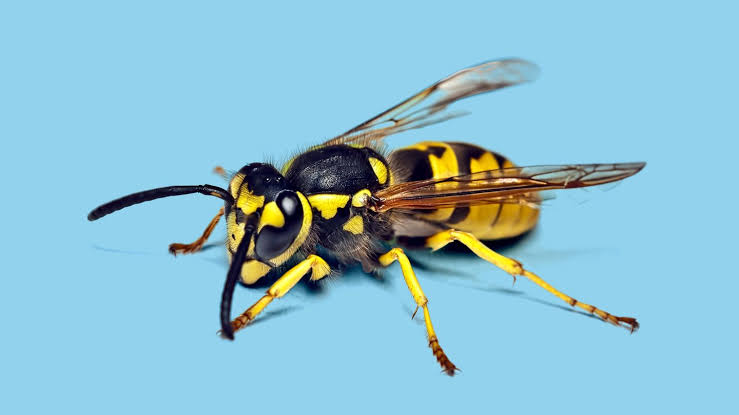
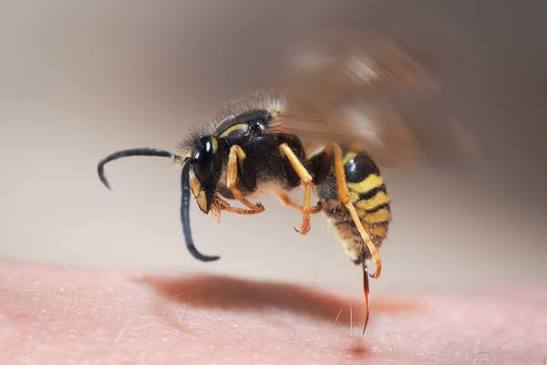
A wasp sting is a defensive weapon, not a hunting tool. Female wasps use a modified egg-laying organ called an ovipositor to deliver venom.
This venom is designed to cause instant, sharp pain. That pain sends a clear message to predators and threats: back off immediately.
Unlike a bee, a wasp’s stinger is smooth, not barbed. This means it can pull the stinger back out and use it again on the same target or a different one.
Are Wasps Naturally Aggressive?
Most wasp species are not naturally aggressive toward humans. They would rather forage for food than waste energy and venom stinging something much larger than themselves.
Aggression only kicks in when a wasp perceives real danger. That perception, though, can be triggered by things you might not even notice.
Do Wasps Sting Without Reason
It can feel like a wasp attacked you out of nowhere, but there is almost always a trigger behind it. You may have walked too close to a hidden nest or made a sudden movement.
Wasps rely heavily on vibration, scent, and movement to detect threats. Something as small as brushing against a bush with a nest inside is enough to set off a defensive response.
The Myth of the “Random” Sting
People often describe wasp stings as random, but researchers point out that wasps act on instinct and threat perception, not malice. What looks random to us is a calculated defensive reaction to them.
Once one wasp stings, it can release an alarm pheromone. This chemical signal calls nearby wasps to join the defense, which is why one sting can quickly turn into several.
Main Causes of Wasp Stings
There are a handful of core reasons wasps resort to stinging. Almost every incident falls into one of these categories.
Defending the Nest
The single biggest cause of wasp stings is nest defense. If you get too close to a nest, whether you can see it or not, wasps will treat you as an intruder.
Nests are often hidden in eaves, wall cavities, shrubs, or underground burrows. Disturbing one, even unintentionally, can trigger a swarm response within seconds.
Feeling Threatened or Provoked
Swatting at a wasp, screaming, or making fast, jerky movements signals danger to it. The wasp’s instinct is to strike first before it becomes prey or gets hurt itself.
Even well-meaning actions, like trying to shoo a wasp away from your food, can be read as an act of aggression by the insect.
Protecting Food Sources
In late summer, wasps become far more food-driven and territorial around sugary or protein-rich food. If they view you as competition for that food, they may sting to defend their claim.
This is especially common around picnics, barbecues, trash cans, and outdoor dining areas.
Accidental Contact
Sometimes a sting is purely accidental. Stepping on a wasp, sitting on one, or having one trapped inside clothing can trigger an instant defensive sting, regardless of intent.
Common Triggers That Make Wasps Sting
Understanding specific triggers helps you avoid unknowingly provoking a wasp. These are the most common behavioral and sensory triggers reported across pest control and entomology sources.
Sudden Movements and Swatting
Flailing your arms or swatting at a wasp is one of the fastest ways to get stung. Panicking and swatting at wasps will agitate them and make them more aggressive.
The safest response is to stay still or move away slowly instead of reacting with panic.
Strong Perfumes and Sweet Scents
Wasps are drawn to strong floral or sugary scents because they resemble food sources. Highly perfumed fragrances, shampoos, and hair sprays can attract wasps and increase the chance of an encounter.
Switching to unscented personal care products during peak wasp season can meaningfully reduce risk.
Bright Colors and Floral Patterns
Wasps have strong visual detection for bright and floral patterns. Wearing light-colored clothing can make you less conspicuous to wasps compared to bright or dark colors.
Bold prints that mimic flowers can unintentionally invite closer investigation from foraging wasps.
Vibrations and Loud Noises
Loud noises, lawn equipment, and vibrations near a nest can be interpreted as an attack. Wasps respond to these disturbances defensively, often swarming out to confront the perceived threat.
Why Wasps Are More Aggressive in Late Summer
If you notice more wasp stings in August and September, you’re not imagining it. Wasps are most active during late summer and early fall when their colonies are at their peak, making them more likely to sting when approached.
Colony life cycles are the real reason behind this shift in behavior.
The Colony Life Cycle Shift
Early in the season, wasps focus on feeding larvae, which secrete a sugary substance that adult wasps rely on. By late summer to early fall, food scarcity makes wasps more aggressive, particularly near human food sources.
As the nest stops producing new larvae, that sugar supply disappears. Worker wasps suddenly need to find sugar elsewhere, which pulls them toward human food and drinks.
Table: Wasp Behavior by Season
| Season | Colony Focus | Sting Risk |
|---|---|---|
| Spring | Nest building, hunting insects | Low |
| Early Summer | Feeding larvae, colony growth | Low to Moderate |
| Late Summer | Food scarcity, sugar-seeking | High |
| Early Fall | Peak aggression, colony decline | Very High |
| Winter | Colony dies off, queens hibernate | Very Low |
How Wasp Stings Differ From Bee Stings
Wasps and bees are often confused, but their stinging behavior is very different. Knowing the difference helps explain why wasps feel more dangerous to many people.
Table: Wasp Sting vs Bee Sting
| Feature | Wasp | Bee |
|---|---|---|
| Stinger type | Smooth, reusable | Barbed, one-time use |
| Can sting multiple times | Yes | No, dies after stinging |
| Leaves stinger behind | No | Yes |
| Venom delivery | Full dose per sting | Limited, stinger detaches |
| Aggression level | Higher, especially in fall | Generally lower |
A wasp’s stinger is designed to be used again and again, unlike a bee’s barbed stinger, which detaches and kills the bee after stinging. This is a core reason wasps are considered more dangerous in group encounters.
What Happens When a Wasp Stings You
When a wasp stings, it injects venom directly into your skin through its ovipositor. This venom is a complex chemical cocktail built to maximize pain and alert nearby threats.
The Role of Venom Chemicals
Wasp venom contains acetylcholine, a chemical that interferes with your nerves and intensifies the pain of the sting. This is part of why wasp stings feel so sharp and immediate.
Wasp venom also contains active amines like serotonin and histamine, along with wasp kinins and histamine-releasing peptides. These compounds work together to trigger inflammation, swelling, and pain at the sting site.
Venom Conservation and Targeting
Wasps can control how much venom they inject and typically save larger doses for bigger perceived threats, including humans. This is why a single wasp sting on a person can feel disproportionately painful.
Wasp Sting Symptoms
Most wasp sting reactions are localized and resolve on their own within a short period. Knowing what’s normal helps you decide when extra care is needed.
Typical Local Reactions
Common symptoms include pain at the sting site, swelling and redness extending outward, itching, warmth, and sometimes hives. These symptoms are your body’s normal inflammatory response to the venom.
Symptoms from a wasp sting typically last one to two hours, though in some cases pain and swelling can take several days to fully subside.
Table: Common Wasp Sting Symptoms
| Symptom | Typical Duration | Concern Level |
|---|---|---|
| Sharp pain | Minutes to hours | Normal |
| Redness and swelling | A few hours to days | Normal |
| Itching | Hours to a day | Normal |
| Large local swelling | 1 to 3 days | Watch closely |
| Hives across the body | Immediate | Seek medical advice |
| Difficulty breathing | Immediate | Emergency |
When Symptoms Are Serious
Severe allergic reactions to wasp stings require immediate medical attention, and prompt treatment is essential for alleviating symptoms and complications. If you notice swelling in the throat or trouble breathing, treat it as an emergency.
How Many Times Can a Wasp Sting You
Unlike bees, wasps do not lose their stinger after use, so they are physically capable of stinging repeatedly. Wasps can sting multiple times without any negative consequence to themselves, apart from the risk of being swatted, though they do eventually run out of venom.
This is one of the most important differences to understand for your own safety around an active nest.
Why Multiple Stings Are More Dangerous
Repeated stings can deliver more venom, which increases the risk of anaphylaxis, particularly for people who are allergic to wasp venom. This is why disturbing a nest is far more dangerous than encountering a single foraging wasp.
Mass envenomation from multiple wasp stings has, in rare documented cases, led to serious complications like rhabdomyolysis due to toxin-mediated cellular damage. This underlines why running from a swarm quickly matters more than trying to fight it off.
How to Prevent Wasp Stings
Prevention comes down to reducing the things that attract wasps and avoiding actions that provoke them. A few simple habits go a long way.
At Home
Seal small gaps around eaves, vents, and rooflines where queens may look to nest in spring. Eaves, attics, sheds, and rodent holes in the ground all make attractive nesting spots for wasps.
Check these areas early in the season before a small nest grows into a large colony.
Outdoors
Keep an eye out for early nest activity around your yard, especially near woodpiles, sheds, and bushes. Spotting the first signs of a nest early, especially under rooflines or in bushes, can prevent a full-blown infestation later in the season.
Avoid trying to remove a nest yourself once it’s established, as this significantly raises your risk of multiple stings.
While Eating and Drinking
Always keep food and drink covered when eating outdoors, and use lidded containers for open cans or bottles to stop wasps from crawling inside. This single habit prevents a large share of accidental sting incidents.
Uncovered garbage cans, compost, and recycling bins with sugary residue can act as wasp magnets near your home. Keeping bins sealed reduces foraging wasp traffic significantly.
Table: Prevention Checklist
| Action | Why It Helps |
|---|---|
| Cover food and drinks outdoors | Stops wasps from investigating or entering containers |
| Avoid sweet perfumes and lotions | Reduces scent-based attraction |
| Wear light, plain-colored clothing | Lowers visual attraction to floral patterns |
| Stay calm around wasps | Prevents provoking a defensive sting |
| Seal small gaps in your home | Blocks queens from nesting in spring |
| Inspect for nests in spring | Stops small nests from becoming large colonies |
What to Do If You Get Stung
If you do get stung, staying calm is the most important first step. Panicking or making sudden movements after a sting can attract other wasps and increase the risk of additional stings.
Move away from the area first, then treat the sting itself.
Immediate First Aid Steps
Wash the sting site with soap and water to lower infection risk. Applying a cold compress or ice pack afterward can help reduce swelling and ease pain, especially after multiple stings.
Over-the-counter painkillers like paracetamol or ibuprofen can help soothe discomfort, and antihistamine tablets may help with itching and swelling.
Table: Wasp Sting First Aid Steps
| Step | Purpose |
|---|---|
| Move away from the area | Prevents further stings |
| Wash with soap and water | Reduces infection risk |
| Apply a cold compress | Eases pain and swelling |
| Take an antihistamine | Reduces itching and swelling |
| Use OTC pain relief | Manages discomfort |
| Monitor for 24 to 48 hours | Watches for delayed reactions |
When to See a Doctor
Most wasp stings do not require medical treatment, but certain situations call for prompt attention. If you have been stung in the mouth, nose, or throat, you should seek medical attention right away.
Widespread hives, dizziness, or swelling far from the sting site are also warning signs.
Emergency Warning Signs
Difficulty breathing, swelling of the face or throat, and a rapid drop in blood pressure point to anaphylaxis. Using an EpiPen if needed and calling emergency services immediately is critical if you’re experiencing anaphylaxis.
Types of Wasps and Their Sting Behavior
Not every wasp species behaves the same way. Some are far more likely to sting than others, so it helps to know what you’re dealing with.
Yellow Jackets
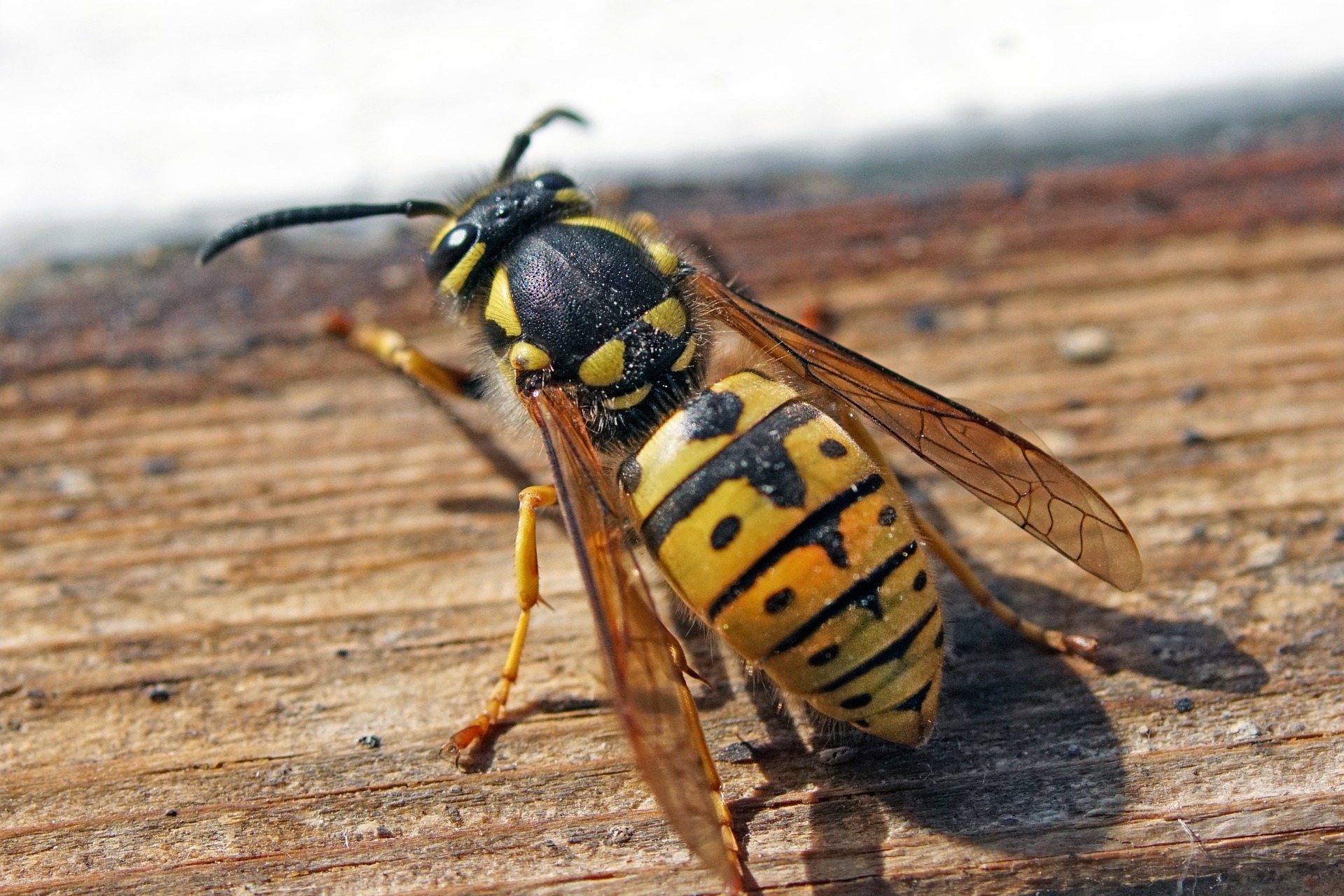
Yellow jackets are among the most aggressive and defensive wasps, especially once food scarcity sets in during late summer. They nest in the ground or in wall voids, which makes accidental disturbance common.
Paper Wasps
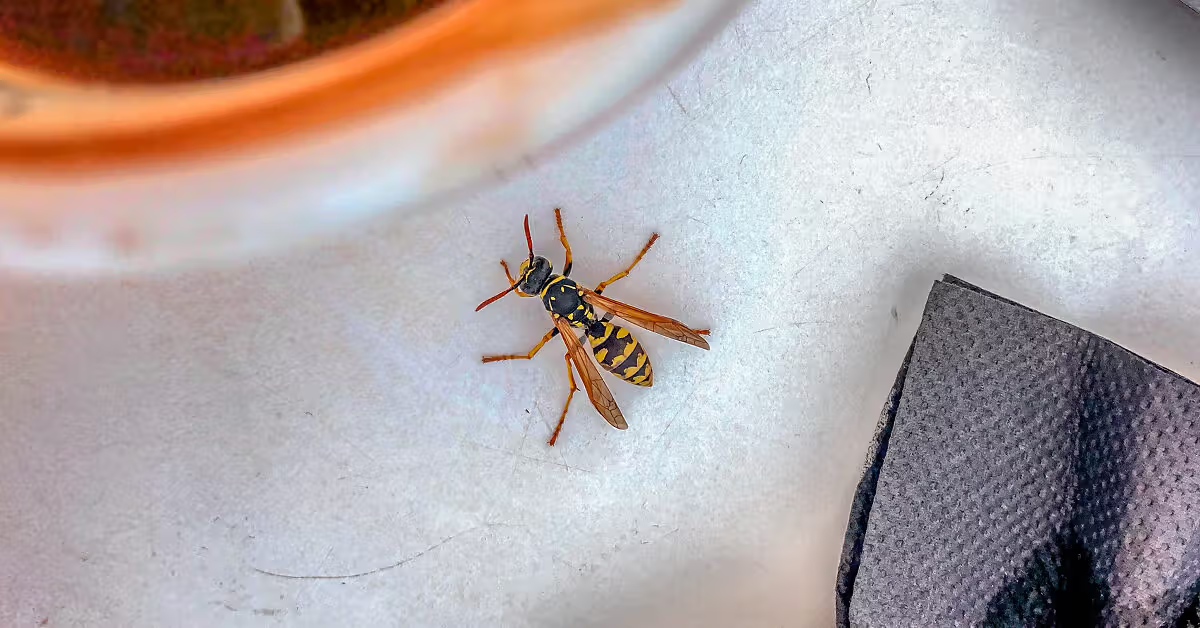
Paper wasps are generally less aggressive than yellow jackets, but their heightened defensiveness during late summer still makes stings possible and painful. Their open, umbrella-shaped nests are often found under eaves and railings.
Bald-Faced Hornets
Bald-faced hornets are also considered highly active and defensive during late summer, alongside yellow jackets. They build large, enclosed paper nests, often high in trees or on structures.
Table: Common Wasp Species and Sting Risk
| Species | Nest Location | Aggression Level |
|---|---|---|
| Yellow Jacket | Ground, wall voids | Very High |
| Paper Wasp | Eaves, railings | Moderate |
| Bald-Faced Hornet | Trees, structures | High |
Common Myths About Wasp Stings
A lot of misinformation circulates about why wasps sting and how dangerous they really are. Clearing these up helps you respond more calmly and safely.
Myth: Wasps Attack Without Any Trigger
This isn’t accurate. Wasps sting primarily for defense, and their behavior is shaped by survival instincts, territoriality, and food-gathering needs, not random aggression.
Myth: All Wasps Die After Stinging
This is only true for honeybees. Wasps don’t lose their stinger when they sting, which is why they can sting multiple times without dying.
Myth: Ignoring a Wasp Always Keeps You Safe
While ignoring wasps can reduce aggression, being too close to their nest can still trigger defensive behavior even without direct provocation. Distance matters just as much as staying calm.
Where Wasp Nests Commonly Hide
Since nest defense is the leading cause of stings, knowing where nests typically form helps you avoid accidental encounters. Regular inspection during spring is your best window of opportunity.
Around the Home
Rooflines, eaves, attics, and sheds are prime real estate for early-season queens. Small gaps and vents offer shelter and protection while a new colony gets established.
In the Yard
Bushes, woodpiles, playground equipment, and garden furniture are common outdoor nesting spots. Underground burrows, often in old rodent holes, are easy to miss until you’re already too close.
Table: Where to Check for Wasp Nests
| Location | Risk Level | Best Time to Inspect |
|---|---|---|
| Roof eaves | High | Early spring |
| Attic vents | High | Early spring |
| Garden sheds | Moderate | Spring and early summer |
| Bushes and hedges | Moderate | Throughout summer |
| Ground burrows | High | Late summer |
Frequently Asked Questions (FAQs)
Why do wasps sting for no reason?
Wasps rarely sting without a trigger, even if the cause isn’t obvious to you. Hidden nests, sudden movements, or strong scents are usually behind it.
Do wasps sting more in late summer?
Yes, wasp aggression rises sharply in August and September. Food scarcity and colony decline push worker wasps toward human food sources.
Can a wasp sting you more than once?
Yes, wasps can sting multiple times in a row. Their smooth stinger doesn’t detach, unlike a bee’s barbed stinger.
Does swatting at a wasp make it more likely to sting?
Yes, swatting signals a direct threat to the wasp. Staying still or slowly walking away is much safer.
What attracts wasps to sting humans?
Strong perfumes, sweet drinks, bright floral clothing, and sudden movements are common attractants. Nest proximity is the biggest overall factor.
Is a wasp sting more painful than a bee sting?
Many people report wasp stings as more intense due to the acetylcholine in wasp venom. Pain levels do vary by species and individual sensitivity.
How long does wasp sting pain usually last?
Typical pain and swelling last one to two hours. In some cases, mild soreness can linger for a few days.
Should I remove the stinger after a wasp sting?
No, wasps almost never leave a stinger behind. If you do see one, gently scrape it away instead of squeezing it.
Are wasp stings dangerous during pregnancy?
A wasp sting itself typically won’t harm an unborn baby. A severe allergic reaction, however, requires urgent medical treatment.
When should I call a professional for a wasp nest?
Call a professional if a nest is large, hidden in a wall, or located near frequently used areas. Late-season nests are especially risky to remove yourself.
Conclusion
So, why do wasps sting? In almost every case, it comes down to defense, not aggression for its own sake. Wasps protect their nest, their food, and themselves whenever they sense a real or perceived threat.
Late summer sharply raises this risk, as colonies decline and worker wasps chase sugar wherever they can find it, including your backyard barbecue. Understanding these triggers, from sudden movements to sweet scents, puts real prevention within your control.
Most stings are painful but manageable at home with basic first aid. Severe reactions are rare but require immediate medical attention, especially with stings near the mouth or throat, or signs of anaphylaxis. Staying calm, covering food outdoors, and avoiding nest disturbances remain your best defense against unwanted wasp encounters in 2026.
