

Why pure barre doesn’t work is the question thousands of women are finally asking out loud after months of faithful attendance with little to show for it.
Pure Barre is one of the most popular barre brands in the world, marketed as the fastest and most effective way to transform your body in just 10 classes.
But the results for many people tell a very different story.
What Is Pure Barre and Why Did It Get So Popular?
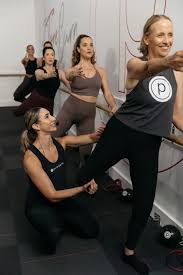
Pure Barre launched in 2001, founded by Carrie Rezabek Dorr. It grew into the largest barre franchise in North America with hundreds of studios.
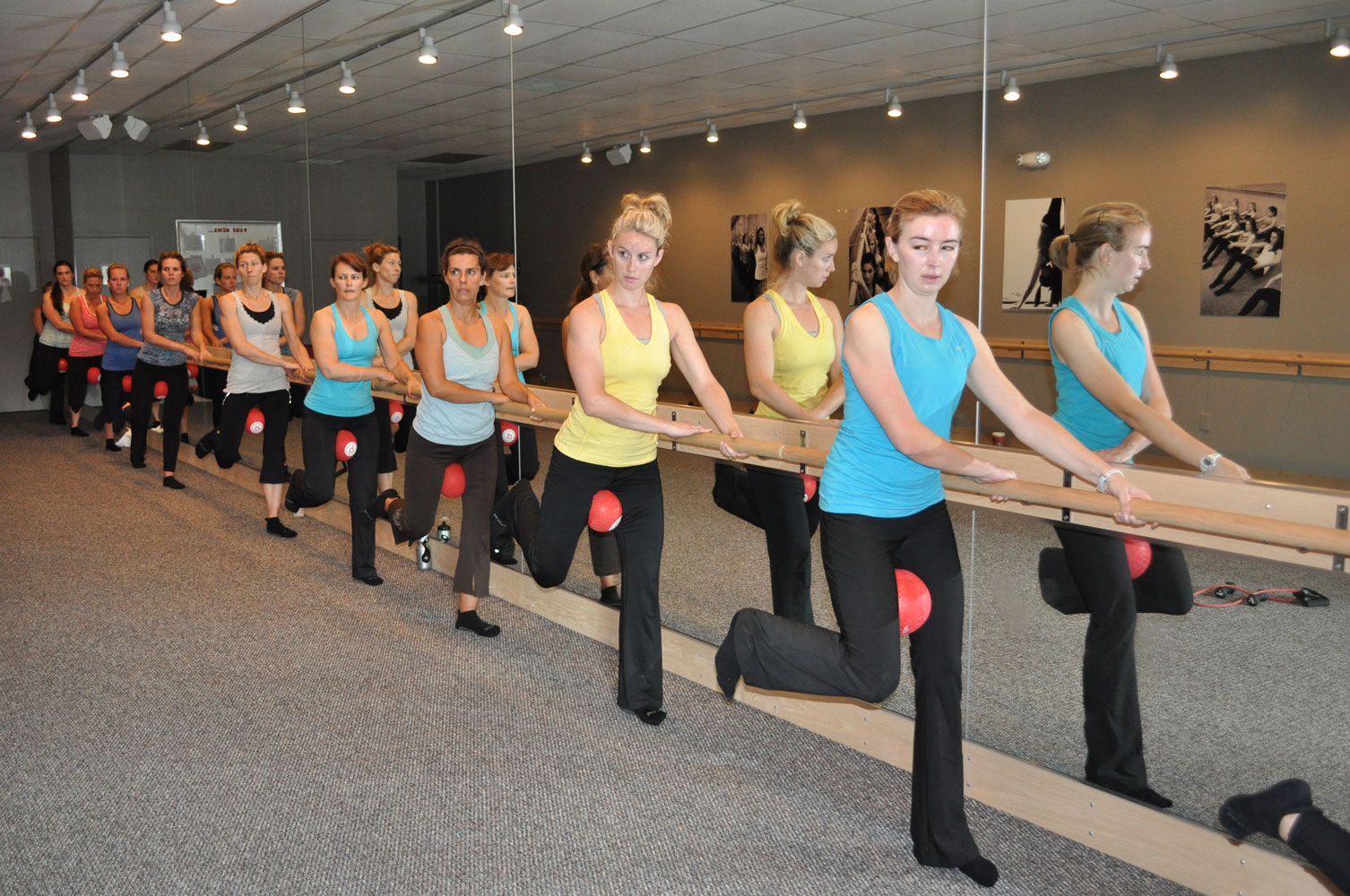
The format blends ballet, Pilates, and light strength training. Classes are 55 minutes and use a ballet barre, light weights (usually 1–2 lbs), and small isometric movements.
The pitch was irresistible — low-impact, joint-friendly, and targeting the areas most women care about: seat, thighs, core, and arms. The marketing promised long lean muscles and a changed body fast.
The Marketing vs. The Reality
Pure Barre’s branding calls it the “fastest, most effective, yet safest way to change your body.” That is an extraordinary claim that does not hold up under exercise science.
No single workout format is the fastest and most effective for everyone. Real fitness results depend on progressive challenge, diet, recovery, and consistency across multiple modalities.
When a studio promises visible results in 10 classes and uses language like “defy gravity” and “taper everything in,” it sets participants up for disappointment if results don’t match expectations.
The Science of Why Pure Barre Doesn’t Work for Many People
Understanding why pure barre doesn’t work starts with basic exercise physiology. The body adapts to any repeated stimulus over time. Once adapted, that stimulus stops producing change.
Pure Barre’s format is largely fixed — the same types of movements, the same light weights, the same tempo and range of motion class after class.
That means your nervous system gets efficient, your muscles stop being challenged in new ways, and progress stalls. This is not a personal failure. It is basic biology.
The Progressive Overload Problem
Progressive overload is the foundational principle of any effective strength training program. It means consistently increasing the demand placed on muscles over time.
Pure Barre Classic uses weights as light as 1–2 lbs. Once your body adapts to that load — which happens quickly for most people — there is no built-in mechanism to significantly increase resistance.
Without progressive overload, muscles stop growing stronger. You maintain what you have, which is not the same as transformation.
| Training Principle | Pure Barre Classic | Traditional Strength Training |
|---|---|---|
| Progressive Overload | Limited (light fixed weights) | Core principle |
| Resistance Range | 1–3 lbs typical | 5–50+ lbs, progressive |
| Muscle Hypertrophy Potential | Low–Moderate | High |
| Cardiovascular Output | Low–Moderate | Varies (can be high) |
| Calorie Burn per Hour | 250–500 | 300–600+ |
| Plateau Risk | High after 4–8 weeks | Low with programming |
Why Your Body Adapts So Quickly to Barre
Beginners shake through every class because the movements are genuinely new to their nervous system. That shaking is not just muscle weakness — it is neuromuscular learning.
After a few weeks, the nervous system figures out the patterns. Movements that once felt impossible start feeling easy. The shaking stops and so do the results.
This is why long-time Pure Barre regulars often glide through class effortlessly while newcomers struggle. The regulars have adapted. Their body no longer has reason to change.
Exercise science consistently shows that hypertrophy and strength gains slow dramatically once the body adapts to a given training stimulus.
The Calorie Burn Reality
A major reason people try Pure Barre is weight loss. But the calorie numbers do not support using it as a primary fat-loss tool.
A typical 55–60 minute Pure Barre class burns roughly 250 to 500 calories. That is comparable to a brisk walk or moderate cycling session.
High-intensity workouts like HIIT or vigorous running can burn 500–700+ calories per hour. The gap matters when fat loss is the goal.
| Workout Type | Avg Calories Burned (60 min) | Intensity Level |
|---|---|---|
| Pure Barre Classic | 250–400 | Low–Moderate |
| Brisk Walking | 200–350 | Low–Moderate |
| HIIT | 500–700 | High |
| Cycling (moderate) | 400–600 | Moderate–High |
| Weight Training | 300–500 | Moderate–High |
| Running (5 mph) | 480–600 | Moderate–High |
Without a calorie deficit — through diet or higher-burn exercise — weight loss will not happen from Pure Barre alone regardless of attendance frequency.
Isometric Training: Great for Endurance, Limited for Fat Loss
Pure Barre is built around isometric contractions — holding positions and making tiny movements under sustained tension. This is genuinely effective for muscular endurance and body awareness.
But isometric training is not the most efficient method for fat loss, cardiovascular fitness, or building meaningful strength over time.
It is a useful tool in a broader program. As a standalone solution for body transformation, it falls short of the marketing claims.
What Happens After Month One
The first four to six weeks of Pure Barre are genuinely effective for most people. The body is adapting, the nervous system is learning, and muscles are responding to new stress.
After that window, the adaptation curve flattens. Results slow, then stop. Many people mistake this plateau for personal failure when it is actually predictable physiology.
Signs your body has adapted and why pure barre doesn’t work anymore for you:
- The same exercises that burned intensely now feel comfortable
- No visible change in body composition despite regular attendance
- Strength has not improved outside the barre context
- You feel bored or unchallenged in class
Two or more of these? It is time to evolve your routine.
The Repetition Problem and Workout Plateau
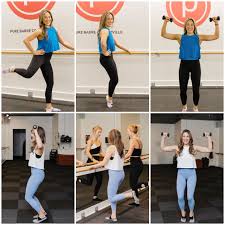
Pure Barre’s format is highly consistent — the same structure every class, even when specific movements vary. Every session follows the same pattern: warm-up, arms, seat, thighs, core, cool-down.
Repetition of the same movement patterns leads to muscle memory, reduced neural demand, and plateau.
Variety in exercise selection, angles, and loading is what continues to stimulate muscle adaptation over months and years. Pure Barre’s format limits this variety by design.
Does Pure Barre Work for Anyone?
Yes — and this is important. Pure Barre absolutely works for specific goals and specific people.
It is genuinely effective for:
- Improving muscular endurance and body awareness
- Building flexibility and range of motion
- Improving posture and core stability
- Providing low-impact movement for people with joint pain or injuries
- Introducing exercise to complete beginners
- Mental benefits similar to yoga — focus, mindfulness, stress reduction
The problem is not that Pure Barre is bad. The problem is the expectation that it will produce dramatic body transformation when that is not what it is scientifically designed to do.
Who Is Most Likely to Be Disappointed by Pure Barre?
Not every person has the same experience and understanding who is likely to struggle helps set realistic expectations.
People focused on fat loss. The calorie burn and metabolic demand are not high enough to drive significant weight loss without dietary changes and additional cardio.
People who already exercise regularly. If you have a fitness base, Pure Barre’s light loads will not be challenging enough to drive adaptation in your muscles.
People expecting muscle building. Hypertrophy requires sufficient resistance. One to two pound weights do not provide that for anyone who has been active for more than a few weeks.
People hoping to replace all other exercise. Pure Barre works best as one component of a varied program, not as a sole fitness method.
The Form Factor: Are You Even Getting the Full Benefit?
Pure Barre requires very specific form to activate the target muscles correctly. Small deviations in positioning significantly reduce effectiveness.
In a large group class, instructors cannot always correct every person individually. Many participants spend months doing the movements incorrectly without realizing it.
Poor form in isometric holds also carries injury risk. Research from IDEA Health and Fitness notes that isometric-heavy barre formats can cause lower back strain, hip joint stress, and dizziness from breath-holding during long holds.
The Nutrition Gap Nobody Talks About
Exercise alone cannot outwork a diet that creates a calorie surplus. Pure Barre classes burn moderate calories, and it is easy to unconsciously eat back those calories without realizing it.
Many participants who do not see results from Pure Barre have not changed their nutrition. The classes feel hard, so the expectation is that the body should change — but without a dietary component, it often will not.
Real body composition change requires both exercise and nutrition working together. Pure Barre’s marketing does not emphasize this enough.
Pure Barre vs. Other Barre Formats
Pure Barre has evolved its class offerings specifically to address some of these limitations. Understanding the differences helps:
| Class Format | Key Feature | Better For |
|---|---|---|
| Pure Barre Classic | Light weights, isometric focus | Beginners, flexibility |
| Pure Barre Define | Heavier weights, more resistance | Strength building |
| Pure Barre Empower | HIIT intervals added | Calorie burn, cardio |
| Pure Barre Align | Yoga-inspired, deep stretching | Recovery, flexibility |
| Pure Barre Reform | Resistance straps added | Progressive resistance |
If you are committed to Pure Barre, rotating through Define, Empower, and Reform formats gives your body more variety and a better chance at continued progress.
What the Science Actually Says About Barre Workouts
Research on barre-style exercise generally supports its benefits for muscular endurance, balance, posture, and flexibility. These are real and meaningful outcomes.
Studies from Auburn University and IDEA Health and Fitness on barre formats consistently find that barre works best for muscular endurance and body awareness but falls short on progressive overload — the key driver of lasting strength and body composition change.
Barre is not a fraud. It is simply overpromised. The evidence supports using it as one tool, not a complete fitness solution.
A Smarter Approach: How to Actually Get Results
If you love Pure Barre but are not seeing results, the solution is not to quit. It is to add complementary training.
Add progressive strength training 2x per week. Compound lifts like squats, deadlifts, and rows with progressively heavier weight build the strength and muscle mass that Pure Barre cannot.
Add cardio for fat loss. Two to three sessions of 20–30 minutes of moderate-to-high intensity cardio accelerates calorie burn and cardiovascular health in ways barre cannot.
Address your nutrition. No workout produces fat loss without a calorie deficit. Tracking food for even two to four weeks creates enormous clarity about what is actually happening.
Rotate Pure Barre class types. Use Define and Empower classes more frequently to avoid full adaptation to the Classic format.
Set realistic expectations. Pure Barre can be a wonderful component of your fitness life. Expecting it to be everything leads to frustration.
Common Myths About Pure Barre Debunked
Myth: Pure Barre creates long lean muscles. Reality: Muscle shape is genetically determined. No workout changes the shape of your muscles — only their size and the amount of fat covering them.
Myth: You will see results in 10 classes. Reality: Ten classes may produce some muscular endurance adaptation, but visible body composition change takes months of consistent varied training combined with nutrition.
Myth: The shaking means it is working. Reality: Shaking indicates neuromuscular fatigue and learning — it is most pronounced when movements are new. Once the shaking stops, the same stimulus is no longer sufficient for continued adaptation.
Myth: Low impact means it is gentle on your body. Reality: Poorly executed isometric holds with bad form can cause real injury, including lower back and hip issues.
Myth: Pure Barre is the only workout you need. Reality: No single workout format covers all elements of fitness: cardiovascular health, progressive strength, mobility, and power all require different training stimuli.
What Real People Say About Why Pure Barre Doesn’t Work
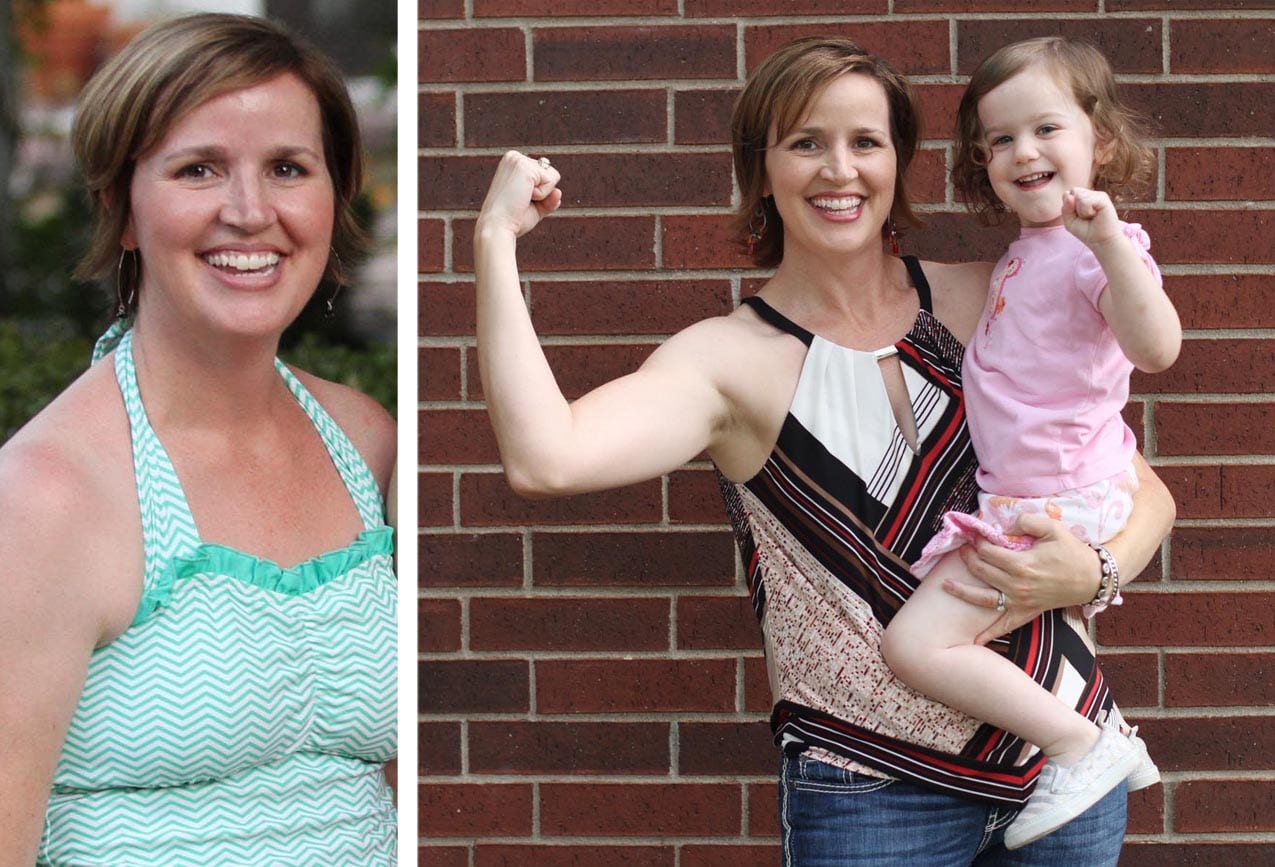
Online forums and fitness communities are full of honest accounts from people who attended Pure Barre faithfully and did not get the results they expected.
Common patterns in these experiences:
- Results visible in the first one to two months, then nothing
- Weight stays the same or increases without dietary changes
- Arms and thighs may not shrink even with consistent attendance
- Some participants actually feel their thighs got larger from the repetitive volume
These are real experiences and they are predictable given the science. They do not mean Pure Barre is worthless — they mean it was oversold.
The Cost Factor
Pure Barre memberships are not cheap. Depending on location, unlimited monthly memberships range from $150 to $250 per month.
For that investment, participants understandably expect significant results. When results do not match cost, frustration is natural.
For a fraction of that cost, a person could access a well-programmed strength training gym membership, online cardio resources, and a nutrition coaching app — a combination with much stronger evidence behind it for body transformation.
Should You Quit Pure Barre?
Not necessarily. If you enjoy it, find community in it, and feel good physically and mentally — those are real and valuable outcomes worth keeping.
The decision to quit should be based on whether it is meeting your actual goals — not just whether you enjoy the atmosphere.
If fat loss, significant strength building, or major body composition change is your goal, Pure Barre alone will not get you there. Adding the right complementary training will.
If flexibility, low-impact movement, stress relief, and moderate toning are your goals, Pure Barre may be perfectly suited to you.
Signs It Is Time to Supplement or Rethink Your Routine
You have been attending Pure Barre for more than eight weeks with no visible change. You are paying $150–$250 per month and feel frustrated. You feel unchallenged by the classes. Your energy, strength, or endurance outside the studio has not improved.
Any of these signals that your body has adapted and needs more varied stimulus to continue changing.
Frequently Asked Questions (FAQs)
Why does Pure Barre not give me results?
Your body adapts quickly to the low-resistance isometric movements. Without progressive overload or dietary changes, results plateau after the first four to eight weeks.
Is Pure Barre enough exercise on its own?
No. Pure Barre alone lacks the progressive resistance for strength building and the intensity for significant fat loss. It works best as one part of a broader fitness routine.
How many calories does Pure Barre burn?
A typical 55–60 minute class burns approximately 250–500 calories — similar to a brisk walk. This is not enough for significant fat loss without dietary changes.
Why am I not losing weight doing Pure Barre?
Weight loss requires a calorie deficit. Pure Barre’s moderate calorie burn combined with unchanged diet usually does not create the deficit needed for fat loss.
Does Pure Barre build muscle?
It builds muscular endurance with light loads. It does not build significant muscle mass (hypertrophy) because the resistance (1–2 lbs) is too light for most people after a few weeks.
Why do I shake at Pure Barre but still not see results?
Shaking signals neuromuscular learning and fatigue — it is most intense when movements are new. Once your nervous system adapts, shaking reduces and so does the training stimulus.
Can Pure Barre make your thighs bigger?
For some body types, the repetitive high-volume thigh work can increase muscular size rather than slim the thighs. Individual response to training varies significantly.
What should I add to Pure Barre to get better results?
Add 2x per week progressive weight training, 2–3 cardio sessions, and a protein-focused diet with a mild calorie deficit for meaningful body composition change.
Is Pure Barre good for beginners?
Yes — for complete beginners, Pure Barre is excellent for building body awareness, muscular endurance, flexibility, and establishing an exercise habit in a supportive environment.
How long does it take to see results from Pure Barre?
Most participants notice some changes in muscular endurance and body awareness within the first four to six weeks. Visible body composition change requires consistent attendance plus nutritional changes over several months.
Conclusion
Why pure barre doesn’t work comes down to one honest truth: it is a genuinely good workout that has been dramatically overpromised.
Pure Barre offers real benefits — flexibility, muscular endurance, improved posture, low-impact movement, and a strong community.
These are meaningful outcomes and should not be dismissed. The failure is not the workout itself. The failure is the gap between what it is marketed to deliver and what exercise science says it can actually produce on its own.
If you are going to Pure Barre expecting rapid body transformation, significant fat loss, or meaningful strength gains from light isometric work alone, you will be disappointed — not because you failed, but because the expectations were never realistic.
Add progressive strength training, increase your cardio, address your nutrition, and use Pure Barre as the flexible, low-impact complement it genuinely excels at being. That combination works.
Pure Barre alone, for most people chasing transformation, simply does not.
