

Why does my gum hurt in one spot? If you are asking this, you are not alone. Localized gum pain is one of the most common dental complaints people search for online.
The discomfort can range from a mild, dull ache to a sharp, throbbing pain that makes eating and talking difficult.
Many causes are easy to fix at home, while others need a dentist’s attention.
What Causes Gum Pain in One Spot?

Gum pain that appears in one specific area almost always has a specific, identifiable cause. The rest of your mouth feels fine, which makes the targeted pain confusing. Below are the most common and clinically documented reasons, explained clearly.
Trapped Food or Debris
This is the single most common cause of sudden, localized gum pain. A small piece of food, a popcorn kernel, a seed, or even a fish bone can wedge itself between your tooth and gumline.
The trapped particle presses against soft tissue and bacteria begin to accumulate around it. Within hours, the area becomes inflamed, tender, and sore.
What to do: Gently floss around the painful spot and rinse with warm salt water. In most cases the pain resolves within 24 hours once the debris is removed.
Early Gingivitis in One Area
Gum disease does not always develop across the entire mouth at once. It can begin in a single location where plaque builds up due to missed brushing or poor flossing technique.
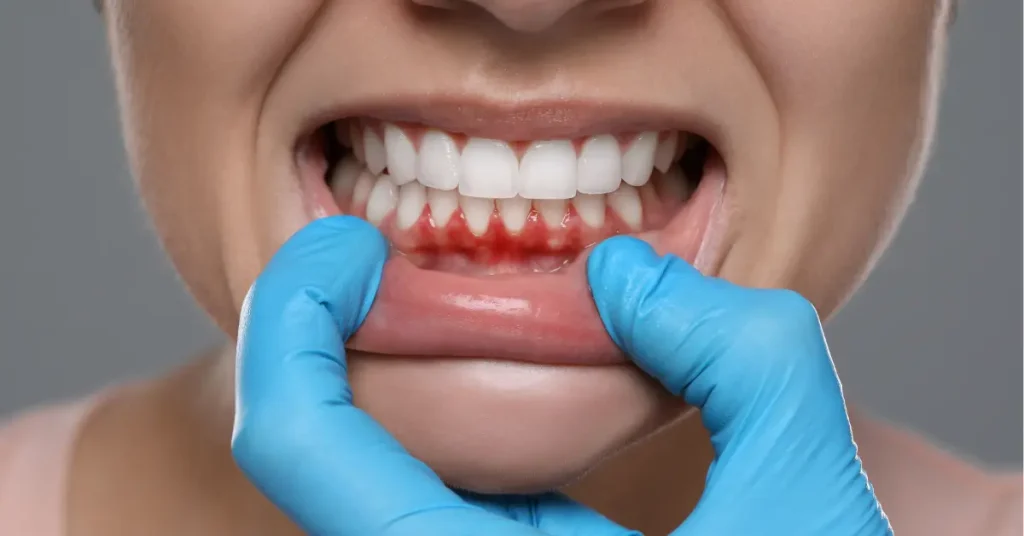
That localized plaque triggers inflammation in just one spot. You may notice the area looks slightly red or puffy and bleeds when you brush. This is an early, treatable stage.
What to do: Improve brushing and flossing specifically around that tooth. Use an antibacterial mouthwash. If the soreness does not improve within a week, book a dental cleaning.
Gum Abscess (Periodontal Abscess)
A gum abscess is a pocket of infection that forms within the gum tissue itself. It causes intense, throbbing pain in one precise location, often accompanied by visible swelling, a bump, or a foul taste in your mouth.
This is one of the more serious causes and cannot be treated at home. The infection can spread to nearby teeth, your jawbone, or even your bloodstream if ignored.
What to do: Contact a dentist immediately. They will drain the abscess, clean the area, and may prescribe antibiotics to eliminate the infection.
Canker Sore on the Gum
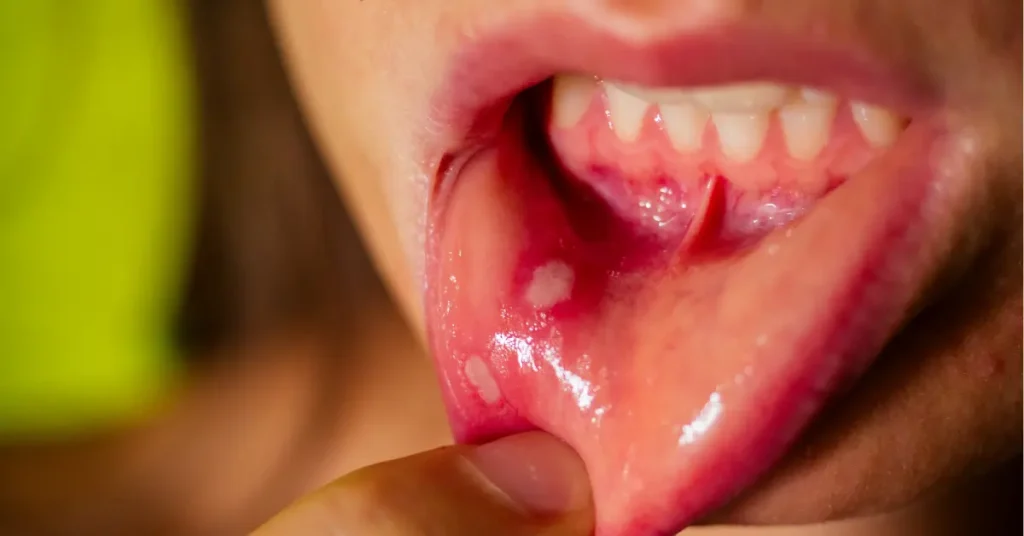
Canker sores (aphthous ulcers) are small, shallow ulcers that can appear on the soft tissue of the gums. They feel like a sharp, stinging pain concentrated in one spot.
They are often triggered by stress, hormonal changes, minor mouth injury, or acidic foods. Canker sores are not contagious and typically heal on their own within 7 to 10 days.
What to do: Avoid spicy or acidic foods. Apply an over-the-counter numbing gel like benzocaine to reduce discomfort. If the sore lasts longer than two weeks, see a dentist to rule out other causes.
Physical Injury or Irritation
Crunchy foods like chips, crackers, or hard bread can scratch the gum surface. Brushing too aggressively or using a hard-bristled toothbrush can bruise or scrape the gum tissue.
The injury may look minor or invisible on the surface, but the tissue underneath can feel quite sore. The pain is often sharp and worsens when touched.
What to do: Switch to a soft-bristled toothbrush and use gentle, circular brushing motions. The area usually heals within 2 to 3 days on its own.
Tooth Abscess (Periapical Abscess)
A tooth abscess originates at the root of the tooth rather than in the gum tissue. Bacteria infect the pulp of the tooth, and pus builds up at the tip of the root.
This can cause severe pain in one spot of the gum, along with jaw pain, swollen lymph nodes, fever, and sensitivity to heat or cold. Root canal therapy or extraction is typically required.
What to do: Do not delay dental care. A tooth abscess is a dental emergency. Pain relievers can temporarily reduce discomfort, but they do not address the infection.
Wisdom Tooth Eruption or Impaction
For teenagers and adults in their late twenties, a common cause of pain in one spot at the back of the mouth is an erupting or impacted wisdom tooth.
When the wisdom tooth cannot emerge properly, the surrounding gum tissue becomes inflamed, red, and tender. This condition, called pericoronitis, can become infected if food and bacteria get trapped under the gum flap covering the tooth.
What to do: Rinse with warm salt water for temporary relief. A dentist will evaluate whether the tooth needs to be monitored, cleaned around, or extracted.
Gum Recession in One Area
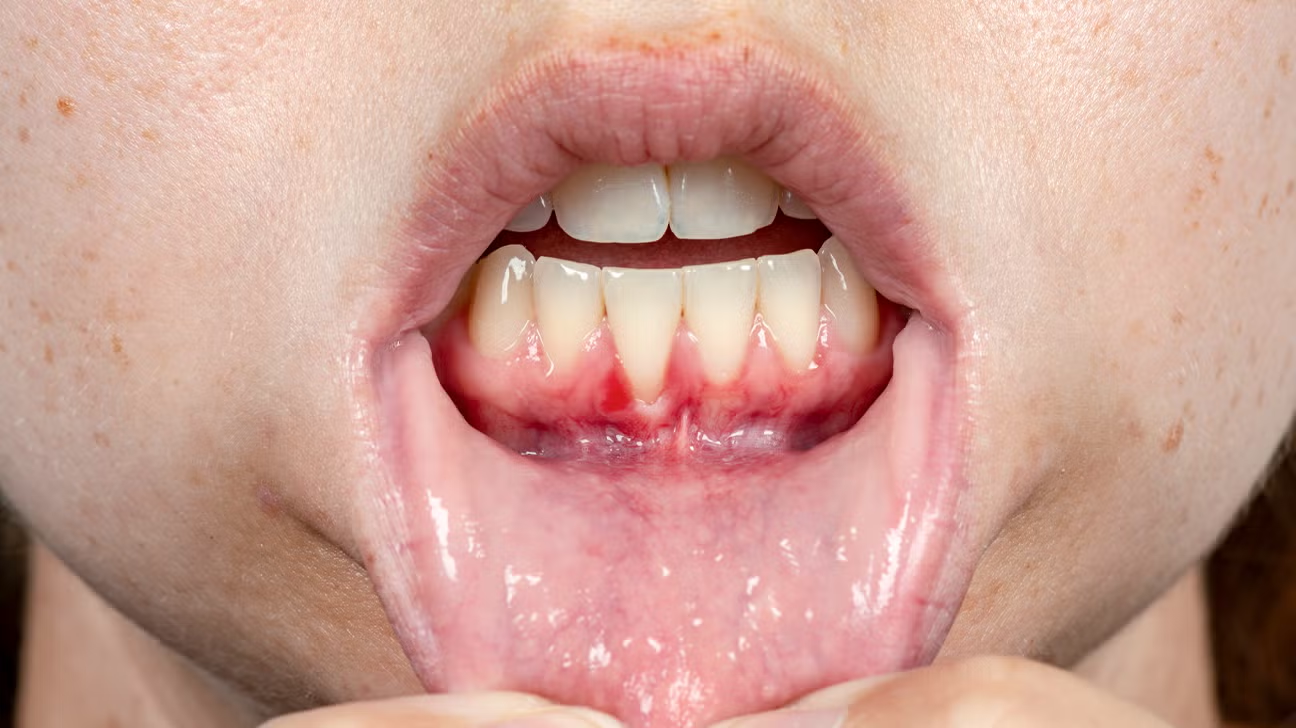
Gum recession can affect a single tooth, exposing the root surface. That exposed area becomes highly sensitive to temperature, sweet foods, and even gentle touch.
The pain from recession feels more like a sharp sensitivity than a dull ache. It is common in areas where brushing has been too aggressive over time.
What to do: Use toothpaste formulated for sensitivity. Avoid brushing with pressure. Your dentist may recommend a gum graft if recession is advanced.
Ill-Fitting Dental Work
A crown, filling, bridge, or brace bracket that does not sit correctly can rub against the gum repeatedly. This chronic irritation creates a sore spot in one specific location.
The pain often worsens after eating and improves when resting. It is usually a dull, achy discomfort rather than a sharp pain.
What to do: Visit the dentist who placed the restoration. They can adjust the fit, polish rough edges, or replace the work if necessary.
Hormonal Changes
Hormonal fluctuations during pregnancy, menstruation, menopause, or puberty can increase gum sensitivity. Blood flow to the gums increases, making them swell and feel sore even in the absence of visible disease.
This is sometimes called pregnancy gingivitis or hormonal gingivitis. It often affects one area more than others depending on existing plaque levels there.
What to do: Maintain strict oral hygiene during hormonal changes. Inform your dentist about any hormonal shifts during regular checkups.
Tobacco Use
Smoking cigarettes or chewing tobacco introduces chemicals that irritate the gum tissue and reduce blood flow. This can cause persistent soreness in one area, particularly where tobacco most frequently contacts the gum.
Tobacco use also masks the early signs of gum disease by suppressing bleeding, making problems harder to detect until they are advanced.
What to do: Quitting tobacco is the most impactful change you can make for your gum health. A dentist can also help treat the damage already done.
Symptoms That Reveal the Cause
Different underlying causes produce different types of pain and associated symptoms. Use this reference table to help identify what might be happening.
| Symptom | Likely Cause |
|---|---|
| Sharp, sudden pain after eating | Trapped food or soft tissue injury |
| Throbbing pain with visible bump or pus | Gum abscess or tooth abscess |
| Small white or yellow ulcer on gum | Canker sore |
| Pain at the very back of the mouth | Wisdom tooth eruption or pericoronitis |
| Bleeding when brushing one area | Gingivitis or early gum disease |
| Sensitivity to hot, cold, or sweet | Gum recession or exposed root |
| Aching under a crown or filling | Ill-fitting dental restoration |
| Sore gums during pregnancy | Hormonal gingivitis |
| Pain that comes and goes for weeks | Infection or periodontitis |
How Serious Is Gum Pain in One Spot?
Not all localized gum pain is a cause for alarm. The level of concern depends on the accompanying signs and how long the pain has been present.
Minor and self-resolving: Pain from trapped food, a canker sore, or a minor injury typically resolves within 1 to 3 days with good oral hygiene and warm salt water rinses. No dental visit is urgently needed.
Moderate and worth monitoring: Pain lasting more than 3 days, mild swelling, or bleeding that does not stop after brushing warrants a dental appointment within a week. Early gum disease and minor infections fall into this category.
Serious and requiring immediate care: Intense, throbbing pain with visible swelling, pus, a bad taste, fever, or difficulty opening your mouth is a dental emergency. This indicates an abscess or spreading infection that needs same-day treatment.
Proven Home Remedies for Gum Pain Relief
These remedies reduce discomfort and support healing for minor causes. They are not a substitute for dental care when infection is involved.
Warm Salt Water Rinse
Mix half a teaspoon of table salt into a glass of warm water. Swish the solution gently around the mouth for 30 seconds and spit it out. Repeat 2 to 3 times daily.
Salt reduces inflammation, draws out minor fluid buildup, and creates an environment that slows bacterial growth. This is the most widely recommended home treatment for localized gum pain.
Cold Compress
Apply an ice pack wrapped in a cloth to the outside of your cheek for 10 to 15 minutes. Do this two to three times in the first 24 hours after an injury or flare-up.
Cold reduces blood flow to the area, which decreases swelling and numbs the immediate pain. Do not apply ice directly to the gum tissue.
Clove Oil
Apply a very small amount of clove oil to a cotton ball and dab it gently on the sore spot for 30 seconds. Clove oil contains eugenol, a natural anesthetic and antimicrobial compound.
If your gums are sensitive, dilute the clove oil with a carrier oil such as coconut oil before applying. Avoid swallowing.
Over-the-Counter Pain Relievers
Ibuprofen or acetaminophen taken as directed on the packaging can reduce gum pain and inflammation effectively. Ibuprofen is preferable when swelling is present because it is an anti-inflammatory.
Do not exceed the recommended dose or use pain medication as a long-term substitute for dental care.
Hydrogen Peroxide Rinse
Mix equal parts 3% hydrogen peroxide and water. Swish gently for 30 seconds and spit out completely. Do not swallow.
This rinse can reduce surface bacteria and help with mild infections. Limit use to once a day and stop if your gums become more irritated.
Turmeric Gel
Apply a small amount of turmeric paste (turmeric powder mixed with water) directly to the sore gum for 10 minutes, then rinse. Curcumin, the active compound in turmeric, has well-documented anti-inflammatory properties.
This remedy is particularly helpful for canker sores and minor gingivitis flare-ups.
When to See a Dentist
Knowing when to stop home treatment and seek professional care is critical for your long-term gum health.
See a dentist if:
- Gum pain in one spot lasts more than 3 days without improvement
- You see a visible bump, boil, or pus on the gum
- The area is significantly swollen or warm to touch
- You develop a fever or swollen lymph nodes in the neck or jaw
- You notice a persistent bad taste or smell in the mouth
- Pain is waking you up at night
- You have difficulty chewing, swallowing, or opening your mouth
Any of the above signs indicate that home remedies are not sufficient and professional treatment is needed promptly.
What a Dentist Will Do
Understanding the diagnostic process helps reduce anxiety about the visit. Here is what a dentist typically does when you present with localized gum pain.
Clinical Examination
The dentist visually inspects the sore area, checking for redness, swelling, ulcers, or pus. They will gently probe around the tooth to assess gum pocket depth and look for signs of infection.
They will also check for any obvious food debris, damaged dental work, or signs of an erupting tooth that may be causing the pain.
X-Rays
X-rays reveal what cannot be seen during a visual exam. They show bone levels around the tooth, the position of wisdom teeth, abscesses at the tooth root, and any underlying decay.
This step is especially important when the external gum looks relatively normal but pain persists.
Treatment Options Based on Diagnosis
| Diagnosis | Typical Treatment |
|---|---|
| Trapped food / debris | Professional cleaning and irrigation |
| Gingivitis in one area | Scaling and improved home hygiene |
| Gum abscess | Drainage, irrigation, antibiotics |
| Tooth abscess | Root canal treatment or extraction |
| Canker sore | Topical treatment, dietary advice |
| Wisdom tooth pain | Monitoring, cleaning, or extraction |
| Ill-fitting restoration | Adjustment, polishing, or replacement |
| Gum recession | Sensitivity treatment or gum graft |
How to Prevent Gum Pain in One Spot
Prevention is far easier than treatment. These habits reduce the risk of developing localized gum problems significantly.
Brush Correctly, Not Forcefully
Use a soft-bristled toothbrush and hold it at a 45-degree angle to the gumline. Apply only light pressure and use small, circular strokes rather than horizontal scrubbing.
Aggressive brushing is one of the most common causes of gum trauma and recession. The goal is to clean, not scour.
Floss Every Single Day
Flossing removes debris and plaque from the spaces between teeth and just below the gumline that a toothbrush cannot reach. Use an 18-inch piece of floss and curve it gently around each tooth in a C shape.
Skipping floss leaves food and bacteria in the very spots most likely to cause localized gum pain.
Use an Antibacterial Mouthwash
Rinsing with an alcohol-free, antibacterial mouthwash once daily reduces the bacterial load in the mouth. This lowers the risk of both gingivitis and abscess formation.
Look for products containing chlorhexidine (prescription) or cetylpyridinium chloride (over-the-counter) for maximum effectiveness.
Attend Regular Dental Checkups
Professional cleanings every 6 months remove hardened tartar that home brushing cannot address. Your dentist can also identify early signs of gum disease before they become painful.
Many gum infections and abscesses could be prevented entirely with consistent professional care.
Eat a Gum-Friendly Diet
Reduce sugar and acidic foods that feed harmful oral bacteria. Drink plenty of water to prevent dry mouth, which accelerates plaque formation.
Crunchy fruits and vegetables like apples and carrots can help clean tooth surfaces naturally and stimulate healthy gum tissue.
Gum Pain in One Spot During Pregnancy
Pregnancy increases the risk of gum inflammation significantly due to hormonal shifts that increase blood flow and sensitivity in the gum tissue. This condition is common and known as pregnancy gingivitis.
It can appear in one spot or across multiple areas. Swollen, tender, or bleeding gums during pregnancy should always be reported to both your dentist and OB-GYN.
Maintaining thorough oral hygiene and attending dental cleanings during pregnancy is completely safe and strongly recommended.
Gum Pain in Children
Children can also experience gum pain in one spot, most often from trapped food, a canker sore, or an erupting tooth. In younger children, primary (baby) teeth eruption can cause localized gum soreness.
In teenagers, wisdom teeth often begin to emerge and cause pain at the very back of the lower or upper jaw. If a child complains of persistent gum soreness in one place, a pediatric dental visit is appropriate.
Frequently Asked Questions (FAQs)
Why does my gum hurt in one spot but look normal?
The tissue underneath the surface can be inflamed even when the outside looks fine. This often indicates trapped debris, an early abscess, or a mild injury that has not yet caused visible redness.
Can stress cause my gum to hurt in one spot?
Yes, indirectly. Stress weakens the immune system and can trigger canker sores, as well as lead to teeth grinding and poor oral hygiene habits that all contribute to localized gum pain.
How long should gum pain in one spot last?
Minor pain from food debris or a small injury should resolve within 1 to 2 days. Pain lasting more than 3 days without improvement is a sign that a dentist should be consulted.
Is it safe to brush a sore spot on the gum?
Yes, continue brushing gently with a soft-bristled toothbrush. Stopping altogether allows more plaque to accumulate, which can make the problem worse. Just reduce pressure in that specific area.
Can a cavity cause gum pain in one spot?
Yes. A cavity that has progressed deep into the tooth can cause inflammation that radiates into the surrounding gum tissue. An X-ray from your dentist will reveal decay that may not be visible during a visual exam.
What does a gum abscess feel like compared to a canker sore?
A gum abscess tends to feel like a deep, throbbing, constant pain with possible swelling and a bump. A canker sore feels like a sharp, surface-level stinging that is most painful when touched or when eating acidic foods.
Should I pop a bump on my gum?
No. Never try to pop or squeeze a bump on your gum. Doing so can spread bacteria deeper into the tissue. Contact a dentist who will drain it safely under controlled conditions.
Can hormones cause gum pain in one spot?
Yes. Hormonal shifts during pregnancy, menstruation, puberty, and menopause increase blood flow and sensitivity in the gums, causing soreness that can appear in one location where plaque is already present.
Why does my gum hurt in one spot after eating?
This is most often caused by trapped food debris wedged between the gum and tooth. Sharp or hard foods can also scratch the gum tissue during chewing, causing temporary soreness after meals.
When is gum pain in one spot a dental emergency?
It becomes an emergency when you experience intense, throbbing pain alongside swelling, pus, fever, swollen lymph nodes, or difficulty opening your mouth. These are signs of spreading infection that require same-day dental care.
Conclusion
Why does my gum hurt in one spot? As this guide shows, the causes range from simple and self-resolving to serious infections requiring professional intervention.
The most common culprits are trapped food debris, early gingivitis, canker sores, gum abscesses, physical injury, and wisdom tooth eruption.
In most cases, a warm salt water rinse, gentle brushing, and good flossing habits will resolve mild discomfort within a couple of days.
However, pain that persists beyond 3 days, worsens, or comes with swelling, pus, or fever should never be ignored.
Early dental treatment is always faster, cheaper, and less painful than waiting for a problem to escalate.
Take localized gum pain seriously, act promptly, and your oral health will be far better for it.
