

Why do cats pupils get big is one of the most common questions cat owners ask — and the answer is more fascinating than you think.
Your cat’s pupils are not just reacting to light. They reveal emotions, health status, and instincts all at once.
From dark rooms to full-blown fear mode, those wide black circles tell a whole story.
Understanding feline eye dilation helps you read your cat better and catch health problems early.
What Are Cat Pupils and How Do They Work?
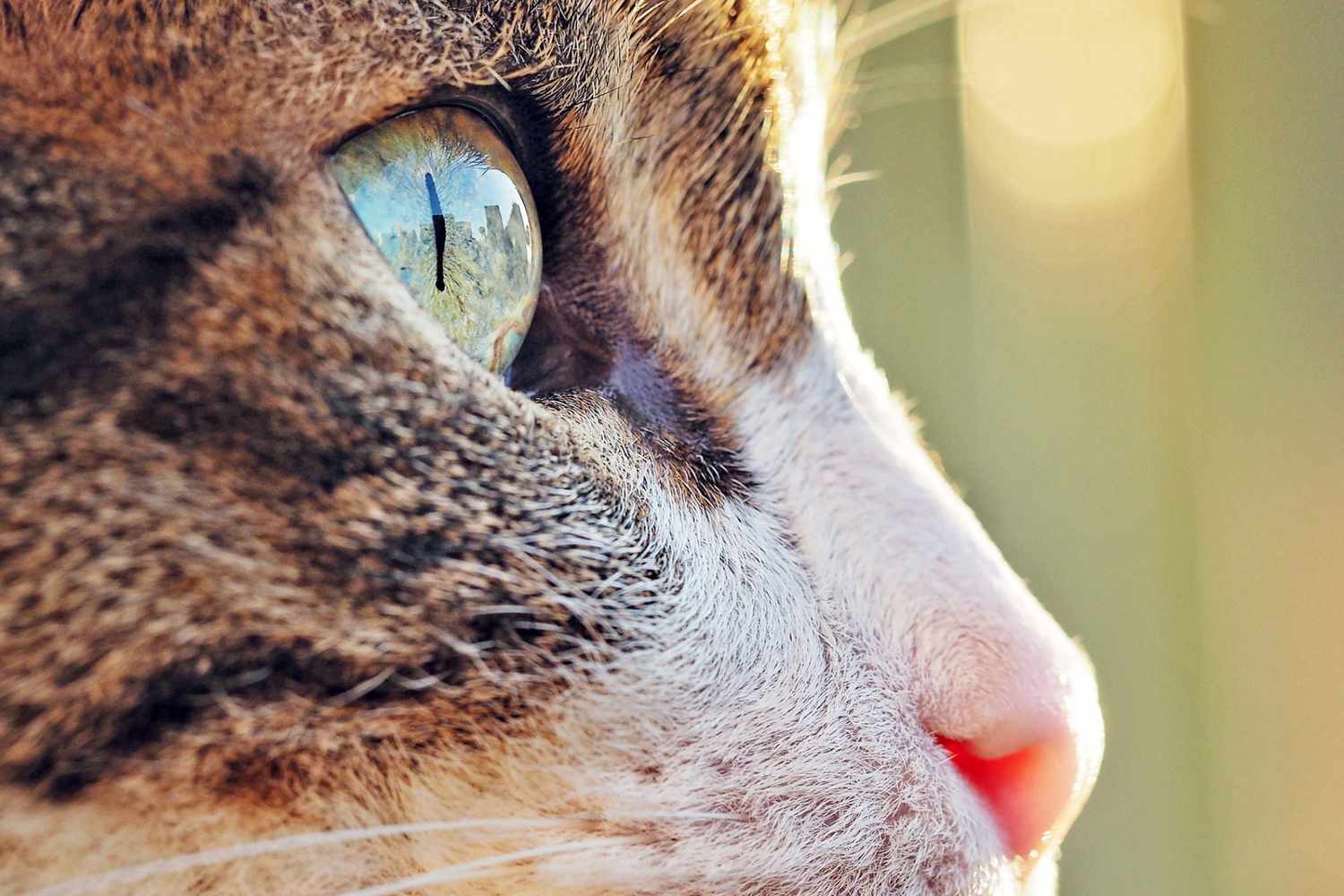
The pupil is the dark circular opening in the center of your cat’s eye. It controls how much light reaches the retina.
Cat pupils are unique. Unlike humans who have round pupils, cats have vertical slit-shaped pupils that can open into full, wide circles.
This design gives cats incredible control over light intake — far more precise than human eyes.
The Anatomy Behind Feline Pupil Dilation
The iris (the colored ring around the pupil) contains muscles that expand and contract the pupil. When these muscles relax, the pupil dilates — gets bigger.
When the muscles tighten, the pupil constricts into a thin slit. This happens fast, in a fraction of a second.
Cats can dilate their pupils up to 135 times the size of their smallest constricted state — a range far greater than humans.
| Pupil State | Appearance | Common Cause |
|---|---|---|
| Narrow slit | Thin vertical line | Bright light, calm mood |
| Mid-dilation | Oval or almond shape | Normal indoor light |
| Fully dilated | Large round circle | Darkness, excitement, fear, illness |
Cause 1 — Low Light and Darkness
The most common reason why cats pupils get big is simply low light. This is basic biology.
In dim or dark environments, the pupil expands to allow maximum light into the eye. More light means better vision.
Cats are crepuscular — most active at dawn and dusk. Their eyes are built to handle low-light conditions far better than ours.
How Much Better Can Cats See in the Dark?
Cats have a reflective layer behind their retina called the tapetum lucidum. This bounces light back through the retina a second time, effectively doubling light use.
Their retinas also have six to eight times more rod cells than humans. Rods detect light and movement in low-light settings.
Big pupils plus the tapetum lucidum equals near-perfect night vision. If your cat’s pupils are huge at night, that’s completely normal and healthy.
Cause 2 — Excitement and Play Mode
Have you ever watched your cat get ready to pounce on a toy? Those pupils go wide almost instantly.
When cats enter “hunt mode,” their nervous system triggers a rush of adrenaline. This causes rapid pupil dilation.
Big pupils during play help cats track fast-moving objects better. It’s the same biological response predators use in the wild.
Signs Your Cat Is in Play Excitement Mode
Your cat will usually combine dilated pupils with other signals — crouching low, tail flicking, ears forward, and intense staring at the target.
If you see huge pupils paired with a playful posture, your cat is happy and engaged. No cause for worry here at all.
This is one of the most fun causes of dilated cat eyes. Enjoy the zoomies.
Cause 3 — Fear and Stress
Fear is a powerful trigger for pupil dilation in cats. When a cat is scared, their “fight or flight” response kicks in hard.
Adrenaline floods the body. The pupils expand rapidly to take in as much visual information as possible — scanning for danger.
Common fear triggers include loud noises, unfamiliar visitors, car rides, new pets, or changes in the home environment.
How to Tell Fear Dilation from Excitement Dilation
The body language tells the difference clearly.
A fearful cat will show dilated pupils along with flattened ears, a puffed tail, arched back, crouching, or hiding behavior.
An excited cat shows dilated pupils with an alert, forward posture and active movement. Context is everything.
| Body Language Signal | Excitement | Fear |
|---|---|---|
| Ears | Forward, upright | Flat or pinned back |
| Tail | Upright or flicking | Puffed, tucked, or lashing |
| Body posture | Crouching to pounce | Cowering or stiff |
| Pupils | Dilated | Dilated |
| Vocalization | Silent or chirping | Hissing, growling |
Cause 4 — Aggression
Aggression also triggers dilated pupils in cats, though it can look different from fear.
An aggressive cat is preparing for confrontation. The nervous system response is similar to fear — adrenaline, widened pupils, heightened senses.
You may notice dilated pupils just before a cat swipes, bites, or attacks. This is a warning signal you should not ignore.
What to Do if Your Cat Shows Aggression Dilation
Give the cat space immediately. Do not attempt to pick them up or comfort them with touch.
Remove any triggers from the environment — other animals, strangers, or stressful stimuli. Let the cat calm down on their own terms.
Repeated aggression paired with dilated eyes may warrant a vet visit to rule out pain-related causes.
Cause 5 — Medication and Toxin Exposure
Certain medications and household toxins can cause cat pupils to dilate abnormally.
Drugs like atropine (used in some eye drops) are known to cause pupil dilation as a direct side effect.
Toxic plants, pesticides, and some human medications accidentally ingested by cats can also cause sudden and persistent dilation.
Common Toxins That Cause Dilated Cat Pupils
| Substance | Effect on Pupils |
|---|---|
| Atropine eye drops | Causes temporary dilation |
| Certain antiparasitic drugs | Can cause neurological symptoms including dilation |
| Toxic plants (e.g., Sago Palm, Lily) | Causes wide dilation and neurological signs |
| Permethrin (flea products for dogs) | Toxic to cats — causes tremors and dilated pupils |
| Opioids or sedatives | May cause abnormal pupil responses |
If you suspect toxin exposure, treat it as an emergency. Contact your vet or animal poison control immediately.
Cause 6 — Pain or Discomfort
Cats in pain often show dilated pupils as a physiological response. Pain activates the nervous system in ways that widen the pupils.
This is one of the sneakier signs owners miss. Cats are experts at hiding discomfort, but their eyes can give them away.
Dental pain, arthritis, internal injuries, and post-surgical pain can all trigger noticeable dilation.
Other Signs of Pain to Watch For Alongside Dilated Pupils
Look for changes in appetite, unusual hiding behavior, reduced grooming, or reluctance to be touched in certain areas.
A cat that suddenly stops jumping or reacts negatively to handling in the back or sides may be dealing with pain.
Pairing dilated pupils with these other signs is enough reason to schedule a vet appointment promptly.
Cause 7 — Underlying Medical Conditions
This is the most serious category. Several medical conditions directly cause persistent or asymmetric pupil dilation.
If your cat’s pupils are always dilated, dilated in only one eye, or not responding to light changes at all — a medical cause is likely.
Prompt veterinary evaluation is essential in these cases. Early detection makes a significant difference in outcomes.
Medical Conditions That Cause Big Pupils in Cats
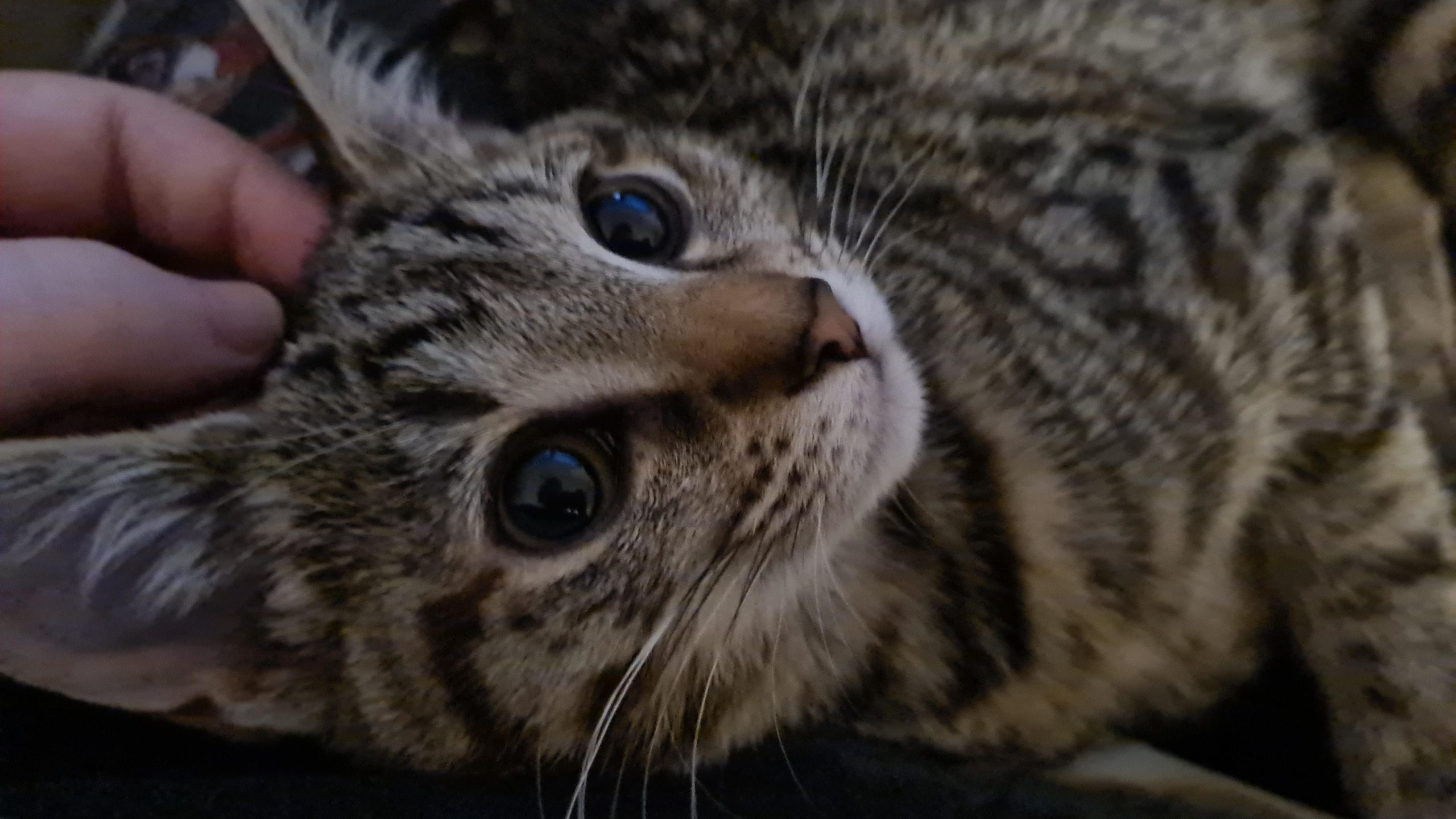
Hypertension (High Blood Pressure)
High blood pressure is one of the most common medical causes of dilated pupils in cats — especially in older cats.
It is often secondary to kidney disease or hyperthyroidism. The pressure damages blood vessels inside the eye.
Cats with hypertension can experience sudden blindness. The pupils will appear permanently dilated and may not react to light.
Hyperthyroidism
An overactive thyroid gland produces excessive thyroid hormone, which elevates blood pressure and causes widespread body effects.
Dilated pupils are a frequent sign, along with weight loss despite increased appetite, hyperactivity, and a poor coat.
This condition is very common in cats over 10 years old. It is manageable with medication, surgery, or radioactive iodine treatment.
Glaucoma
Glaucoma is increased pressure inside the eyeball. It stretches and distorts the structures of the eye.
The pupil in a glaucomatous eye is often wide, fixed, and non-reactive to light. The eye may also appear cloudy or enlarged.
Glaucoma is extremely painful and can cause permanent blindness if not treated quickly.
Retinal Detachment
The retina can detach due to trauma, hypertension, or inflammation. When it detaches, visual function drops dramatically.
Dilated, non-reactive pupils are a key sign of retinal detachment. You may also notice the cat bumping into things.
Emergency treatment gives the best chance of saving vision. Do not delay if you notice sudden vision loss alongside dilated eyes.
Progressive Retinal Atrophy (PRA)
PRA is a degenerative condition where the retinal cells gradually break down over time.
The pupils dilate increasingly as the retina loses its ability to detect light. Night blindness comes first, followed by full blindness.
There is no treatment for PRA currently, but affected cats can adapt well with a stable home environment.
Iris Atrophy
Iris atrophy is thinning of the iris tissue, usually in older cats. The iris can no longer fully constrict the pupil.
This causes permanently enlarged pupils even in bright light. It looks alarming but is usually not painful or dangerous.
You may notice what looks like holes in the iris or an irregular pupil shape. A vet can confirm the diagnosis easily.
Dysautonomia (Key-Gaskell Syndrome)
Dysautonomia is a rare neurological disorder that affects the autonomic nervous system. It disrupts the automatic body functions, including pupil control.
Both pupils become large and unresponsive to light. Other signs include dry eyes, difficulty swallowing, and constipation.
This condition is serious and requires intensive veterinary management.
Anisocoria — When Only One Pupil Is Big
Anisocoria means the two pupils are unequal in size. One is large, the other is normal or small.
This is always a red flag and should never be ignored. It points to a one-sided neurological or eye problem.
Causes of anisocoria in cats include Horner’s syndrome, brain tumors, trauma, anterior uveitis, or retinal disease affecting only one eye.
When to Treat Anisocoria as an Emergency
If anisocoria appears suddenly — especially paired with head tilt, stumbling, seizures, or any neurological signs — go to an emergency vet right away.
This can indicate a stroke, brain lesion, or rapidly progressing eye disease that needs immediate intervention.
Do not wait and watch with anisocoria. It is not something that resolves on its own safely.
Normal vs. Abnormal Pupil Dilation — A Quick Reference
| Situation | Dilation Type | Action Needed |
|---|---|---|
| Low light or darkness | Normal, both eyes | None |
| Playing with a toy | Normal, both eyes | None |
| Startled by loud noise | Normal, brief | None |
| Meeting a new pet | Normal, both eyes | Monitor |
| Constant dilation in bright light | Abnormal | Vet visit |
| One pupil larger than the other | Abnormal | Vet visit urgently |
| Pupils not responding to light | Abnormal | Emergency vet |
| Dilation with vision loss signs | Abnormal | Emergency vet |
| Dilation with other illness signs | Abnormal | Vet visit promptly |
When Should You Call the Vet?
Not every case of dilated cat pupils needs a vet call. But some absolutely do.
Contact your vet promptly if dilation is persistent, asymmetric, or accompanied by other symptoms like lethargy, vomiting, loss of appetite, or stumbling.
Go to an emergency vet immediately if your cat seems to have lost vision, is disoriented, or has pupils that are fully unresponsive to a flashlight test.
The Flashlight Test at Home
You can do a quick at-home check. In a moderately lit room, gently shine a small flashlight near your cat’s eyes (not directly into them).
Normal pupils should constrict — get smaller — when light is added. Both pupils should respond equally.
If there is no response in one or both eyes, or one eye responds much slower than the other, contact your vet.
How Vets Diagnose the Cause of Dilated Pupils
A veterinarian will begin with a full physical exam and detailed history. They will ask about when it started, how long it lasts, and any other signs you’ve noticed.
Eye-specific tests include checking intraocular pressure (for glaucoma), retinal examination with an ophthalmoscope, and testing pupillary light reflex.
Blood pressure measurement is standard for older cats. Blood panels will check thyroid levels, kidney function, and general health.
What to Bring to Your Vet Appointment
Write down when you first noticed the dilation, how frequently it occurs, and any behavior changes alongside it.
If you have photos or a short video showing the dilated pupils — especially in normal indoor lighting — bring those too.
The more specific information you can provide, the faster your vet can pinpoint the cause.
Cat Eye Color and Pupil Behavior — Is There a Connection?
Cat eye color does not affect how pupils dilate. The dilation mechanism is the same regardless of whether eyes are blue, green, gold, or copper.
However, cats with lighter-colored irises may show dilation more noticeably, simply because the contrast between the iris and the black pupil is higher.
Albino cats or cats with very light eyes have reduced iris pigmentation and may appear to have naturally wider pupils in many lighting conditions.
Age and Pupil Dilation in Cats
Kittens and young cats often have bigger, more reactive pupils than adult cats. Their nervous systems are highly stimulated during play and exploration.
Senior cats are more likely to develop medical causes of dilation — particularly hypertension, hyperthyroidism, and iris atrophy.
If your cat is over 10 years old and you notice a change in their normal pupil behavior, a senior wellness exam is a smart move.
How to Keep Your Cat’s Eyes Healthy
Regular vet checkups are the single best way to catch eye problems early. Annual exams for adult cats, biannual for seniors.
Avoid exposing your cat to harsh chemicals, smoke, or products labeled for dogs (especially flea treatments containing permethrin).
Keep the area around your cat’s eyes clean. Gently wipe away discharge with a damp, soft cloth.
Daily Eye Health Habits
Watch your cat’s eyes during normal daily interactions. Get to know what their pupils typically look like in different lighting.
Any sudden change in pupil size, shape, or reactivity is worth noting. Familiar is your baseline — departure from familiar is your signal to act.
A healthy cat’s eyes should be bright, clear, and responsive. Film or cloudiness, squinting, or excessive tearing should also prompt a vet visit.
The Role of Emotions in Feline Eye Dilation — Beyond Just Vision
Cats use their eyes as a rich communication tool. Big pupils are not just about seeing — they are about feeling.
Research in animal behavior suggests that cats can intentionally use slow blinks and eye softening to communicate trust and affection. Dilation, in contrast, often signals arousal of some kind — good or bad.
Learning to read pupil size alongside tail position, ear orientation, and body posture gives you a complete picture of your cat’s emotional state.
What Big Pupils Combined With a Slow Blink Mean
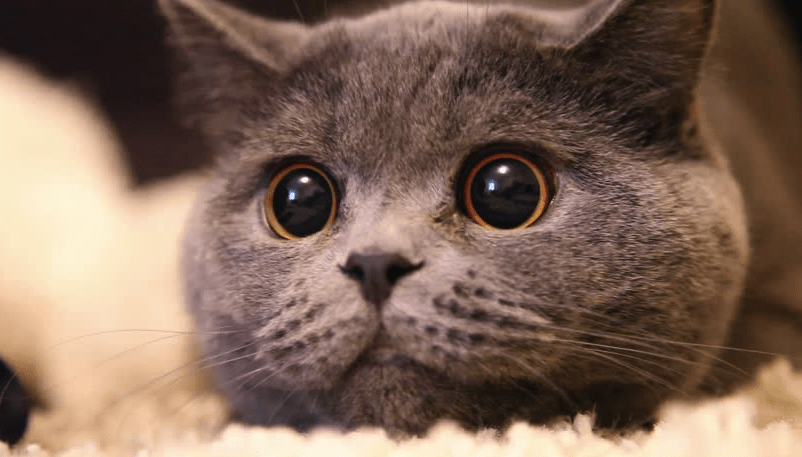
This combination — wide pupils with slow blinking — is interesting and somewhat contradictory.
It may indicate a cat that is emotionally engaged but also trying to signal non-aggression. Think of a cat that is excited to see you but wants you to know they’re friendly about it.
Always read the full body language picture, not just the eyes in isolation.
Frequently Asked Questions (FAQs)
Why do cats pupils get big in the dark?
In dim light, the pupil expands to let more light reach the retina, improving night vision. This is a completely normal reflex that cannot be voluntarily controlled.
Is it normal for cats pupils to be big all the time?
No. Constantly dilated pupils — especially in bright light — can indicate a medical condition like hypertension, glaucoma, or hyperthyroidism. See a vet.
What does it mean when a cat has one big pupil and one small pupil?
This is called anisocoria and is always abnormal. It can signal Horner’s syndrome, brain injury, or eye disease. Seek veterinary care promptly.
Why are my cat’s eyes dilated and they are acting weird?
Sudden dilation paired with disorientation, stumbling, or strange behavior can indicate a neurological event or toxin exposure. This is an emergency — go to a vet immediately.
Do cats pupils get big when they are happy?
Yes. Cats in play mode or excited to see you can show dilated pupils. Look for relaxed body language and playful behavior as confirmation that it’s a happy response.
Why do cats pupils get big when they see you?
It could be excitement and affection, especially if paired with a relaxed body and a slow blink. Some cats show pupil dilation when greeting their favorite humans.
Can stress cause dilated pupils in cats?
Absolutely. Fear and stress activate the fight-or-flight response, which floods the body with adrenaline and causes rapid, wide pupil dilation.
What toxins cause dilated cat pupils?
Lily plants, permethrin (found in dog flea products), and some human medications can cause toxic dilation. Treat any suspected poisoning as an emergency.
Do dilated cat pupils mean they are about to attack?
Dilated pupils paired with a stiff body, flat ears, and a puffed tail suggest an aggressive or highly fearful cat. Give them space and remove any triggers.
At what age do cats start getting dilated pupils from medical conditions?
Medical causes like hypertension and hyperthyroidism are most common in cats over 8 to 10 years old. Senior cats with persistent dilation should have a full wellness exam.
Conclusion
Why do cats pupils get big comes down to one of two broad categories — normal biological responses or medical concerns that need attention.
Low light, excitement, fear, and play are all natural causes that come and go without harm.
However, persistent dilation, unequal pupils, or dilation in bright light are signs your cat’s body is sending an important message.
The more you understand your cat’s eye language, the faster you can respond when something is off.
Regular vet checkups, knowing your cat’s normal baseline, and watching for accompanying symptoms are your best tools.
Your cat’s eyes are an incredibly expressive window into their health and mood — pay attention to what they are telling you.
When in doubt, always check with your veterinarian. Early action saves vision and saves lives.
