

Why Does the Roof of My Mouth Hurt When I Swallow? you are not alone — this is one of the most searched oral health complaints in 2026.
The pain can range from a mild sting to a sharp, burning sensation that makes eating or drinking feel impossible.
It may hit the front bony area (hard palate) or the soft tissue at the back (soft palate).
Understanding the exact cause is the first step to fast relief.
Why Does the Roof of My Mouth Hurt When I Swallow
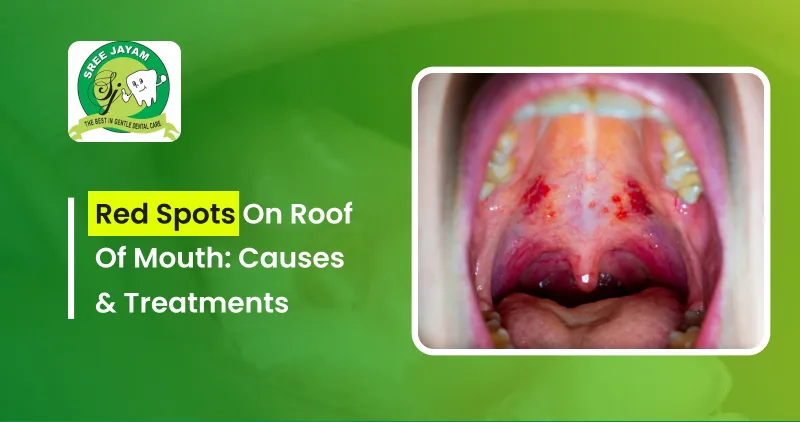
The roof of your mouth is medically known as the palate. It has two distinct sections that can each trigger different types of pain.
| Part | Location | Function |
|---|---|---|
| Hard Palate | Front bony section | Separates mouth from nasal cavity |
| Soft Palate | Back soft tissue | Moves during swallowing, closes nasal passage |
Pain in either zone feels different. Hard palate pain is often sharp and localized. Soft palate pain tends to feel deeper and worsens more with swallowing.
Why Does the Roof of My Mouth Hurt When I Swallow?
There is no single answer — several causes range from harmless to ones that need a doctor. Below are the most common, broken down clearly.
Common Causes of Roof of Mouth Pain When Swallowing
Canker Sores (Aphthous Ulcers)
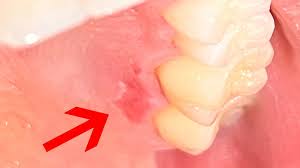
Canker sores are small, round ulcers with a white or yellow center and a red border. They develop on the hard or soft palate and cause sharp pain every time you swallow.
They are triggered by stress, minor injuries, hormonal changes, or certain foods. Unlike cold sores, canker sores are not contagious and usually heal in 7–14 days on their own.
Burns from Hot Food or Drinks
Eating pizza, drinking hot coffee, or sipping boiling soup can burn the delicate skin on the roof of your mouth. This is called palatal burn and it causes immediate, raw soreness.
The burned tissue may peel or feel rough for a few days. It heals quickly — usually within 3–5 days — as long as you avoid further irritation.
Oral Thrush (Fungal Infection)
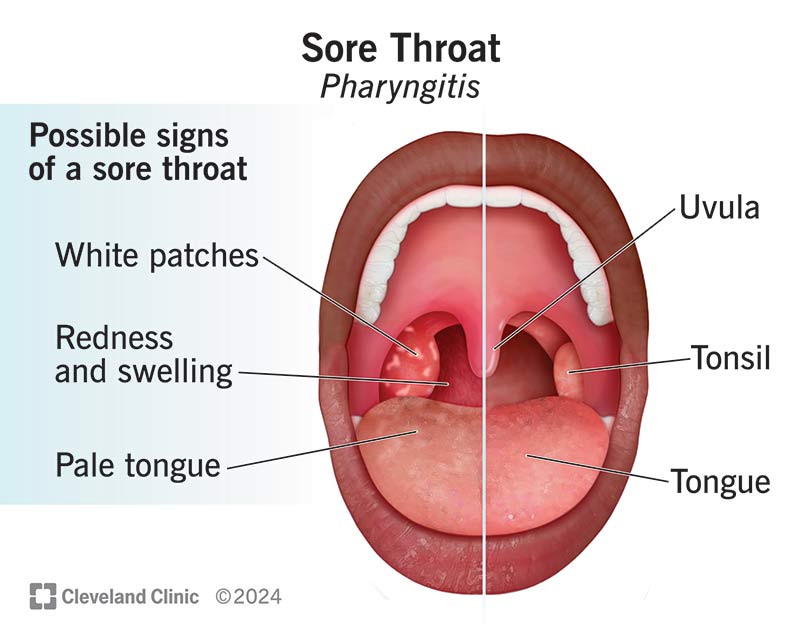
Oral thrush is a Candida yeast overgrowth inside the mouth. It produces creamy white or yellow patches on the palate, tongue, and cheeks, and causes pain and difficulty swallowing.
It is more common in people who use inhalers, take antibiotics, wear dentures, or have a weakened immune system. Treatment requires prescription antifungal medication.
Strep Throat and Tonsillitis
Strep throat caused by Group A Streptococcus bacteria inflames the throat and soft palate. This directly makes the roof of your mouth hurt when swallowing, along with fever, red tonsils, and body aches.
Tonsillitis produces similar effects. Both conditions need a proper diagnosis and are typically treated with antibiotics.
Sinus Infection (Sinusitis)
A sinus infection creates pressure in your nasal passages that radiates downward into the hard palate. This referred pain makes the back roof of mouth hurt when swallowing, especially on one side.
Postnasal drip from sinusitis further irritates the soft palate. Treating the sinus infection directly resolves the palate pain.
Cold Sores (Herpes Simplex Virus)
Cold sores caused by the herpes simplex virus can develop on the roof of the mouth and not just around the lips. They appear as fluid-filled blisters that are painful and contagious.
They cause tingling, burning, and sharp pain when swallowing. Antiviral medications like acyclovir can speed up healing.
Dry Mouth (Xerostomia)
Dry mouth happens when your salivary glands do not produce enough saliva. The lack of moisture makes oral tissues dry, cracked, and extremely sensitive to movement during swallowing.
Dehydration, certain medications (antihistamines, antidepressants), and mouth breathing are common causes. Staying hydrated and using saliva substitute sprays helps significantly.
Dental Issues and Tooth Abscesses
A dental abscess — an infection at the root of a tooth — can radiate pain upward into the roof of the mouth. This is especially true for upper back teeth, where the roots sit close to the palate.
Untreated gum disease can also spread inflammation into the palate tissue. Dental abscesses need immediate professional treatment to prevent serious complications.
Acid Reflux (GERD)
Gastroesophageal reflux disease sends stomach acid upward into the throat and mouth. This repeated acid exposure irritates and inflames the soft palate, making swallowing painful over time.
GERD-related palate pain is often worse in the morning or after meals. Managing reflux with dietary changes or medication resolves the oral pain.
Allergic Reactions
Food allergies or sensitivities can trigger an immune response in the oral tissues. The roof of the mouth becomes itchy, swollen, or sore shortly after eating the trigger food.
Common culprits include nuts, shellfish, certain fruits, and even ingredients in toothpaste or mouthwash. Oral Allergy Syndrome (OAS) causes localized tingling and swelling in the mouth.
Nutritional Deficiencies
A lack of vitamin B12, iron, folate, or zinc weakens the mucosal lining of the mouth. This makes the palate more vulnerable to sores, ulcers, and inflammation.
If your roof of mouth pain keeps coming back without an obvious cause, getting a blood panel for nutritional deficiencies is a smart next step.
Trauma or Injury
Biting into a hard chip, scraping the palate with a fork, or irritation from braces and dentures can all cause physical trauma. The tissue is thin and sensitive, so even small injuries feel significant.
Most minor trauma heals within 3–5 days with no treatment. Avoid poking the area with your tongue, which slows healing.
Where Exactly Does It Hurt? Pain Location Guide
The location of your pain gives important clues about the cause.
| Pain Location | Most Likely Cause |
|---|---|
| Front roof of mouth (hard palate) | Burn, canker sore, trauma, dental abscess |
| Back roof of mouth (soft palate) | Strep throat, tonsillitis, sinus infection, thrush |
| One side only | Dental abscess, sinus infection on that side |
| Both sides | Allergy, GERD, viral infection |
| With white patches | Oral thrush, cold sores |
| With swelling | Infection, allergic reaction |
Symptoms to Watch For
Not every palate pain is equal. Some symptoms tell you it is minor. Others signal something serious.
Minor symptoms (usually safe to treat at home):
- Mild soreness after eating hot food
- Small white sore with a red border
- Pain that started after eating crunchy food
- Discomfort lasting less than 7 days
Symptoms that need a doctor:
- Pain lasting more than 10 days
- Difficulty breathing or severe trouble swallowing
- Fever above 101°F along with mouth pain
- Pus, bleeding, or unexplained lumps
- White patches that cannot be wiped off
- Pain that keeps getting worse each day
Home Remedies That Actually Work
These remedies ease pain and help healing for most minor causes of palate pain.
Saltwater Rinse
Mix half a teaspoon of salt in one cup of warm water. Swish gently for 30 seconds and spit it out. Do this 2–3 times a day, especially after meals.
Saltwater reduces inflammation, kills surface bacteria, and promotes faster tissue healing. It is the single most effective first-line home treatment for palate pain.
Cold or Lukewarm Fluids
Drinking cool water or cold herbal tea soothes the inflamed palate tissue. Avoid very hot drinks and alcohol, which aggravate the soreness.
Milk and aloe vera juice are also soothing options that coat the irritated tissue and reduce burning sensations.
OTC Pain Relievers
Ibuprofen or acetaminophen taken as directed reduces pain and inflammation effectively. For localized pain, OTC topical gels like benzocaine (Orajel) numb the area directly.
These are safe short-term solutions for canker sores, minor burns, and trauma-related pain.
Honey Application
Raw honey has natural antibacterial and anti-inflammatory properties. Dabbing a small amount directly onto a sore or ulcer a few times daily can speed up healing.
Manuka honey is especially effective due to its high antibacterial potency. Avoid giving honey to children under 12 months.
Avoid Trigger Foods
Spicy, acidic, and crunchy foods directly aggravate palate pain. Avoid citrus, tomato sauces, chips, crackers, and vinegar-based dressings while healing.
Stick to soft, bland, cool foods like yogurt, mashed potatoes, smoothies, and oatmeal until the pain resolves.
Stay Hydrated
Drinking at least 8 glasses of water a day keeps the oral mucosa moist and reduces sensitivity. Dehydration makes all types of palate pain significantly worse.
If dry mouth is your main issue, chewing sugar-free gum also stimulates saliva production.
Medical Treatments by Cause
When home remedies are not enough, medical treatments target the specific cause.
| Cause | Medical Treatment |
|---|---|
| Canker sores | Topical corticosteroids, antimicrobial mouthwash |
| Oral thrush | Prescription antifungal (fluconazole, nystatin) |
| Strep throat | Antibiotics (amoxicillin, penicillin) |
| Cold sores | Antiviral medication (acyclovir, valacyclovir) |
| GERD | Proton pump inhibitors, dietary changes |
| Dental abscess | Drainage, root canal, antibiotics |
| Dry mouth | Saliva substitutes, prescription sialagogues |
| Allergies | Antihistamines, allergen avoidance |
| Nutritional deficiency | Supplements (B12, iron, folate) |
When to See a Doctor or Dentist
You should see a professional if:
The pain does not improve after 7–10 days of home treatment. Any visible growth, lump, or unexplained bump appears on your palate. You have difficulty breathing or cannot swallow properly. You develop a fever alongside mouth pain. The pain is severe enough to prevent eating or drinking.
Do not delay professional care if you notice persistent white patches that do not wipe off, unexplained bleeding, or a sore that keeps growing.
How to Prevent Roof of Mouth Pain When Swallowing
Daily habits that significantly reduce your risk:
Always let hot food and drinks cool slightly before eating or drinking. Brush your teeth twice daily with a soft-bristled toothbrush and use a mild, alcohol-free mouthwash.
Stay hydrated throughout the day to keep oral tissues healthy and moist. Manage stress through exercise, sleep, and relaxation — stress is a major canker sore trigger.
Get regular dental checkups every 6 months to catch infections and dental issues before they spread. If you use an inhaler, rinse your mouth thoroughly after each use to prevent oral thrush.
Roof of Mouth Pain in Specific Groups
Children
Children frequently burn the roof of their mouth on hot food and develop canker sores. Teething, new foods, and accidental biting are also common causes.
Most cases in children resolve quickly. See a pediatric dentist if the pain lasts more than a week or your child refuses to eat.
Older Adults
Older adults are more vulnerable to dry mouth (due to medications), oral thrush (due to dentures and weaker immunity), and nutritional deficiencies. Denture fit should be checked regularly to prevent friction-related palate sores.
Pregnant Women
Hormonal changes during pregnancy increase the risk of canker sores and gum sensitivity. Nutritional demands for iron and B12 also rise, making deficiencies a real risk factor for palate pain.
Quick Reference: Roof of Mouth Pain Causes at a Glance
| Cause | Pain Type | Heals Alone? | Treatment Needed? |
|---|---|---|---|
| Hot food burn | Sharp, raw | Yes (3–5 days) | No |
| Canker sore | Stinging ulcer | Yes (7–14 days) | Rarely |
| Cold sore | Tingling blister | Yes (7–10 days) | Antiviral helps |
| Oral thrush | Burning patches | No | Yes |
| Strep throat | Deep throat pain | No | Yes (antibiotics) |
| Sinus infection | Pressure pain | Sometimes | Often yes |
| Dental abscess | Throbbing | No | Yes (urgent) |
| GERD | Chronic burning | No | Yes |
| Dry mouth | General soreness | With hydration | Sometimes |
| Allergy | Itching, swelling | Yes (if avoided) | Antihistamine |
| Nutritional deficiency | Recurring sores | With supplements | Yes |
| Trauma/injury | Sharp, localized | Yes (3–5 days) | No |
Does the Roof of My Mouth Hurt Because of COVID-19?
COVID-19 and other viral infections can cause inflammation of the oral mucosa, including the palate. Some patients report palate pain, burning sensations, and sores during or after a COVID-19 infection.
This occurs due to the inflammatory immune response triggered by the virus. The pain typically resolves as the infection clears. See a doctor if oral symptoms persist after recovery.
Can Stress Cause Roof of Mouth Pain?
Yes, stress is a well-documented trigger for canker sores, which are the most common cause of palate pain. High cortisol levels suppress immune function, making the oral mucosa more vulnerable to breakdown.
Stress also worsens teeth grinding (bruxism), which can create trauma to the palate from dental appliances. Managing stress directly reduces the frequency of stress-triggered mouth sores.
Roof of Mouth Hurts on One Side: What Does It Mean?

One-sided palate pain is a strong clue. A dental abscess in an upper molar is the most likely cause — the infection radiates upward into the palate on that side.
A sinus infection on one side can also create localized referred pressure pain. A single canker sore or trauma from a sharp food item can also cause one-sided discomfort. See a dentist promptly if the one-sided pain throbs or intensifies.
Frequently Asked Questions (FAQs)
Why does the roof of my mouth hurt when I swallow but not when I eat?
Swallowing involves the soft palate moving, which can aggravate specific conditions like tonsillitis, sinus infections, or soft palate ulcers. The motion itself triggers pain that eating solid food does not always cause.
Can a sinus infection cause roof of mouth pain?
Yes, sinus pressure can refer pain directly into the hard palate, especially near the back. Treating the sinus infection resolves the palate discomfort.
Is it normal for the roof of my mouth to hurt after eating chips or crackers?
Yes, sharp or hard foods frequently scratch the thin skin of the palate. The soreness typically heals within 2–4 days without any treatment needed.
What does oral thrush look and feel like on the roof of the mouth?
Oral thrush appears as creamy white or yellowish patches that feel sore and may bleed slightly when wiped. It causes a burning sensation and difficulty swallowing and needs antifungal treatment.
How long should roof of mouth pain last?
Minor causes like burns and trauma heal in 3–5 days. Canker sores take 7–14 days. Any pain lasting beyond 10 days without improvement should be evaluated by a doctor.
Can GERD cause the roof of my mouth to hurt when swallowing?
Yes, chronic acid reflux exposes the soft palate to stomach acid repeatedly, causing irritation and soreness over time, often worst in the morning.
What vitamin deficiency causes mouth roof pain?
Deficiencies in vitamin B12, iron, and folate are the most commonly linked to recurring canker sores and mucosal breakdown on the palate.
Should I worry about a bump on the roof of my mouth?
Most bumps (torus palatinus) are harmless bony growths. However, a bump that is new, growing, painful, or accompanied by other symptoms should be examined by a dentist promptly.
Does drinking water help roof of mouth pain?
Yes, staying hydrated keeps oral tissues moist, reduces sensitivity, and supports healing. It is especially effective when dry mouth is the underlying cause.
When is roof of mouth pain an emergency?
Seek emergency care if you have severe difficulty breathing or swallowing, a high fever with swelling, rapid-spreading redness, or signs of anaphylaxis like throat tightening.
Conclusion
The roof of your mouth hurts when you swallow for many possible reasons — from something as simple as a pizza burn to infections like strep throat or oral thrush that need medical treatment.
Most cases are minor and resolve within a week using saltwater rinses, cold fluids, and OTC pain relief.
But pain that lingers past 10 days, comes with fever, produces visible patches, or worsens with each passing day is your body telling you to see a professional.
Knowing the difference between a self-healing issue and one that needs a dentist or doctor is the most important thing you can take from this guide.
Stay hydrated, avoid irritating foods, and do not ignore persistent symptoms.
Your palate plays a vital role in eating, speaking, and swallowing — keeping it healthy matters more than most people realize.
