

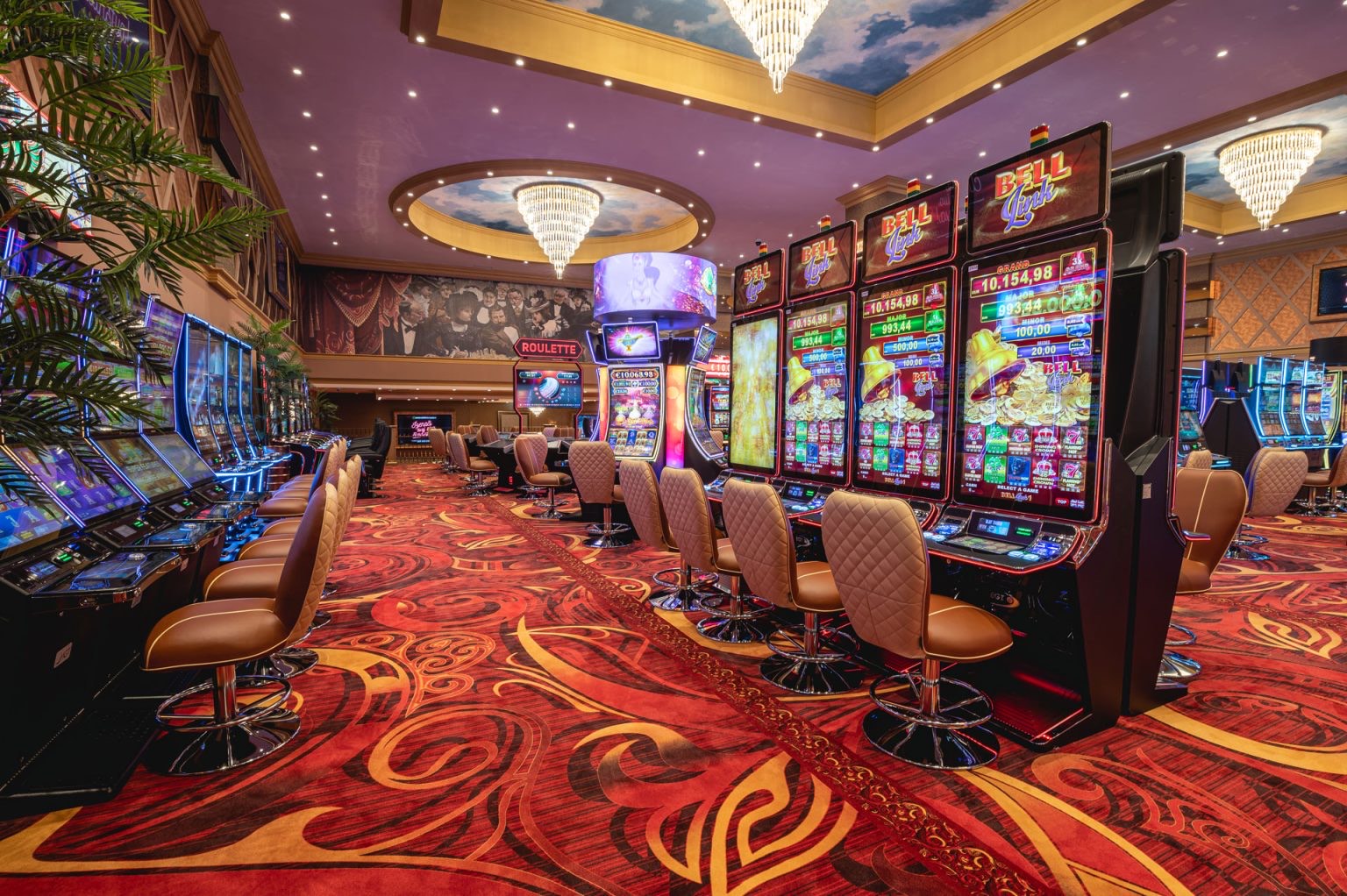
Gamification features in modern slot games have reshaped how players interact with digital entertainment. Modern slot games now integrate progression systems, reward loops, and engagement mechanics that move experiences far beyond simple spin-and-win formats. Developers build level-based advancement, mission structures, and unlockable content to create layered experiences that retain player attention across longer sessions. Titles from major studios feature achievement boards, daily challenges, and narrative arcs that give context to each spin.
Modern slot game design draws heavily from competitive gaming frameworks. Leaderboards, tournament modes, and streak-based bonuses mirror structures found in role-playing and strategy games, blurring the line from passive play to active engagement. Players earn badges, climb tiers, and collect in-game currencies tied to loyalty systems. The shift reflects a broader evolution in interactive entertainment, where engagement depth determines long-term player retention. Studios (NetEnt, Pragmatic Play, and Play’n GO) lead the adoption of gamification mechanics, setting new benchmarks for what slot game design delivers in competitive digital markets.
Why is Gamification a Core Element of Modern Gaming Experiences?
Gamification is a core element of modern gaming experiences because it directly drives player engagement through structured reward systems and psychological motivation. Engagement psychology plays a foundational role, as players respond to variable reward schedules, progress indicators, and goal-based challenges that trigger dopamine-driven feedback loops. Progression systems (level milestones, unlockable content, and ranked tiers) give players measurable goals that sustain attention beyond a single session. The design anchors player behavior through a cycle of action, reward, and anticipation.
Retention systems deepen the relationship from short-term play to long-term commitment. Daily login bonuses, streak rewards, and time-limited missions create habitual return patterns that sustain consistent engagement. Reward-based design loops reinforce the cycle by offering meaningful outcomes tied to player effort, making each interaction feel purposeful. Game designers across competitive and casual platforms have refined the model through years of behavioral data and player feedback. The accumulated effect positions gamification not as a feature addition, but as the structural foundation of how modern digital games are built and experienced.
How do Reward Systems Influence Player Engagement in Digital Games?
Reward systems influence player engagement in digital games by creating structured feedback loops that motivate continued play through measurable progress and meaningful outcomes. The psychological foundation rests on variable reward reinforcement, where unpredictable reward timing generates stronger behavioral responses than fixed schedules. Players engage persistently when outcomes feel earned, whether through completing missions, reaching level thresholds, or unlocking exclusive content. Digital game platforms (slot titles, role-playing formats, and arcade-style games) apply the model across genres to sustain session length and return frequency.
Engagement deepens when reward systems connect to identity and achievement. Badges, ranked titles, and collectible milestones give players a sense of progression that extends beyond separate sessions. Point accumulation, tiered loyalty rewards, and streak-based incentives reinforce habitual play patterns over time. Situs 888 applies reward-driven design across its platform, offering players structured incentives that make each session purposeful and engaging.
Why Are Progression Loops Essential in Modern Game Design?
Progression loops are essential in modern game design because they give players a continuous sense of forward movement, purpose, and achievement that sustains long-term engagement. The loop operates through a repeating cycle of challenge, action, and reward, where each completed objective unlocks the next layer of content or difficulty. Players remain invested when the design ensures that effort consistently translates into measurable advancement, whether through experience points, unlocked features, or narrative development. Game formats (mission-based structures, tier climbing, and skill trees) rely on the loop to maintain momentum across extended play sessions. The depth of a progression loop determines how long a player stays committed to a platform. Shallow loops exhaust quickly, while multi-layered systems (daily objectives, seasonal rewards, and ranked progressions) sustain interest across weeks and months. Situs 888 embeds progression mechanics into its platform, ensuring players always have a meaningful next step to work toward.
How do Visual and Audio Feedback Systems Reinforce Player Behavior?
Visual and audio feedback systems reinforce player behavior by delivering immediate sensory confirmation that validates actions and sustains emotional engagement throughout gameplay. The brain processes visual cues (flashing animations, color shifts, and dynamic win sequences) as signals of success, triggering positive emotional responses that encourage repeated behavior. Audio layers (celebratory sound effects, rising music tempos, and distinct win tones) amplify the psychological impact of each reward moment, making outcomes feel memorable. The combination creates a multisensory feedback environment that conditions players to associate specific actions with positive outcomes.
Consistency in feedback design strengthens behavioral reinforcement over time. Players develop pattern recognition tied to sensory cues, where familiar sounds and visuals signal progress and reward. Designers calibrate feedback intensity to match reward value, ensuring bigger wins produce stronger sensory responses. Situs 888 applies layered visual and audio feedback across its games, creating an environment where each player’s interaction feels rewarding and responsive.
What Are the Most Common Gamification Features Found in Modern Slot-Style Games?
The most common gamification features found in modern slot-style games are listed below.
- Reward Loops: A repeating cycle of play, outcome, and incentive that keeps players engaged across sessions. Each action feeds back into the system, offering points, bonuses, or unlockable content that motivates continued play.
- Leveling Systems: A progress tracking structure built on experience points or activity milestones. Players advance through tiers, unlocking new game features, higher bonus rates, or exclusive content tied to their level standing.
- Bonus Triggers: A condition within gameplay that activates a secondary reward event. Free spins, multiplier rounds, and mini-games are common trigger outcomes that add depth to the base game experience.
- Randomized Outcomes: An algorithm-driven system that produces unpredictable results on every play action. The unpredictability sustains excitement and aligns with the principles of variable-reward reinforcement in engagement psychology.
- Visual Effects: Animated sequences and graphical responses tied to game events (win celebrations, level-up animations, and bonus activations). The effects provide immediate sensory feedback that reinforces positive player behavior.
- Engagement Pacing Systems: A controlled rhythm of rewards and challenges delivered throughout a session. Designers calibrate pacing to prevent reward fatigue while maintaining consistent motivation across longer play periods.
How do Slot-Style Game Mechanics Compare to Competitive Esports Systems?
Slot-style game mechanics and competitive esports systems differ in how engagement is generated, where slot formats rely on system-based design and esports platforms rely on skill-based performance. Slot mechanics operate through automated reward structures (spin outcomes, bonus triggers, and randomized multipliers) that engage players through anticipation and sensory feedback rather than active decision-making. Esports systems (ranked matchmaking, tournament brackets, and team coordination formats) demand real-time skill execution, strategic adaptation, and mechanical precision from each participant. The engagement source in each format is fundamentally different.
Slot-style mechanics pace engagement through designer-controlled reward intervals, keeping players stimulated through visual feedback and progression systems. Esports engagement derives from player-driven competition, where performance directly determines advancement. Despite the structural differences, two formats apply layered progression, achievement recognition, and reward-based motivation to retain participants. The mechanics differ in input type, but converge on the same psychological principles of challenge, feedback, and reward.
Why do Game Designers Use Randomized Reward Systems in Modern Games?
Game designers use randomized reward systems in modern games because unpredictable outcomes generate stronger and more sustained engagement than fixed reward schedules. The principle draws on variable-ratio reinforcement, a behavioral psychology model in which rewards are delivered at unpredictable intervals to produce the highest frequency of repeated behavior. Players stay engaged longer when the next reward feels uncertain but achievable, creating a tension from anticipation to outcome that fixed systems fail to replicate. Randomization adds replayability by ensuring no two sessions feel identical, keeping the experience fresh across extended play sessions. Designers calibrate probability ranges to balance reward frequency against perceived value, keeping players motivated without making rewards feel trivial. Rare outcomes (jackpot triggers, high-multiplier events, and bonus round activations) elevate excitement by contrast against common results, making randomized reward design a foundational mechanic in modern game development.
How Has Gamification Spread Beyond Traditional Gaming Genres?
Gamification has spread beyond traditional gaming genres by applying core game design mechanics to non-gaming platforms across fitness, education, finance, and retail sectors. The mechanics (progress tracking, reward triggers, and achievement systems) translate effectively into any environment where sustained user engagement is a measurable goal. Fitness platforms award badges for workout streaks, education apps assign experience points for completed lessons, and retail loyalty programs mirror tiered ranking structures found in competitive games. The crossover reflects how deeply behavioral reinforcement principles connect with human motivation across contexts.
Digital entertainment platforms adopted the model early, refining reward loops and progression systems that other industries later replicated. Slot-style platforms integrated gamification at the structural level, embedding leveling systems, missions, and bonus triggers directly into core gameplay. The spread confirms that gamification functions as a universal engagement framework, not a mechanic exclusive to any single genre or platform type.
How do Modern Games Balance Skill, Chance, and Reward Systems?
Modern games balance skill, chance, and reward systems by designing layered mechanics that give players a sense of agency while maintaining unpredictability that sustains long-term engagement. Skill-based elements (decision trees, timing mechanics, and strategic choices) provide players with a feeling of control and competence, anchoring engagement in personal performance. Chance mechanics introduce unpredictability, preventing gameplay from feeling formulaic and ensuring variable outcomes across sessions. Reward systems tie the two together by delivering meaningful feedback regardless of whether the outcome stems from skill or randomness.
Design balance determines how long a player stays committed to a platform. Heavy reliance on chance alone reduces perceived agency, while purely skill-based systems alienate casual players who prefer lower-pressure engagement. Game designers calibrate the ratio of skill to chance, depending on the target audience and session length goals. Reward systems bridge the gap by ensuring each session produces a positive feedback moment, reinforcing continued play. Player psychology responds strongly to environments where effort feels meaningful and outcomes feel fair, making balanced design the foundation of sustained engagement and retention.
How do Players Interact With Game Systems That Rely on Structured Randomization?
Players interact with game systems that rely on structured randomization by engaging in repeated actions driven by anticipation, pattern recognition, and reward expectation. Structured randomization differs from pure chance by operating within defined probability parameters, giving players a sense that outcomes are fair and governed by consistent rules. The perception of fairness is critical, as players disengage quickly from systems that feel arbitrary or manipulated. Slot-style formats, loot box mechanics, and spin-based reward structures apply structured randomization to maintain excitement without sacrificing player trust. Behavioral patterns emerge as players develop personal rituals, session targets, and risk thresholds based on experience with the system. Game designers account for the behavior by embedding near-miss mechanics, escalating bonus triggers, and progressive jackpot structures that sustain engagement across sessions, making structured randomization the engine that keeps anticipation alive and participation consistent.
How do Platforms Like Situs 888 Fit Into Broader Discussions About Gamified Digital Systems?
Platforms like Situs 888 fit into broader discussions about gamified digital systems as reference examples of how reward structures, progression mechanics, and engagement design operate within interactive entertainment environments. Industry discussions on gamification examine digital platforms that apply layered reward loops, tiered loyalty systems, and structured randomization to sustain user engagement. The platform demonstrates how behavioral psychology principles (variable reinforcement, achievement recognition, and feedback timing) translate into functional game design at scale.
The broader conversation around gamified digital systems centers on design patterns that appear across genres and platform types. Progression frameworks, mission structures, and sensory feedback systems found in slot-style environments reflect the same mechanics discussed in game design literature and interactive entertainment research. The structural parallels position digital platforms as legitimate case studies in engagement design, reward psychology, and player retention modeling. Situs 888 illustrates the applied convergence of the principles, serving as a practical example of how modern gamification frameworks function within a fully developed interactive digital system.
What Should Game Designers Understand About Applying Gamification Across Different Game Types?
Game designers applying gamification across different game types should follow the five steps below.
- Map Engagement Loops to Game Context. Engagement loops function differently across game types, requiring designers to align reward timing and frequency with each format’s pacing. A slot-style loop operates on short, rapid cycles, while a role-playing format sustains engagement through extended narrative progression.
- Calibrate Feedback Systems to Player Expectations. Feedback intensity must match the emotional weight of each game moment. Visual and audio responses need to scale with reward value, ensuring players receive proportional sensory confirmation across different interaction types.
- Adapt Progression Mechanics to Genre Structure. Leveling systems, mission frameworks, and achievement triggers require structural adjustment when moving across genres. A mechanic effective in a competitive format feels out of place in a casual or chance-based environment.
- Balance Skill and Chance Elements Intentionally. Cross-genre adaptation requires deliberate calibration of skill-based and chance-based mechanics. Designers need to understand how each genre’s player base responds to agency, randomness, and perceived fairness before applying gamification frameworks.
- Design Reward Structures Around Retention Goals. Reward frequency, rarity, and value must align with the platform’s retention objectives. Short-session formats benefit from immediate reward delivery, while long-session formats sustain engagement through delayed but higher-value reward milestones.
