

Why is my dogs nose running is one of the most common questions pet owners ask their vet in 2026.
A dog’s nose is naturally moist, but when it starts dripping, producing colored discharge, or running constantly, something may need attention.
The cause can range from something as simple as excitement or warm weather to something more serious like a bacterial infection or foreign object.
Why is my dogs nose running? What Is a Normal Dog Nose vs. a Runny Dog Nose?
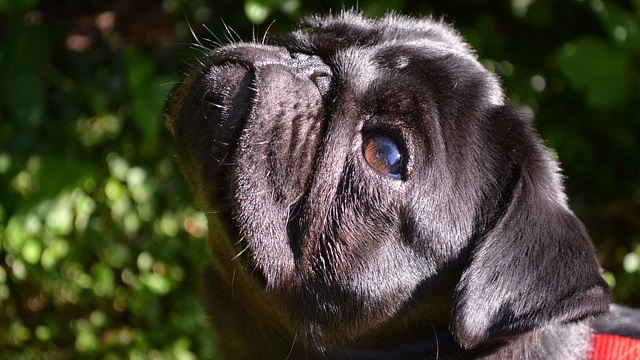
A healthy dog nose is naturally moist and cool to the touch. Dogs secrete a thin layer of mucus from the inner lining of their nostrils that helps them absorb scent particles more accurately.
Dogs also lick their noses frequently. This keeps the moisture balanced and helps them process scent information through the vomeronasal organ on the roof of the mouth.
A small amount of clear, watery discharge now and then is perfectly normal. The concern starts when the discharge becomes frequent, colored, thick, smelly, or one-sided.
The Discharge Color Guide: What Each Color Means
The color and consistency of your dog’s nasal discharge is the single most useful diagnostic clue available to you before seeing a vet.
| Discharge Color | What It Likely Means | Urgency Level |
|---|---|---|
| Clear and watery | Allergies, excitement, overheating, mild irritant | Low — monitor at home |
| White or slightly cloudy | Viral infection, early allergy response | Low to Medium — watch for 2–3 days |
| Yellow or green | Bacterial infection, secondary infection after a virus | Medium to High — see vet soon |
| Thick yellow-green | Serious bacterial or fungal infection | High — vet visit needed |
| Brown or rust-colored | Fungal infection (aspergillosis), old blood | High — vet visit needed |
| Bloody or pinkish | Nasal trauma, polyps, tumor, foreign object, blood clotting issue | Urgent — same-day vet visit |
| Sticky yellow (one nostril) | Canine distemper, dental abscess | High — vet visit needed |
12 Reasons Why Your Dog’s Nose Is Running
1. Environmental Allergies
Environmental allergies are the leading cause of a runny nose in dogs. Dogs can react to pollen, dust mites, mold spores, dander, household cleaning chemicals, perfumes, and even human skin cells.
Seasonal allergies flare in spring and fall when pollen counts peak. Year-round symptoms that worsen indoors often point to dust mites or mold as the trigger.
The discharge from allergies is almost always clear and watery. It is frequently paired with itchy skin, red inflamed ears, watery eyes, sneezing, and paw licking.
2. Food Allergies
Food allergies are less common than environmental triggers but can still cause nasal discharge. Proteins like beef, chicken, dairy, and wheat are the most common culprits in dogs.
An elimination diet under veterinary guidance is the most reliable way to identify a food allergy. Once the offending ingredient is removed, symptoms including nasal discharge typically resolve within a few weeks.
3. Environmental Irritants
Strong smells trigger nasal irritation in dogs very quickly. Dogs have approximately 220 million smell receptors compared to 5 million in humans, making them far more sensitive to airborne chemicals.
Common irritants include cigarette smoke, burning candles, essential oil diffusers, perfumes, air fresheners, paint fumes, and harsh cleaning products. Removing the irritant usually clears up the discharge within hours.
4. Foreign Object in the Nose
A discharge from just one nostril almost always signals that something is stuck inside. Common culprits include grass seeds, tiny pebbles, splinters of wood, small toy parts, and food particles.
Other signs include sudden sneezing, pawing at the face, and head shaking. If the object is visible and easy to grip, careful removal with tweezers is an option. If it is not visible, a vet visit is required immediately.
5. Bacterial Infection
A bacterial infection produces thicker, colored discharge — usually yellow, green, or brown. It may come with a bad odor, nosebleed, and coughing from post-nasal drip.
Common bacteria responsible include Bordetella bronchiseptica and Staphylococcus aureus. Treatment typically requires a course of antibiotics prescribed by a veterinarian, often lasting two to four weeks.
6. Viral Infection — Kennel Cough and Canine Influenza
Kennel cough, formally called Canine Infectious Respiratory Disease Complex (CIRDC), is highly contagious and spreads through contact with infected dogs, shared water bowls, and contaminated surfaces.
Canine influenza causes similar symptoms including runny nose, coughing, lethargy, and reduced appetite. Mild cases resolve on their own with supportive care. Severe cases may require veterinary treatment and isolation from other dogs.
7. Fungal Infection (Aspergillosis)
Aspergillosis is a fungal infection caused by Aspergillus mold, which is found in soil, hay, and decaying plant material. Dogs contract it by sniffing contaminated ground.
Symptoms include a brown or rust-colored discharge, sneezing, nosebleeds, and swelling of the face. Treatment requires prolonged antifungal therapy, sometimes for months, under close veterinary supervision.
8. Nasal Mites
Nasal mites are microscopic parasites that live inside a dog’s nasal passages and sinuses. They are more common in dogs that dig frequently or interact closely with infected animals.
The hallmark symptom is intense, frequent sneezing including reverse sneezing. Other signs include pawing at the face, nosebleeds, and abnormal breathing sounds. Treatment is highly effective with antiparasitic medications like ivermectin or selamectin.
9. Nasal Polyps and Tumors
Nasal polyps are non-cancerous overgrowths of mucus-producing glands inside the nasal passages. Nasal tumors can be benign or malignant. Both cause chronic discharge that does not respond to standard treatments.
Additional signs include noisy breathing, a visible bulge on one side of the nose, reduced appetite, and facial asymmetry. Diagnosis requires imaging such as a CT scan and often rhinoscopy. Treatment may involve surgery, radiation, or both.
10. Canine Distemper
Canine distemper is a serious viral disease that produces a thick, sticky, yellow nasal discharge. It progresses to affect the respiratory, gastrointestinal, and nervous systems.
Additional symptoms include fever, coughing, vomiting, diarrhea, twitching, and seizures. Distemper is preventable through vaccination. Unvaccinated puppies and dogs are most at risk. Treatment is supportive and depends on symptoms present.
11. Dental Disease and Tooth Root Abscess
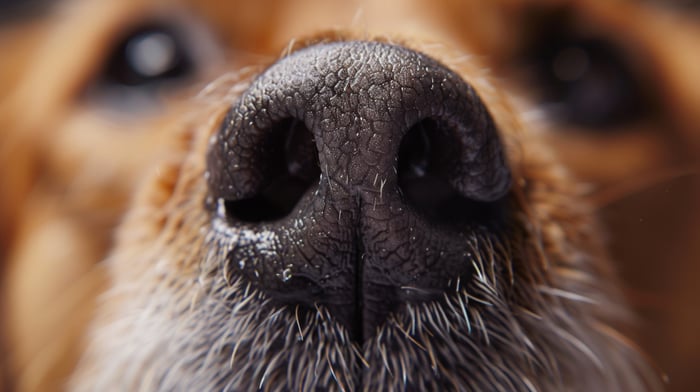
The upper teeth roots sit very close to the nasal passages. An abscessed or infected upper tooth can break through into the nasal cavity, causing chronic one-sided nasal discharge.
Discharge from a dental issue is often pus-like and comes from a single nostril. The dog may also show signs of mouth pain, drooling, reduced appetite, and bad breath. Dental X-rays are required for diagnosis.
12. Overheating and Temperature Regulation
Dogs do not sweat through their skin the way humans do. They regulate body temperature through panting, the pads of their feet, and the moisture released through their noses.
Clear discharge after vigorous exercise or during warm weather is completely normal. Moving your dog to a cool area and providing fresh water is all that is needed. If the discharge does not clear within minutes of cooling down, consult a vet.
Breeds Most Prone to Runny Noses
Some breeds are structurally predisposed to nasal discharge due to the shape of their skulls and nasal passages.
| Breed Category | Breeds | Why They Are Prone |
|---|---|---|
| Brachycephalic (flat-faced) | Bulldog, Pug, Shih Tzu, Boxer, Boston Terrier, Pekinese | Shortened nasal passages restrict airflow and trap moisture |
| Hunting and Scent Breeds | Beagle, Bloodhound, Basset Hound | Nose is always close to the ground, increasing exposure to irritants |
| Long-eared Breeds | Cocker Spaniel, Basset Hound | Ears can trap moisture that contributes to respiratory issues |
| Senior Dogs (all breeds) | Any breed over 7–8 years old | Weaker immune systems, higher dental disease risk, more tumor susceptibility |
Brachycephalic breeds like Bulldogs, Pugs, and Boxers need particular attention because their anatomy makes breathing and nasal drainage inherently more difficult. A vet check-up for these breeds is recommended even for what appears to be mild chronic discharge.
Symptoms to Watch Alongside a Runny Nose
A runny nose on its own is often manageable at home for a day or two. The following accompanying symptoms change the calculus and mean a vet visit is needed sooner rather than later.
| Accompanying Symptom | What It May Indicate |
|---|---|
| Sneezing frequently | Allergies, foreign object, nasal mites, viral infection |
| Pawing at the nose or face | Foreign object, nasal mites, pain from infection |
| Nosebleed (epistaxis) | Trauma, tumor, polyp, clotting disorder, fungal infection |
| Lethargy or low energy | Systemic infection, distemper, serious illness |
| Reduced appetite | Dental disease, distemper, tumor, systemic illness |
| Coughing or gagging | Post-nasal drip, kennel cough, pneumonia |
| Labored breathing | Medical emergency — seek vet care immediately |
| One-sided discharge only | Foreign object, dental abscess, polyp, tumor |
| Facial swelling or asymmetry | Abscess, tumor, severe fungal infection |
| Watery eyes alongside runny nose | Allergies, upper respiratory infection, distemper |
How to Treat a Dog’s Runny Nose at Home
Many mild cases of a runny dog nose can be managed safely at home, particularly when the discharge is clear, the dog is eating and drinking normally, and there are no other concerning symptoms.
Keep the Nose Clean
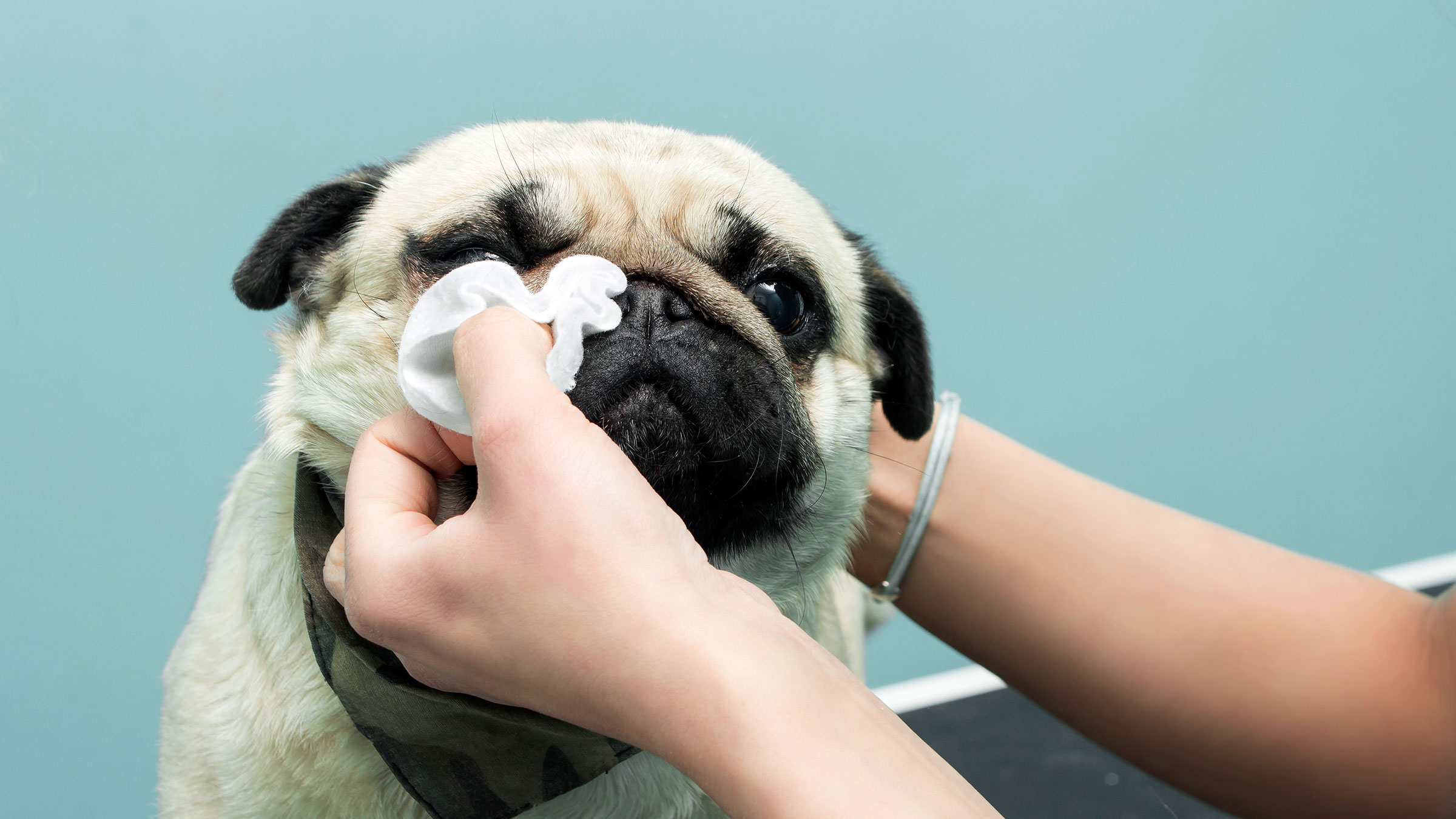
Gently wipe the area with a clean, warm, moist washcloth once or twice a day. This removes dried mucus, clears the airway slightly, and reduces bacterial buildup around the nostril. Avoid dry wipes or scented products, which can irritate already sensitive skin.
Use a Humidifier
Running a cool-mist humidifier near where your dog sleeps can loosen nasal congestion and make breathing more comfortable. Cool-mist models are preferred over warm-mist because they pose a lower burn risk if knocked over.
Steam Therapy
Place your dog in a steamy bathroom for 5 to 10 minutes a few times a day. This is particularly helpful during viral respiratory infections. Do not place your dog directly in the shower — just allow them to breathe the steam from a running hot shower.
Remove Irritants from the Environment
Check your home for common triggers: scented candles, air fresheners, cigarette smoke, strong cleaning products, essential oil diffusers, and synthetic fragrances. Removing these can resolve a runny nose within 24 to 48 hours if irritation was the underlying cause.
Keep Your Dog Hydrated
Good hydration helps thin mucus secretions, making them easier to drain. Ensure fresh water is always available. If your dog is not drinking due to congestion, try warming up wet food slightly to increase the aroma and encourage eating and drinking.
Warm Canned Food
Congestion reduces a dog’s sense of smell and makes food less appealing. Warming canned food briefly in the microwave intensifies the smell and usually encourages a congested dog to eat. Never serve food that is too hot.
When to Take Your Dog to the Vet
Home care is appropriate for mild, short-term cases. A veterinary visit becomes necessary when any of the following apply.
The discharge lasts longer than 2 to 3 days without improving. The discharge changes color from clear to yellow, green, or brown. The discharge contains blood. The discharge comes from only one nostril. Your dog is sneezing violently or repeatedly. Your dog is pawing at its nose. Your dog is lethargic, not eating, or having trouble breathing.
Puppies and senior dogs should be seen sooner, as their immune systems are less equipped to fight off infections on their own.
Veterinary Diagnosis: What to Expect
A vet evaluating a runny nose in your dog will work through a systematic process to identify the root cause.
| Diagnostic Step | What It Assesses |
|---|---|
| Physical examination | Overall health, symmetry of discharge, lymph nodes, breathing |
| Medical history review | Duration, onset, color changes, diet, environment, vaccination status |
| Nasal swab or culture | Identifies bacteria, fungi, mites under microscope |
| Blood tests | Rules out systemic diseases, clotting disorders |
| Dental X-rays | Checks tooth roots for abscess near nasal cavity |
| Chest and skull X-rays | Looks for infection spread, structural abnormalities |
| CT scan | Detailed imaging for polyps, tumors, fungal growths |
| Rhinoscopy | Endoscope inserted into nasal passages under anesthesia to view inside and collect biopsy |
Treatment Options Vets Use
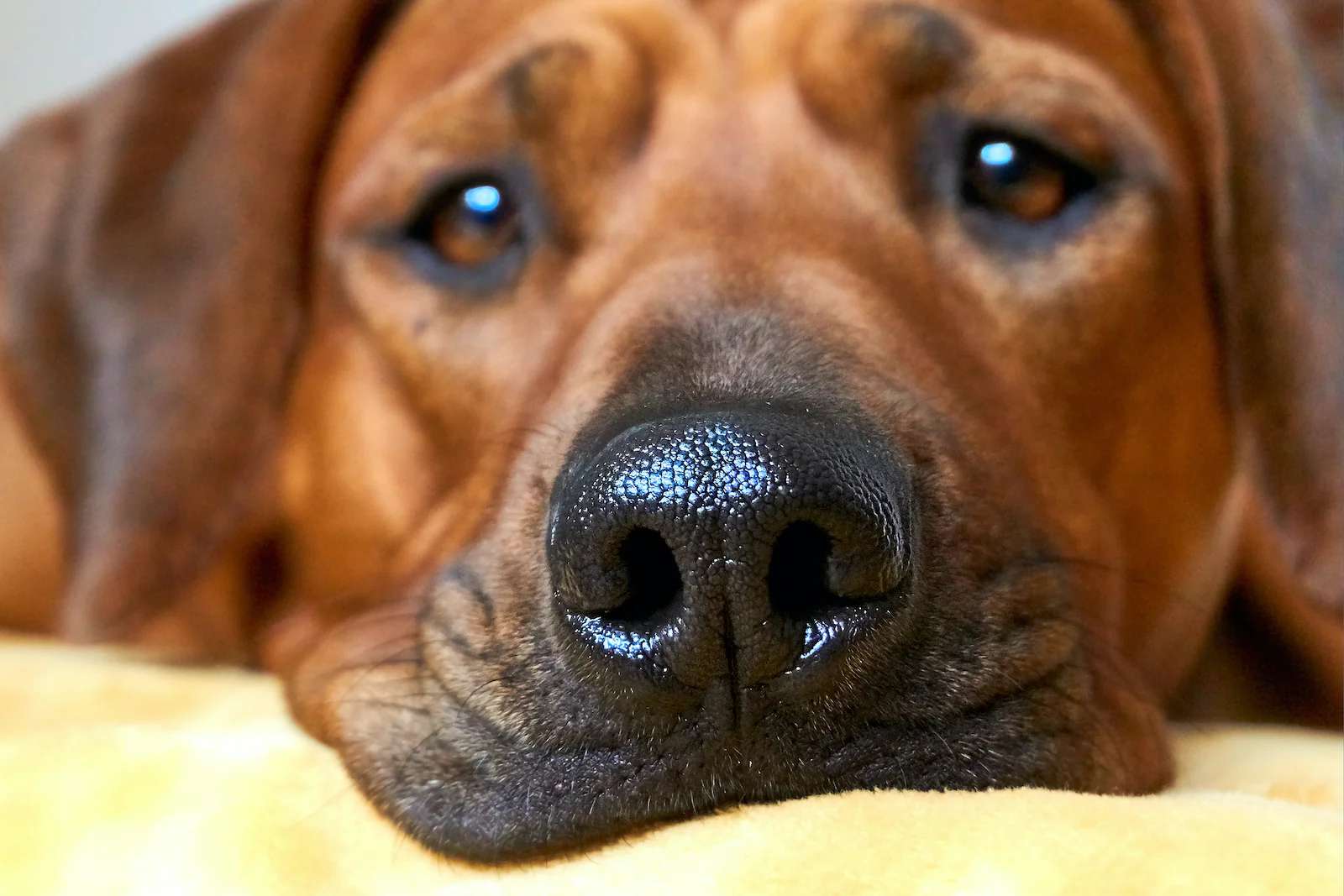
Treatment depends entirely on the identified cause. Here is what veterinarians most commonly prescribe for each underlying issue.
| Cause | Treatment |
|---|---|
| Environmental allergies | Antihistamines, corticosteroids, immunotherapy injections, biologics |
| Food allergies | Elimination diet, hypoallergenic food, novel protein diet |
| Bacterial infection | Antibiotics (2–4 week course), nasal flush |
| Viral infection (kennel cough, influenza) | Supportive care, rest, fluids, sometimes antibiotics for secondary infection |
| Fungal infection (aspergillosis) | Antifungal medications (topical nasal infusion or oral, long-term) |
| Nasal mites | Ivermectin, milbemycin oxime, or selamectin antiparasitic medication |
| Foreign object | Manual removal or surgical endoscopic extraction |
| Nasal polyps | Surgical removal, possible follow-up treatment to prevent recurrence |
| Nasal tumor | Surgery, radiation therapy, palliative care depending on staging |
| Canine distemper | Supportive care, anticonvulsants, antibiotics for secondary infections |
| Dental abscess | Dental extraction, antibiotics, anti-inflammatories |
| Overheating | Cooling, hydration, rest |
Prevention: Reducing the Risk of a Runny Nose in Your Dog
Preventing nasal discharge is not always possible, but several steps significantly reduce the risk of the most common causes.
Keep your dog’s vaccinations current. Core vaccines including distemper, kennel cough, and canine influenza protect against some of the most serious infectious causes of runny nose. Follow the schedule your vet recommends.
Maintain good dental hygiene. Brush your dog’s teeth regularly and schedule professional dental cleanings as your vet advises. Dental disease is an underestimated cause of chronic nasal discharge.
Minimize allergen exposure. Keep your home clean and free of dust buildup. Use pet-safe cleaning products. Avoid burning scented candles or using heavily fragranced sprays indoors. Run an air purifier during high pollen seasons.
Avoid high-risk social situations during illness outbreaks. Skip doggy daycare or boarding kennels if respiratory illness is circulating. Keep your dog away from unknown or unvaccinated animals during seasonal infection peaks.
Schedule regular vet checkups. Routine exams catch early signs of nasal issues before they become serious. Early detection of polyps or tumors significantly improves treatment outcomes.
Runny Nose in Puppies vs. Senior Dogs: Key Differences
| Factor | Puppies | Senior Dogs (7+ years) |
|---|---|---|
| Most likely cause | Congenital abnormality, viral infection, toxin exposure | Dental disease, nasal tumor, systemic illness |
| Immune system | Still developing — more vulnerable to infections | Weakening — slower recovery |
| How quickly to act | Within 24 hours of any discharge | Within 24 hours of any colored or one-sided discharge |
| Vaccination status | May be incomplete — higher viral risk | Should be current — confirm with vet |
| Risk of serious illness | Higher for distemper and kennel cough | Higher for cancer and dental-related causes |
Puppies and senior dogs should not be managed with a wait-and-see approach for more than one day. Both groups are significantly more vulnerable than healthy adult dogs, and delays in treatment can allow conditions to worsen rapidly.
Frequently Asked Questions (FAQs)
Why is my dog’s nose running clear liquid?
Clear liquid discharge is usually caused by allergies, mild irritants, overheating, or excitement. It is typically nothing to worry about unless it persists beyond 2 to 3 days.
Why is my dog’s nose running with yellow or green discharge?
Yellow or green discharge almost always indicates a bacterial infection or a secondary bacterial infection following a viral illness. See your vet for an antibiotic evaluation.
Can dogs get colds like humans?
Dogs cannot catch human colds, but they do get their own respiratory viruses including canine influenza and kennel cough, which produce very similar symptoms including a runny nose and lethargy.
Should I give my dog Benadryl for a runny nose?
Benadryl can help if allergies are the confirmed cause, but it is not effective for all causes of a runny nose. Always confirm the cause with a vet before giving any medication to your dog.
Is a runny nose in dogs contagious to other dogs?
If the cause is viral or bacterial — such as kennel cough or canine influenza — yes, it is highly contagious. Keep infected dogs away from other pets until symptoms have fully resolved for at least two weeks.
Why is only one of my dog’s nostrils running?
One-sided discharge almost always points to a foreign object stuck in that nostril, a dental abscess on the upper teeth, a nasal polyp, or a tumor. This warrants a vet visit even if discharge appears mild.
How long should I wait before seeing a vet about my dog’s runny nose?
If the discharge is clear and your dog is otherwise normal, 2 to 3 days of home monitoring is acceptable. Any colored, bloody, or one-sided discharge warrants a same-day or next-day vet visit.
Can a dog’s runny nose be caused by a tooth problem?
Yes. The roots of upper teeth sit very close to the nasal passages. An infected or abscessed upper tooth can break through into the nasal cavity and cause chronic, often one-sided, pus-like discharge.
What breed of dog gets runny noses most often?
Brachycephalic (flat-faced) breeds including Pugs, Bulldogs, Boxers, and Boston Terriers are most prone to chronic nasal discharge due to their shortened nasal passages that restrict normal airflow and drainage.
Can stress or excitement cause a dog’s nose to run?
Yes. Emotional excitement and stress trigger clear nasal discharge in some dogs. This is temporary, harmless, and resolves on its own once the dog calms down.
Conclusion
Why is my dogs nose running is not a question with one simple answer — and that is exactly why it deserves a thorough, careful response.
In 2026, veterinarians continue to see runny nose cases caused by everything from seasonal pollen to serious fungal infections, and the color and pattern of the discharge remains the fastest way to triage the situation at home.
For most dogs, a short-term clear runny nose caused by allergies or mild irritation is manageable at home with a clean environment, a humidifier, and gentle nose cleaning.
But any discharge that persists beyond two to three days, changes color, turns bloody, or affects only one nostril deserves a prompt vet evaluation.
