

Why is my tongue sore is one of the most searched oral health questions in 2026 — and for good reason. Your tongue works non-stop every single day, helping you chew, swallow, taste, and speak.
When it hurts, even the simplest tasks become uncomfortable. Tongue soreness can range from a mild sting that disappears overnight to a persistent ache that signals something deeper.
Most cases are harmless and resolve on their own. But understanding the cause helps you treat it faster and know when to seek medical care.
What Does a Healthy Tongue Look Like?
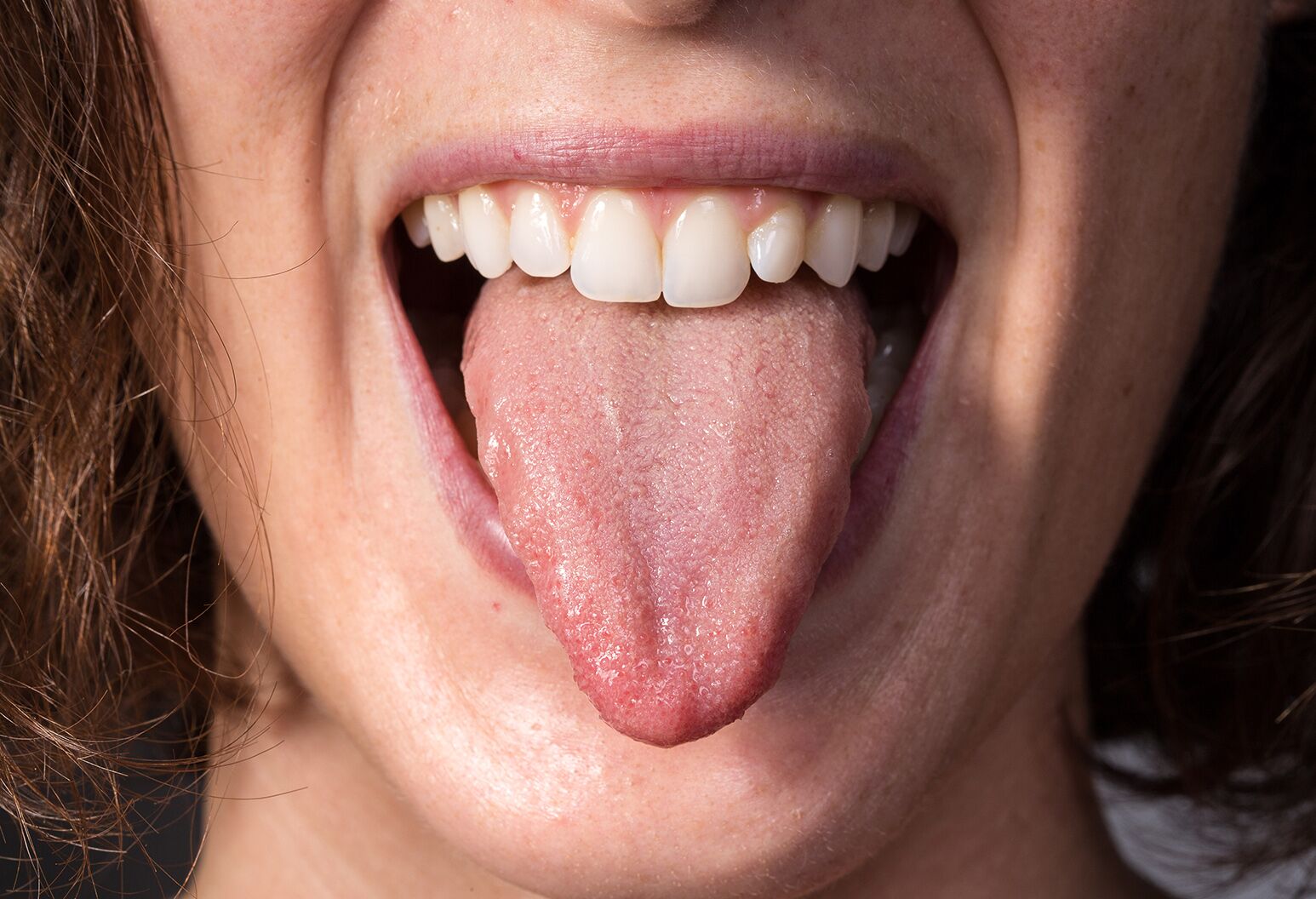
A healthy tongue is pinkish-red with small raised bumps on the surface called papillae. The underside is smooth with visible veins giving it a slight bluish tone.
A normal tongue moves freely, feels comfortable, and does not have patches, sores, or unusual colouring. Any change in texture, colour, or sensation that lasts more than two weeks deserves attention.
If your tongue feels painful, burns without reason, or develops white, red, or yellow patches, that is your body’s way of flagging a problem worth investigating.
Common Causes of a Sore Tongue
1. Accidental Biting or Physical Trauma
One of the most frequent reasons your tongue is sore is simply biting it accidentally while eating, talking, or sleeping. The resulting sore can swell, sting, and take several days to fully heal.
Sharp teeth, chipped fillings, misaligned teeth, or dental appliances like braces and dentures can continuously scrape the tongue. This repeated friction delays healing and makes the soreness worse over time.
Minor trauma typically heals within three to seven days without any treatment. Rinsing with warm saltwater can speed up the healing process and reduce discomfort.
2. Canker Sores (Aphthous Ulcers)
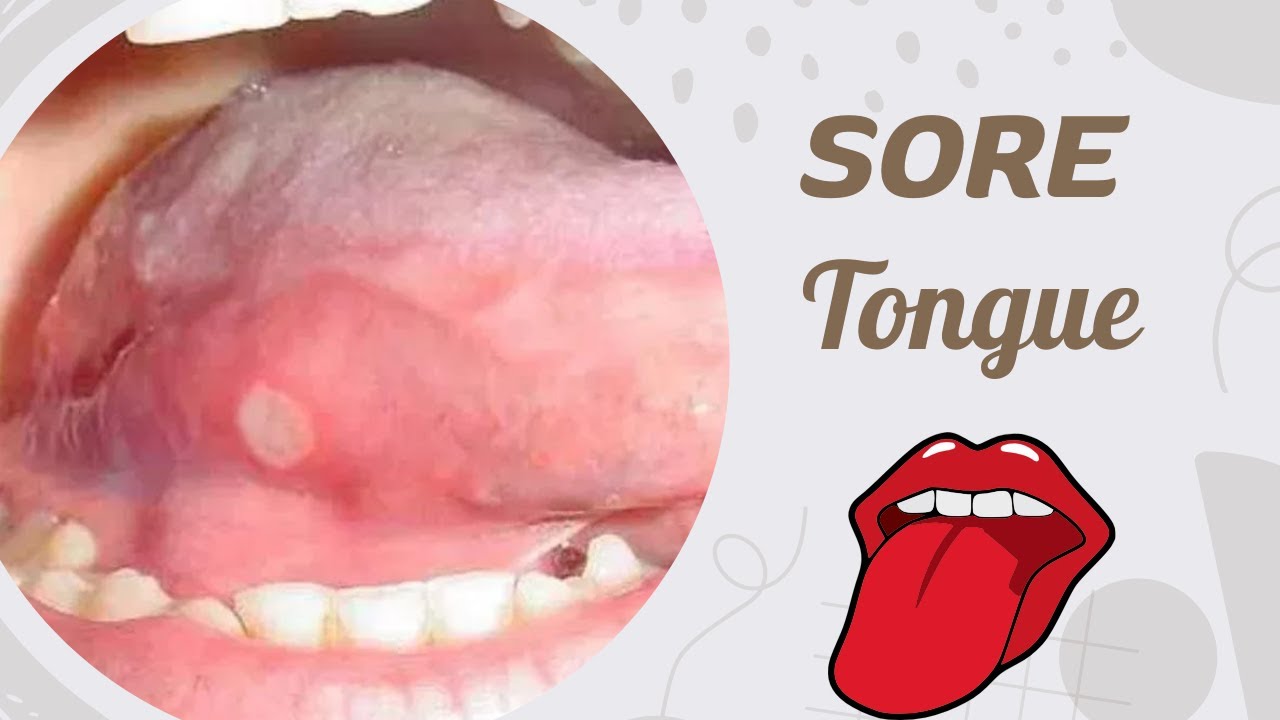
Canker sores are small, round ulcers that form inside the mouth, including on the tongue. They appear white or yellow with a red border and cause a stinging or burning sensation when eating or talking.
The exact cause is not fully understood, but known triggers include stress, hormonal changes, minor mouth injuries, vitamin deficiencies, and acidic or spicy foods like citrus and tomatoes.
Canker sores are not contagious and typically heal within seven to ten days on their own. Over-the-counter topical pain gels, saltwater rinses, and avoiding irritating foods all help manage discomfort. If they recur more than three times per year, see a doctor or dentist.
3. Burning Mouth Syndrome
Burning mouth syndrome causes a persistent burning, tingling, or numb feeling on the tongue without any visible sore or lesion. The sensation can feel exactly like you scalded your tongue on a hot drink.
It is more common in middle-aged and older women, particularly after menopause. Possible triggers include hormonal changes, dry mouth, nerve damage, nutritional deficiencies, and certain medications.
There is no single cure, but treatments including vitamin B supplements, topical capsaicin rinse, and addressing the underlying cause can significantly reduce symptoms. A doctor may also prescribe medications to manage nerve-related pain.
4. Oral Thrush (Candidiasis)
Oral thrush is a fungal infection caused by an overgrowth of Candida yeast in the mouth. It produces white or yellow patches on the tongue and inner cheeks that cause pain, a cotton-like feeling, and sometimes a loss of taste.
It is more common in people with weakened immune systems, diabetes, those using corticosteroid inhalers, or people who have recently taken a course of antibiotics. Antibiotics can disrupt the natural bacterial balance in the mouth and allow Candida to overgrow.
Treatment requires prescription antifungal medication such as fluconazole or clotrimazole. Good oral hygiene, limiting sugar intake, and avoiding unnecessary antibiotic use all help prevent recurrence.
5. Vitamin and Mineral Deficiencies
Low levels of certain vitamins and minerals are a well-documented cause of tongue soreness. Deficiency in vitamin B12, folic acid, iron, zinc, riboflavin (B2), niacin (B3), and vitamin B6 can all cause tongue pain, swelling, or changes in appearance.
Vitamin B12 deficiency in particular causes a condition called atrophic glossitis — where the tongue appears red, smooth, and glossy because the papillae waste away. It can also cause a burning or tingling sensation on the tongue. Iron deficiency causes the tongue to appear pale and smooth due to lack of haemoglobin.
Treatment involves eating a well-balanced diet rich in animal proteins, leafy greens, and fortified foods. A doctor may recommend blood tests to identify specific deficiencies and prescribe supplements or injections if needed.
Key Nutrients Linked to Tongue Soreness:
| Nutrient | Deficiency Effect on Tongue |
|---|---|
| Vitamin B12 | Red, smooth tongue (atrophic glossitis), burning, tingling |
| Folic Acid (B9) | Swollen, sore tongue |
| Iron | Pale, smooth tongue, painful mouth sores |
| Zinc | Tongue pain, taste disorders, impaired healing |
| Riboflavin (B2) | Sore, magenta-coloured tongue |
| Niacin (B3) | Swollen tongue, mouth sores |
| Vitamin B6 | Inflammation, cracked corners of mouth |
6. Geographic Tongue (Benign Migratory Glossitis)
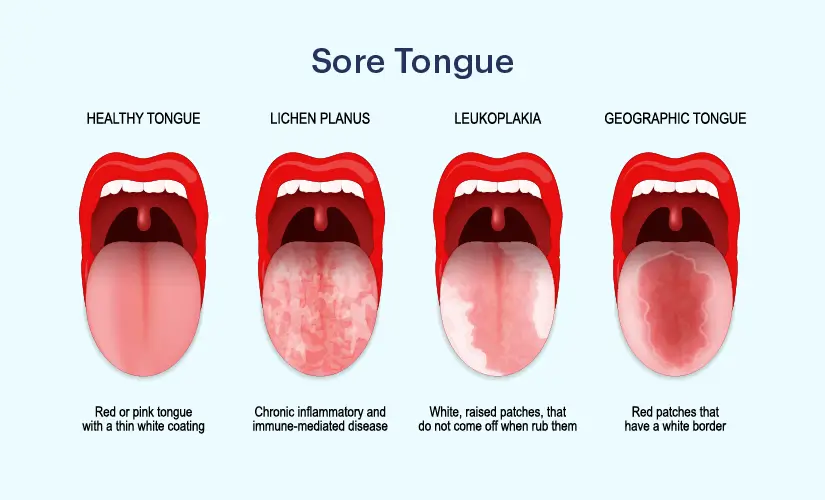
Geographic tongue is a harmless but visually striking condition where smooth, reddish patches appear on the tongue in a map-like pattern. The borders of these patches are often white or slightly raised.
The patches can shift location from day to day, which is why it is also called benign migratory glossitis. The condition is usually painless but can cause soreness or sensitivity to spicy, acidic, or hot foods.
No specific treatment is needed for geographic tongue unless it causes discomfort. A dentist may prescribe topical medications to ease symptoms. If red patches persist for more than two weeks, always get them checked to rule out more serious conditions.
7. Glossitis (Tongue Inflammation)
Glossitis refers to inflammation of the tongue. It can cause the tongue to become swollen, change colour, and lose its normal bumpy texture as the papillae disappear. The result is a smooth, glossy appearance alongside tongue soreness.
Causes of glossitis include bacterial, viral, or fungal infections, irritants like alcohol, tobacco and hot foods, allergic reactions, and nutritional deficiencies. Certain autoimmune conditions can also trigger glossitis.
Treatment depends entirely on the underlying cause. A doctor may prescribe anti-inflammatory medications, antibiotics, antifungals, or dietary supplements. Maintaining good oral hygiene and avoiding known irritants helps prevent flare-ups.
8. Oral Lichen Planus
Oral lichen planus is a chronic inflammatory condition that can cause white lacy patches, red areas, or open sores on the tongue and inside the mouth. It results from a faulty immune response where the body’s own immune cells attack the oral mucosa.
Stress, certain medications, dental plaque, and infections like hepatitis C are known to worsen symptoms. About two-thirds of people with oral lichen planus experience notable symptoms, including sensitivity to spicy or acidic foods.
Treatment focuses on managing symptoms rather than curing the condition. A doctor may prescribe corticosteroid rinses, topical immunosuppressants, or systemic medications for severe cases. Regular dental monitoring is important.
9. Infections: Bacterial, Viral, and Fungal
Various infections can cause your tongue to become sore. Herpes simplex virus (HSV-1) can produce cold sores on and around the tongue. Hand-foot-mouth disease causes small, painful ulcers inside the mouth including on the tongue.
Bacterial infections like syphilis can produce mouth sores that appear on or around the tongue. Glossopharyngeal neuralgia — a rare nerve condition — causes intense, electric shock-like pain in the tongue, throat, and tonsils, especially when swallowing.
Treatment varies by infection type. Viral infections may clear on their own or with antiviral medication. Bacterial infections like syphilis require a course of antibiotics. Fungal infections need prescription antifungal drugs.
10. Smoking and Tobacco Use
Heavy smoking irritates the tongue and can make it persistently sore. The heat, chemicals, and smoke all damage the delicate tissues of the tongue over time.
Smokers are also at significantly higher risk of developing leukoplakia — thick white patches on the tongue — and oral cancer. Both conditions are serious and require medical evaluation if patches last more than two weeks.
Quitting smoking is the most effective step for protecting your oral health. A doctor can suggest nicotine replacement therapy, medications, or counselling to support smoking cessation.
11. Allergic Reactions
Food allergies and reactions to oral care products like toothpaste, mouthwash, or dental materials can cause tongue swelling, tingling, or soreness. Sodium lauryl sulfate — a common foaming agent in toothpaste — is a frequent trigger for mouth and tongue irritation.
Sudden severe tongue swelling following eating or taking a new medication can be a sign of anaphylaxis — a life-threatening allergic emergency. This requires immediate medical attention.
Mild allergic reactions causing tongue soreness can often be managed by identifying and avoiding the trigger. Switching to a sodium lauryl sulfate-free toothpaste can make a noticeable difference for sensitive individuals.
12. Burns from Hot Food or Drinks
A rushed sip of hot coffee or a bite of freshly baked pizza can scald the tongue. Burned tongue tissue becomes tender, swollen, and sensitive for several days following the injury.
This type of sore tongue typically resolves on its own within three to five days. Cool foods, ice chips, and soft bland foods speed recovery. Avoiding further heat exposure while the tissue heals is essential.
Over-the-counter oral pain gels can help manage discomfort in the days following a burn. If the pain is severe or does not improve after a week, a doctor should examine the tongue.
13. Dry Mouth (Xerostomia)
Dry mouth occurs when the salivary glands do not produce enough saliva. Without adequate saliva, the tongue can become sore, irritated, and more vulnerable to infections like oral thrush.
Common causes include certain medications (antihistamines, antidepressants, diuretics), dehydration, mouth breathing, diabetes, and autoimmune conditions like Sjögren’s syndrome.
Treatment focuses on the underlying cause. A doctor may switch medications, recommend saliva substitutes, or prescribe medications that stimulate saliva production. Sipping water frequently throughout the day also helps manage symptoms.
14. Dental Appliances and Ill-Fitting Dentures
Braces, retainers, dentures, and sharp-edged crowns can continuously rub against the tongue, creating persistent soreness especially along the sides and tip. The friction is often worse on the lateral edges of the tongue.
If dental hardware is causing chronic tongue irritation, visit your dentist to have the fit or edges adjusted. Dental wax can be applied temporarily to braces or sharp appliances to reduce friction while awaiting a permanent fix.
Ill-fitting dentures are a particularly common cause of tongue soreness in older adults. Regular dental check-ups help ensure appliances continue to fit correctly as the mouth changes with age.
15. Underlying Medical Conditions
Several systemic health conditions can cause or contribute to a sore tongue. Diabetes increases the risk of oral infections including thrush. Anaemia — especially pernicious anaemia — causes the tongue to appear red, smooth, and sore.
Behçet’s disease causes blood vessel inflammation throughout the body including recurrent mouth sores. Scarlet fever produces a characteristic “strawberry tongue” — bright red and bumpy. Kawasaki disease in children can also cause a cracked, red strawberry tongue.
Any tongue soreness that accompanies other unexplained symptoms like fatigue, fever, weight loss, or swollen lymph nodes should be evaluated by a doctor promptly.
Sore Tongue by Location
Where the soreness is located on your tongue can give you important clues about the cause.
| Location | Likely Cause |
|---|---|
| Tip of tongue | Burns, biting, canker sores, geographic tongue |
| Side of tongue | Dental appliance friction, biting, canker sores, oral cancer |
| Underside of tongue | Canker sores, cysts, nerve irritation |
| Back of tongue | Tonsil-related infections, glossopharyngeal neuralgia |
| Entire tongue | Glossitis, vitamin deficiency, allergic reaction, oral thrush |
| One spot | Trauma, canker sore, ulcer, early-stage cancer |
Home Remedies for a Sore Tongue
Most causes of a sore tongue can be managed at home while you recover. These remedies help ease pain and support healing.
Saltwater Rinse Mix half a teaspoon of salt in a glass of warm water and rinse gently for 30 seconds. This reduces inflammation, kills bacteria, and promotes healing. Repeat two to three times per day.
Ice and Cold Foods Sucking on ice chips or eating cold, soft foods like yogurt, smoothies, and cold soup soothes sore tissue. Cold reduces swelling and numbs pain temporarily without any medication.
Aloe Vera Gel Aloe vera has natural anti-inflammatory and soothing properties. Applying food-grade aloe vera gel directly onto a sore tongue or ulcer can reduce pain and speed up tissue repair.
Avoid Irritating Foods Spicy, acidic, salty, and hot foods all worsen tongue soreness and delay healing. Stick to soft, bland, cool foods like mashed potatoes, oatmeal, bananas, and yogurt until the tongue heals.
Switch Your Toothpaste If your tongue is frequently sore, try switching to a sodium lauryl sulfate-free toothpaste. Many people find this simple change reduces tongue and mouth irritation significantly.
Over-the-Counter Oral Gels Topical anaesthetic gels containing benzocaine can be applied directly to sore spots on the tongue. They provide temporary numbing relief, especially useful before meals.
Good Oral Hygiene Brushing teeth twice daily with a soft toothbrush, flossing, and using an antimicrobial mouthwash helps prevent infection in tongue sores. Use a tongue scraper gently to remove bacteria without worsening irritation.
Stay Hydrated Drinking plenty of water keeps the mouth moist and prevents dry mouth — which can worsen tongue soreness. Aim for at least eight glasses of water per day.
Home Remedy Quick Reference
| Remedy | Best For | How Often |
|---|---|---|
| Warm saltwater rinse | Canker sores, minor injuries | 2–3 times daily |
| Ice or cold food | Burns, swelling, general pain | As needed |
| Aloe vera gel | Ulcers, inflammation | 2 times daily |
| OTC topical gel | Acute pain before eating | As directed |
| Soft bland diet | All causes during healing | Until healed |
| SLS-free toothpaste | Recurring sensitivity | Daily |
Medical Treatments for a Sore Tongue
When home remedies are not enough, a doctor or dentist can prescribe targeted treatments depending on the cause.
Antifungal Medications Oral thrush requires prescription antifungals like fluconazole (Diflucan) or clotrimazole lozenges. The full course must be completed even if symptoms improve early.
Antibiotics Bacterial infections including syphilis-related mouth sores are treated with antibiotics. The specific antibiotic and duration depend on the bacteria involved.
Corticosteroids For inflammatory conditions like oral lichen planus or severe canker sores, a doctor may prescribe corticosteroid rinses or gels to reduce immune-driven inflammation.
Vitamin Supplements and Injections Deficiencies in B12, folic acid, or iron confirmed by blood tests are treated with high-dose oral supplements or injections. B12 injections are often needed when the gut cannot absorb the vitamin adequately.
Prescription Mouthwash Antimicrobial or corticosteroid prescription mouthwashes help prevent secondary infections and reduce inflammation in persistent or recurrent tongue sores.
Nerve Pain Medications For burning mouth syndrome with a nerve-related cause, a doctor may prescribe low-dose antidepressants, anticonvulsants, or other neuropathic pain medications.
When to See a Doctor About a Sore Tongue
Most sore tongues heal within one to two weeks without any professional treatment. However, certain warning signs should never be ignored.
See a doctor or dentist promptly if you notice any of the following:
- A sore or ulcer that does not heal within two weeks
- A lump, thickened area, or hard spot on the tongue
- Red or white patches that persist and do not move or change
- Unexplained bleeding from the tongue
- Difficulty swallowing, speaking, or moving the tongue
- Tongue pain accompanied by fever, swollen lymph nodes, or fatigue
- Sudden severe tongue swelling (possible allergic emergency — call emergency services)
- Recurring canker sores more than three times per year
- Any patch or sore that is growing in size
These symptoms can sometimes indicate oral cancer, severe infections, or serious underlying conditions that require early diagnosis and treatment.
Tongue Soreness and Oral Cancer: What to Know
Most sore tongues are not cancer. However, tongue cancer does exist and early detection significantly improves outcomes. Risk factors include heavy tobacco use, excessive alcohol consumption, HPV infection, and a history of oral cancer.
Tongue cancer often begins as a painless red or white patch, a lump, or a persistent ulcer on the side of the tongue. As it progresses it may cause pain, bleeding, or difficulty swallowing.
Any patch or sore that has not healed in two weeks should be evaluated by a dentist or doctor. A biopsy — where a small tissue sample is taken and examined — is the definitive way to check for abnormal or cancerous cells.
How Doctors Diagnose a Sore Tongue
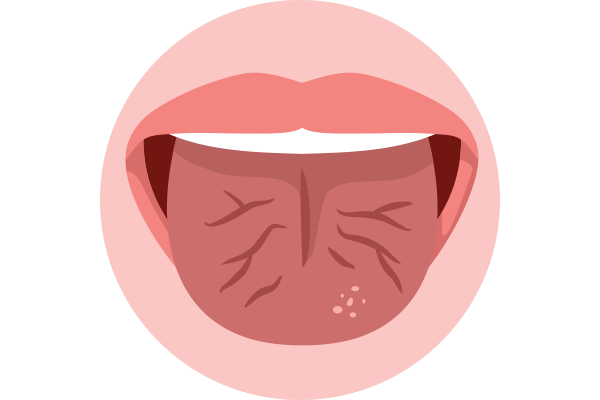
A doctor or dentist will typically begin with a thorough visual examination of the tongue, looking for signs of inflammation, lesions, patches, or discolouration.
They will ask about the duration of symptoms, any recent injuries, medications, dietary habits, oral hygiene routine, and lifestyle factors like smoking or alcohol use.
Blood tests may be ordered to check for vitamin deficiencies, anaemia, blood glucose levels, or infections. If a suspicious lesion is found, a biopsy may be performed to rule out cancer or precancerous changes.
Foods to Eat and Avoid With a Sore Tongue
Foods to Eat:
| Safe Food | Reason |
|---|---|
| Yogurt | Soft, cool, contains probiotics |
| Mashed potatoes | Soft, bland, easy to swallow |
| Oatmeal | Gentle on sore tissue |
| Smoothies | Nutrient-rich, cool, no chewing required |
| Cold soup | Easy to consume, hydrating |
| Bananas | Soft, non-acidic |
| Scrambled eggs | Soft, protein-rich for healing |
Foods to Avoid:
| Food to Avoid | Why |
|---|---|
| Spicy foods | Irritate and inflame sore tissue |
| Citrus fruits | Acidic, worsen ulcers and sores |
| Tomatoes | Highly acidic |
| Salty snacks | Sting open sores |
| Hot drinks | Delay healing, worsen burns |
| Alcohol | Dries the mouth, irritates tissue |
| Hard or crunchy foods | Can re-injure healing tissue |
How to Prevent a Sore Tongue
Prevention is always easier than treatment. Several daily habits reduce the risk of tongue soreness significantly.
Brush teeth twice daily with a soft-bristled toothbrush and floss once a day. Use a tongue scraper gently to remove bacteria without damaging the papillae.
Eat a well-balanced diet rich in B vitamins, iron, zinc, and folate. Include eggs, lean meats, fish, leafy greens, legumes, and fortified cereals in your regular meals.
Avoid heavy smoking and limit alcohol intake. Both dry the mouth, irritate oral tissues, and significantly raise the risk of oral cancer.
Stay well hydrated throughout the day. Drink water instead of sugary or acidic drinks that erode oral tissues and upset the bacterial balance in the mouth.
Visit a dentist regularly — at least twice per year. Regular check-ups catch early problems including ill-fitting dental appliances, early lesions, and signs of nutritional deficiencies reflected in the tongue.
Frequently Asked Questions (FAQs)
Why is my tongue sore for no reason?
Many cases of unexplained tongue soreness are caused by minor trauma, canker sores, or vitamin deficiencies that are easy to miss. If soreness persists beyond two weeks without improvement, see a doctor for a proper diagnosis.
Can stress cause a sore tongue?
Yes. Stress is a known trigger for canker sores and burning mouth syndrome, both of which cause tongue pain. Managing stress through sleep, exercise, and relaxation techniques can reduce recurrence.
What vitamin deficiency causes a sore tongue?
Deficiencies in vitamin B12, folic acid, iron, zinc, and riboflavin (B2) are the most common nutrient-related causes of tongue soreness. A simple blood test can identify which nutrient is low.
How long does a sore tongue usually last?
Most sore tongues caused by minor injuries, canker sores, or burns heal within seven to fourteen days. If your tongue is still sore after two weeks, you should see a doctor or dentist.
Is a sore tongue a sign of oral cancer?
Rarely, but it can be. A persistent sore, lump, or non-healing patch on the tongue lasting more than two weeks — especially on the side — should always be evaluated by a doctor to rule out oral cancer.
What is the fastest home remedy for a sore tongue?
A warm saltwater rinse repeated two to three times daily is one of the most effective and fastest home remedies. Ice and cool foods also provide quick, immediate relief from tongue pain and swelling.
Can a sore tongue be caused by an allergy?
Yes. Allergic reactions to foods, medications, or oral care products like toothpaste containing sodium lauryl sulfate can cause tongue soreness, swelling, or tingling. Sudden severe swelling requires emergency attention.
Should I be worried if only one side of my tongue is sore?
A sore on one specific side of the tongue is often caused by a sharp tooth, dental appliance rubbing, or a canker sore. If a one-sided sore does not heal within two weeks, see a dentist to rule out more serious causes.
Can acid reflux cause a sore tongue?
Yes. Stomach acid that reaches the mouth through acid reflux can irritate the tongue and contribute to burning mouth syndrome. Managing GERD with diet changes and medication often improves tongue symptoms.
When should I go to the doctor for a sore tongue?
See a doctor if the sore lasts more than two weeks, is accompanied by a lump or hard area, bleeds unexpectedly, causes difficulty swallowing or speaking, or comes with fever or swollen lymph nodes.
Conclusion
Why is my tongue sore is a question with many answers — and thankfully most of them are straightforward. The vast majority of sore tongue cases are caused by minor injuries, canker sores, nutritional deficiencies, or temporary infections that heal without medical intervention.
Simple steps like a saltwater rinse, a soft diet, and good oral hygiene resolve most episodes within a week or two.
However, your tongue can also reflect deeper health issues. Vitamin deficiencies, fungal infections, autoimmune conditions, and — rarely — oral cancer can all begin with tongue soreness. The key is to know your body and pay attention to symptoms that persist or worsen.
If your sore tongue does not improve within two weeks, or if it comes with other worrying symptoms like lumps, unexplained bleeding, or difficulty swallowing, do not delay seeing a healthcare professional.
Early diagnosis is always your best protection. Take care of your tongue and it will take care of you.
