

Why are my dogs eyes red? This is one of the most common questions pet owners ask, and the answer is not always simple.
Red eyes in dogs can range from a mild allergic reaction to a serious condition like glaucoma or a corneal ulcer.
Knowing the difference could protect your dog’s vision.
What Does It Mean When a Dog Has Red Eyes?
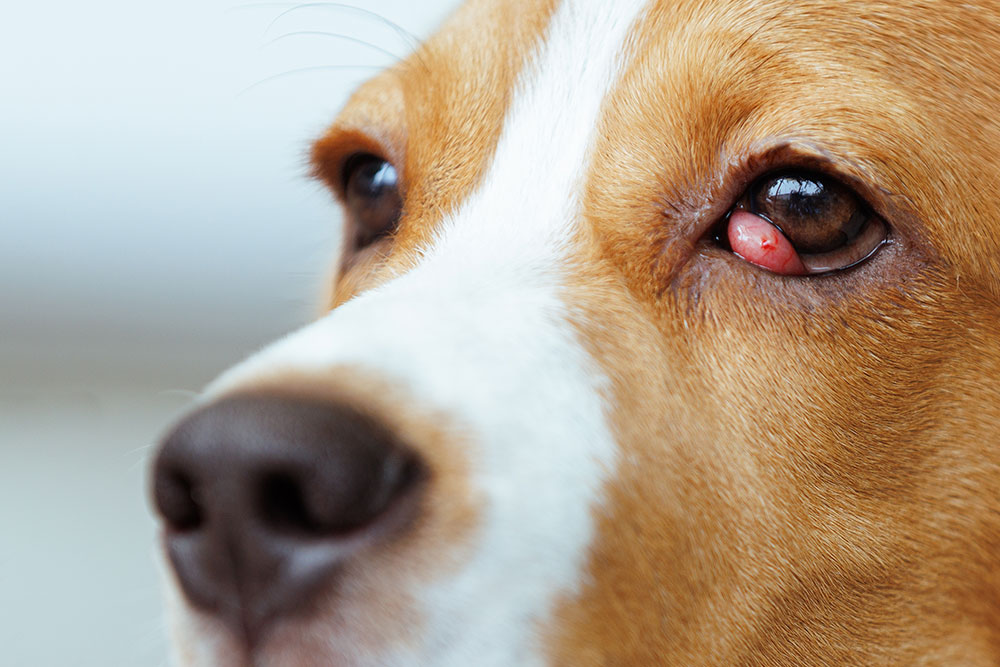
Red eyes in dogs occur when blood vessels in and around the eye become enlarged, irritated, or inflamed. The white of the eye (sclera) takes on a pink or bloodshot appearance, sometimes with visible red streaks.
It is not always an emergency. Mild redness from dust or a light irritant can clear up on its own within hours. But redness combined with squinting, discharge, cloudiness, or pain is a sign that something more serious is happening.
Always take red eyes seriously. The eye is a delicate organ, and many conditions that cause redness can worsen rapidly and lead to permanent vision loss if left untreated.
Common Causes of Red Eyes in Dogs
There are more than a dozen reasons why your dog’s eyes might be red. Below are the most common causes, organized from mild to serious.
1. Allergies
Allergies are the most frequent cause of red eyes in dogs. Just like humans, dogs can react to pollen, dust, mold, dander, household cleaners, and food allergens.
Seasonal allergies are especially common in spring and fall. The eyes become red, watery, and itchy. You may notice your dog rubbing their face on the carpet or pawing at their eyes.
Dogs with large or prominent eyes are even more vulnerable to environmental allergens because the eye surface is more exposed. Breeds with flat faces are at higher risk for this reason.
2. Conjunctivitis (Pink Eye)
Conjunctivitis is inflammation of the conjunctiva — the moist tissue lining the inside of the eyelids and the white surface of the eye. It is one of the most common eye conditions in dogs.
Pink eye in dogs can be infectious (caused by bacteria or viruses) or non-infectious (caused by allergies, irritants, or injury). Both types cause redness, swelling, and discharge.
Symptoms include yellow or green discharge, crusty buildup at the corners of the eyes, squinting, and excessive blinking. Your vet will need to determine whether it is infectious or not before prescribing treatment.
3. Dry Eye (Keratoconjunctivitis Sicca — KCS)
Dry eye, known medically as keratoconjunctivitis sicca (KCS), happens when the tear glands fail to produce enough moisture to keep the eye surface lubricated. Without tears, the cornea dries out, becomes inflamed, and turns red.
KCS is often caused by an immune-related problem that attacks the tear glands. It can also result from trauma, distemper infection, or certain medications. Without treatment, dry eye leads to permanent scarring and vision loss.
Signs include a thick, goopy discharge, chronic squinting, and a dull or cloudy appearance to the eye surface. Treatment typically involves lifelong use of cyclosporine or tacrolimus eye drops to stimulate tear production.
4. Corneal Ulcers
A corneal ulcer is an open sore on the surface of the eye. The cornea is the clear outer layer — when it is scratched or damaged, bacteria can invade and cause a painful, deep infection.
Most corneal ulcers result from injury — a scratch from a branch, a swipe from another animal, or a foreign object like dirt or grass embedded in the eye. Flat-faced breeds are particularly susceptible because their eyes protrude more.
Symptoms include intense redness, squinting, tearing, and visible cloudiness on the eye. Vets diagnose corneal ulcers by staining the eye with fluorescein dye. Treatment ranges from antibiotic eye drops for superficial ulcers to surgical grafting for deep or infected ones.
5. Glaucoma
Glaucoma is a serious, painful condition caused by a dangerous buildup of fluid and pressure inside the eye. If not treated quickly, it can lead to permanent blindness — often within 24 to 48 hours of onset.
The eye may appear visibly enlarged, red, and cloudy. The pupil may be dilated and unresponsive to light. Dogs with glaucoma are often in significant pain and may be reluctant to open the affected eye.
Glaucoma can be primary (hereditary) or secondary (resulting from another disease like diabetes or uveitis). It is a veterinary emergency. Do not wait if you suspect glaucoma — call your vet immediately.
6. Uveitis
Uveitis is inflammation of the uvea, the middle layer of the eye that includes the iris, ciliary body, and choroid. It is painful and causes the eye to appear red, often with a cloudy surface and an abnormally shaped pupil.
Causes of uveitis are wide-ranging and include bacterial and viral infections, metabolic diseases like diabetes, toxins, eye trauma, and even tumors. In some cases, the cause is never identified.
Without treatment, uveitis causes the internal structures of the eye to stick together, blocking fluid drainage and leading to secondary glaucoma. Treatment typically involves topical and oral anti-inflammatory medications.
7. Cherry Eye
Cherry eye occurs when the gland of the dog’s third eyelid (nictitating membrane) prolapses and becomes exposed. It appears as a round, red, swollen mass in the inner corner of the eye — visually similar to a cherry, which is where the name comes from.
Young dogs under one year old are most commonly affected. The condition is linked to a weakening of the connective tissue holding the gland in place. Certain breeds are genetically predisposed.
Mild cases may be managed with anti-inflammatory eye drops, but most require surgery to tuck the gland back into its correct position. Removing the gland entirely is now avoided because it contributes significantly to tear production.
8. Foreign Objects and Irritants
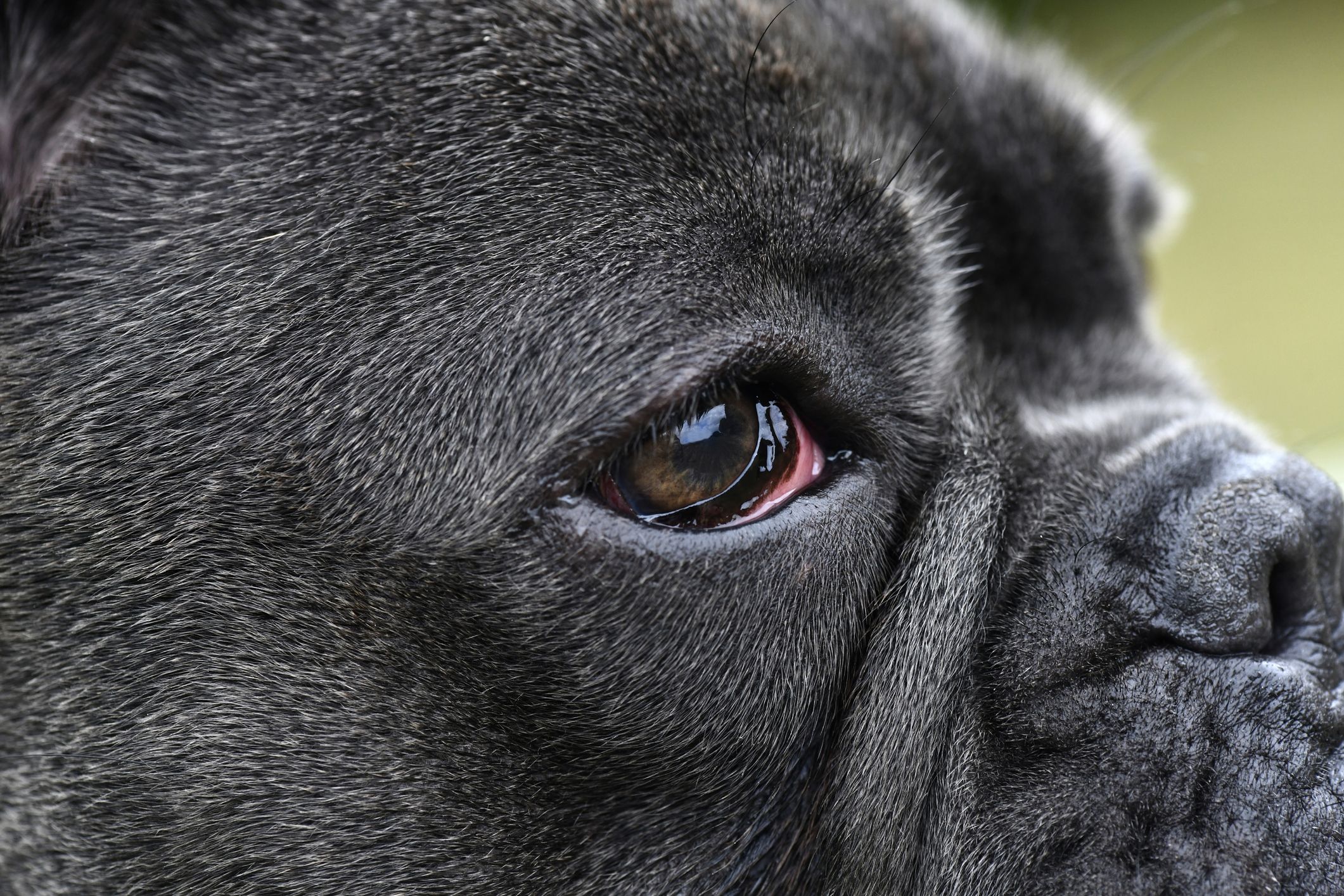
Dirt, grass seeds, dust, hair, smoke, cleaning sprays, and perfume can all get into a dog’s eye and trigger redness and irritation. This is one of the most common and straightforward causes of red eyes.
Dogs that run through tall grass, stick their heads out of car windows, or live in dusty environments are particularly at risk. In most cases, the redness resolves once the irritant is removed.
Never probe the eye with your fingers or cotton swabs. Gently flush with a sterile saline solution and monitor for improvement. If redness persists beyond a few hours or worsens, contact your vet.
9. Entropion and Ectropion
Entropion is a condition where the eyelid rolls inward, causing the hair or skin of the eyelid to rub against the surface of the eye. This chronic irritation leads to redness, tearing, and if untreated, corneal damage.
Ectropion is the opposite — the lower eyelid rolls outward, exposing the conjunctiva and making it vulnerable to dryness and infection. Both conditions are more common in certain breeds and often require surgical correction.
Dogs with these eyelid abnormalities may squint constantly, have watery or discolored discharge, and develop recurring eye infections.
10. Trauma and Injury
Any blow, scratch, or physical impact to the eye can cause sudden redness, swelling, and pain. Energetic dogs that play rough, explore dense brush, or get into scuffles with other animals are at high risk for eye injuries.
Trauma can result in internal bleeding, corneal injuries, detached retinas, or in severe cases, proptosis — where the eye is pushed out of the socket. This is a genuine emergency requiring immediate care.
Signs of eye trauma include sudden one-sided redness, visible bleeding, extreme squinting, and behavioral changes suggesting pain. Seek emergency veterinary care without delay.
11. Subconjunctival Hemorrhage
A subconjunctival hemorrhage is a broken blood vessel beneath the surface of the eye. It causes a dramatic-looking patch of red in the white of the eye but is usually not painful.
It can be caused by trauma, coughing, sneezing, vomiting, or elevated blood pressure. In some cases, it occurs without any obvious trigger. The patch typically resolves on its own within one to two weeks.
However, if it occurs alongside other symptoms or without any clear cause, it should still be evaluated by a vet to rule out underlying blood disorders or high blood pressure.
12. Exhaustion and Lack of Sleep
Sleep deprivation is a less common but real cause of red eyes in dogs. A dog that is not sleeping properly may have dry, irritated eyes that appear red and bloodshot.
If your dog’s sleeping habits have recently changed alongside red eyes, discuss both with your veterinarian. Underlying anxiety, pain, or a medical condition may be interfering with your dog’s rest.
Symptoms That Appear With Red Eyes
Red eyes alone do not always tell the whole story. The accompanying symptoms are often the key to identifying the cause.
| Symptom | Likely Cause |
|---|---|
| Watery, clear discharge | Allergies, irritants, early conjunctivitis |
| Yellow or green discharge | Bacterial infection, advanced conjunctivitis |
| Thick, goopy discharge | Dry eye (KCS) |
| Squinting and light sensitivity | Corneal ulcer, uveitis, glaucoma |
| Cloudy or hazy eye surface | Glaucoma, uveitis, corneal disease |
| Red swollen mass in inner corner | Cherry eye |
| Visible blood in the eye | Trauma, subconjunctival hemorrhage |
| Enlarged or bulging eye | Glaucoma, tumor, proptosis |
| Pawing at the eye | Pain from ulcer, foreign body, glaucoma |
| Crusty buildup at eyelid edges | Conjunctivitis, blepharitis |
| Only one eye affected | Injury, foreign body, unilateral infection |
| Both eyes affected | Allergies, systemic infection, distemper |
Breeds More Prone to Red Eyes
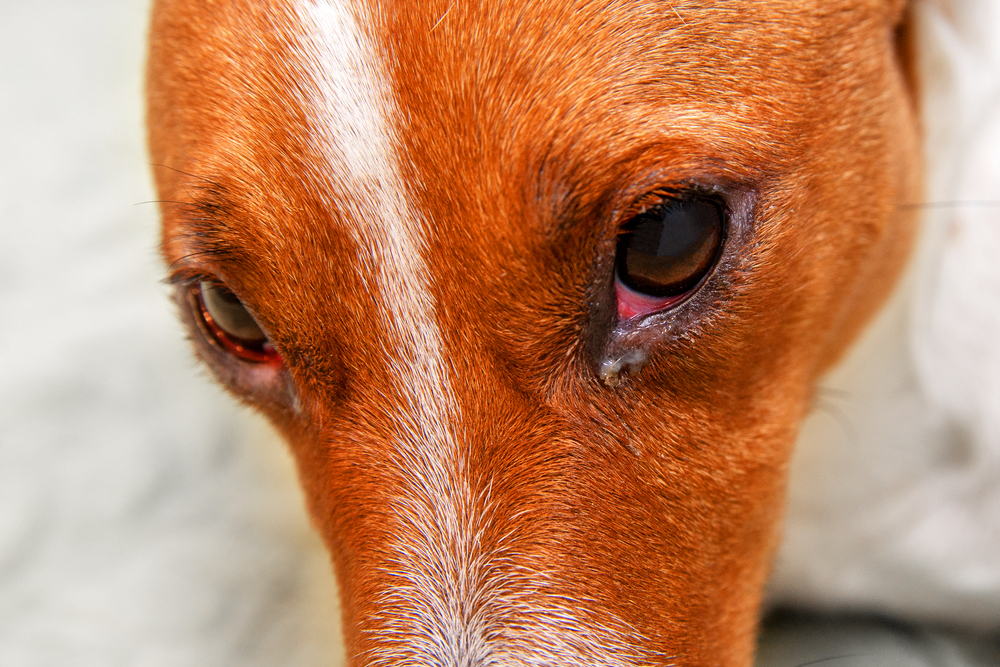
Some dog breeds are anatomically more vulnerable to eye conditions because of their facial structure.
| Breed Category | Examples | Common Eye Issues |
|---|---|---|
| Brachycephalic (flat-faced) | Pug, Bulldog, Shih Tzu, Boxer | Corneal ulcers, dry eye, cherry eye, proptosis |
| Loose facial skin | Basset Hound, Bloodhound, Cocker Spaniel | Ectropion, cherry eye, chronic infection |
| Long hair around eyes | Poodle, Maltese, Lhasa Apso | Irritation, epiphora, infection |
| Deep-set eyes | Chow Chow, Shar Pei | Entropion, corneal damage |
| Giant breeds | Mastiff, St. Bernard, Newfoundland | Cherry eye, ectropion |
If your dog belongs to one of these categories, schedule more frequent eye checks with your vet and watch closely for early signs of eye problems.
When Is It an Emergency?
Not all red eyes require an emergency visit. But some symptoms demand immediate attention and should never be delayed.
Call an emergency vet right away if your dog has:
Red eyes combined with intense squinting and pain — this suggests a corneal ulcer or glaucoma, both of which worsen rapidly. A cloudy or hazy appearance to the eye surface is another urgent warning sign.
Visible blood inside the eye (appearing as a red pool, not just redness on the surface) indicates internal bleeding from trauma or a serious vascular event.
A sudden large red swelling in the inner corner of the eye (cherry eye) in a puppy needs evaluation soon, though it is less immediately life-threatening.
Any red eye accompanied by signs of vision loss — bumping into furniture, reluctance to navigate stairs, or changes in pupil size — requires emergency care without waiting until morning.
How Vets Diagnose Red Eyes in Dogs
Your vet will conduct a thorough eye examination and may perform several diagnostic tests.
Schirmer Tear Test measures tear production. It involves placing a small paper strip at the edge of the lower eyelid for one minute. Low tear production confirms dry eye (KCS).
Fluorescein Staining involves applying a special orange dye to the eye surface. Areas that glow green under a blue light reveal corneal ulcers or scratches that are invisible to the naked eye.
Tonometry measures intraocular pressure (IOP) inside the eye. Elevated pressure confirms glaucoma. The test is quick and painless — a small probe gently touches the cornea surface.
Bacterial Culture and Sensitivity may be performed if an infection is suspected. A swab of the discharge is sent to a lab to identify the bacteria and determine which antibiotics will be most effective.
Blood Tests may be ordered if a systemic cause like diabetes, Cushing’s disease, or autoimmune disease is suspected as the underlying driver of the eye problems.
Treatment Options by Cause
Treatment depends entirely on the underlying diagnosis. There is no one-size-fits-all answer for red eyes in dogs.
| Cause | Treatment Options |
|---|---|
| Allergies | Antihistamines, corticosteroid eye drops, allergen avoidance |
| Conjunctivitis (bacterial) | Antibiotic eye drops or ointment, oral antibiotics if severe |
| Conjunctivitis (viral) | Supportive care, antiviral drops if indicated |
| Dry Eye (KCS) | Cyclosporine or tacrolimus drops, artificial tears, lifelong management |
| Corneal Ulcer | Antibiotic drops, pain relief, E-collar, surgery for deep ulcers |
| Glaucoma | Emergency pressure-reducing drops, surgery, long-term medication |
| Uveitis | Topical and oral anti-inflammatory drugs, treating underlying cause |
| Cherry Eye | Anti-inflammatory drops (mild), surgical repositioning (most cases) |
| Foreign Body | Saline flush, vet removal if embedded |
| Entropion / Ectropion | Surgical correction of the eyelid |
| Trauma | Protective E-collar, pain relief, surgery if severe |
Safe Home Remedies for Mild Cases
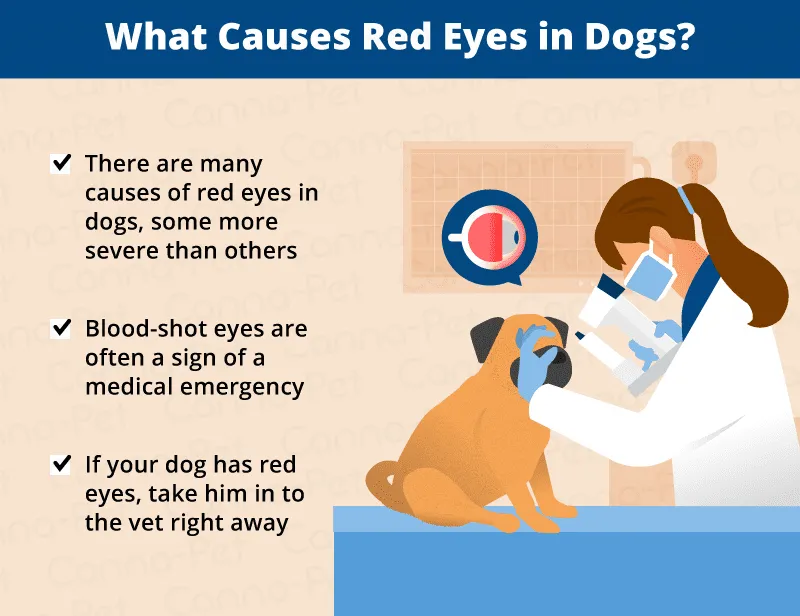
Home remedies are only appropriate for very mild, clearly identified causes like environmental irritants or very early allergy symptoms. Always consult your vet before applying anything to your dog’s eyes.
Sterile saline rinse is the safest option. Use a pet-specific eye wash or plain sterile saline (no added medications) to gently flush out dust, pollen, or mild irritants. Work from the inner corner of the eye outward.
Cooled chamomile tea applied with a clean cotton ball can help soothe mild inflammation. Chamomile has natural anti-inflammatory properties. Make sure it is fully cooled before touching the sensitive eye area.
Warm compress using a clean, damp cloth can reduce mild swelling and provide comfort. Use lukewarm water only, and do not press hard on the eye itself.
Antihistamines like Benadryl (diphenhydramine) may help with mild allergy-related redness. However, never give any medication — including human eye drops — without confirming the dose and safety with your vet first. Benadryl is not appropriate for dogs with glaucoma, high blood pressure, or heart disease.
Never use human eye drops containing decongestants (like Visine) on dogs. These can be harmful to canine eyes and may worsen certain conditions.
Preventing Red Eyes in Dogs
Prevention is always better than treatment. These habits reduce your dog’s risk of developing red eye problems.
Keep the hair around your dog’s eyes trimmed regularly, especially in long-haired breeds. Hair that pokes or rubs the eye causes chronic irritation and increases infection risk.
Clean your dog’s eye area gently with a damp cloth or vet-approved eye wipe as part of their regular grooming routine. This removes debris and dried discharge before it causes problems.
Avoid exposing your dog to smoke, strong chemical fumes, and dusty environments. These irritants inflame the eyes even in healthy dogs.
During walks, be cautious in tall grass and dense brush. Eye scratches from vegetation are a very common cause of corneal ulcers in dogs.
Limit your dog from sticking their head out of car windows at high speeds. Flying debris can cause serious eye injuries.
Schedule regular vet check-ups, especially for breeds prone to eye problems. Many conditions are much easier and cheaper to treat when caught early.
Red Eyes in Puppies vs. Senior Dogs
The causes and urgency of red eyes differ somewhat by age.
Puppies are most commonly affected by conjunctivitis, cherry eye, and reactions to environmental allergens as their immune systems adjust to the world. Cherry eye, in particular, is almost exclusively a condition of young dogs under one year old.
Adult dogs in peak health most often experience red eyes from allergies, environmental irritants, and occasional infections. These are usually manageable with prompt treatment.
Senior dogs are at higher risk for serious conditions including glaucoma, uveitis, dry eye, and tumors. Any new red eye in an older dog should be evaluated promptly, as the underlying cause is more likely to be serious.
Red Eyes in One Eye vs. Both Eyes
Whether one or both eyes are affected is an important clue.
Red eyes in both eyes at the same time typically point to systemic causes like allergies, viral infection, or canine distemper. Both-eye redness from allergens is usually mild and symmetrical.
Red eyes in only one eye are more likely to be caused by a localized problem — a foreign body, a scratch, a corneal ulcer, cherry eye, or unilateral infection. One-sided sudden redness should always be evaluated by a vet.
Frequently Asked Questions (FAQs)
Why are my dogs eyes red all of a sudden?
Sudden red eyes in dogs are most often caused by a foreign body, injury, allergic reaction, or the rapid onset of glaucoma. If accompanied by pain or squinting, treat it as a potential emergency and contact your vet right away.
Can I give my dog human eye drops for red eyes?
No. Human eye drops, especially those containing decongestants like Visine, can be harmful to dogs. Only use pet-specific eye washes or products your vet has specifically approved for your dog.
Are red eyes in dogs contagious to humans or other pets?
Bacterial conjunctivitis in dogs can potentially spread to other dogs through direct contact. However, most causes of red eyes in dogs — including allergies, dry eye, glaucoma, and cherry eye — are not contagious.
How long does it take for dog red eyes to clear up?
Mild cases caused by irritants or mild allergies may clear up within a few hours to a day. Infections typically improve within a few days of antibiotic treatment. Chronic conditions like dry eye require lifelong management.
What does it mean if my dog has red eyes and is squinting?
Squinting combined with red eyes is a sign of pain. This is commonly caused by a corneal ulcer, glaucoma, or uveitis — all of which require prompt veterinary attention to prevent permanent vision damage.
Can allergies cause red eyes in dogs?
Yes, allergies are the most common cause of red eyes in dogs. Environmental allergens like pollen, dust, and mold trigger inflammation and redness. Seasonal red eyes that return at the same time each year strongly suggest allergic conjunctivitis.
What breeds are most prone to red eyes?
Brachycephalic (flat-faced) breeds like Pugs, Bulldogs, Boxers, and Shih Tzus are most prone to eye problems including red eyes. Breeds with loose facial skin like Cocker Spaniels and Basset Hounds are also at higher risk.
Is cherry eye painful for dogs?
Cherry eye itself is not usually painful, but the exposed gland is vulnerable to drying out and infection, which can become painful. If the dog rubs the affected eye, corneal ulcers can develop. Prompt veterinary evaluation is important.
Should I take my dog to the vet for red eyes?
Yes, in most cases. Mild redness that clears up within a few hours in an otherwise healthy dog may not require a vet visit. But any redness lasting more than 24 hours, or accompanied by discharge, squinting, cloudiness, or pain, warrants a veterinary examination.
Can red eyes in dogs lead to blindness?
Yes, if the underlying cause is left untreated. Glaucoma, corneal ulcers, uveitis, and dry eye can all cause permanent vision loss or blindness if not managed appropriately and in time. Early treatment is critical.
Conclusion
Why are my dogs eyes red? As this guide shows, the answer could be as simple as seasonal allergies or as serious as glaucoma threatening your dog’s vision.
The most important thing you can do as a pet owner is pay close attention to the full picture — not just the redness, but every accompanying symptom.
Is your dog squinting? Is there discharge? Is only one eye affected? Does the surface look cloudy? These details help your vet pinpoint the cause and start the right treatment fast.
Never use human eye drops or self-diagnose without professional guidance. Most dog eye conditions respond very well to treatment when caught early.
Regular grooming, clean environments, routine vet check-ups, and breed-appropriate care go a long way toward preventing red eye problems altogether. When in doubt, call your vet — your dog’s eyesight is always worth the visit.
