

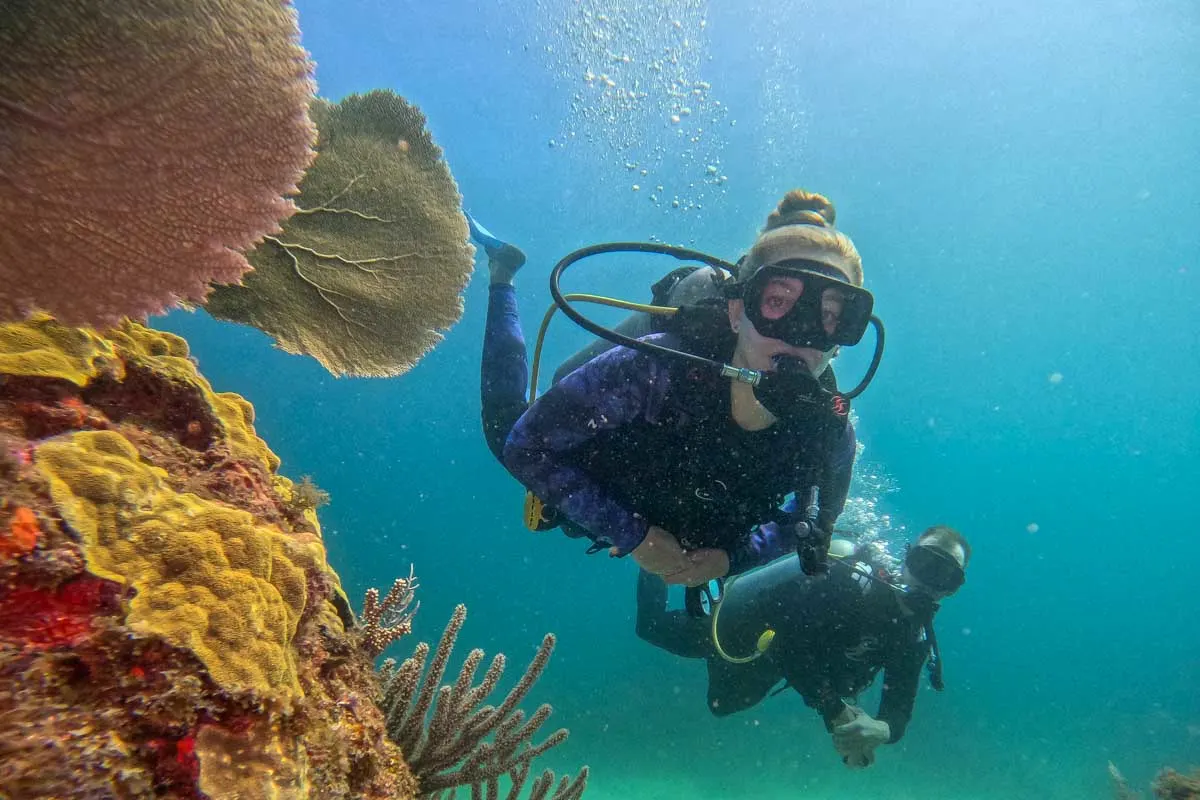
Water has always drawn human attention. Long before modern gear existed, people searched for ways to move below the surface and see what rested there. This article explains how underwater breathing activities developed, what happens beneath freshwater and saltwater surfaces, and why desert regions with lakes and reservoirs still attract interest. You will learn basic terms, safety ideas, environmental facts, and examples that show how people experience underwater spaces in many settings.
The goal is simple: explain a complex activity in clear language, without assuming prior knowledge.
A Short History of Breathing Underwater
Early underwater work relied on breath-holding. Ancient sponge collectors in the Mediterranean trained from childhood to stay submerged for minutes at a time. Progress remained slow until the 1800s, when surface-supplied air helmets appeared. These heavy systems allowed workers to stay below longer, though movement stayed limited.
Modern self-contained air systems emerged in the mid-1900s. Jacques Cousteau and Émile Gagnan helped refine open-circuit equipment that released air bubbles after each breath. This approach opened underwater spaces to scientists, photographers, and hobbyists.
According to the Smithsonian Institution, these systems reshaped marine research by allowing longer observation times and better mobility.
How Modern Scuba Equipment Works
The term “scuba” stands for Self-Contained Underwater Breathing Apparatus. Each part has a clear role. Understanding these parts helps explain why training matters.
Core Equipment Components
- Air cylinder: Stores compressed breathing gas, often regular air.
- Regulator: Lowers air pressure so lungs can use it safely.
- Buoyancy control device (BCD): A vest that adds or releases air to control floating or sinking.
- Mask and fins: Improve vision and movement efficiency.
- Weights: Offset natural buoyancy from the body and gear.
Air pressure increases with depth. For every 33 feet of seawater, pressure doubles. This fact explains why equalizing ear pressure and controlling ascent speed remain central safety topics.
Freshwater and Saltwater Sites Explained
Not all underwater settings look alike. Oceans, lakes, and reservoirs each offer different conditions.
Key Differences at a Glance
| Feature | Freshwater Sites | Saltwater Sites |
|---|---|---|
| Buoyancy | Less buoyant | More buoyant |
| Visibility | Varies widely | Often clearer |
| Wildlife | Fish, plants | Fish, coral |
| Water movement | Usually calm | Can include currents |
Freshwater locations often form around quarries, lakes, or dams. Saltwater areas cover reefs, coastal shelves, and open sea.
The U.S. Geological Survey notes that freshwater visibility depends heavily on runoff, algae growth, and seasonal changes.
Why Training Is Structured in Levels
Learning happens in stages. Entry-level programs focus on basic physics, hand signals, and equipment checks. Students practice in pools or calm water before open environments.
Higher levels introduce navigation, night conditions, or deeper ranges. Each level builds knowledge while adding responsibility.
A training instructor quoted by the Professional Association of Diving Instructors once explained it simply: “Skills stack on each other. Skipping steps raises risk.”
Desert Regions and Underwater Activity
At first glance, dry landscapes seem unrelated to underwater pursuits. Yet reservoirs, springs, and flooded quarries change that view. Large man-made lakes support boating, fishing, and underwater exploration.
One example often discussed online is scuba diving St George Utah, a phrase people use when talking about freshwater sites near arid terrain. The contrast itself draws curiosity: clear water surrounded by red rock and open sky.
These locations show that underwater environments exist far beyond coastlines.
Environmental Awareness Below the Surface
Human presence affects underwater spaces. Even small actions leave marks. Kicking sediment reduces visibility. Touching surfaces can damage fragile growth.
Environmental agencies promote low-impact habits:
- Maintain neutral buoyancy to avoid contact
- Keep fins away from the bottom
- Avoid collecting objects
- Follow posted site rules
The National Oceanic and Atmospheric Administration reports that responsible behavior helps preserve ecosystems for research and recreation alike.
Safety Concepts Explained Simply
Safety training focuses on prevention and response. Some ideas sound technical but are easy to grasp.
Common Safety Terms
- Equalization: Balancing pressure in ears by gentle techniques.
- Ascent rate: Speed of returning upward, kept slow to allow gas release.
- Buddy system: Staying with a partner for mutual assistance.
Accident statistics from Divers Alert Network show that most incidents stem from rushed decisions or skipped checks. Calm planning reduces those risks.
A Simple Case Example
A group of university students once used a freshwater reservoir for biology observation. The site had limited visibility and cool temperatures. Instructors adjusted the plan by shortening underwater time and increasing surface breaks.
The result was a successful study session with clear data and no injuries. The example shows how adapting plans to conditions supports both learning and safety.
Physical and Mental Effects
Moving underwater changes how the body feels. Breathing slows. Sound travels differently. Many people describe a sense of focus that feels distinct from surface activities.
Medical researchers note that slow breathing can lower heart rate. At the same time, cold water raises energy use. Proper exposure protection balances comfort and safety.
Anyone with medical concerns consults a physician before participating, especially for heart or lung conditions.
Costs and Time Commitment
People often ask what it takes to start. Costs vary by region and gear choices.
Typical Entry Expenses
| Item | General Cost Range |
|---|---|
| Training course | $300–$500 |
| Basic gear | $400–$700 |
| Air fills | $5–$10 each |
Time commitment includes classroom study, confined water practice, and open sessions. Many programs spread this over several weeks.
Technology and the Future
Equipment keeps improving. Lighter materials, digital gauges, and better insulation appear each year. Research teams also use underwater robots to reach places humans cannot.
These tools expand knowledge while keeping people safer. According to a 2023 report from Marine Technology Society, human and robotic systems often work together on surveys and inspections.
Closing Thoughts
Underwater breathing activities blend science, history, and careful planning. From ancient breath-holders to modern equipment users, the core idea remains the same: enter a hidden space with respect and preparation.
Freshwater reservoirs, coastal areas, and unexpected locations all offer chances to learn about geology, biology, and physics. With structured training, environmental care, and steady habits, people gain access to views few ever see.
Readers interested in learning more can explore scientific publications, training agency materials, and environmental research to deepen their understanding of life below the surface.
