

Why does the roof of my mouth hurt — this is one of the most common questions people ask their dentist or search online.
The roof of your mouth, also called the palate, is made of delicate tissue that reacts quickly to heat, infection, injury, and disease.
Pain in this area can range from a mild burning sensation to sharp, persistent discomfort. Understanding the cause is the first step to getting real relief.
Understanding the Anatomy of the Roof of Your Mouth
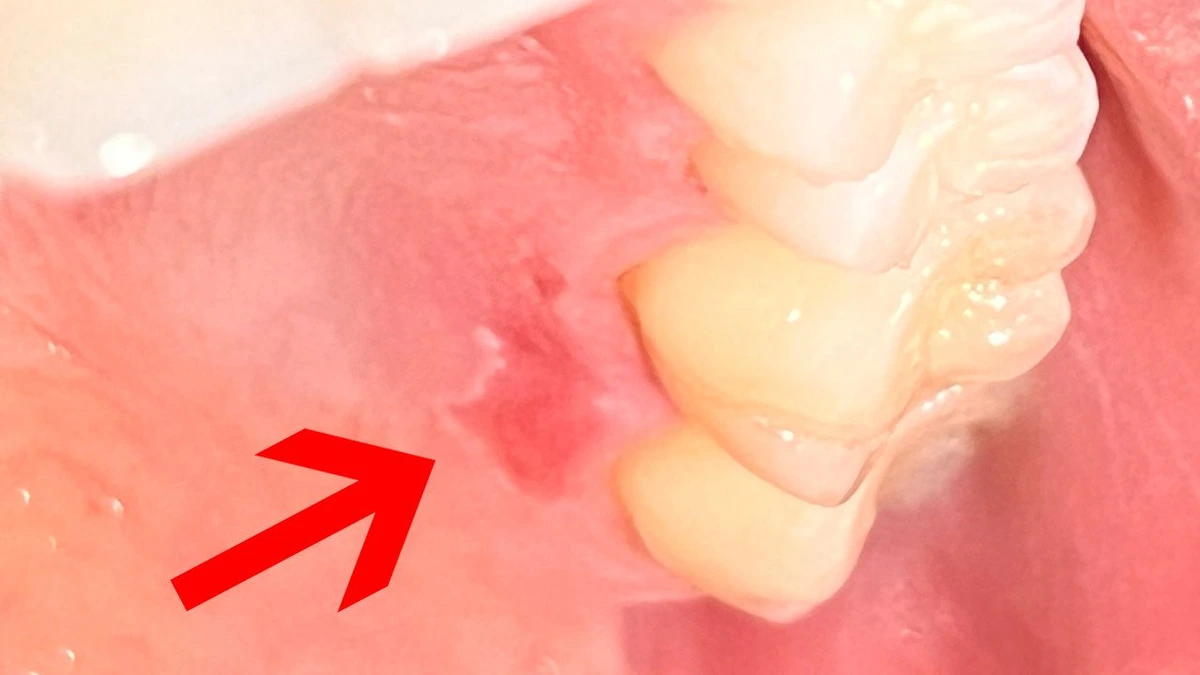
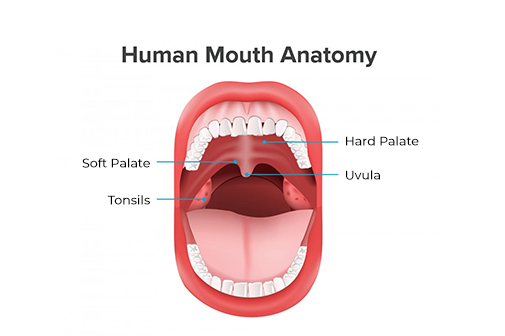
Your mouth’s roof is divided into two sections: the hard palate and the soft palate.
The hard palate is the firm, bony front section you can feel with your tongue. It separates your mouth from your nasal cavity.
The soft palate sits behind it and is made of muscle and connective tissue. It plays a key role in swallowing and speech.
Both sections are covered by mucous membrane — thin, moist tissue that is highly sensitive to heat, chemicals, and physical trauma. When this tissue becomes irritated, inflamed, or infected, pain follows quickly.
Common Causes: Why Does the Roof of My Mouth Hurt?
There are many reasons the roof of your mouth can hurt. Some are minor and heal on their own. Others need professional treatment.
| Cause | Type | Typical Healing Time |
|---|---|---|
| Burn from hot food or drink | Physical | 3–7 days |
| Canker sores (aphthous ulcers) | Immune / Stress | 7–14 days |
| Cold sores (herpes simplex virus) | Viral | 2–4 weeks |
| Oral thrush (candida) | Fungal | With antifungal treatment |
| Sinus infection | Bacterial / Viral | 7–10 days |
| Dental abscess | Bacterial | Needs dental treatment |
| Burning mouth syndrome | Nerve / Hormonal | Chronic, ongoing |
| Nutritional deficiency | Dietary | With supplementation |
| Dental appliance irritation | Physical | With appliance adjustment |
| Oral cancer | Serious | Requires medical care |
| Acid reflux (GERD) | Digestive | With medication |
| Dry mouth (xerostomia) | Salivary | Managed with hydration |
1. Burns From Hot Foods and Drinks
This is the single most common reason the roof of your mouth hurts. Hot pizza, coffee, soup, and tea can scorch the delicate mucosal tissue of the palate in seconds.
This is so common it has a nickname: “pizza palate.” The burn causes immediate inflammation and sometimes blistering.
Most palate burns heal within 3 to 7 days on their own. During recovery, avoid hot, spicy, or acidic foods and stick to cool, soft options. Sucking on ice chips can provide fast temporary relief.
2. Canker Sores (Aphthous Ulcers)
Canker sores are small, shallow ulcers that appear on the soft tissue inside your mouth, including the roof. They are not contagious, unlike cold sores.
They appear as round or oval white or yellow spots with a red border. They cause significant pain, especially when eating or drinking.
Triggers include stress, hormonal changes, minor injuries, acidic foods, and immune system changes. Most heal in 7 to 14 days. Severe or recurring cases may need a steroid prescription from a doctor.
3. Cold Sores (Herpes Simplex Virus)
Cold sores are caused by the herpes simplex virus (HSV). While they most commonly form on the lips, they can appear on the roof of the mouth too.
They are contagious and often triggered by stress, fatigue, illness, or a weakened immune system. Early warning signs include tingling or burning before blisters appear.
Antiviral medications like acyclovir can shorten healing time and reduce severity. Cold sores typically heal within 2 to 4 weeks but the virus stays dormant in the body long-term.
4. Oral Thrush (Candida Infection)
Oral thrush is a fungal infection caused by the overgrowth of Candida albicans in the mouth. It creates white or cream-colored patches on the palate, tongue, and throat.
It commonly affects people who use inhalers, take antibiotics, have a weakened immune system, or have diabetes. Along with pain and soreness, it can cause taste changes and pain when swallowing.
Prescription antifungal medications — such as fluconazole or nystatin — are the standard treatment. In adults, oral thrush should not be left untreated as it can lead to more serious infection.
5. Sinus Infection (Sinusitis)
A sinus infection can cause surprising pressure and pain in the roof of your mouth. The sinus cavities sit directly above the palate, so inflammation there pushes downward.
This explains why the back roof of mouth hurts when swallowing during a cold or sinus flare-up. Postnasal drip and sinus pressure can refer pain directly to the hard palate.
Other signs include nasal congestion, facial pressure, headache, and fever. Treatment may include decongestants, nasal sprays, or antibiotics for bacterial sinusitis.
6. Dental Abscess or Gum Disease
A dental abscess is an infection near the root of a tooth or in surrounding gum tissue. The pain often starts near the affected tooth but can radiate upward to the palate.
Advanced gum disease (periodontitis) causes inflammation that spreads beyond the gumline and can reach the upper mouth. Both conditions require prompt dental treatment.
Do not ignore these symptoms. Dental infections can progress rapidly and affect surrounding tissue and bone. A dentist can drain the abscess, prescribe antibiotics, or recommend a root canal depending on severity.
7. Burning Mouth Syndrome (BMS)
Burning mouth syndrome causes a persistent burning sensation in the mouth — including the palate — without any visible cause or injury.
It is 7 times more common in women and tends to occur during or after menopause. The burning is typically worse in the morning and may lessen as the day progresses.
Possible contributing factors include hormonal changes, nerve damage, dry mouth, acid reflux, and nutritional deficiencies. Treatment is challenging but may include medications, dietary changes, and stress management.
8. Nutritional Deficiencies
Low levels of key vitamins and minerals can make the roof of your mouth sore, inflamed, or prone to recurring sores.
| Nutrient | Effect of Deficiency |
|---|---|
| Vitamin B12 | Mouth sores, swollen or painful tongue |
| Vitamin C | Increased susceptibility to oral sores |
| Folate | Mouth ulcers, inflammation |
| Iron | Palate soreness, burning sensation |
| Zinc | Slow healing of mouth sores |
A blood test can identify deficiencies. Supplementing the right nutrients usually brings relief within a few weeks.
9. Dental Appliance Irritation
Braces, retainers, dentures, night guards, and mouthguards can all rub against the palate and cause irritation or sores over time.
Ill-fitting dentures are one of the most frequent culprits. They can press against the hard palate repeatedly during eating and speaking, causing chronic soreness.
Your dentist can adjust or reline the appliance to eliminate the pressure. Using dental wax as a temporary measure can reduce friction while you wait for the adjustment.
10. Acid Reflux and GERD
Gastroesophageal reflux disease (GERD) causes stomach acid to travel back up the esophagus and sometimes reach the mouth. This acidic exposure burns and irritates the soft tissues of the palate.
People with GERD may notice a burning taste in the back of the mouth, a sore throat on waking, and palate pain — especially in the soft palate area.
Managing acid reflux with dietary changes, antacids, or proton pump inhibitors (PPIs) usually relieves mouth symptoms significantly.
11. Dry Mouth (Xerostomia)
Saliva is essential for protecting and moistening the tissues of your mouth. When saliva production is reduced, the palate becomes dry, irritated, and prone to sores.
Dry mouth can be caused by medications (especially antihistamines and antidepressants), dehydration, mouth breathing, and certain medical conditions like Sjögren’s syndrome.
Staying well hydrated, using alcohol-free mouthwash, chewing sugar-free gum to stimulate saliva, and discussing medication changes with your doctor are all effective strategies.
12. Food Allergies and Oral Allergy Syndrome
Some people experience tingling, itching, or pain on the roof of the mouth after eating certain foods. This is called Oral Allergy Syndrome (OAS).
It is most commonly triggered by raw fruits, vegetables, and tree nuts — especially in people who have pollen allergies. The immune system mistakes food proteins for pollen allergens and reacts.
Symptoms are usually mild and pass quickly. Cooking the food often reduces the reaction. In rare cases, a severe allergic reaction (anaphylaxis) requires emergency care.
13. Autoimmune Conditions
Certain autoimmune diseases can cause recurring painful sores on the roof of the mouth. These include:
Lupus — can cause oral ulcers and palate pain during flare-ups.
Lichen planus — causes white lacy patches or painful red sores inside the mouth.
Pemphigus vulgaris — a rare but serious condition causing painful blisters in the mouth.
If you have recurring, unexplained sores that do not heal within two weeks, an autoimmune condition should be ruled out by a doctor.
14. Oral Cancer
While less common, persistent pain in the roof of the mouth can in rare cases indicate oral cancer. This is particularly relevant if you smoke, use tobacco, drink heavily, or have had long-term HPV exposure.
Warning signs that need immediate evaluation include sores that do not heal after two weeks, unexplained lumps, white or red patches on the palate, and pain that gets progressively worse.
Early detection dramatically improves treatment outcomes. If you have any doubt, see a dentist or oral surgeon promptly for evaluation.
Symptoms Associated With Palate Pain
The symptoms you experience alongside the pain can point to the cause.
| Symptom | Likely Cause |
|---|---|
| White patches on palate | Oral thrush or leukoplakia |
| Blisters or fluid-filled sores | Cold sores (HSV) or burn |
| Round white/yellow ulcers | Canker sores |
| Burning with no visible sores | Burning mouth syndrome |
| Pain when swallowing | Sinus infection, abscess, soft palate inflammation |
| Swelling and tenderness | Abscess, trauma, or allergic reaction |
| Fever alongside mouth pain | Bacterial or viral infection |
| Pain after eating certain foods | Food allergy or OAS |
| Persistent sore that won’t heal | Needs urgent professional evaluation |
Home Remedies for Roof of Mouth Pain
Many mild cases of palate pain respond well to simple home care. Here are the most effective options:
Saltwater Rinse Mix 1 teaspoon of salt in half a cup of warm water. Swish gently for 30 seconds, then spit. This reduces inflammation, kills bacteria, and promotes tissue healing. Repeat 2–3 times per day.
Cold Compress or Ice Chips For burns or trauma, sucking on ice chips or applying a cold compress directly helps reduce pain and swelling immediately. Avoid applying ice directly to open sores.
Honey Raw honey has natural antibacterial and anti-inflammatory properties. Apply a small amount directly to a sore or canker ulcer for pain relief and to promote healing.
Coconut Oil Pulling Swishing a tablespoon of coconut oil in your mouth for 10–15 minutes can reduce oral bacteria and soothe inflamed tissue. This is particularly helpful for oral thrush and gum-related soreness.
Aloe Vera Gel Pure aloe vera applied to mouth sores provides a cooling, anti-inflammatory effect. It can reduce pain and speed up healing of minor ulcers.
Stay Hydrated Drinking plenty of water prevents dry mouth, flushes out bacteria, and supports saliva production — all essential for healing palate tissue.
Avoid Irritating Foods While healing, stay away from spicy, salty, acidic, crunchy, or very hot foods. Opt for cool, soft choices like yogurt, smoothies, mashed potatoes, and bananas.
Over-the-Counter Treatment Options
| Product Type | Examples | Best For |
|---|---|---|
| Oral numbing gels | Orajel, Anbesol | Canker sores, burns, trauma |
| Antiseptic mouthwash | Listerine, Chlorhexidine (Rx) | Infections, general soreness |
| OTC pain relievers | Ibuprofen, acetaminophen | Inflammation, dental pain |
| Oral protective paste | Orabase | Canker sores |
| Antifungal lozenges | Clotrimazole (Rx) | Oral thrush |
| Vitamin supplements | B12, iron, folate | Deficiency-related sores |
Prescription Treatments From a Doctor or Dentist
When home remedies do not work, professional treatments are available.
Antifungal medications such as fluconazole or nystatin treat oral thrush effectively and quickly.
Antiviral medications like acyclovir or valacyclovir reduce the severity and duration of cold sore outbreaks.
Topical corticosteroids such as triamcinolone in Orabase help reduce inflammation from severe canker sores or autoimmune-related ulcers.
Antibiotics are used for bacterial infections including dental abscesses and strep throat that are causing palate pain.
Medicated mouthwash — prescription-strength formulas with corticosteroids or antibiotics can treat persistent mouth sores.
Dental procedures — root canals, extractions, or appliance adjustments address the dental causes of referred palate pain.
Foods to Avoid When Your Palate Hurts

What you eat has a direct impact on how quickly your mouth heals.
| Avoid | Better Alternatives |
|---|---|
| Hot coffee, tea, soup | Cool water, cold herbal tea |
| Spicy curries and sauces | Mild, bland dishes |
| Crunchy chips, crackers | Soft bread, oatmeal |
| Citrus fruits (lemon, orange) | Bananas, melons, cucumber |
| Salty snacks | Unsalted, soft foods |
| Alcohol | Water, coconut water |
| Carbonated drinks | Still water, milk |
When Should You See a Doctor or Dentist?
Most mild palate pain goes away within a week. But certain signs mean you need professional evaluation.
See a dentist or doctor if:
You have a sore that does not heal within 2 weeks. Pain is severe, spreading, or worsening day by day. You notice unexplained lumps, bumps, or white/red patches. You have swelling that makes it hard to eat, drink, or breathe. Fever accompanies the mouth pain. You notice pus, bleeding, or unusual discharge. The pain keeps coming back despite home treatment.
Go to the emergency room immediately if:
There is severe swelling in your throat or airway. You have signs of a serious allergic reaction (difficulty breathing, hives). Dental infection shows signs of spreading to the face or neck.
Preventing Roof of Mouth Pain
Prevention is always better than treatment. A few consistent habits go a long way.
Cool your food and drinks. Wait a minute before eating hot pizza or sipping hot coffee. One extra minute protects your palate from burns.
Maintain good oral hygiene. Brush twice daily, floss daily, and use an alcohol-free mouthwash. This reduces bacteria that can trigger infections and sores.
Eat a nutrient-rich diet. Include plenty of B12, iron, folate, and vitamin C to keep your oral tissues healthy and resilient.
Stay hydrated. Drink enough water throughout the day to maintain healthy saliva production and prevent dry mouth.
Avoid tobacco and excessive alcohol. Both are direct irritants to oral tissue and long-term risk factors for oral cancer.
Wear well-fitted dental appliances. Have your dentist check dentures, retainers, and mouthguards regularly to ensure they are not causing palate friction.
Manage stress. Stress is a major trigger for canker sores and can worsen burning mouth syndrome. Regular exercise, sleep, and relaxation practices all support oral health.
Attend regular dental check-ups. A dentist can catch early signs of infection, gum disease, nutritional deficiency, or abnormal tissue changes before they become serious problems.
Roof of Mouth Pain in Children vs. Adults
Palate pain affects all age groups but for different reasons.
In children, the most common causes are burns from hot food, canker sores, oral thrush (especially in infants and toddlers), and injuries from playing. Oral thrush in babies often resolves on its own but may need antifungal drops.
In adults, burning mouth syndrome, dental issues, sinus infections, acid reflux, and nutritional deficiencies are more prevalent. Post-menopausal women are particularly prone to burning mouth syndrome.
In older adults, ill-fitting dentures, dry mouth from medications, and the long-term effects of smoking are common causes.
The Link Between Stress and Palate Pain
Stress does not just affect your mental health — it directly impacts your mouth too. High stress weakens the immune system, which makes it easier for canker sores, cold sores, and oral thrush to flare up.
Stress also increases teeth grinding (bruxism), which puts pressure on the palate and can lead to tissue irritation. Managing stress through sleep, exercise, and mindfulness is genuinely part of treating recurring mouth pain.
Roof of Mouth Hurts When Swallowing: What It Means
When the back roof of mouth hurts specifically when swallowing, it usually points to the soft palate or throat area being affected.
Common causes include sinus infections, strep throat, tonsillitis, dental abscess, or soft palate inflammation. If swallowing is painful, it often means infection or significant inflammation is present.
If swallowing pain is accompanied by fever, difficulty opening your mouth, or a muffled voice, seek immediate medical attention as these may signal a serious throat infection or abscess.
Frequently Asked Questions (FAQs)
Why does the roof of my mouth hurt when I eat?
Pain during eating usually comes from burns, canker sores, cuts, dental appliance friction, or infections. The act of chewing stimulates and aggravates already-irritated tissue.
How long does roof of mouth pain usually last?
Minor burns and small canker sores typically heal in 3 to 14 days. Pain lasting longer than 2 weeks always needs a professional evaluation.
Can a sinus infection make the roof of my mouth hurt?
Yes. Sinus cavities sit directly above the palate, so inflammation and pressure from sinusitis can cause referred pain in the roof of the mouth.
What does oral thrush look like on the palate?
Oral thrush appears as raised white or cream-yellow patches on the palate, tongue, or throat. It may bleed when scraped and causes pain during eating or swallowing.
Is the roof of my mouth pain a sign of something serious?
Most causes are minor and treatable. However, sores that last more than 2 weeks, unexplained lumps, or worsening pain should be evaluated to rule out oral cancer.
What is the fastest home remedy for palate pain?
A saltwater rinse combined with sucking on ice chips provides fast relief. For canker sores, applying oral numbing gel (Orajel) directly to the sore also reduces pain quickly.
Can dry mouth cause the roof of my mouth to hurt?
Absolutely. Low saliva production leaves the palate dry and unprotected, making it prone to soreness, irritation, and recurring sores.
Why does the back roof of my mouth hurt when I swallow?
This usually indicates soft palate inflammation linked to sinus infection, strep throat, tonsillitis, or a dental abscess. It warrants a doctor visit if accompanied by fever.
Can acid reflux cause palate pain?
Yes. Stomach acid that reaches the mouth from GERD irritates the soft tissues of the palate and throat, causing burning soreness, especially upon waking.
When should I see a dentist for roof of mouth pain?
See a dentist if the pain lasts more than 2 weeks, if you notice unusual patches or lumps, if pain is severe or spreading, or if home remedies provide no relief.
Conclusion
Why does the roof of my mouth hurt — this question has many possible answers, but most causes are highly treatable when identified early.
From minor pizza burns and stress-triggered canker sores to fungal infections and dental abscesses, the palate is a sensitive structure that responds quickly to irritation, infection, and nutritional gaps. In most cases, simple home remedies like saltwater rinses, ice, hydration, and avoiding irritating foods provide effective short-term relief.
However, pain that lasts more than two weeks, spreads, or comes with fever, lumps, or white patches demands professional attention.
Regular dental check-ups, good oral hygiene, a nutrient-rich diet, and stress management are the best defenses against recurring palate pain in 2026.
When in doubt, always consult your dentist or doctor — early evaluation protects your long-term oral health and peace of mind.
