

10 Reasons Why Students Should Wear Uniforms? Students should wear uniforms because this simple policy solves problems that schools have struggled with for decades.
From reducing bullying to saving families money, uniforms offer practical benefits that go far beyond matching shirts and trousers.
As classrooms in 2026 deal with rising social pressure, screen-driven comparison culture, and tighter family budgets, uniforms are becoming a common-sense solution again.
Why This Topic Still Matters in 2026?

The uniform debate never really goes away. Every year, parents and school boards revisit it.
In 2026, social media comparison and fast fashion have made clothing pressure worse for kids. Uniforms directly counter that pressure.
Schools are also under pressure to improve safety, attendance, and academic focus. Uniform policies touch all three areas at once.
At the same time, rising living costs have made many parents reconsider whether a uniform is actually the cheaper, simpler option for their household.
10 Reasons Why Students Should Wear Uniforms
1. Uniforms Create a Strong Sense of Equality
When every student wears the same outfit, expensive brands stop being a status symbol. Nobody can tell who is wealthy and who isn’t just by looking at their clothes.
This matters most for students from lower-income households. They no longer feel pressure to keep up with trends they can’t afford.
A shared uniform sends a quiet but powerful message: everyone in this school is equal, no matter their background.
Teachers also report that classroom dynamics feel calmer once clothing-based comparison disappears from daily interactions.
Parents often say this is one of the most reassuring parts of a uniform policy. It takes the fashion race out of the school run entirely.
2. Uniforms Reduce Bullying and Peer Pressure
Clothing is one of the most common triggers for teasing and exclusion in schools. Uniforms remove that trigger almost entirely.
Data reviewed by uniform researchers found that schools with strict dress codes reported fewer serious behavioral incidents than schools without them.
Weapon-related incidents were also lower in uniformed schools, with around 39% reporting an incident compared to 55% in non-uniform schools.
Firearm incidents showed an even bigger gap, at roughly 7.6% in uniform schools versus nearly 20% in schools without uniforms.
This gap suggests uniforms may play a role in reducing tension between social groups, not just clothing-based teasing.
3. Uniforms Improve Focus and Academic Performance
Uniforms don’t teach math or reading directly, but they remove a major daily distraction from the classroom.
Without outfit choices to think about, students spend less mental energy on appearance and more on lessons.
Teachers say classrooms with uniform policies often feel calmer, with fewer side conversations about clothes and trends.
Over time, this steady focus adds up to better classroom engagement and stronger academic habits.
Some teachers also note that transitions between lessons feel smoother, since students aren’t distracted by comparing outfits between classes.
4. Uniforms Build School Identity and Pride
A uniform is more than fabric. It’s a visible symbol of belonging to a specific school community.
Students wearing the same colors and badge tend to feel more connected to their school’s values and traditions.
One study found schools with uniform policies saw about a 15% increase in student participation in school events, linked directly to stronger school spirit.
That pride often carries into extracurriculars, sports teams, and student leadership roles.
Alumni often mention their old uniform as a nostalgic symbol of the years they spent building friendships at that school.
5. Uniforms Save Time Every Morning
Deciding what to wear can eat up 15 to 20 minutes of a rushed school morning. Uniforms remove that decision entirely.
Parents no longer have to referee outfit arguments before the school run. Kids simply put on the same set of clothes each day.
This small daily time-saving adds up to hours saved every month for busy families.
Less morning stress often means calmer drop-offs and a better start to the school day for everyone.
For working parents especially, this predictable routine removes one more thing to manage before rushing out the door.
6. Uniforms Save Money for Families
Buying a full wardrobe of trendy clothing is expensive, and kids outgrow outfits fast. Uniforms are a more predictable, budget-friendly alternative.
One research group found families saved an average of $150 per year per child once uniforms replaced everyday fashion wardrobes.
Second-hand uniform marketplaces have also grown in popularity, letting families resell outgrown uniforms and buy gently used ones affordably.
Over a full school career, these savings can add up to a meaningful amount for households with multiple children.
Table: Estimated Yearly Clothing Cost Comparison
| Category | Without Uniforms | With Uniforms |
|---|---|---|
| Average yearly spend per child | $350–$500 | $150–$250 |
| Wardrobe variety needed | High | Low |
| Resale/second-hand options | Limited | Widely available |
| Peer-pressure driven purchases | Common | Rare |
Bulk-ordering uniforms through school suppliers can also reduce per-item cost compared to buying individual fashion pieces at retail price.
7. Uniforms Improve Safety and Security
Uniforms make it instantly obvious who belongs on campus and who doesn’t. This is a simple but effective safety tool for staff.
During field trips or large events, uniformed students are easier to spot and count, reducing the risk of a child getting lost.
Some schools use uniform colors specifically to separate grade levels, which helps staff monitor students more efficiently.
This visual identification system adds a layer of security that plain-clothes policies simply can’t match.
Security staff at larger schools often say uniform checks are one of the fastest ways to spot someone who doesn’t belong on site.
8. Uniforms Teach Professionalism and Discipline
Following a dress code teaches students to operate within rules and expectations, a skill they will need for life.
Wearing a uniform daily gives students early practice in dressing appropriately for a structured environment, similar to a workplace dress code.
This habit builds a foundation for future job interviews, internships, and formal professional settings.
Small daily routines like this quietly shape a more disciplined, rule-respecting mindset over time.
This early exposure to structure can make the shift into college dress expectations or office norms feel far less jarring later on.
9. Uniforms Improve Attendance and Punctuality
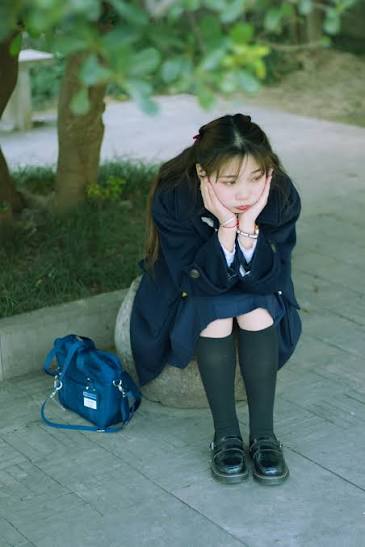
Uniform policies simplify the morning routine, which has a direct effect on how punctual students are.
One report found schools with uniforms saw roughly a 10% improvement in student punctuality tied to faster morning routines.
Other research linked uniform policies to a 12% increase in attendance alongside fewer disciplinary issues.
A structured, predictable start to the day appears to support better overall school habits.
Consistent attendance built early in a student’s school life often carries forward into stronger habits during exam years.
10. Uniforms Prepare Students for the Future
Life after school is full of dress codes, from college requirements to corporate offices and formal events.
Getting comfortable with a standardized dress code early makes those future transitions feel far less intimidating.
Uniforms also teach students that self-expression can exist through actions, personality, and achievements rather than just clothing.
This mindset shift can benefit students well beyond graduation, into careers and adult life.
Employers often note that new graduates who are used to dress codes adapt faster to workplace expectations in their first job.
A Brief History of School Uniforms
School uniforms are far from a modern invention. Records suggest standardized dress in education dates back to 1222 in England.
The modern uniform traces to 16th-century England, where charity school students wore blue cloaks and yellow stockings inspired by clergy attire.
Some of these historic uniform traditions are still in use today, showing just how long-lasting the concept has proven to be.
Uniforms vs. Dress Codes: What’s the Difference
Uniforms and dress codes are often confused, but they work differently. A uniform is one fixed outfit, while a dress code is a set of clothing rules.
Table: Uniforms Compared to Dress Codes
| Feature | School Uniform | Dress Code |
|---|---|---|
| Clothing choice | Fixed, standardized | Flexible within rules |
| Ease of enforcement | Simple | More complex |
| Cost predictability | High | Variable |
| Risk of disputes | Lower | Higher |
Because dress codes rely on interpretation, they tend to create more disagreements between students and staff than a fixed uniform does.
Schools that switch from a dress code to a full uniform policy often report fewer disciplinary meetings related to clothing violations within the first year.
How Uniforms Are Viewed Around the World
Uniform policies are common across many countries, including the UK, Japan, Australia, India, and much of Africa and Southeast Asia.
In the United States, uniforms are more common in private schools, though public school adoption has grown steadily in recent years.
Cultural attitudes toward uniforms vary, but the core reasons behind them, equality, discipline, and identity, remain strikingly similar worldwide.
This global consistency suggests uniforms solve problems that transcend any single culture, education system, or economic background.
Uniforms and Mental Health: The Confidence Connection
Constantly worrying about outfit choices can quietly add to a student’s daily stress and self-consciousness.
Uniforms remove that daily judgment call, which can ease anxiety tied to appearance and social comparison.
Some researchers link this reduced appearance-anxiety to a greater sense of belonging, especially among students who previously felt excluded.
A calmer, more confident student is generally better positioned to engage socially and academically throughout the school day.
Tips for Parents Adjusting to a New Uniform Policy
Buy uniforms slightly larger where possible, since kids grow quickly and this extends how long each piece stays wearable.
Label every uniform item clearly, since matching outfits often get mixed up in shared laundry rooms or lost-and-found bins.
Check second-hand uniform marketplaces before buying new, since gently used items are often just as durable at a lower price.
Keep a backup set at home for laundry days, so a missing uniform never turns into a stressful morning scramble.
Common Types of School Uniforms
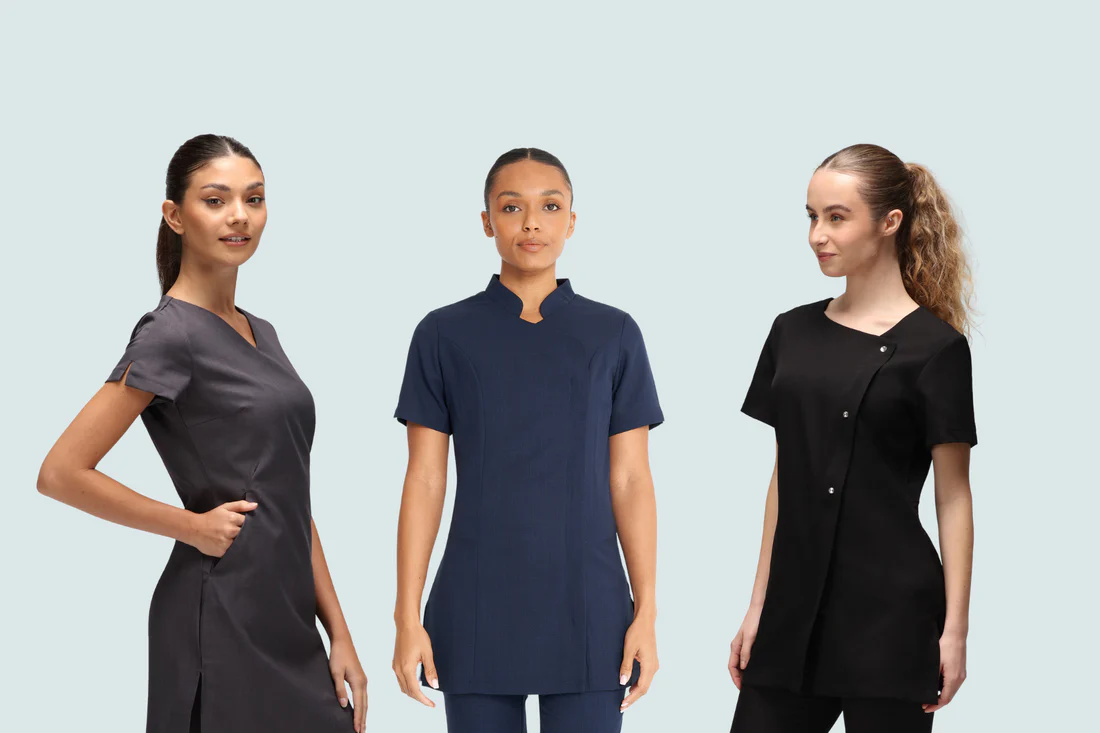
Formal uniforms usually include blazers, ties, and pleated skirts or trousers, often seen in private and older public schools.
Casual uniforms use polo shirts and simple trousers or skirts, popular in many primary and middle schools for comfort.
Sports uniforms are a separate set worn only during physical education or team practice sessions.
Some schools also use a house or color-coded uniform system to help identify different grade levels or student groups at a glance.
Key Statistics That Support School Uniforms
The numbers behind the uniform debate are worth reviewing on their own. They show consistent, measurable benefits across different studies.
Table: Reported Benefits of School Uniform Policies
| Benefit Area | Reported Impact |
|---|---|
| Student punctuality | +10% improvement |
| School attendance | +12% increase |
| Event participation | +15% increase |
| Weapon-related incidents | Lower in uniform schools (7.6%–39%) vs non-uniform (20%–55%) |
| Family clothing costs | ~$150 saved per child per year |
These figures come from a mix of school health surveys, education research groups, and journalism-sourced data reviewed across multiple uniform studies.
While no single statistic tells the whole story, together they paint a consistent picture of uniforms supporting calmer, safer, and more focused school environments.
What Educators and Experts Say
Education researchers who study uniform policies often point to reduced anxiety around appearance as a core benefit.
Experts note that uniforms don’t eliminate individuality since students can still express themselves through art, music, sports, and personal achievements.
Many school administrators say enforcing one uniform standard is far simpler than managing a long, detailed dress code with constant exceptions.
This simplicity reduces daily conflict between staff and students over borderline clothing choices.
Author Dr. David Brunsma, who has studied school uniform movements extensively, has noted that uniforms can strengthen belonging while reducing appearance-related anxiety.
Other researchers caution that uniforms alone won’t fix every classroom issue, and work best when paired with strong teaching and clear school culture.
Common Myths About School Uniforms
Myth one: uniforms completely erase bullying. In reality, they reduce appearance-based bullying but don’t eliminate every form of conflict.
Myth two: uniforms are always more expensive than regular clothes. Over a full year, most families actually spend less on uniforms than on rotating fashion wardrobes.
Myth three: uniforms crush creativity. Students still express themselves through art, hobbies, hairstyles, and personal achievements outside of clothing.
Myth four: only strict schools use uniforms. Many relaxed, progressive schools use uniforms simply to simplify mornings and build community.
Addressing the Common Objections
Critics argue uniforms limit self-expression and add an extra cost for some families. These concerns are valid and worth acknowledging.
However, most schools now offer second-hand uniform exchanges or financial assistance programs to ease the cost burden.
As for self-expression, students still have hairstyles, accessories, extracurriculars, and personality to show who they are.
When weighed against the benefits in safety, focus, and equality, most objections turn out to be manageable rather than deal-breaking.
Some parents also worry about durability, but most uniform fabrics are designed to handle daily wear better than typical casual clothing.
How Schools Can Implement Uniform Policies Successfully

Schools introducing uniforms for the first time should involve parents and students early in the decision process.
Offering a grace period, like allowing normal attire for the first few weeks, helps families adjust without financial strain.
Partnering with affordable suppliers or second-hand marketplaces keeps the policy accessible to all income levels.
Clear, simple guidelines work better than long, complicated dress code documents that are hard to enforce fairly.
Schools should also set up a financial assistance option early, so no family feels excluded because of cost.
Regular feedback surveys from parents and students in the first year help schools fine-tune fit, fabric, and policy details over time.
Quick Recap: The Core Benefits at a Glance
Equality, focus, safety, savings, and discipline form the backbone of nearly every argument in favor of school uniforms.
Table: The 10 Reasons Summarized
| Reason | Core Benefit |
|---|---|
| 1. Equality | Removes clothing-based status differences |
| 2. Less bullying | Removes a common bullying trigger |
| 3. Better focus | Fewer classroom distractions |
| 4. School identity | Builds pride and belonging |
| 5. Time saved | Faster mornings |
| 6. Money saved | Lower yearly clothing costs |
| 7. Safety | Easier to identify who belongs on campus |
| 8. Discipline | Builds respect for rules and structure |
| 9. Attendance | Supports punctuality and consistency |
| 10. Future readiness | Prepares students for dress codes in life |
This table works as a fast reference for parents, teachers, or school boards comparing the benefits side by side before making a decision.
Frequently Asked Questions (FAQs)
1. Do school uniforms actually improve grades?
Uniforms don’t teach subjects directly, but they reduce daily distractions that can interfere with classroom focus. Many schools report calmer, more attentive classrooms after adopting a uniform policy.
2. Are uniforms proven to reduce bullying?
Uniforms don’t eliminate bullying completely, but they remove clothing as one of the most common triggers. Schools with uniform policies consistently report fewer appearance-based conflicts among students.
3. Do uniforms really save families money?
Yes, on average families save around $150 per child each year once uniforms replace a full fashion wardrobe. Second-hand uniform marketplaces can reduce that cost even further.
4. Do uniforms limit a student’s ability to express themselves?
Students can still express individuality through hobbies, hairstyles, art, and personal achievements. Clothing is just one small part of a student’s overall identity.
5. Are uniforms mandatory in all schools?
No, uniform policies vary widely by school, district, and country around the world. Some schools make them compulsory, while others leave the choice fully optional.
6. Do uniforms improve school safety?
Yes, uniforms make it far easier for staff to identify who belongs on campus at any given moment. This is especially useful during field trips and large school events.
7. Why do private schools use uniforms so often?
Private schools often use uniforms to build a strong identity, encourage discipline, and maintain a professional image. It also simplifies daily dress decisions for busy families.
8. Can uniforms help with student punctuality?
Yes, uniforms remove the daily decision of what to wear each morning. Reports show up to a 10% improvement in punctuality after uniform adoption.
9. What age group benefits most from uniforms?
Uniforms are common at all school levels, but middle and high schools often enforce the strictest dress codes. Younger students also benefit greatly from the added routine and simplicity.
10. Are uniforms worth the cost for schools to implement?
Most schools find uniforms cost-effective long-term thanks to bulk supplier pricing and active second-hand resale markets. The safety, focus, and behavioral benefits generally outweigh the initial setup costs.
Conclusion
School uniforms remain one of the simplest, most practical tools schools have for improving daily student life.
They reduce bullying rooted in appearance, remove economic comparison between classmates, and give students back time and mental energy that would otherwise go into deciding what to wear.
The data from 2026 continues to support what many schools already know: uniforms are linked to better attendance, stronger punctuality, and safer campuses.
While concerns about cost and self-expression are fair, most schools now address them through second-hand marketplaces and flexible personal expression outside of clothing.
For families and educators weighing the uniform debate this year, the evidence points clearly toward uniforms doing more good than harm, making them a smart, low-cost investment in a calmer, more focused school environment for every student.
