

Why won’t my dog drink water? It’s one of the most worrying questions a pet parent can ask, because water is the one thing a dog truly cannot live without.
Maybe your dog sniffed the bowl and walked away, or maybe the water level hasn’t dropped all day.
Either way, your concern is valid. The good news is that most causes are simple and fixable, ranging from a dirty bowl to cooler weather, while a smaller number point to something that needs a vet’s attention.
Quick Answer: Why Won’t My Dog Drink Water?
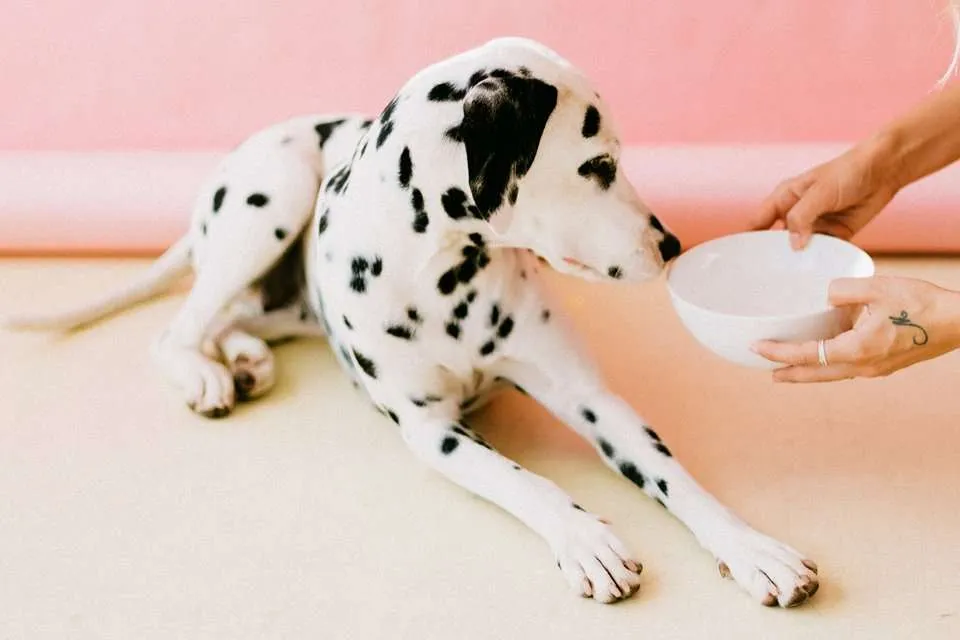
In most cases, a dog won’t drink water because of a dirty bowl, a change in routine, cooler weather, or mild stress. In fewer cases, dental pain, nausea, or an underlying illness like a urinary tract infection or kidney disease is the real reason your dog refuses water.
| Possible Cause | How Common | Quick Fix |
|---|---|---|
| Dirty or smelly bowl | Very common | Wash daily, refill with fresh water |
| New water source or location | Common | Match the old water type, keep a familiar spot |
| Cooler weather or less activity | Common | Usually normal, just monitor |
| Stress or anxiety | Common | Give a calm, quiet drinking spot |
| Senior age changes | Common | Add wet food, place extra bowls |
| Dental pain | Less common | Schedule a vet dental check |
| Illness (UTI, kidney, diabetes) | Less common | Vet exam plus bloodwork |
How Much Water Does a Dog Actually Need?
Most healthy dogs need about one ounce of water for every pound of body weight each day. That works out to roughly 60–70 ml per kilogram of body weight in a typical day.
Active dogs, nursing mothers, puppies, and dogs in hot weather all need noticeably more than this baseline amount.
| Dog’s Weight | Daily Water Needed (approx.) |
|---|---|
| 10 lbs (4.5 kg) | 10 oz (about 300 ml) |
| 25 lbs (11 kg) | 25 oz (about 740 ml) |
| 50 lbs (23 kg) | 50 oz (about 1.5 L) |
| 75 lbs (34 kg) | 75 oz (about 2.2 L) |
| 100 lbs (45 kg) | 100 oz (about 3 L) |
These figures are only a baseline. Heat, exercise, illness, and diet can all shift how much water your dog actually needs on any given day, so use the chart as a starting point rather than a strict rule.
Why Won’t My Dog Drink Water? Top Causes Explained
When a dog won’t drink water, the reason usually falls into one of three buckets: the water itself, the dog’s environment, or the dog’s health.
Here’s a closer look at the causes that come up again and again when pet parents ask why their dog won’t drink water.
Unclean or Smelly Water Bowl
A bowl that hasn’t been washed builds up a sticky film of bacteria and food residue. This makes the water smell and taste off to a dog, even if it looks clean to you.
Change in Water Source or Location
Dogs have sharp noses and can detect differences between tap, well, filtered, or bottled water. A sudden switch, like after moving house, can make your dog hesitant to drink.
Cooler Weather and Lower Activity Levels
As temperatures drop, dogs naturally feel less thirsty. Less exercise means less fluid loss through panting, so this drop in thirst is often completely normal.
Stress, Anxiety, or a New Environment
Travel, loud noises, a new pet, or an unfamiliar room can all make a dog too on-edge to relax and drink. Some dogs link a stressful memory directly to their water bowl.
Old Age and Senior Dog Changes
Older dogs often have a weaker thirst signal and may find it harder to walk to the bowl. Joint stiffness and reduced mobility can make every trip to the water feel like effort.
Dental Pain or a Mouth Injury
Sore gums, a cracked tooth, or something lodged between the teeth can make swallowing water painful. The dog avoids drinking simply to avoid the discomfort.
Nausea, Upset Stomach, or Gastroenteritis
An inflamed stomach from spoiled food, a virus, or dietary indiscretion often kills both appetite and thirst at once. Nausea is one of the fastest ways to shut down a dog’s interest in water.
Underlying Illness (Kidney Disease, UTI, Diabetes, Cushing’s)
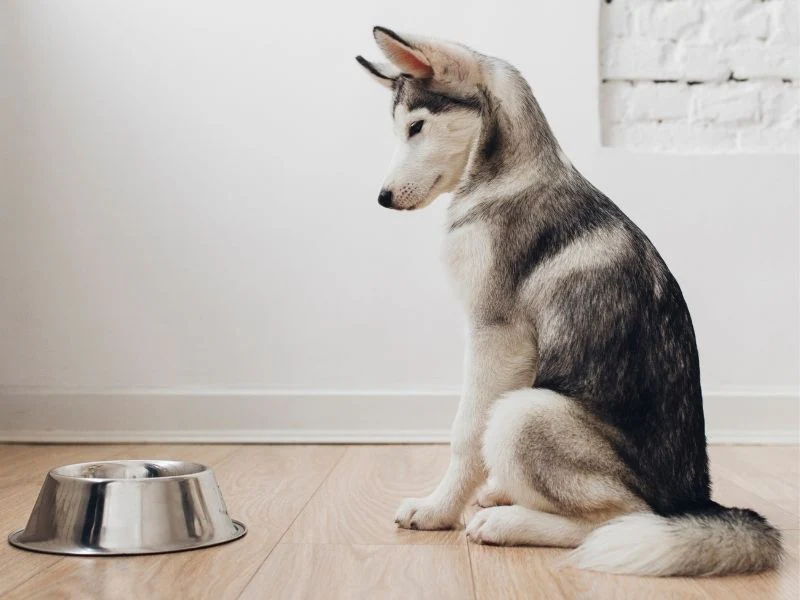
Conditions like kidney disease, urinary tract infections, diabetes, and Cushing’s disease can all disrupt normal thirst signals. Some of these conditions actually increase thirst at first, then suppress it as the dog feels worse overall.
Arthritis and Joint Pain
A dog with sore joints may avoid the extra trips it takes to reach the water bowl throughout the day. The pain of bending down to drink can also discourage regular sips.
Medication Side Effects
Certain medications list nausea or appetite changes as a side effect, and this can carry over to thirst as well. If a new prescription lines up with reduced drinking, mention it to your vet.
Picky Habits or a Bowl They Dislike
Some dogs are simply fussy about bowl material, shape, or placement near noisy appliances. Shelter dogs in particular may associate a specific bowl style with a negative past experience.
Recent Travel, Boarding, or a Vet Visit
A boarding stay, a long car ride, or even a routine vet visit can leave a dog too unsettled to drink normally for a day. Once the dog settles back into its regular routine, water intake usually returns on its own.
Hot Weather and Early Heatstroke
It sounds backward, but a dog that is already overheated can sometimes lose interest in drinking right when it needs water most. If your dog seems overheated, lethargic, or is panting heavily and still won’t drink, treat it as a heat-related emergency and contact your vet immediately.
Puppies, Adults, and Senior Dogs: Water Needs Differ
A dog’s life stage changes both how much water it needs and how it reacts to a dip in thirst. Puppies dehydrate faster than adults because of their smaller body size and higher activity levels.
Senior dogs, on the other hand, often drink less simply because aging slows down the thirst response itself.
| Life Stage | Typical Water Behavior | What To Watch For |
|---|---|---|
| Puppy | Drinks frequently, dehydrates quickly | Sudden refusal needs fast attention |
| Adult dog | Drinks consistently day to day | Any sharp drop is worth noting |
| Senior dog | Naturally drinks less, less mobile | Mobility issues blocking access to the bowl |
Common Mistakes Pet Parents Make
A few well-meaning habits can actually make a dog’s water refusal worse instead of better.
Leaving the Same Stale Water All Day
Topping off a half-full bowl instead of fully replacing it lets stale water and bacteria build up unnoticed. Always empty, rinse, and refill rather than just adding more on top.
Switching Foods or Water Too Suddenly
A sudden change in diet or water source without a gradual transition can throw off a dog’s appetite and thirst together. Introduce changes slowly over several days whenever possible.
Waiting Too Long to Call the Vet
Many pet parents hope the issue will resolve on its own and wait several days before seeking help. With water refusal, it’s safer to call earlier rather than later, especially for puppies and seniors.
Why Won’t My Dog Drink Water But Still Eat?
Eating is driven heavily by smell and habit, while drinking depends more on comfort and accessibility, which is why the two don’t always drop together.
Mouth pain, joint pain, and mild nausea are the most common reasons a dog keeps eating as usual but skips extra trips to the water bowl. Wet food can also mask the issue, since canned diets already supply a large share of daily moisture.
Signs Your Dog Is Dehydrated
Dogs can’t tell you they’re thirsty, so it helps to know the physical signs that show up when fluid intake drops too low.
| Sign | What To Look For |
|---|---|
| Dry or sticky gums | Gums feel tacky instead of moist and silky |
| Sunken eyes | Eyes look duller and slightly recessed |
| Loss of skin elasticity | Pinched skin on the shoulders snaps back slowly |
| Lethargy | Low energy, less interest in play or walks |
| Dark, concentrated urine | Urine looks darker yellow and reduced in amount |
| Excessive panting | Panting with no heat or exercise involved |
To check skin elasticity at home, gently pinch the skin between your dog’s shoulder blades and let go. In a well-hydrated dog, it springs back almost instantly; in a dehydrated dog, it falls back slowly.
How Long Can a Dog Go Without Water?
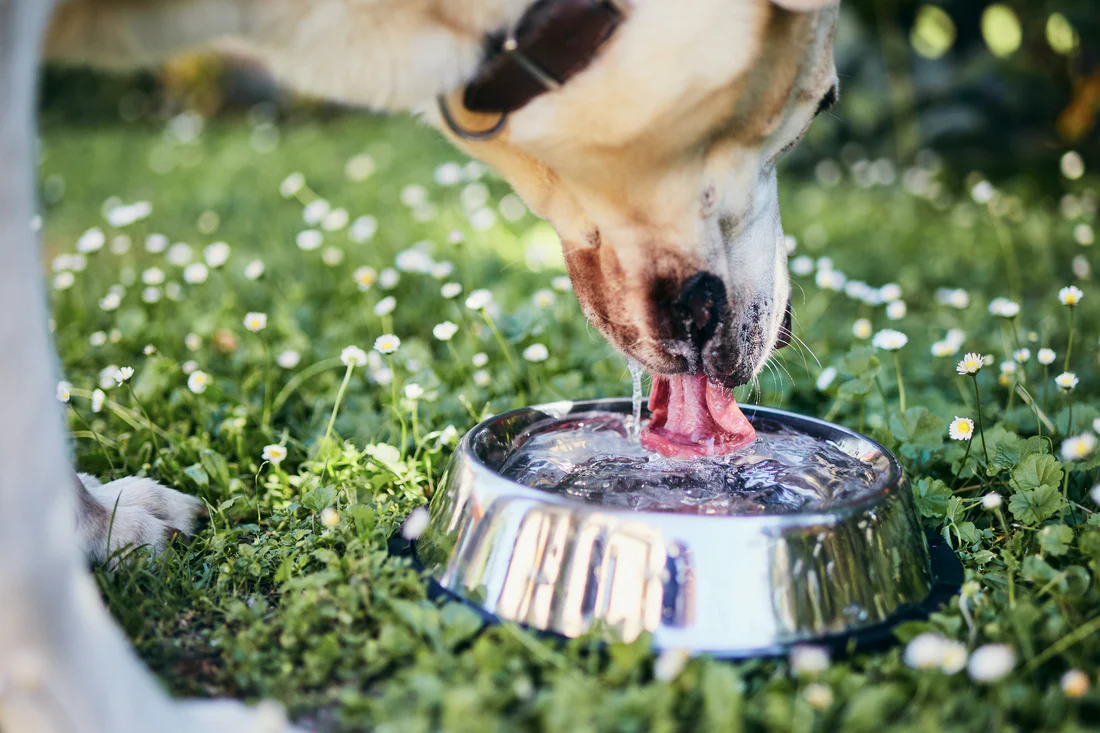
Most vets treat a full 24 hours with zero water intake as a reason to call for guidance. Severe dehydration can become life-threatening after about three to four days without any water at all, so it’s never wise to wait that long to act.
Puppies, senior dogs, and toy breeds tend to reach dangerous dehydration faster than a healthy adult dog of average size. If your dog falls into one of these higher-risk groups, treat anything beyond 12 to 18 hours of refusal as worth a call to your vet.
What To Do If Your Dog Won’t Drink Water
Once you’ve ruled out an emergency, there are several simple, vet-approved steps you can try at home to get your dog drinking again.
Wash the Bowl and Offer Fresh Water
Start with the easiest fix first. Wash the bowl with soap, rinse thoroughly, and refill with cool, fresh water daily.
Switch the Bowl Material or Location
Try a stainless steel or ceramic bowl instead of plastic, since plastic holds odors over time. Move the bowl away from loud appliances or busy foot traffic.
Add a Splash of Low-Sodium Bone Broth
A small amount of unsalted chicken or bone broth can make plain water far more appealing. Avoid anything with added salt, onion, or garlic, since these are unsafe for dogs.
Offer Ice Cubes or Frozen Treats
Many dogs enjoy chewing on ice cubes, which adds hydration in a fun, low-pressure way. Frozen broth cubes work well for dogs who are reluctant to drink from a bowl.
Try a Pet Water Fountain
Some dogs are instinctively drawn to moving water over still water in a bowl. A circulating fountain can encourage picky drinkers without any extra flavoring needed.
Mix Water Into Wet or Dry Food
Stirring a little water into kibble, or switching to canned food, boosts hydration through meals. This works especially well for senior dogs who struggle with mobility to the bowl.
Set Up Multiple Water Stations
Placing two or three bowls around the house removes the effort barrier for older or anxious dogs. This also helps in multi-pet homes where one animal may be guarding the main bowl.
Check for Mouth Injuries
Gently lift your dog’s lips and check for splinters, plastic, or a cracked tooth before assuming the cause is behavioral. A visible injury or bad smell from the mouth points toward a vet visit rather than a home fix.
Consider a Vet-Approved Electrolyte Boost
If your dog is mildly dehydrated but not vomiting, a vet may recommend an electrolyte solution made for pets. Never substitute human sports drinks, since their sugar and sodium levels aren’t designed for a dog’s body.
Never Force-Feed Water
Don’t pour water into your dog’s mouth or force a syringe, since this risks choking or inhaling fluid into the lungs. If your dog still won’t drink after trying the steps above, it’s time to call your vet.
Breeds More Prone to Dehydration
Some breeds face a higher risk of water-related problems simply because of their body shape or size. Flat-faced breeds like Bulldogs, Pugs, and Boxers struggle more with heat and panting, which makes hydration even more important for them.
Toy breeds and puppies of any breed also dehydrate faster because of their small body size relative to fluid loss.
| Breed Type | Why They’re Higher Risk |
|---|---|
| Brachycephalic (Bulldogs, Pugs, Boxers) | Less efficient panting, higher heat sensitivity |
| Toy breeds (Chihuahuas, Yorkies) | Small body size, faster fluid loss |
| Senior dogs of any breed | Reduced thirst signal, lower mobility |
| Working or active breeds | Higher fluid loss through exercise |
When To Call the Vet
A sudden, unexplained drop in water intake is always worth a phone call, even if your dog seems otherwise fine.
| Symptom | Recommended Action |
|---|---|
| No water for 24+ hours | Call your vet the same day |
| Vomiting along with no water intake | Seek veterinary care immediately |
| Sunken eyes or dry, sticky gums | Same-day vet visit |
| Lethargy, weakness, or collapse | Emergency vet right away |
A vet visit for this issue typically includes a physical exam, bloodwork, and a urinalysis to check for infection, kidney function, or other underlying problems. Imaging such as X-rays may follow if the initial exam raises concerns, and the vet will use these results to build a treatment plan specific to your dog.
Tips To Prevent Future Water Refusal
A few small habits can keep your dog’s hydration steady and make future water refusal far less likely.
Keep a Consistent Routine
Clean the water bowl every day and run it through the dishwasher weekly to clear any bacterial film. Keeping feeding and walk times consistent also helps reduce the stress that can suppress thirst.
Travel-Proof Your Dog’s Water Supply
Keep a consistent water source, especially during travel, by bringing water from home when possible. A collapsible travel bowl makes it easy to offer familiar-tasting water on the go.
Watch Mobility in Senior Dogs
Watch your senior dog’s mobility and add extra bowls if a long walk to water has become difficult. Placing a bowl on each floor of the house removes the effort barrier entirely.
Adjust for Weather and Activity
Keep an eye on water intake during hot weather or after exercise, since needs roughly double in those conditions. Bring water along on walks or hikes rather than assuming your dog will drink enough once home.
Frequently Asked Questions (FAQs)
Here are quick answers to the questions pet parents ask most often about this topic.
Why won’t my dog drink water but is acting normal?
This is usually tied to cooler weather, lower activity, or a recent change in water source. If it lasts more than a day or two, mention it to your vet just to be safe.
Why won’t my dog drink water but will eat?
Pain from the mouth or joints can make the extra trips to the bowl unappealing while eating stays normal. Wet food can also be supplying enough moisture that the dog feels less thirsty.
How long can a dog go without drinking water?
Most dogs can safely go about 24 hours, though this should never be tested intentionally. Severe dehydration becomes dangerous after roughly three to four days.
Should I force my dog to drink water?
No, forcing water by pouring or syringing it in risks choking or fluid entering the lungs. Use flavoring, fountains, or wet food instead, and call your vet if refusal continues.
Can dehydration in dogs be fatal?
Yes, dehydration can be life-threatening if it goes untreated for several days. Even a 10% loss of body water can become a medical emergency.
Does wet food count as water intake?
Yes, canned food is roughly 80% water, while dry kibble is closer to 10%. Dogs on a wet food diet often drink visibly less from the bowl as a result.
Why does my senior dog drink less water?
Aging can blunt the thirst signal and make mobility to the bowl harder. Switching to wet food and adding extra water stations usually helps.
Can stress really stop a dog from drinking?
Yes, anxiety from travel, loud noises, or a new home can suppress a dog’s interest in water. A calm, familiar drinking spot usually resolves it within a day or two.
Is chicken broth safe to add to my dog’s water?
Yes, as long as it is plain and low-sodium with no onion or garlic. It’s one of the easiest ways to make plain water more appealing.
When should I worry about my dog not drinking water?
Worry if it has been 24 hours with zero intake, or if you notice vomiting, lethargy, or sunken eyes. These combinations call for a same-day vet visit rather than waiting it out.
Conclusion
So, why won’t your dog drink water? Most of the time, the answer is something simple: a dirty bowl, cooler weather, a new environment, or mild stress, all of which resolve with small changes at home.
Cleaning the bowl, trying a new location, adding a splash of broth, or offering a water fountain solves the issue for the majority of dogs within a day or two.
But when refusal lasts more than 24 hours, or comes with vomiting, lethargy, sunken eyes, or dry gums, it’s time to treat it as a medical concern rather than a habit.
Dogs can’t tell you they’re thirsty in words, so paying attention to their water bowl is one of the simplest ways to protect their health. When in doubt, a quick call to your vet is always the safest next step.
