

Why is my dog not drinking water but eating — this is one of the most common concerns pet owners search for when their dog’s food bowl is empty but the water bowl barely moves.
It can feel confusing, especially when your dog seems otherwise normal, active, and hungry. Reduced water intake should never be ignored, even when appetite looks completely fine.
What Counts As Normal Water Intake
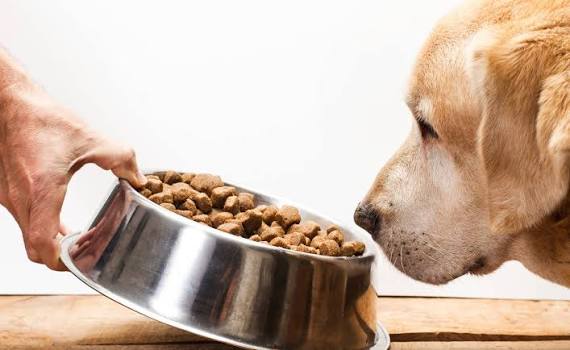
Most healthy dogs drink roughly one ounce of water per pound of body weight daily. This can shift slightly based on diet, weather, and activity level.
Dogs eating wet or canned food naturally drink less, since their food already contains a high percentage of moisture.
Why Is My Dog Not Drinking Water But Eating: Quick Overview Table
| Possible Cause | Severity | Typical Timeline |
|---|---|---|
| High-moisture diet | Normal | Ongoing |
| Cooler weather or low activity | Normal | Seasonal |
| Picky about water taste or bowl | Mild | Days |
| Stress or environment change | Mild | 1–3 days |
| Dental pain | Moderate | Days to weeks |
| Nausea or upset stomach | Moderate | 1–2 days |
| Arthritis or joint pain | Moderate | Ongoing |
| Kidney or liver disease | Serious | Vet visit needed |
| Cushing’s disease | Serious | Vet visit needed |
| Fever or infection | Serious | Vet visit needed |
Reason 1: Diet Is Already Providing Enough Moisture
Canned and wet food can contain 70 to 80 percent water. A dog eating mostly wet food may simply not feel thirsty.
This is one of the most common and harmless explanations for low water bowl activity.
Reason 2: Cooler Weather or Lower Activity
Dogs naturally drink less during cold months or on low-activity days. Less sweating and panting means less fluid loss to replace.
This pattern usually returns to normal once temperatures rise or exercise increases again.
Reason 3: Dirty or Unfamiliar Water Bowl
Some dogs are surprisingly picky. A dirty bowl, stagnant water, or a sudden switch from tap to filtered water can make a dog avoid drinking.
Washing the bowl daily and keeping water fresh often solves this quickly.
Reason 4: Bowl Placement or Stressful Location
If the water bowl sits near a noisy appliance, a busy walkway, or another pet’s territory, your dog may avoid it out of discomfort.
Moving the bowl to a quiet, accessible spot can make a noticeable difference.
Reason 5: Recent Change In Routine Or Environment
Moving homes, new pets, new people, or travel can all affect a dog’s drinking habits temporarily, even while eating stays normal.
This usually resolves within a few days as your dog settles back into routine.
Reason 6: Dental Pain
Sore teeth or gum disease can make cold water uncomfortable against sensitive teeth, even though soft food still feels manageable.
Check for bad breath, drooling, or pawing at the mouth as supporting clues.
Reason 7: Mild Nausea Or Stomach Upset
A dog with a slightly upset stomach may avoid water because it sloshes uncomfortably, while still eating small amounts of food.
This is usually short-term and resolves within a day or two.
Reason 8: Arthritis Or Joint Pain
Older dogs with joint pain may avoid walking to a water bowl that’s far away or requires bending at an awkward angle.
Placing a second water bowl closer to their resting spot can help.
Reason 9: Kidney Or Liver Disease
These conditions can alter thirst signals in complex ways, sometimes reducing water interest while appetite temporarily stays intact.
This requires veterinary bloodwork to confirm and should not be self-diagnosed.
Reason 10: Underlying Hormonal Or Chronic Illness
Conditions like Cushing’s disease typically increase thirst, but in early or atypical cases, drinking patterns can appear inconsistent.
Any unexplained, persistent change in drinking deserves a vet check, even with normal eating.
Warning Signs That Mean You Should Call The Vet
Reduced Water Intake Lasting More Than 24 Hours
If your dog has barely touched water for a full day despite normal appetite, it’s time to call your veterinarian.
Visible Signs Of Dehydration
Sticky gums, sunken eyes, loss of skin elasticity, and lethargy are all signs of dehydration that need prompt attention.
Vomiting Or Diarrhea Alongside Low Water Intake
These combined symptoms can quickly worsen dehydration and should be evaluated the same day they appear.
Sudden Behavior Changes
Hiding, unusual aggression, restlessness, or excessive panting alongside reduced drinking are signs something deeper may be wrong.
Known Senior Dog With Joint Or Organ Concerns
Older dogs with existing health conditions should be checked sooner rather than later if drinking habits shift.
How To Check For Dehydration At Home
The Skin Tent Test
Gently pull up the skin between your dog’s shoulder blades. Skin that snaps back quickly suggests good hydration; slow return suggests dehydration.
Checking The Gums
Healthy gums feel moist and slick. Dry, tacky, or pale gums can indicate your dog needs fluids urgently.
Simple Ways To Encourage Your Dog To Drink More
Add Wet Food Or Water To Meals
Mixing a small amount of warm water or broth into dry kibble adds moisture without forcing extra drinking.
Try A Pet Water Fountain
Many dogs prefer moving water over still water in a bowl, and a fountain can spark renewed interest in drinking.
Offer Ice Cubes As A Treat
Some dogs enjoy chewing on ice cubes, which adds hydration in a more playful, appealing form.
Keep Multiple Water Stations
Placing bowls in two or three locations around the home increases the chances your dog will drink throughout the day.
When To Wait And Monitor Versus When To Act Immediately
| Situation | Recommended Action |
|---|---|
| Mild decrease, dog otherwise normal | Monitor for 24–48 hours |
| No water intake for over a day | Call vet same day |
| Dehydration signs present | Seek care immediately |
| Senior dog with existing illness | Contact vet promptly |
| Vomiting plus low water intake | Seek same-day care |
How Vets Typically Diagnose The Cause
Physical Examination
Your vet will check gums, teeth, joints, and overall hydration status as a first step during the visit.
Bloodwork And Urinalysis
These tests help rule out kidney disease, liver issues, diabetes, and other internal causes affecting thirst.
Preventing Future Hydration Issues
Stick To A Consistent Routine
Keeping feeding and watering times consistent helps you notice changes in drinking behavior faster.
Clean Water Bowls Daily
Fresh, clean water encourages regular drinking and reduces the chance your dog avoids the bowl out of pickiness.
Schedule Regular Vet Checkups
Routine bloodwork can catch kidney, liver, or hormonal issues early, often before drinking habits even change.
Frequently Asked Questions (FAQs)
Is it normal for my dog to barely drink water if eating wet food?
Yes, wet food contains high moisture, so dogs eating it often drink noticeably less water than usual.
How long can a dog safely go without drinking water?
Generally three to four days becomes dangerous, but any drop lasting over 24 hours should be checked by a vet.
Could cold weather really reduce my dog’s water intake?
Yes, lower activity and cooler temperatures naturally reduce thirst in many healthy dogs during winter months.
Does dental pain really stop dogs from drinking water?
Yes, sore teeth or gums can make cold water uncomfortable, even while soft food remains easy to eat.
Should I be worried if my dog still seems happy and active?
Mild, short-term changes are usually fine, but persistent low water intake still needs monitoring regardless of energy level.
Can stress alone cause my dog to stop drinking water?
Yes, environmental changes or anxiety can temporarily reduce water interest while appetite stays normal.
What home test can I do to check for dehydration?
Try the skin tent test on the shoulders or check if gums feel dry, tacky, or pale to the touch.
Is a water fountain really worth trying?
Many dogs respond well to moving water, making a fountain a simple, low-cost option worth trying.
Can kidney disease cause low water intake instead of high?
Yes, in some cases thirst signals become inconsistent, so reduced drinking doesn’t always rule out kidney issues.
When should I take my dog to the vet immediately?
Seek same-day care if dehydration signs appear, vomiting occurs, or water intake stays low for over 24 hours.
Conclusion
A dog not drinking water but eating normally is a common and often harmless situation, especially for dogs on wet food, in cooler weather, or going through a minor routine change.
However, it should never be dismissed entirely, since reduced hydration can quietly affect kidney function and overall health over time. Watching for warning signs like dehydration, lethargy, vomiting, or a pattern lasting more than 24 hours helps you know when home monitoring is enough and when a vet visit is necessary.
Simple fixes like cleaning the water bowl, trying a fountain, repositioning bowls, or adding moisture to meals solve the issue for many dogs.
For senior dogs or those with existing health conditions, staying alert to drinking changes matters even more. When in doubt, a quick call to your veterinarian offers peace of mind and catches any serious underlying cause early.
