

Why is the roof of my mouth itchy is one of the most searched oral health questions in 2026, and for good reason.
That persistent itch on your palate can range from mildly annoying to a sign of something that needs medical attention.
The causes vary widely, from seasonal allergies and food reactions to infections, dry mouth, and acid reflux.
Knowing what triggers it helps you treat it faster and prevent it from coming back.
Understanding the Palate and Why It Gets Itchy
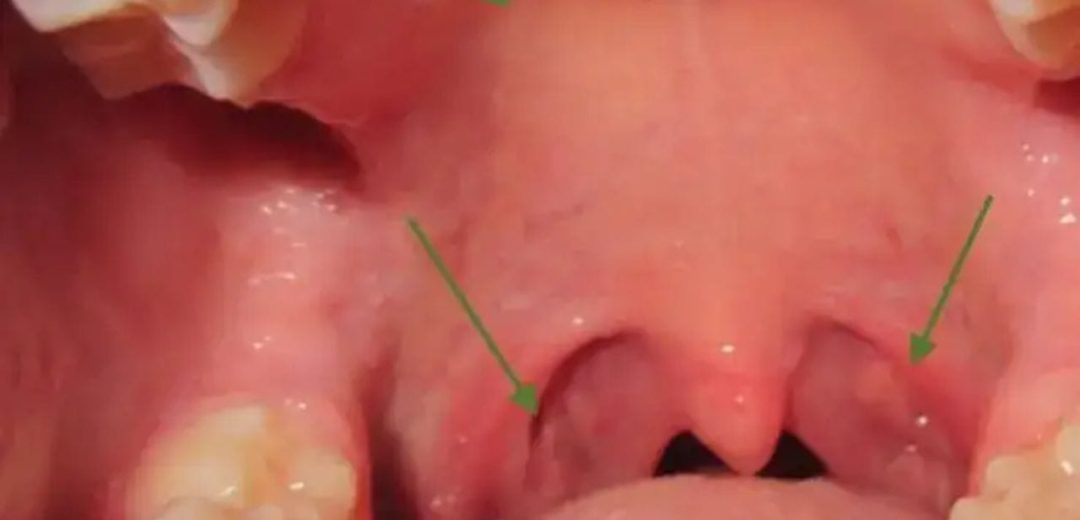
The roof of your mouth, medically called the palate, is made up of two sections. The hard palate is the bony front portion, and the soft palate is the flexible tissue at the back.
Both areas are covered in delicate mucous membranes loaded with nerve endings. These membranes react quickly to allergens, infections, chemical irritants, and temperature changes.
When your immune system detects something it does not like, or when tissues become inflamed or dry, the nerve endings send an itch signal. That is why the roof of your mouth itchy sensation can appear suddenly and for many different reasons.
Cause 1: Seasonal Allergies and Hay Fever
Seasonal allergies are the number one reason people experience an itchy roof of mouth. When pollen, mold spores, or grass enter your airways, your immune system releases histamine.
Histamine causes inflammation in soft tissues throughout the body, and the palate is one of the first places that feels it. The itch usually comes with sneezing, a runny or blocked nose, watery eyes, and an itchy throat.
This type of reaction is most common during spring and fall when pollen counts peak. Antihistamines like cetirizine or loratadine typically provide fast relief.
Cause 2: Oral Allergy Syndrome (Pollen-Food Syndrome)
Oral allergy syndrome, also called pollen-food syndrome, is one of the most common but least understood causes of an itchy roof of mouth. It affects up to 70% of people who already have pollen allergies.
When you eat certain raw fruits or vegetables, proteins in those foods mimic the structure of pollen proteins. Your immune system misidentifies them and triggers an allergic reaction in your mouth and throat.
The itch starts within minutes of eating and usually resolves within 15 to 30 minutes on its own. Cooking or peeling the food destroys those proteins, which is why cooked apples rarely cause a reaction when raw ones do.
Common Pollen-Food Cross-Reactions
| Pollen Allergy | Raw Foods That Commonly Trigger Oral Itch |
|---|---|
| Birch pollen | Apple, pear, cherry, peach, kiwi, carrot, celery, hazelnut, almond |
| Ragweed pollen | Banana, cantaloupe, watermelon, cucumber, zucchini, sunflower seeds |
| Grass pollen | Peach, tomato, orange, celery, melon, peanut |
| Mugwort pollen | Celery, carrot, parsley, fennel, coriander, mustard, pepper |
If your roof of mouth itch gets worse in spring and happens right after eating raw produce, oral allergy syndrome is likely the cause.
Cause 3: Food Allergies
Food allergies are more serious than oral allergy syndrome and can cause a stronger reaction across multiple body systems. Common food allergy triggers include peanuts, tree nuts, shellfish, milk, eggs, wheat, and soy.
With a food allergy, the itchy roof of mouth usually appears alongside hives, swelling of the lips or tongue, stomach pain, or difficulty breathing. These symptoms escalate faster and do not resolve on their own the way OAS does.
If you experience throat tightening or swelling alongside the palate itch, this is a medical emergency. Use an epinephrine auto-injector if available and call emergency services immediately.
Warning Signs That Require Emergency Care
Knowing when to act fast is critical. The following symptoms alongside an itchy roof of mouth require emergency attention.
Throat swelling or tightening, difficulty swallowing or breathing, sudden drop in blood pressure, hives spreading rapidly across the body, or a feeling of impending doom are all signs of anaphylaxis. Do not wait to see if symptoms improve.
Cause 4: Oral Thrush (Fungal Infection)
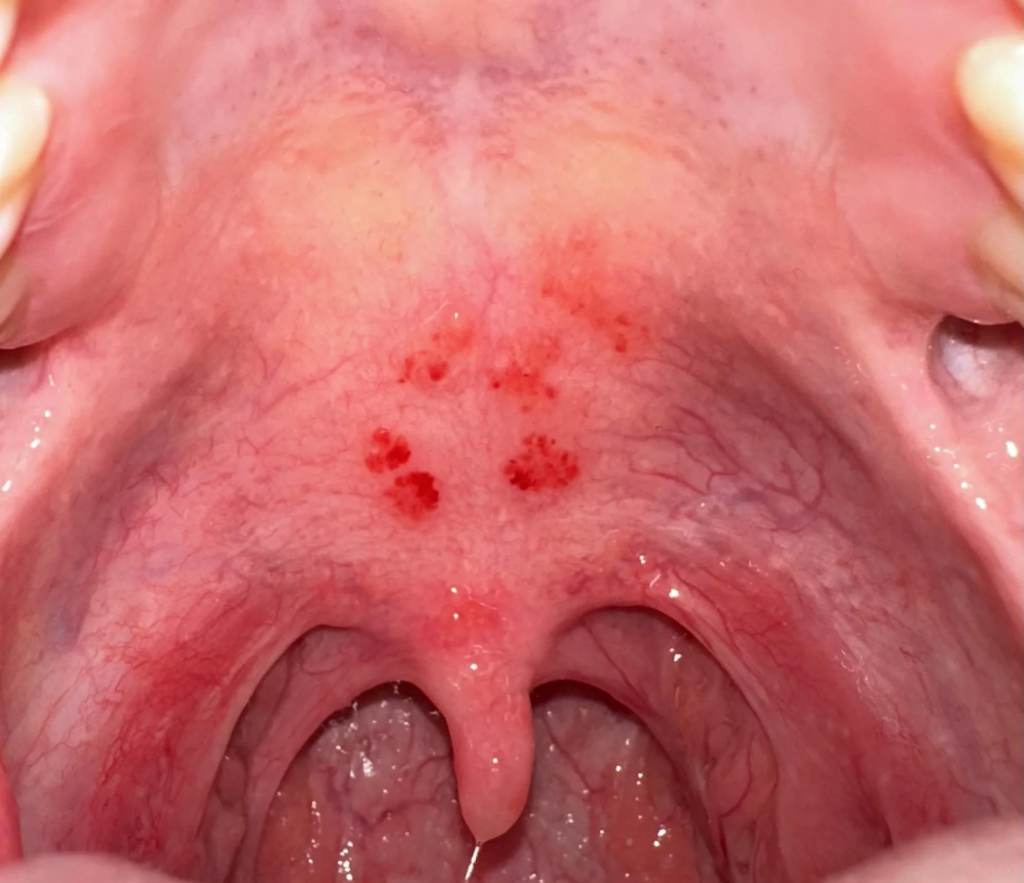
Oral thrush is caused by an overgrowth of Candida yeast in the mouth. It is one of the less obvious causes of an itchy palate because people do not always connect a fungal infection with an itch sensation.
It typically produces a burning, scratchy feeling on the palate, tongue, and inner cheeks. White or yellowish patches that can be wiped off are the defining visual sign.
People most at risk include those who use corticosteroid inhalers without rinsing afterward, take antibiotics frequently, have diabetes or a weakened immune system, or wear dentures. Prescription antifungal medication is needed to clear it up.
Cause 5: Viral Infections Including the Common Cold
When you catch a cold or the flu, the virus inflames the mucous membranes lining your nose, throat, and mouth. This inflammation reaches the soft tissues of the palate and creates an itchy, scratchy sensation.
The itch from a viral infection usually arrives alongside a sore throat, runny nose, fatigue, or mild fever. It resolves as your immune system clears the infection, typically within a week to ten days.
Gargling with warm saltwater, half a teaspoon of salt in eight ounces of warm water, can reduce inflammation and provide temporary relief within 15 to 20 minutes.
Cause 6: Dry Mouth (Xerostomia)
Saliva does more than just help you swallow food. It coats and protects the delicate tissues inside your mouth, including the palate. When saliva production drops, the roof of your mouth becomes dry, irritated, and itchy.
Dry mouth can be caused by dehydration, breathing through the mouth, certain medications including antihistamines and antidepressants, or conditions like diabetes and Sjögren’s syndrome.
Drinking water regularly, using sugar-free gum to stimulate saliva, and avoiding alcohol-based mouthwashes all help manage dry mouth symptoms.
Cause 7: Acid Reflux and Silent Reflux (LPR)
Acid reflux and laryngopharyngeal reflux, known as LPR or silent reflux, can irritate the roof of your mouth even when you do not feel the classic heartburn sensation.
Stomach acid travels up past the esophagus and reaches the soft palate tissues, causing a chronic burning or itching feeling. The itch tends to worsen after large meals, spicy or acidic foods, or when lying down shortly after eating.
LPR is often missed because many people only associate reflux with chest discomfort. If the roof of your mouth itch is chronic and worsens at night or after eating, see a gastroenterologist.
Cause 8: Cold Sores and the Herpes Simplex Virus
Cold sores are caused by the herpes simplex virus type 1. Before a cold sore appears, many people feel a tingling, burning, or itching sensation in the area where the blister will form.
When cold sores develop on or near the palate, that pre-blister itch can feel like a general roof of mouth itchiness. The sores typically appear within one to two days of the first itch and last about two weeks.
Antiviral medications like acyclovir can shorten outbreaks and reduce frequency when taken early. Cold sores have no cure but are very manageable with consistent treatment.
Cause 9: Sinus Congestion and Sinus Infections
Your sinuses sit directly above the roof of your mouth. When they become inflamed due to a sinus infection or congestion, pressure builds in the surrounding tissues and can cause an itch or ache in the hard palate.
Post-nasal drip, where mucus drips from the sinuses down the back of the throat and across the palate, also irritates the soft tissues and triggers an itch. The sensation often accompanies a feeling of fullness or pressure in the face.
Saline nasal rinses, decongestants, and treating the underlying sinus infection typically resolve the associated palate itch within days.
Cause 10: Chemical Irritants and Harsh Oral Products
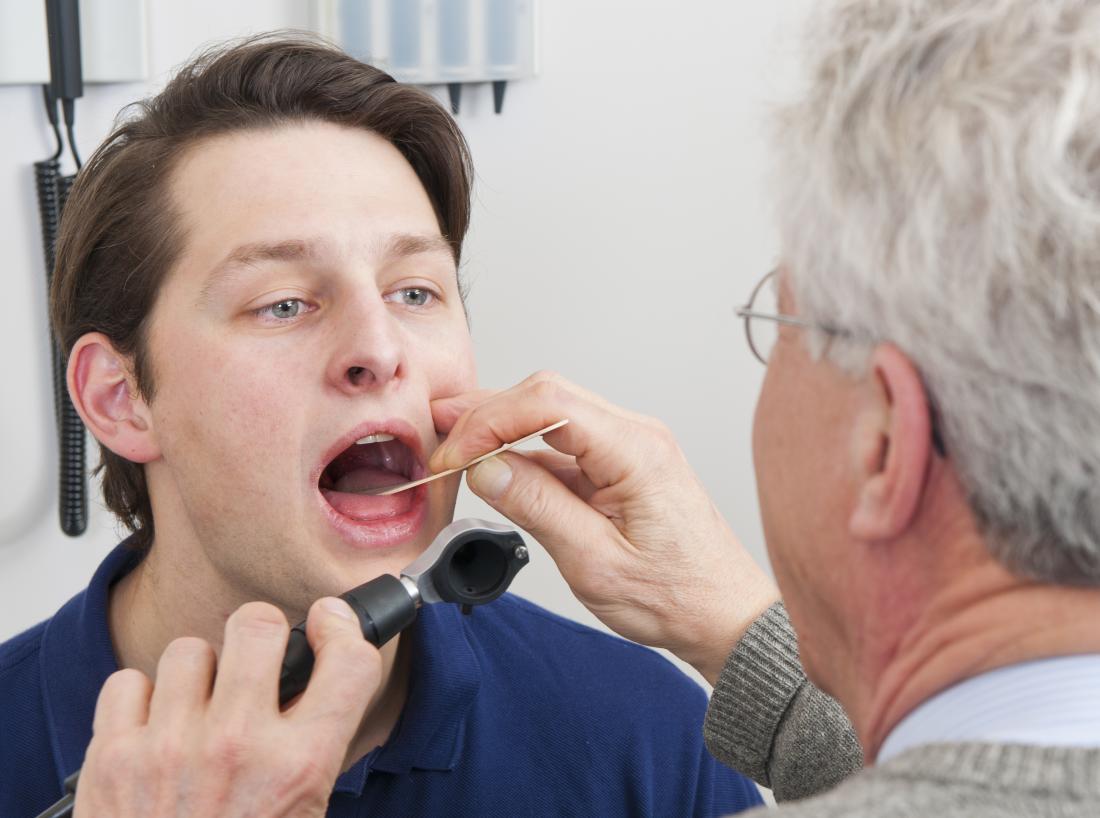
Some everyday oral care products can irritate the sensitive lining of the palate. Sodium lauryl sulfate, a foaming agent in many toothpastes, is a known irritant that can cause inflammation lasting several hours.
Alcohol-based mouthwashes above 20% concentration, capsaicin from spicy foods, very acidic drinks like citrus juice or fizzy sodas, and tobacco smoke all have the same irritating effect.
Switching to a sodium lauryl sulfate-free toothpaste and alcohol-free mouthwash often resolves recurring itch that has no other obvious cause.
Cause 11: Physical Injury or Burns to the Palate
Hot pizza, boiling soup, or a sharp chip — the roof of your mouth gets injured more often than most people realize. Burns and cuts on the delicate palate tissue trigger a healing response that includes itching.
As the injured tissue regenerates, nerve endings in the area send itch signals as part of the natural repair process. This type of itch is temporary and gradually fades over several days.
Eating cooled foods, drinking cold water, and avoiding further irritation helps the tissue heal faster and reduces discomfort.
Cause 12: Dental Problems and Ill-Fitting Dentures
Dental issues that affect the gums can extend inflammation to the palate. Gum disease, abscessed teeth, and dental work that is still healing can all cause a referred itch in the roof of the mouth.
Dentures or removable dental appliances that do not fit properly rub against the palate constantly, creating friction-based irritation. The tissue becomes inflamed, sensitive, and itchy.
If you notice the itch started around the same time as new dental work or a change in your dentures, speak with your dentist about fit and pressure points.
How to Tell the Causes Apart
Identifying the right cause makes treatment much more effective. Use this quick reference guide.
| Symptom Pattern | Most Likely Cause |
|---|---|
| Itch during pollen season with sneezing and watery eyes | Seasonal allergies or hay fever |
| Itch within minutes of eating raw fruit or vegetables | Oral allergy syndrome (OAS) |
| Itch with visible white patches on the palate or tongue | Oral thrush (Candida infection) |
| Itch with hives, swelling, or breathing difficulty | Food allergy or anaphylaxis — emergency |
| Chronic itch that worsens after meals or at night | Acid reflux or LPR |
| Itch with facial pressure and blocked nose | Sinus congestion or sinus infection |
| Itch after starting new toothpaste or mouthwash | Chemical irritant reaction |
| Itch after eating hot food or getting a cut | Physical injury to palate tissue |
| Itch with tingling before visible blisters appear | Cold sore outbreak (HSV-1) |
| Itch with very dry mouth and reduced saliva | Xerostomia (dry mouth) |
Home Remedies for an Itchy Roof of Mouth
Many mild cases of roof of mouth itchiness respond well to simple home treatments. These options are safe, affordable, and easy to try before seeking medical help.
Saltwater rinse: Mix half a teaspoon of salt in eight ounces of warm water. Swish for 30 seconds and spit. This reduces inflammation and discourages bacterial growth. Use up to three times per day.
Cold compress or cold water: Sipping cold water or holding crushed ice briefly in the mouth can numb the area and reduce the itch signal from irritated nerve endings.
Antihistamines: For allergy-driven itch, over-the-counter antihistamines like cetirizine, loratadine, or diphenhydramine are effective. Non-drowsy formulas work well during the day.
Hydration: Drinking more water throughout the day helps keep mucous membranes moist and reduces dry-mouth-related itch significantly.
Avoid triggers: If certain raw foods, spicy dishes, or specific oral care products consistently trigger the itch, eliminating them is the most direct solution.
When to See a Doctor
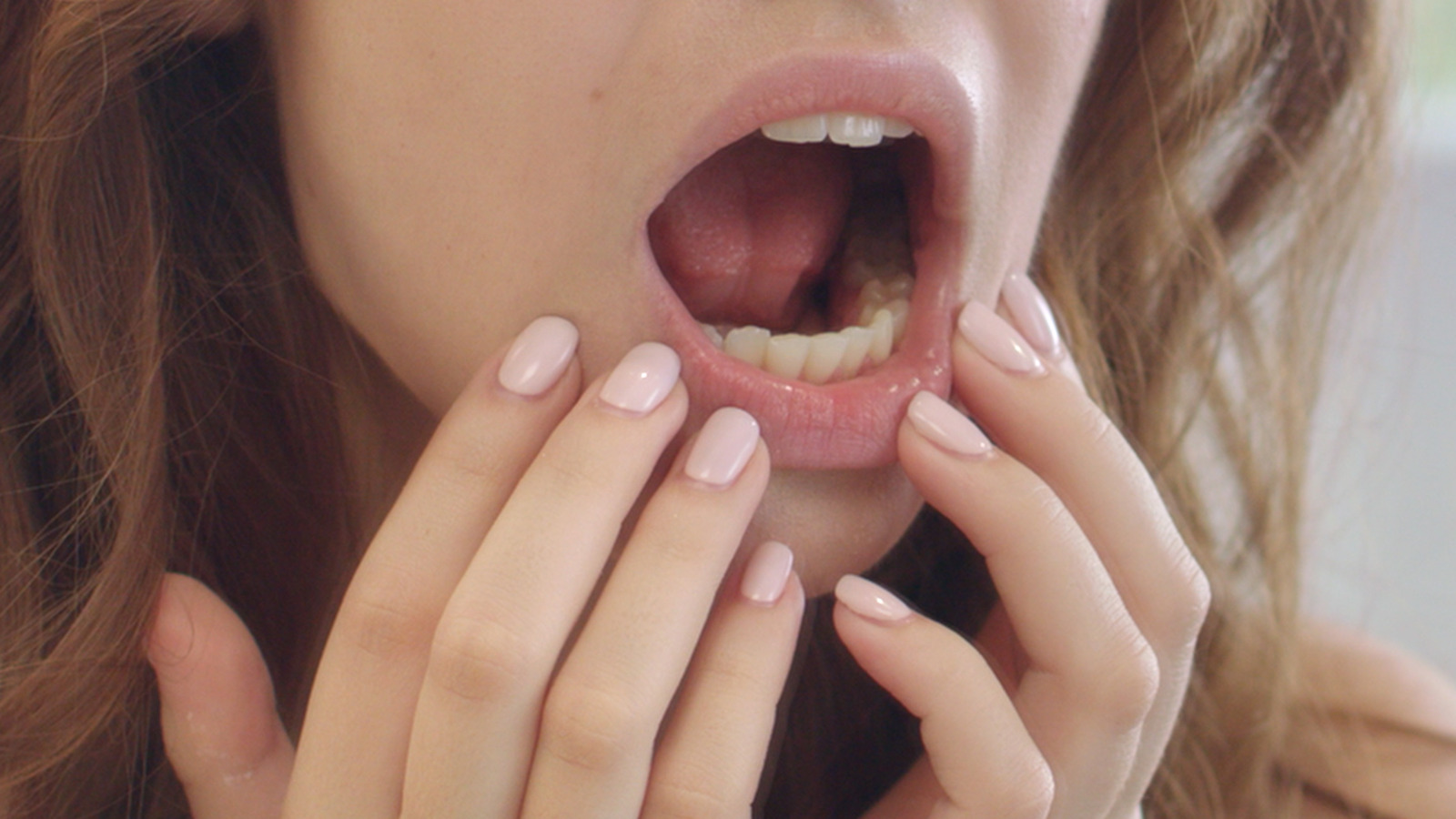
Mild, occasional palate itch that resolves quickly is rarely concerning. But certain situations require professional evaluation.
See a doctor if the itch persists for more than two weeks without a clear cause, if you notice white patches or sores in the mouth, if the itch is accompanied by difficulty swallowing or breathing, if symptoms worsen despite antihistamines, or if the itch keeps coming back despite avoiding known triggers.
An allergist can test for specific pollen and food sensitivities. A dentist can rule out oral infections, gum disease, or denture fit issues. A gastroenterologist can evaluate for reflux. Getting the right specialist involved early leads to faster resolution.
Prevention Tips for a Recurring Itchy Palate
Stopping the itch before it starts is always better than treating it after the fact. A few consistent habits make a significant difference.
Use a gentle, SLS-free toothpaste and an alcohol-free mouthwash. Stay well-hydrated throughout the day. Avoid eating extremely hot foods and drinks that can burn the palate tissue. Track which foods trigger oral itching and discuss OAS or food allergies with your doctor.
During high pollen seasons, keep windows closed, shower after outdoor exposure, and take antihistamines proactively if your doctor recommends it. For those with reflux, eating smaller meals and avoiding lying down for two hours after eating can prevent the upward acid movement that irritates the palate.
Itchy Roof of Mouth in Children
Children are just as susceptible to palate itch as adults. The most common causes in kids are seasonal allergies, oral allergy syndrome, and viral infections.
Parents should watch for accompanying symptoms like swollen lips, hives, or difficulty breathing when a child reports mouth itch after eating. These may indicate a food allergy that requires immediate medical attention.
For mild cases in children, cool water, age-appropriate antihistamines, and soft foods that do not further irritate the palate are the safest first steps.
Itchy Roof of Mouth During Pregnancy
Hormonal changes during pregnancy increase histamine sensitivity in the body. Pregnant women may find that seasonal allergies worsen and that previously tolerated foods now trigger oral allergy symptoms.
Many standard antihistamines are not recommended during pregnancy, so it is important to consult an OB-GYN before taking any medication for palate itch. Saline rinses and cold water remain safe and effective first-line options.
Frequently Asked Questions (FAQs)
Why is the roof of my mouth itchy all of a sudden?
A sudden itchy roof of mouth is most commonly caused by an allergic reaction, either to something you ate or an airborne allergen like pollen. If symptoms escalate quickly or breathing becomes difficult, seek emergency care immediately.
Can seasonal allergies cause the roof of my mouth to itch?
Yes, seasonal allergies are the most common cause of an itchy palate. Your immune system releases histamine in response to pollen, which inflames the soft tissues of the mouth and throat.
Why does the roof of my mouth itch after eating fruit?
Itching after eating raw fruit is typically oral allergy syndrome, where proteins in the fruit cross-react with pollen your immune system is already sensitive to. Cooking the fruit usually eliminates the reaction.
Is an itchy roof of mouth a sign of something serious?
Usually no, but it can be. Mild itching from allergies or OAS is harmless. However, itching combined with throat swelling, hives, or difficulty breathing is a sign of anaphylaxis, which is a medical emergency.
How do I stop the roof of my mouth from itching?
For allergy-related itch, take an antihistamine. For OAS, avoid the triggering raw food or cook it first. For general irritation, try a warm saltwater rinse, stay hydrated, and switch to a gentler toothpaste.
Can dry mouth cause the roof of my mouth to itch?
Yes. When saliva production drops, the mucous membranes of the palate dry out and become irritated and itchy. Staying hydrated and chewing sugar-free gum helps restore moisture.
What does an itchy roof of mouth from oral thrush feel like?
Oral thrush typically causes a burning or scratchy itch alongside visible white or yellowish patches on the palate, tongue, or inner cheeks. It requires prescription antifungal treatment to clear up.
Can acid reflux make the roof of my mouth itchy?
Yes. Silent reflux or LPR allows stomach acid to reach the soft palate, causing chronic irritation that feels like an itch or burning sensation. It typically worsens after meals or when lying down.
How long does an itchy roof of mouth last?
Duration depends on the cause. OAS-related itch resolves within 30 minutes. Allergy-related itch clears once the allergen is removed or antihistamines take effect. Infections like thrush require treatment and may last days to weeks without it.
When should I see a doctor for an itchy roof of mouth?
See a doctor if the itch lasts more than two weeks, is accompanied by white patches or sores, recurs frequently, or comes with difficulty swallowing or breathing. These signs point to a condition that needs professional diagnosis and treatment.
Conclusion
Why is the roof of my mouth itchy is a question with many possible answers, and in most cases it is one that can be resolved quickly once you identify the right cause.
Seasonal allergies, oral allergy syndrome, dry mouth, infections, acid reflux, and chemical irritants are all common triggers that respond well to targeted treatment.
The key is paying attention to when the itch happens, what precedes it, and whether other symptoms accompany it. Mild and occasional palate itch is rarely a cause for alarm.
But persistent itch, visible patches, or symptoms that affect breathing always warrant professional evaluation.
Use this guide as your starting point, make the lifestyle adjustments that apply to your situation, and do not hesitate to see an allergist, dentist, or doctor when home remedies fall short.
Your palate is trying to tell you something. Understanding what it is saying is the fastest path to real relief.
