

Why is my toenail yellow is one of the most searched foot health questions — and for good reason.
Yellow toenails can be a harmless cosmetic issue caused by nail polish, or they can signal a fungal infection or even a serious underlying health condition.
Knowing the difference matters.
What Do Healthy Toenails Look Like?
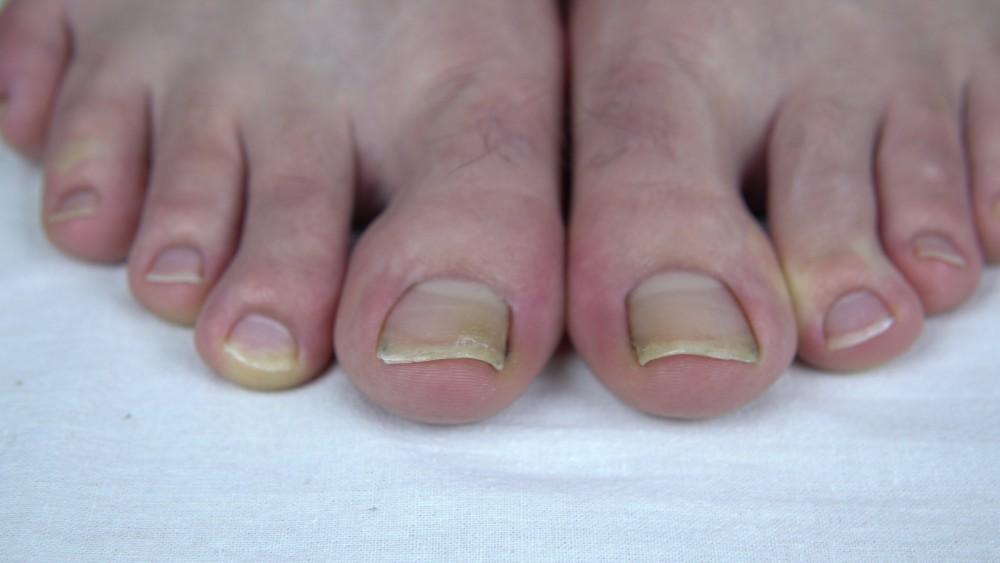
Healthy toenails are clear to pale pink in color. They should be smooth, firm, and free from cracks, ridges, or unusual thickness.
Any change in color — especially yellow — is a signal worth paying attention to. Yellow toenails are one of the most common nail color changes people experience.
Why Is My Toenail Yellow? The Most Common Causes
There is not just one answer. Yellow toenails have several different causes, ranging from completely harmless to medically significant.
Here is a full breakdown of every major cause:
| Cause | Severity | Common In |
|---|---|---|
| Nail polish staining | Harmless | Anyone who wears dark nail polish |
| Toenail fungus (onychomycosis) | Moderate | Adults, athletes, elderly |
| Aging | Harmless | Adults 50+ |
| Nail psoriasis | Moderate | People with psoriasis |
| Diabetes | Serious | Diabetic patients |
| Yellow nail syndrome | Rare/Serious | Adults 50+ |
| Trauma or injury | Mild | Athletes, ill-fitting shoes |
| Onycholysis | Moderate | Manual workers, people with psoriasis |
| Smoking | Mild | Smokers |
| Certain medications | Mild | People on dialysis or specific drugs |
Cause 1 — Nail Polish Staining
The most common and harmless reason for yellow toenails is nail polish. Dark nail polishes — especially reds, oranges, and deep blues — contain dyes and chemicals like formaldehyde that bond to the keratin in your nail plate.
The longer you wear the polish without a break, the deeper the staining. This is purely cosmetic and not a health concern.
The yellow staining will fade on its own as your nail grows out. Using a protective base coat before applying polish significantly reduces the chance of staining happening again.
To speed up the process, give your nails a break from polish, avoid acetone-based removers, and try soaking your nails in diluted vinegar — one part vinegar to four parts water.
Cause 2 — Toenail Fungus (Onychomycosis)
Toenail fungus is the most common medical cause of yellow toenails. The condition is called onychomycosis and it affects a significant portion of adults worldwide.
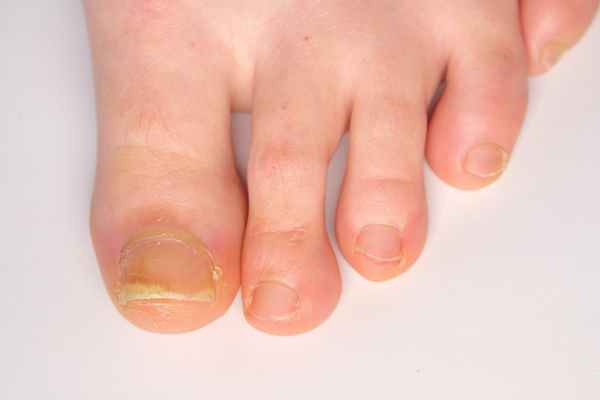
The fungus invades the nail by feeding on keratin — the protein that makes up your nail. It usually starts as a small white or yellow spot under the tip of the nail and spreads inward as the infection progresses.
How Toenail Fungus Makes Nails Yellow
As the fungus spreads, it causes several visible changes:
- The nail turns yellow, yellow-brown, or white
- The nail thickens and becomes harder to trim
- The edges become brittle or crumbly
- Debris builds up beneath the nail
- A foul odor may develop
- In advanced cases, the nail separates from the nail bed
Who Gets Toenail Fungus?
Toenails are a perfect environment for fungal infections because they are warm, dark, and moist inside shoes. You are at higher risk if you:
- Walk barefoot in public showers, locker rooms, or pool decks
- Wear tight-fitting or non-breathable shoes
- Have athlete’s foot that goes untreated
- Sweat heavily in your feet (hyperhidrosis)
- Have had a toenail injury or trauma
- Are over 60 years old
- Have diabetes, poor circulation, or a weakened immune system
- Get frequent pedicures at salons with poor hygiene practices
Types of Toenail Fungus
| Type | Description | Location on Nail |
|---|---|---|
| Distal subungual onychomycosis | Most common type | Starts at the tip, moves inward |
| White superficial onychomycosis | White powder-like patches | Spreads across the surface |
| Proximal subungual onychomycosis | Rare, linked to weak immunity | Starts at the base near the cuticle |
| Candida (yeast) infection | Less common fungal type | Entire nail |
Cause 3 — Aging
As people age, toenails naturally change. They often become thicker, more brittle, and yellower without any infection present.
This is a completely normal part of aging and does not require treatment. However, it can make it harder to distinguish age-related yellowing from a fungal infection.
If the yellow color is accompanied by thickening, crumbling, or odor, fungus is more likely. A doctor can confirm the cause with a nail clipping test.
Cause 4 — Nail Psoriasis
If you have psoriasis, your toenails are likely affected too. Studies show that up to 80% of people with psoriasis will experience nail changes at some point.
Nail psoriasis can cause yellow or yellow-red discoloration that looks like a drop of oil or blood under the nail. This is called an oil drop sign or salmon patch and is a specific marker of psoriatic nail disease.
Other signs of nail psoriasis include:
- Pitting — small dents in the nail surface
- Nail lifting away from the nail bed (onycholysis)
- Thickening of the nail
- Crumbling at the nail edges
Nail psoriasis is often mistaken for a fungal infection because the symptoms overlap. A dermatologist can differentiate between them.
Cause 5 — Diabetes
Diabetes can cause yellow toenails through a specific process. When blood sugar remains consistently high, it breaks down collagen — a key structural protein in the nail.
This collagen breakdown changes the nail’s color, texture, and thickness. Diabetes also reduces circulation to the extremities, which slows nail growth and healing.
People with diabetes who develop toenail fungus face additional risks. Poor blood flow makes infections harder to fight and increases the chance of serious complications including diabetic foot ulcers.
If you are diabetic and notice yellow or thickened toenails, see your doctor promptly rather than attempting self-treatment.
Cause 6 — Yellow Nail Syndrome
Yellow nail syndrome is rare. Medical journals have documented roughly 100 confirmed cases, making it one of the least likely explanations for yellow toenails.
However, it is the most serious cause. It is a systemic condition characterized by three hallmark features:
- Yellow or greenish, thickened, slow-growing nails that may curve and separate from the nail bed
- Lymphedema — swelling in the legs due to impaired lymphatic drainage
- Respiratory symptoms — chronic cough, recurring infections, or fluid around the lungs
Yellow nail syndrome most commonly affects adults over 50. It is sometimes associated with autoimmune diseases, rheumatoid arthritis, thyroid disease, and nephrotic syndrome.
If your yellow nails are accompanied by leg swelling or breathing problems, this warrants an immediate medical evaluation.
Cause 7 — Trauma and Injury
A stubbed toe, a dropped object, or shoes that are too tight can all cause the toenail to yellow or darken. This happens because of bruising beneath the nail.
Blood pools under the nail, and as it ages it can turn the nail yellow, dark red, purple, or black depending on its stage. Athletes — especially runners — frequently experience this from repetitive pressure against the front of their shoes.
Unlike fungal infections, trauma-related yellowing usually affects a single nail and is linked to a specific incident.
Cause 8 — Onycholysis
Onycholysis is a condition where the nail plate separates from the nail bed, starting from the tip and working backward. As the nail lifts, the exposed area appears white or yellow because air has replaced the attachment between nail and bed.
Common causes of onycholysis include trauma, nail psoriasis, certain medications, and occupational exposure to chemicals or moisture — particularly in butchers, hairdressers, and food handlers.
Keeping nails trimmed short and avoiding wet environments helps manage onycholysis.
Cause 9 — Smoking
Nicotine and tar from cigarettes stain nails over time, giving them a yellow or brownish color. This is a direct cosmetic effect of smoke contact.
The staining is more pronounced in people who hold cigarettes with their fingers. The yellow color typically fades gradually after quitting smoking.
Cause 10 — Medications and Medical Treatments
Certain medications and medical treatments can discolor nails as a side effect. Dialysis — a treatment for kidney disease — is known to cause various types of nail changes including yellow discoloration.
Some drugs, when crushed or handled, release dyes that bond to nail keratin and cause staining. Always ask your doctor or pharmacist if a new medication could affect your nails.
Warning Signs You Should Not Ignore
Not all yellow toenails are equal. Certain signs indicate something more serious is happening and require prompt medical attention.
See a doctor if you notice:
- Yellow toenails accompanied by swelling in your legs
- Yellow toenails combined with breathing problems or a chronic cough
- Nails turning brown or black (especially if you are not a runner)
- Pain, discharge, or bleeding around the nail
- Rapid spreading of discoloration to multiple nails
- Yellow nails that do not improve after months of self-treatment
- You are diabetic — any nail changes in diabetics need professional evaluation
- The nail is separating from the nail bed
How to Treat Yellow Toenails at Home
If your yellow toenails are caused by a mild fungal infection or nail polish staining, you may be able to treat them at home. These remedies work best for early-stage or mild cases.
Vicks VapoRub
Vicks VapoRub contains camphor, eucalyptal oil, and menthol — all of which have antifungal properties. A 2024 study of 18 participants found that 83% showed improvement or cure from using Vicks VapoRub on toenail fungus.
Apply a small amount to the affected nail daily. Results take several months.
Tea Tree Oil
Tea tree oil is a natural essential oil with antifungal and antiseptic properties. Apply it directly to the affected nail with a cotton swab twice daily.
Some studies found tea tree oil performed comparably to certain OTC antifungal creams. However, a 2022 review noted that overall evidence is still limited due to small study sizes.
Apple Cider Vinegar Soaks
Apple cider vinegar creates an acidic environment that may slow or stop fungal growth. Mix equal parts warm water and apple cider vinegar and soak your foot for 20–30 minutes daily.
Evidence is anecdotal, but many people report improvement after consistent use over several weeks.
Baking Soda Soaks
Baking soda has demonstrated antifungal effects in laboratory settings. Soaking nails in a baking soda and water solution can help combat fungal growth and neutralize odor.
Oregano Oil
Oregano oil contains thymol, a natural compound with antifungal properties. A 2019 study found that topical treatment containing oregano oil improved toenail fungus and overall nail appearance.
Apply a few drops to the affected nail with a carrier oil once or twice daily.
OTC Antifungal Creams and Polishes
Over-the-counter antifungal products containing clotrimazole, miconazole, or terbinafine are available at most pharmacies. These are more reliable than home remedies for confirmed fungal infections.
Before applying any topical treatment, file the surface of the nail gently to help the medication penetrate deeper layers.
Nail Polish Break
If nail polish staining is the cause, simply removing polish and giving your nails time to breathe is all that is needed. Avoid acetone-based removers, which can dry and weaken nails further.
Medical Treatments for Yellow Toenails
When home remedies do not work, medical treatment is necessary. A podiatrist or dermatologist can diagnose the exact cause and recommend appropriate treatment.
| Treatment | Type | Duration | Best For |
|---|---|---|---|
| Oral terbinafine (Lamisil) | Prescription pill | 6–12 weeks | Moderate to severe fungal infection |
| Oral itraconazole | Prescription pill | 6–12 weeks | Stubborn fungal infections |
| Oral fluconazole (Diflucan) | Prescription pill | Several months | Fungal infections |
| Prescription nail lacquer (ciclopirox) | Topical | 6–18 months | Mild to moderate fungal infection |
| Laser treatment | In-office procedure | Multiple sessions | Patients who cannot take oral medication |
| Steroid injections | In-office injection | Ongoing | Nail psoriasis |
| Biologic medications (ixekizumab) | Systemic drug | Ongoing | Severe psoriasis with nail involvement |
| Nail removal | Surgical | One procedure | Severely infected or thickened nails |
Oral antifungals are the most effective for fungal infections but can affect liver function. Your doctor may order liver function tests before or during treatment.
Laser treatment works best for thinner nails where the fungus has not spread to the nail root. It carries fewer risks than oral medications.
How Long Does It Take for Yellow Toenails to Clear?
Toenails grow slowly — about 1.5 millimeters per month. This means treatment takes time regardless of the method used.
- Nail polish staining — fades within weeks as the nail grows out
- Mild fungal infection with OTC treatment — 3 to 6 months
- Fungal infection with oral prescription — 6 to 12 weeks for medication, but the nail may take 4 to 6 months to fully clear
- Topical prescription lacquer — 12 to 18 months
- Nail psoriasis — ongoing management, not a permanent cure
Consistency is the most important factor. Stopping treatment too early leads to relapse.
How to Prevent Yellow Toenails
Prevention is always easier than treatment. The following habits protect against the most common cause — fungal infection.
Foot hygiene:
- Wash feet with soap and water daily, and dry them thoroughly — especially between the toes
- Trim toenails straight across and file the edges smooth
- Disinfect nail clippers and pedicure tools after each use
Footwear:
- Wear shoes that fit properly and allow airflow
- Choose moisture-wicking, breathable socks
- Wear flip-flops or shower shoes in public pools, gyms, and locker rooms
- Replace old shoes or treat them with antifungal powder
Nail care:
- Use a clear base coat before applying dark nail polish
- Give nails a break from polish regularly
- Avoid picking at or damaging the skin around your nails
- Do not cut nails too short, as this creates entry points for fungi
If you have diabetes or poor circulation:
- Inspect your feet and toenails daily
- See a podiatrist regularly for professional nail care
- Do not attempt to self-treat any nail changes — see a doctor immediately
Yellow Toenails vs. Other Nail Colors — What Each Means
| Nail Color | Most Likely Cause | Action Needed |
|---|---|---|
| Yellow | Fungal infection, aging, polish stain | Monitor; treat if persistent |
| Yellow-green | Bacterial infection (green nail syndrome) | See a doctor |
| White patches | White superficial onychomycosis | See a doctor |
| Brown or black | Bruising, advanced fungus, melanoma (rare) | See a doctor urgently |
| Blue or purple | Oxygen deprivation, bruising | Seek medical attention |
| Red-yellow (oil drop) | Nail psoriasis | See a dermatologist |
| Pale/white all over | Anemia, kidney disease, liver conditions | See a doctor |
When to See a Doctor
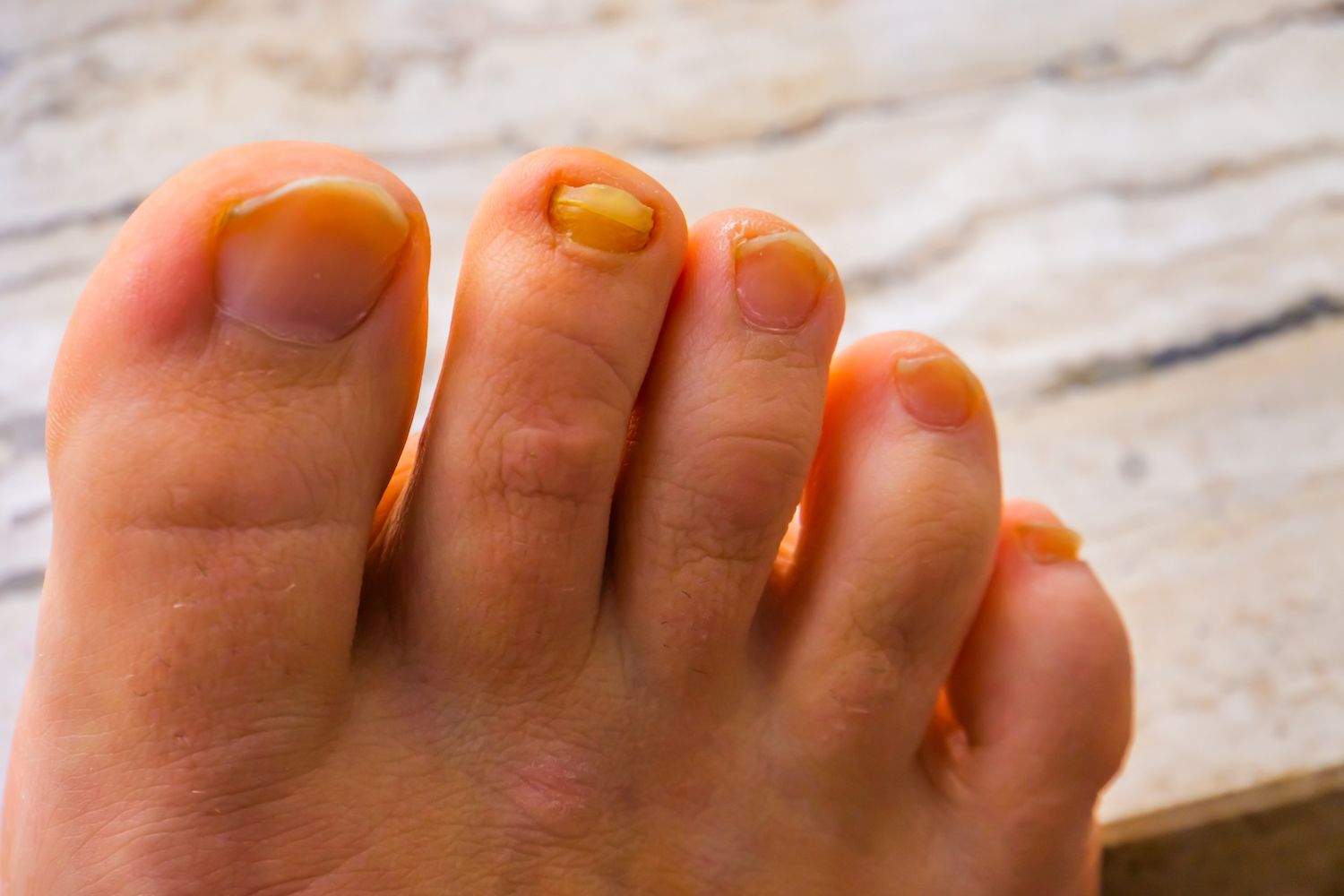
You do not always need a doctor for yellow toenails. But certain situations make professional care essential.
See a doctor if:
- The yellow nail is accompanied by pain, swelling, or discharge
- You have diabetes and notice any nail changes
- Discoloration spreads to multiple nails within weeks
- The nail is thickening rapidly or crumbling apart
- Home or OTC treatments show no improvement after 3 months
- You notice leg swelling or breathing problems alongside yellow nails
- A nail turns green, brown, or black
A doctor will collect nail clippings for laboratory analysis to identify the exact type of fungus or confirm whether another condition is causing the yellowing. This step determines the most effective treatment.
Key Takeaways
- Yellow toenails are caused by nail polish, fungal infection, aging, psoriasis, diabetes, or rarely, yellow nail syndrome
- Toenail fungus (onychomycosis) is the most common medical cause and is treatable
- Mild cases can be treated at home with Vicks VapoRub, tea tree oil, or OTC antifungal creams
- Prescription oral antifungals are the most effective treatment for moderate to severe fungal infections
- Diabetics should always see a doctor for any nail changes — do not self-treat
- Yellow nails with leg swelling or breathing problems need immediate medical evaluation
- Prevention through proper hygiene, breathable footwear, and regular nail care is highly effective
Frequently Asked Questions (FAQs)
Why is my toenail yellow and thick?
Yellow and thick toenails are the classic signs of onychomycosis — a fungal infection. Fungus feeds on nail keratin, causing it to thicken, yellow, and crumble. See a podiatrist for diagnosis and prescription antifungal treatment.
Can nail polish cause yellow toenails?
Yes. Dark nail polish contains dyes that bond to nail keratin and leave a yellow stain, especially with long-term wear. The staining is harmless and fades on its own as the nail grows out.
Is a yellow toenail a sign of diabetes?
It can be. High blood sugar damages collagen and reduces circulation, both of which can cause toenail yellowing and thickening. Diabetics with yellow toenails should see their doctor rather than self-treat.
How do I get rid of yellow toenails fast?
For fungal infections, prescription oral antifungals like terbinafine work the fastest — typically over 6 to 12 weeks — though the nail still takes months to fully grow out clear. There is no instant cure.
Can yellow toenails go away on their own?
If caused by nail polish staining or mild aging, yes — they can resolve without treatment as the nail grows out. Fungal infections rarely resolve on their own and usually get worse without treatment.
What is yellow nail syndrome?
Yellow nail syndrome is a rare systemic condition causing yellow, thickened, slow-growing nails alongside lymphedema (leg swelling) and respiratory symptoms. It primarily affects adults over 50 and requires medical management.
Is toenail fungus contagious?
Yes. Toenail fungus can spread to other nails on your foot, to other people through shared surfaces, and can also cause athlete’s foot. Avoid sharing shoes, socks, nail clippers, or walking barefoot in public wet areas.
Can I use Vicks VapoRub for yellow toenails?
Vicks VapoRub has shown some effectiveness in small studies. It works as a complementary home remedy for mild cases but is not a replacement for prescription antifungal treatment in moderate to severe infections.
How long does it take for a yellow toenail to grow out clear?
Toenails grow slowly — approximately 1.5 mm per month. Even after successful antifungal treatment, it can take 6 to 18 months for the nail to fully grow out clear and healthy.
When should I see a doctor about yellow toenails?
See a doctor if you have diabetes, if the yellow nail is painful or spreading rapidly, if the nail turns green or black, if you have leg swelling or breathing issues, or if home remedies have not worked after 3 months.
Conclusion
Yellow toenails are extremely common, and in most cases the cause is treatable. Whether it comes down to a stubborn fungal infection, nail polish staining, or an age-related change, understanding why your toenail is yellow is the first step toward fixing it.
For mild cases, consistent home care and OTC antifungals can restore your nails over several months. For persistent, painful, or spreading discoloration — especially if you have diabetes or notice swelling and breathing issues alongside it — professional medical care is essential.
Do not ignore what your nails are telling you. They are often the first visible signal of something happening deeper in your body.
