

Why is understanding the risks and hazards associated with fires important is a question every homeowner, employer, and community member must be able to answer.
Fires can ignite in seconds, spread in minutes, and destroy lives and property before help arrives. In 2026, fire departments across the United States respond to a fire approximately every 23 seconds.
Without solid knowledge of fire risks and hazards, people cannot prevent fires, cannot respond effectively, and cannot protect the people they are responsible for.
Fire Risk vs. Fire Hazard: What Is the Difference?
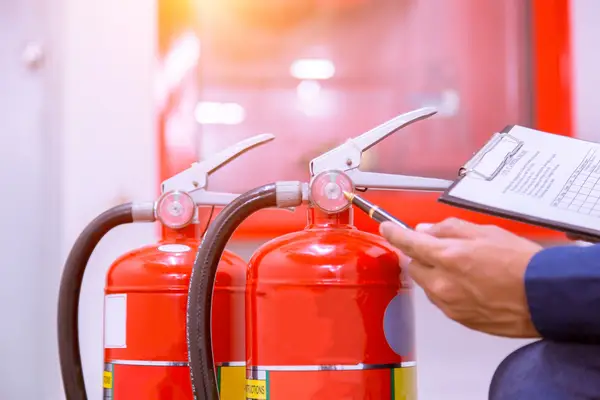
Many people use the terms “fire risk” and “fire hazard” as if they mean the same thing. They do not — and knowing the difference is the first real step toward fire safety.
A fire hazard is any material, condition, or action that increases the likelihood of a fire starting or spreading. Examples include faulty electrical wiring, flammable liquids, overloaded power outlets, and improperly stored chemicals.
A fire risk is the likelihood of a fire occurring as a result of a fire hazard being present — combined with the potential harm that fire could cause. Risk considers probability, severity, and consequences.
Put simply: a fire hazard creates a fire risk. Without a hazard present, there is little to no risk of fire. Understanding both concepts together is the foundation of every effective fire safety plan.
Why Is Understanding the Risks and Hazards Associated With Fires Important?
Understanding fire risks and hazards is important because it saves lives, prevents destruction, protects businesses, supports legal compliance, and builds stronger communities. Every benefit of fire safety flows from this single core principle. Here is a full breakdown of every major reason.
1. It Prevents Fires Before They Start
The most powerful benefit of understanding fire risks and hazards is prevention. Most fires are entirely preventable — if people know what to look for.
When individuals recognize that overloaded electrical outlets, unattended cooking, and improperly stored flammable materials are fire hazards, they take corrective action. They unplug unused devices, store chemicals properly, and keep cooking areas clear.
Prevention at this level eliminates the hazard before a fire risk even develops. That is the goal — not reacting to a fire, but making sure it never starts.
2. It Saves Lives
The primary goal of understanding fire risks and hazards is saving lives. In 2024 alone, home structure fires in the United States caused approximately 2,920 civilian deaths and 8,920 injuries.
When households and companies understand fire risks, they build evacuation plans, install working smoke alarms, and practice fire drills. Smoke alarms alone reduce fire-related deaths by approximately 60% in homes that have them compared to those without.
These are not small numbers. Knowledge of fire risks translates directly into people surviving fires that would otherwise kill them.
3. It Protects Property Worth Billions
Fires cause an estimated $11.4 billion in residential property damage every year in the United States. For businesses, the financial cost is even greater — accounting for lost equipment, halted operations, insurance claims, and reputational damage.
Understanding fire hazards helps homeowners and business owners take protective action. Regular inspections, proper chemical storage, maintained suppression systems, and working detectors all significantly reduce property damage when a fire occurs.
For a small business, a single fire event can be financially catastrophic. Fire risk knowledge is, in every practical sense, financial protection.
4. It Enables Effective Emergency Response
Knowing fire risks and hazards does not only help prevent fires — it also prepares people to respond correctly when one breaks out. A person who understands fire behavior knows not to open a closed door without first checking if it is hot, knows to crawl low beneath smoke, and knows which exits to use.
Most people who die in fires die from toxic gases and smoke inhalation — not the flames themselves. Responding correctly in the first 60 to 90 seconds of a fire is the difference between escape and tragedy.
Understanding fire hazards gives people the mental roadmap to react fast and correctly.
5. It Makes Workplace Training More Effective
Understanding fire risks makes it dramatically easier to train workers on fire prevention plans. When employees know why certain behaviors are dangerous — not just that they are prohibited — they comply more consistently and respond better in emergencies.
Fatal fire-related workplace injuries occur every two hours in the United States. Nonfatal injuries happen every 36 minutes. These figures show that workplace fire safety education is not a compliance checkbox. It is an ongoing life-safety requirement.
OSHA mandates that employers provide fire safety training and emergency action plans. Understanding fire risks gives that training its substance and credibility.
6. It Supports Legally Required Fire Risk Assessments
A formal fire risk assessment is only as good as the understanding behind it. Assessors must identify ignition sources, fuel sources, and oxygen pathways in a given environment. They must evaluate who is at risk, what protective measures exist, and what additional actions are needed.
Without genuine understanding of fire risks and hazards, this becomes a paperwork exercise rather than a life-saving process. NFPA 551 and OSHA fire safety standards provide structured frameworks for professional fire hazard assessment.
In many jurisdictions, fire risk assessments are legally required for commercial properties, schools, care homes, and public buildings. Non-compliance exposes employers and property owners to significant legal and financial liability.
7. It Reduces Financial and Legal Liability
When a fire occurs and an investigation finds that known hazards were ignored, liability follows. Property owners, employers, and facility managers can face lawsuits, insurance denials, regulatory fines, and even criminal charges.
Understanding fire risks allows organizations to take documented corrective action. That documentation creates a legal defense and demonstrates a genuine commitment to safety.
For insurers, a well-managed fire risk profile also means lower premiums and faster claims resolution. The financial case for fire risk awareness is as strong as the moral one.
8. It Builds Stronger Communities
When local organizations, fire departments, and residents understand the fire risks and hazards around them, they create better support systems. Community-level fire preparedness leads to faster emergency response, more effective evacuations, and faster recovery after fire events.
Community fire education programs, fire drills in schools, and local firefighter outreach all depend on a shared baseline of fire risk knowledge. Without it, communities remain reactive rather than proactive.
Fire-resilient communities experience less damage, fewer deaths, and shorter recovery periods than those where fire awareness is low.
The Most Common Fire Hazards You Need to Know
Understanding fire hazards in detail is the practical application of fire risk knowledge. Here are the most significant categories every person should recognize.
Electrical Hazards
Electrical hazards are among the most common causes of fires in both residential and commercial settings. They are also among the most preventable.
Faulty wiring, overloaded circuits, damaged power cords, and malfunctioning appliances all create serious ignition risks. Fires caused by electrical faults can start inside walls and ceilings, hidden from view, making them especially dangerous before they are detected.
NFPA research identifies electrical distribution and lighting equipment as a leading factor in residential fire ignitions. Regular electrical inspections and avoiding overloaded outlets are primary prevention steps.
Cooking-Related Hazards
Cooking is the leading cause of residential fires in the United States. Unattended stovetops, grease buildup, and misuse of cooking appliances are the primary ignition factors.
Cooking fires account for a significant share of kitchen injuries and deaths. The single most effective prevention step is simple: never leave cooking food unattended. Keeping burners, ovens, and grills clean of grease buildup is equally important.
Flammable and Combustible Materials
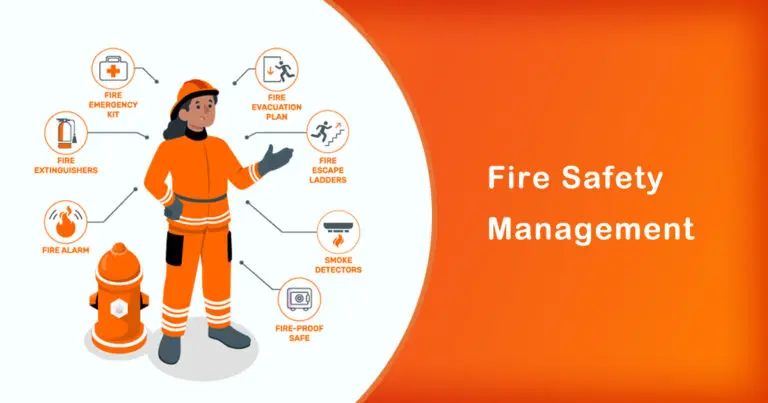
Flammable liquids such as gasoline, paint thinners, and solvents present extreme fire risks when stored improperly. Combustible solids including wood, paper, textiles, and cardboard are also common fuel sources.
Improper storage of these materials — particularly near heat sources — is one of the most frequent and avoidable causes of serious fires. Gas leaks from propane or natural gas lines can create explosive conditions if an ignition source is present.
Heating Equipment
Portable space heaters and wood stoves account for 74% of fire-related deaths in residential spaces, according to the American Red Cross. Heating equipment placed too close to flammable materials — curtains, furniture, bedding — is a major risk factor.
Proper clearance distances, regular maintenance, and turning off heating devices when leaving a room are essential prevention practices.
Smoking Materials
Carelessly discarded cigarette butts remain a leading cause of fire fatalities. Smoking materials that are not fully extinguished can smolder undetected in furniture, waste bins, or dry vegetation before igniting into a full fire.
Strict no-smoking rules in designated areas and proper disposal containers significantly reduce this hazard.
Lithium-Ion Batteries
A growing fire hazard in 2026 is lithium-ion battery fires. Smartphones, laptops, e-bikes, power tools, and electric vehicles all use these batteries. Improper charging, physical damage, and manufacturing defects can cause these batteries to catch fire or explode.
The Consumer Product Safety Commission has recorded hundreds of incidents linked to improper charging or damaged lithium-ion batteries. Using manufacturer-approved chargers and avoiding overnight charging on combustible surfaces are key prevention steps.
| Fire Hazard Type | Common Cause | Prevention Step |
|---|---|---|
| Electrical | Faulty wiring, overloaded outlets | Regular inspections, avoid overloading |
| Cooking | Unattended cooking, grease buildup | Never leave cooking unattended |
| Flammable materials | Improper storage near heat | Store separately, in ventilated areas |
| Heating equipment | Too close to combustibles | Maintain clearance distances |
| Smoking materials | Improper disposal | Use proper disposal containers |
| Lithium-ion batteries | Improper charging, damage | Use approved chargers, avoid overnight charging |
| Chemical hazards | Improper storage, spills | Follow MSDS guidelines, secure storage |
The Four Stages of Fire: Why Timing Matters
Understanding how a fire progresses helps people recognize what stage they are dealing with and respond appropriately.
Incipient Stage
This is the earliest stage. The fire is small and localized, often limited to its origin point. Smoke production is minimal. A fire detected and addressed at this stage can often be extinguished with a portable fire extinguisher.
Speed of detection here is everything. This is why working smoke detectors are so critical — they catch fires at this stage, when they are still survivable and manageable.
Growth Stage
The fire begins to spread beyond its origin point. Heat output increases, smoke builds, and the fire starts consuming additional fuel sources. Evacuation should begin immediately. Attempting to fight a fire in the growth stage without proper training and equipment is extremely dangerous.
Fully Developed Stage
At this most dangerous phase, structural elements may be compromised and a phenomenon called flashover becomes possible — a sudden, near-simultaneous ignition of all combustible materials in a space. Firefighting efforts at this stage must prioritize evacuation above all else.
Decay Stage
Flames weaken as fuel is consumed or suppression efforts take effect. However, hidden pockets of heat and smoldering material can persist and cause reignition. Full extinguishment and professional confirmation of safety are essential before re-entry.
| Stage | Fire Behavior | Recommended Action |
|---|---|---|
| Incipient | Small, localized, minimal smoke | Use extinguisher if trained; alert others |
| Growth | Spreading, increasing heat and smoke | Begin evacuation immediately |
| Fully Developed | Structural risk, flashover possible | Exit only; do not attempt firefighting |
| Decay | Flames weakening | Await professional clearance; risk of reignition |
Fire Risk Assessment: What It Is and Why It Matters
A fire risk assessment is a systematic evaluation of a premises to identify fire hazards, assess who is at risk, and determine what protective measures are needed.
It identifies three core elements: ignition sources (heat, flames, sparks), fuel sources (flammable materials), and oxygen sources (air, ventilation systems). When all three are present together, a fire can start. A risk assessment’s job is to identify and interrupt that triangle.
For businesses, fire risk assessments are legally required in most jurisdictions. For homeowners, conducting a personal assessment is one of the most effective fire prevention steps available.
OSHA’s fire safety standards and the NFPA’s suite of more than 300 codes and standards provide the frameworks for professional fire risk assessment across all industries and building types.
Fire Safety in the Workplace: Critical Facts for 2026
The workplace is one of the highest-risk fire environments people encounter daily. Electrical equipment, industrial chemicals, cooking areas, storage warehouses, and manufacturing processes all create significant fire hazards.
Fatal fire-related workplace injuries in the United States occur every two hours. Property damages from store and office fires amount to approximately $932 million annually.
OSHA requires every employer to provide a workplace free from recognized hazards — including fire hazards. Key requirements include clear exit routes that are unlocked, adequately signed, and large enough for the number of occupants, along with fire extinguishers at strategic locations and trained personnel who know how to use them.
Understanding fire risks allows employers to meet these requirements meaningfully — not just technically. It also reduces the likelihood of being found liable when a fire-related incident results in injury or death.
| OSHA/NFPA Requirement | Purpose |
|---|---|
| Emergency Action Plan | Defines evacuation procedures and responsibilities |
| Clear exit routes | Ensures fast, safe evacuation |
| Fire extinguishers at designated locations | Enables first-response suppression |
| Employee fire safety training | Prepares workers to prevent and respond to fires |
| Fire risk assessments | Identifies and mitigates hazards proactively |
| Smoke alarm systems | Provides early warning for evacuation |
Fire Safety at Home: What Every Household Must Do
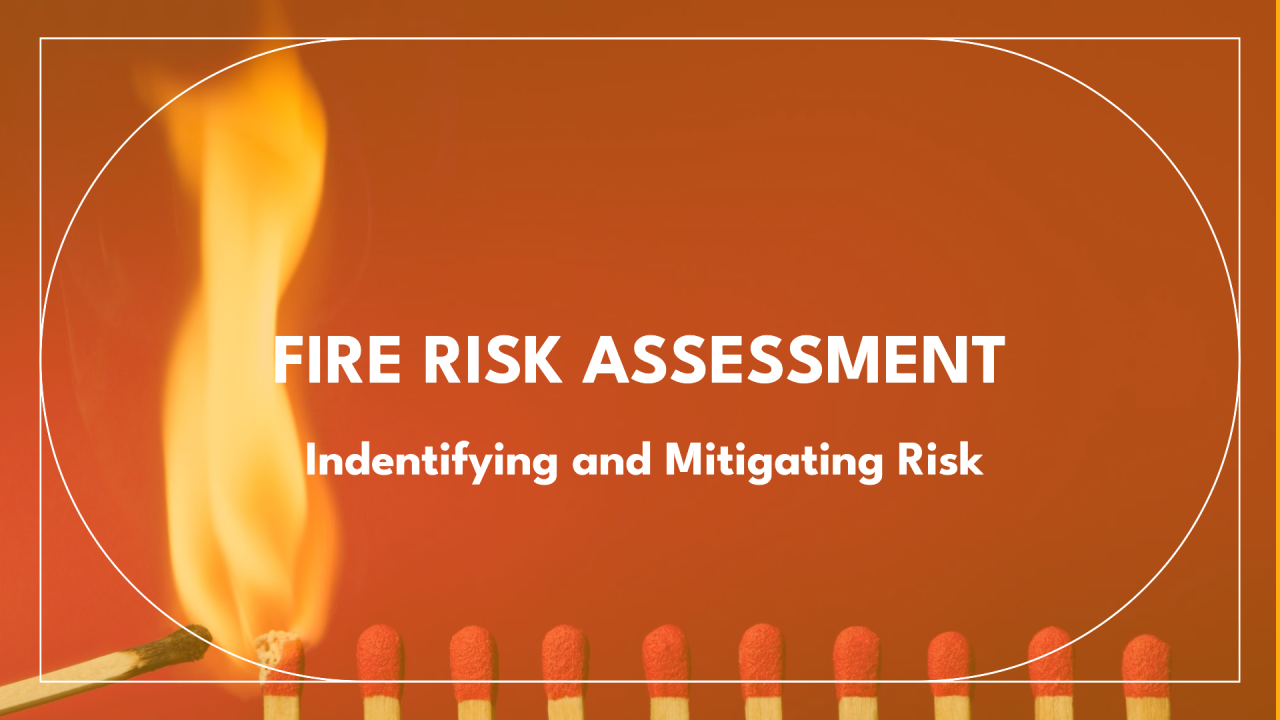
Home fires account for the majority of fire-related deaths in the United States. In 2024, a home fire was reported approximately every 96 seconds nationally.
The most effective home fire safety steps are well-established and widely available — but only work when people understand the risks that make them necessary.
Install and test smoke alarms on every level of the home and inside each bedroom. Test them monthly. Replace batteries annually or install 10-year sealed battery alarms. A working smoke alarm is the single most effective life-safety tool available to homeowners — reducing fatal fire outcomes by approximately 60%.
Create a home fire escape plan with at least two exit routes from every room. Practice it with all household members at least twice per year. Know the meeting point outside the building. Teach children what a smoke alarm sounds like and what to do when they hear it.
Never leave cooking unattended. Keep space heaters at least three feet from combustible materials. Store flammable liquids in approved containers away from heat sources. Charge lithium-ion devices on hard surfaces, not on beds or sofas.
How Fire Risk Awareness Builds Community Resilience
Individual fire safety knowledge does not stop at the household level. When communities share a common baseline of fire risk understanding, collective resilience improves dramatically.
Local fire departments, community organizations, and schools that conduct fire education programs create populations that respond better in emergencies. Residents who know evacuation routes, understand fire behavior, and know when to call for help — and when not to re-enter a burning building — reduce the burden on emergency services and improve survival outcomes.
Community fire preparedness is also an economic issue. Communities that experience repeated, large fire losses face higher insurance costs, reduced property values, and slower economic recovery. Fire-aware communities protect themselves financially as well as physically.
Legal and Regulatory Framework for Fire Safety in 2026
Fire safety in 2026 is governed by an evolving set of legal requirements at federal, state, and local levels. The primary standards-setting body in the United States is the National Fire Protection Association (NFPA), which publishes more than 300 codes and standards affecting virtually every building, process, and installation in the country.
Key standards include NFPA 1 (Fire Code), NFPA 72 (National Fire Alarm and Signaling Code), NFPA 101 (Life Safety Code), and NFPA 70E (Electrical Safety in the Workplace). OSHA 1910 Subpart L governs fire protection in general industry workplaces.
The 2026 edition of NFPA 10 modernizes portable fire extinguisher inspection requirements, recognizing electronic monitoring as an alternative to manual-only inspection for large facilities. The 2026 edition of NFPA 855 expands fire safety requirements for lithium-ion and other energy storage systems — reflecting the growing hazard these technologies present.
Understanding fire risks is not just a moral or practical obligation. In most contexts, it is a legal one.
Frequently Asked Questions (FAQs)
Why is understanding the risks and hazards associated with fires important?
Understanding fire risks and hazards is important because it prevents accidents before they occur, helps save lives, protects property, and enables effective emergency response when a fire does break out.
What is the difference between a fire risk and a fire hazard?
A fire hazard is any material or condition that could start or spread a fire. A fire risk is the likelihood of that hazard causing harm — including injuries, deaths, and property loss.
What are the most common fire hazards in the home?
The most common home fire hazards are unattended cooking, faulty electrical wiring, overloaded outlets, improperly stored flammable materials, heating equipment placed near combustibles, and smoking materials not fully extinguished.
How does understanding fire risks save lives?
When people recognize fire hazards, they take corrective action before a fire starts. They also know how to respond correctly — evacuating quickly, staying low under smoke, and using the nearest safe exit — which dramatically improves survival outcomes.
What is a fire risk assessment and who needs one?
A fire risk assessment is a systematic evaluation of a space to identify hazards, assess who is at risk, and determine protective measures needed. It is legally required for most businesses and is strongly recommended for all homeowners.
What role do smoke alarms play in fire safety?
Working smoke alarms reduce fire-related deaths by approximately 60% compared to homes without them. They provide the early warning needed to evacuate before smoke and toxic gases become deadly.
What are the four stages of a fire?
The four stages are incipient (small, localized), growth (spreading), fully developed (maximum danger, flashover risk), and decay (flames weakening but reignition risk remains).
Why is workplace fire safety especially important?
Fatal fire-related workplace injuries in the United States occur every two hours. Businesses face legal liability, operational disruption, and massive financial losses from workplace fires — making fire risk awareness a core business responsibility.
What are the newest fire hazards people should know about in 2026?
Lithium-ion battery fires are a rapidly growing hazard in 2026. Improper charging and battery damage in smartphones, e-bikes, power tools, and electric vehicles are causing an increasing number of fires and injuries.
How can communities improve their fire safety preparedness?
Communities improve fire preparedness through fire education programs, regular fire drills in schools and workplaces, clear community evacuation plans, and strong relationships between residents and local fire departments.
Conclusion
Understanding the risks and hazards associated with fires is important because it is the foundation of everything else in fire safety.
Prevention, protection, legal compliance, emergency response, and community resilience all depend on this knowledge. In 2026, fires remain one of the most common, costly, and deadly threats that households, businesses, and communities face.
The good news is that most fires are preventable when people know what to look for and what to do. Every smoke alarm installed, every escape plan practiced, every hazard identified and corrected is a direct result of fire risk awareness. That awareness is not just useful — in many cases, it is the reason people survive.
