

Why is my knee so tight after meniscus surgery is one of the most common questions patients ask during recovery.
That tight, “wrapped in a rubber band” feeling can be alarming, especially when your surgeon told you the procedure went well.
The good news is that knee tightness after meniscus surgery almost always has a clear, identifiable cause, and most causes improve with the right care and rehabilitation.
What Happens During Meniscus Surgery

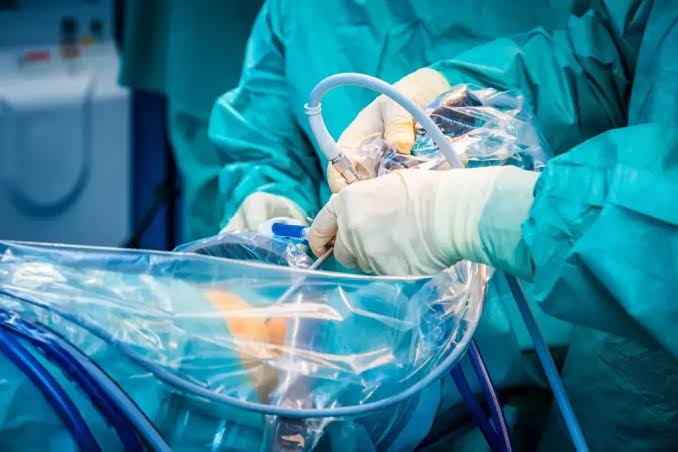
Meniscus surgery is performed arthroscopically, using small incisions and a camera to access the knee joint.
The surgeon either trims the damaged meniscus tissue away, known as a partial meniscectomy, or stitches the tear back together in a meniscus repair.
Both approaches aim to reduce pain and restore function, but they lead to very different recovery timelines and levels of post-surgical tightness.
Types of Meniscus Surgery
| Procedure | What Happens | Typical Recovery Speed |
|---|---|---|
| Partial Meniscectomy | Damaged tissue trimmed away | Faster, weeks |
| Meniscus Repair | Tear stitched back together | Slower, months |
| Meniscus Transplant | Donor tissue replaces meniscus | Longest, several months |
Knowing which procedure you had explains a lot about why your knee feels the way it does right now.
Why Is My Knee So Tight After Meniscus Surgery: The Main Causes
Knee tightness after meniscus surgery is rarely caused by just one thing. It is usually a combination of normal healing responses and temporary mechanical changes in the joint.
Post-Surgical Swelling and Fluid Buildup
Swelling is the most common cause of tightness and happens because your body sends fluid to the area to support healing.
This fluid, called edema, can remain in the knee for four to six weeks until your body gradually reabsorbs it.
The knee often looks puffy, feels warm, and is harder to fully bend or straighten while this fluid is present.
Scar Tissue and Arthrofibrosis
As your incisions heal, your body naturally forms scar tissue around the surgical site.
When too much scar tissue builds up inside the joint, a condition called arthrofibrosis can develop, severely limiting motion.
Arthrofibrosis is uncomfortable and can make the knee feel constantly tight, but it usually responds well to focused physical therapy.
Muscle Guarding
After surgery, your nervous system protects the joint by keeping the hamstring and calf muscles in a low-grade, guarded state.
This is not the same as a shortened muscle; it is a protective reflex that will not fully release until the underlying joint issue improves.
Stretching alone often does not resolve muscle guarding, which is why targeted rehab matters more than passive stretching.
Reduced Movement During Early Recovery
Limited weight-bearing and immobilization in the first days after surgery naturally cause stiffness in the surrounding tissue.
The less the knee moves early on, the tighter it tends to feel once you start trying to bend or straighten it again.
Changes in Knee Mechanics
Removing even a small portion of the meniscus changes how weight and force move through the joint.
This shift in mechanics can create a sensation of tightness or altered movement patterns as your knee adapts to its new normal.
Joint Surface Irritation
Meniscus tears often occur in knees that already show some cartilage wear, and surgery can temporarily irritate these joint surfaces.
This irritation frequently shows up as morning stiffness or tightness after long periods of sitting.
Retained Fragments or Failed Repair
In rare cases, a loose stitch or a small retained piece of meniscus tissue can physically block smooth movement.
If tightness is worsening rather than improving over time, this possibility should be evaluated by your surgeon.
Recovery Timeline After Meniscus Surgery
Understanding the general timeline helps you know what level of tightness is expected at each stage.
| Timeframe | What to Expect |
|---|---|
| Days 1–2 | Most pain and swelling, limited motion |
| Days 3–7 | Pain starts easing, gentle movement begins |
| Weeks 2–6 | Swelling reduces, mobility steadily improves |
| Months 2–6 | Strength returns, tightness continues fading |
Most patients notice significant improvement in tightness by the six-week mark, though full recovery can take several months.
Meniscectomy vs Meniscus Repair: Recovery Differences
The type of surgery you had directly affects how tight your knee feels and for how long.
| Factor | Meniscectomy | Meniscus Repair |
|---|---|---|
| Weight bearing | Often immediate | Often restricted early on |
| Brace or immobilizer | Usually not needed | Frequently required |
| Return to bending | Faster | Slower, more cautious |
| Typical tightness duration | Weeks | Weeks to months |
If you had a repair rather than a trim, expect your knee to stay tighter for longer, since the tissue needs time to heal without excess stress.
Symptoms That Are Normal vs Symptoms That Need Attention
Not every tight sensation is a red flag, but some symptoms do need prompt medical evaluation.
| Normal Symptoms | Concerning Symptoms |
|---|---|
| Mild swelling and warmth | Redness spreading rapidly |
| Stiffness after sitting | Fever or chills |
| Clicking or popping without pain | Popping with pain or instability |
| Gradual improvement week to week | Worsening tightness over time |
If your symptoms match the concerning column, contact your surgeon rather than waiting it out.
Risk Factors for Prolonged Knee Tightness
Some patients are more likely than others to experience longer-lasting tightness after meniscus surgery.
| Risk Factor | Why It Matters |
|---|---|
| Older age | Slower tissue healing |
| Pre-existing cartilage wear | More joint surface irritation |
| Inconsistent physical therapy | Slower scar tissue breakdown |
| High-impact activity too soon | Increases inflammation and setbacks |
| Meniscus repair vs trim | Longer, more cautious healing process |
Knowing your personal risk factors helps set realistic expectations for how long tightness may last.
How to Reduce Knee Tightness at Home
Simple home strategies can meaningfully ease tightness while your knee continues healing.
Applying ice for about 20 minutes every couple of hours helps control swelling in the early days after surgery.
Keeping your leg elevated above heart level reduces fluid pooling and eases that tight, puffy feeling.
A compression bandage, used as your doctor recommends, provides gentle support that limits excess swelling.
Gentle, doctor-approved range-of-motion movement, even in small amounts, prevents the joint from becoming stiffer than it needs to be.
Home Care Quick Reference Table
| Method | Purpose |
|---|---|
| Ice therapy | Reduces swelling and pain |
| Leg elevation | Limits fluid buildup |
| Compression bandage | Supports and controls swelling |
| Gentle motion | Prevents excess stiffness |
| Rest between sessions | Allows tissue to recover |
Physical Therapy Exercises for Knee Tightness
Structured physical therapy is the single most effective way to reduce tightness and restore normal movement.
Heel slides involve lying on your back and gently sliding your heel toward your buttock to encourage bending.
Quad sets, done by tightening the thigh muscle while the leg is straight, help restore strength without stressing the joint.
Straight leg raises build quadriceps strength while keeping direct pressure off the healing meniscus.
Passive knee flexion stretches, often introduced a few weeks after surgery, use gravity or gentle assistance to slowly improve bending.
Common Rehab Exercises Table
| Exercise | Main Benefit |
|---|---|
| Heel slides | Improves knee bending |
| Quad sets | Builds thigh strength |
| Straight leg raises | Strengthens without joint strain |
| Passive knee flexion | Increases flexibility |
| Hamstring curls | Supports knee stability |
The Importance of Full Extension
Regaining full knee extension, meaning the knee straightens completely to match your other leg, is one of the biggest predictors of long-term success.
Patients who never fully regain extension are more likely to develop an altered walking pattern and ongoing discomfort.
Prone hangs and heel props are commonly used stretches that rely on gravity to slowly restore full extension.
When Tightness Signals a Complication
While most tightness is a normal part of healing, a few situations warrant closer medical attention.
Arthrofibrosis, or excessive scar tissue formation, can cause the knee to feel constantly bound and restricted rather than gradually loosening.
Infection is rare but serious, and it typically comes with fever, spreading redness, and increasing rather than decreasing pain.
A failed repair or retained meniscus fragment can cause mechanical catching, locking, or a feeling of instability alongside the tightness.
Long-Term Outlook After Meniscus Surgery
Most patients see steady improvement in knee tightness over the weeks and months following surgery.
Removing part of the meniscus does change how forces move through the knee, which is why maintaining a healthy weight and staying consistent with strengthening exercises matters long term.
Research has linked meniscus removal with an increased risk of cartilage changes over time, making ongoing joint care important well beyond the initial recovery period.
Regular follow-up visits help catch any developing issues early, long before they become bigger problems.
Tips for a Smoother Recovery
Staying consistent with your physical therapy plan, even on days when motivation is low, produces the best long-term results.
Avoid rushing back into high-impact activity before your surgeon or therapist clears you, since doing too much too soon can trigger new swelling.
Tracking your range of motion weekly gives you and your care team a clear picture of whether progress is on track.
Maintaining a healthy weight reduces the ongoing load on your knee joint, which supports both comfort and long-term joint health.
When to See a Doctor
Most tightness after meniscus surgery is a normal, temporary part of healing, but a few signs mean it’s time to call your surgeon.
Contact your doctor if tightness is getting worse instead of better, if you develop fever or spreading redness, or if you experience locking, catching, or a sense that the knee could give way.
Persistent tightness beyond the expected recovery window, especially without improvement despite consistent physical therapy, also deserves a follow-up evaluation.
Frequently Asked Questions (FAQs)
1. Why is my knee so tight after meniscus surgery weeks later?
Lingering tightness weeks later is usually due to residual swelling or scar tissue still forming around the joint. It typically continues improving with consistent physical therapy.
2. How long does knee tightness last after meniscus surgery?
Most swelling-related tightness eases within four to six weeks as fluid is reabsorbed. Full recovery, including strength, can take a few months.
3. Is knee tightness normal after a meniscectomy?
Yes, mild to moderate tightness is expected after a meniscectomy due to swelling and reduced early movement. It generally resolves faster than after a repair.
4. Can scar tissue really make my knee feel tight?
Yes, excess scar tissue, known as arthrofibrosis, can bind tissue together and restrict motion. Physical therapy is the main tool used to break it down.
5. Should I keep exercising if my knee feels tight?
Gentle, doctor-approved range-of-motion exercises are usually encouraged even when the knee feels tight. Avoid high-impact activity until your provider clears you.
6. Can knee tightness mean my meniscus repair failed?
It is possible, especially if tightness comes with locking, catching, or worsening pain. A doctor’s evaluation is the only way to confirm this.
7. Why does my knee feel tighter after sitting for a while?
Sitting reduces joint movement and fluid circulation, which can temporarily increase stiffness afterward. This pattern is common and usually eases once you start moving again.
8. Does ice or heat work better for post-surgical tightness?
Ice is generally recommended in the early weeks to control swelling and inflammation. Heat may be introduced later to help with muscle relaxation before exercise.
9. Can weight affect how tight my knee feels after surgery?
Extra body weight increases pressure on the healing knee joint, which can prolong swelling and tightness. Maintaining a healthy weight supports faster, smoother recovery.
10. When should I worry about knee tightness after meniscus surgery?
You should seek medical attention if tightness worsens over time, comes with fever or spreading redness, or includes locking or instability. These signs suggest a complication rather than normal healing.
Conclusion
Knee tightness after meniscus surgery is one of the most common concerns patients face during recovery, and in most cases, it is a completely normal part of the healing process.
Post-surgical swelling, scar tissue formation, muscle guarding, and temporary changes in knee mechanics are the leading causes, and all of them tend to improve with time and consistent physical therapy.
Staying on top of your rehab exercises, managing swelling with ice and elevation, and working toward full knee extension all speed up recovery and reduce long-term complications.
While most tightness resolves within a few weeks to months, watch for warning signs like worsening pain, fever, or a sense of instability, since these can point to complications like arthrofibrosis, infection, or a failed repair.
With patience, consistent rehabilitation, and regular follow-up care, most patients see their knee tightness steadily fade and regain full, confident movement.
