

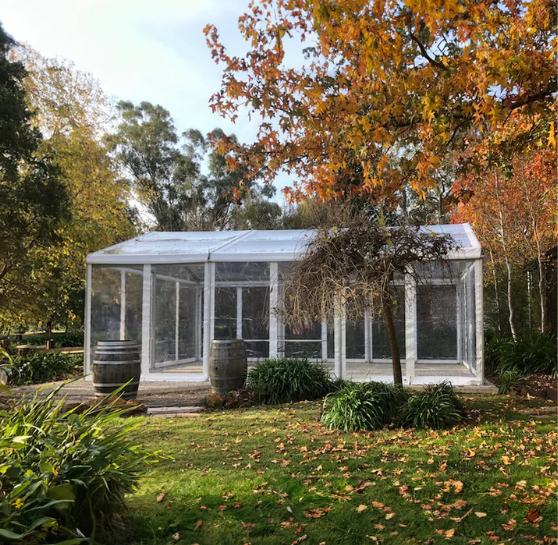
From summer festivals on the prairies of Manitoba to construction staging yards along the British Columbia coast, temporary shelter is a constant need across a Canadian warm season that is short, busy, and unpredictable. Organizers and contractors contend with sudden squalls, heavy afternoon downpours, and gusty winds that funnel across open ground. A well-engineered clear-span event tent answers that need by enclosing a wide, column-free area that stays usable whatever the sky delivers. This article examines how these structures work and what buyers should consider.
How a Clear-Span A-Frame Works
The defining feature of a clear-span tent is the absence of interior poles. Instead of central supports, the load is carried by an A-frame of rigid beams that meet at a ridge and transfer weight outward to the perimeter and into the ground anchors. This geometry frees the entire twenty-six-foot width for tables, equipment, or staging without obstructions. The peaked roof sheds rain and snowmelt quickly, while the triangular frame resists the lateral push of wind far better than a flat canopy.
Aluminum is central to the design. It offers a high strength-to-weight ratio, resists the corrosion that road salt and coastal moisture inflict on steel, and stays light enough for a small crew to raise and dismantle by hand. That reduced weight matters on remote sites where no crane or heavy lift is available, and it eases the toll on the small crews that festivals and contractors typically rely on.
Stability, Safety, and Productivity
The productivity advantage of a column-free span is layout freedom. A caterer can arrange long service lines, and a worksite can park a forklift inside, all without working around posts. That open volume also speeds setup and teardown between bookings. A rental operator who turns a tent around quickly between weekend events can serve more clients in a single short season, which is decisive when the warm months are few.
Stability under Canadian weather depends on proper anchoring and crew discipline. Practical measures keep a tent secure:
- Stake or ballast every leg to the rated load.
- Tension the cover evenly to prevent flapping.
- Monitor forecasts and lower sidewalls before gusts.
- Clear pooled water and accumulated snow promptly.
Technical Foundation and Performance Factors
Wind and water resistance are functions of frame engineering, cover material, and the quality of the anchoring system. The slope of the A-frame roof governs how fast precipitation drains, while the grade of the fabric determines whether it sheds rain or wicks it. Ground conditions matter too: firm soil holds stakes well, whereas sand or saturated turf calls for ballast blocks. Each connection point in the frame distributes stress, so a structure is only as sound as its weakest joint and anchor. Temperature swings between a hot afternoon and a cool evening also expand and contract the materials slightly, so periodic checks during a long booking keep tension correct.
Safe Operation and Maintenance
A tent lasts many seasons when it is cleaned, dried, and stored with care. Crews should rinse the cover free of dirt and debris, allow it to dry fully before folding to prevent mildew, inspect beams for dents, and confirm that connectors and fasteners remain intact. Consider a festival committee in rural Nova Scotia that raises the same shelter each August: by drying the fabric thoroughly after a rainy weekend and storing the aluminum indoors, they have reused one structure across many seasons without replacing the cover. Spare stakes and connectors stored alongside the frame prevent a missing part from delaying a setup.
What Buyers Should Weigh
Choosing a tent means matching the structure to its intended use. Buyers should consider the typical wind exposure of their sites, the surfaces they anchor into, the frequency of setup, and whether the same shelter must serve both public events and rugged worksites. A wide clear span suits gatherings that demand open floor area, while the anchoring approach must suit the ground beneath it.
Conclusion and Future Trends
Clear-span tents have grown into a dependable solution as Canadian events and industries lean on flexible, weather-ready space. Future designs point toward lighter alloys, modular sidewalls, and covers engineered for stronger ultraviolet and tear resistance. For buyers reviewing the range at this clear-span tent and shelter supplier, grasping how the frame manages load remains the clearest path to a confident decision.
