

Why is my dog scooting her butt? It’s usually because something around her rear end is itchy, painful, or irritated, and dragging her bottom across the floor is her way of trying to relieve it.
This behavior can look funny, but it’s rarely random. In most cases it points to full anal glands, worms, allergies, or skin irritation. Some causes are harmless and go away on their own, while others need a vet visit.
What Does Dog Scooting Actually Mean?
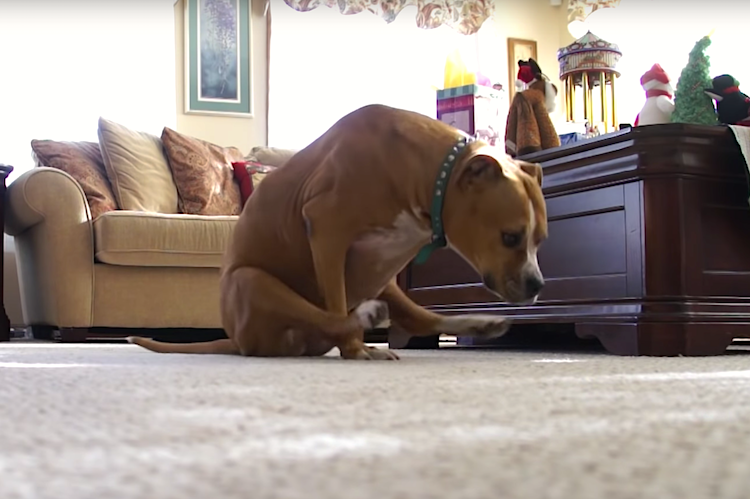
Scooting is when a dog drags her bottom along the ground while sitting, usually moving forward with her back legs. It looks like she’s trying to itch a spot she can’t reach with her paws or tongue.
Since dogs can’t scratch their rear the way humans can, scooting becomes their go-to move. It’s an instinctive response to discomfort, not a trick or a game, even if it looks silly.
Vets generally treat scooting as a symptom rather than a disease itself. The real question is always what’s causing the itch or pain in the first place.
Is Occasional Scooting Normal in Female Dogs?
A single scoot here and there usually isn’t a big deal. Many dogs do it once after a bowel movement and never repeat it that day.
Frequent or daily scooting is different. If your dog is scooting her butt multiple times a day or every day for a week, that’s a signal something needs attention.
Female dogs have an extra reason to scoot that male dogs don’t: vulva irritation. This makes it slightly more common in intact or in-heat female dogs compared to males.
Top Causes of Dog Butt Scooting
1. Impacted or Infected Anal Glands
This is the single most common reason dogs scoot. Every dog has two small anal glands just inside the rectum that release a smelly fluid during bowel movements.
When these glands don’t empty properly, they become full, swollen, and uncomfortable. Scooting is the dog’s attempt to squeeze out the pressure herself.
If left untreated, impacted glands can become infected or form an abscess, which is far more painful and may require antibiotics or minor surgery.
2. Intestinal Parasites (Worms)
Tapeworms are a classic cause of scooting. As tapeworm segments exit the body, they cause itching around the anus that drives dogs to drag their bottom.
These segments often look like small grains of rice stuck to the fur near the tail or in fresh stool. Roundworms can cause similar irritation in some cases.
Deworming treatment from a vet usually resolves this quickly. Fleas are often the hidden source, since dogs pick up tapeworms by swallowing infected fleas.
3. Skin Allergies and Environmental Irritation
Allergies to pollen, dust, grass, or cleaning products can inflame the skin around a dog’s rear end just like anywhere else on the body.
This kind of itch tends to show up alongside other allergy signs, like paw licking, face rubbing, or red, irritated skin in other spots.
Seasonal allergies can make scooting worse at certain times of year, especially spring and fall when environmental allergens spike.
4. Food Allergies or Sensitivities
Some dogs react to specific proteins or grains in their diet with skin inflammation, including around the anus. This is a food allergy or intolerance at work.
Diets that are low in fiber or heavy in fillers like corn, wheat, or soy are more likely to cause loose stools, which can trigger anal gland problems.
If scooting starts shortly after a food change, diet is worth investigating first, ideally with a vet-guided elimination trial.
5. Diarrhea or Consistently Loose Stool
Firm stool naturally presses on and empties the anal glands during a bowel movement. Soft or watery stool doesn’t provide that same pressure.
Dogs with chronic diarrhea or soft stools are therefore more prone to impacted glands and the scooting that follows. Digestive upset needs its own treatment plan.
Adding fiber, adjusting diet, or treating an underlying GI issue often reduces scooting as a side effect of firmer stools.
6. Matted Fur or Leftover Fecal Debris
Long-haired breeds can easily get bits of stool tangled in the fur around their rear end. This trapped debris is itchy and uncomfortable.
Matted fur makes the problem worse by holding moisture and irritants close to the skin. Scooting becomes an attempt to physically dislodge the debris.
Regular trimming of the hair around the rear, sometimes called a “sanitary trim,” prevents most of this issue in fluffy or long-coated dogs.
7. Vulva Irritation or Infection (Female-Specific)
Because the question is specifically about a female dog, this cause matters a lot. Vulvar itching from infection, irritation, or hormonal changes can lead to scooting.
Female dogs in heat, recently spayed, or prone to urinary tract infections may scoot to relieve itching or discomfort near the vulva rather than the anus.
Discharge, redness, swelling, or a strong odor from that area are signs this needs a vet check rather than home remedies.
8. Hemorrhoids or Anal Tears (Fissures)
Small tears in the delicate skin around the anus can happen from straining, constipation, or passing something sharp in the stool.
These tears are painful, and scooting becomes a way to relieve tenderness rather than an itch. You may also notice your dog licking the area more than usual.
This cause is less common than anal gland issues but tends to cause more visible discomfort, including whimpering when sitting.
9. Yeast or Bacterial Skin Infections
Warm, moist skin folds near the tail and rear end are a perfect environment for yeast and bacteria to grow, especially in stocky or overweight dogs.
These infections cause a prickling, burning itch that’s very similar to allergy symptoms, which is why they’re often mistaken for one another.
A vet can confirm infection with a simple skin swab and prescribe the right topical or oral medication.
10. Grooming Irritation
Dogs that get groomed regularly, especially breeds with thick or curly coats, can develop razor burn or product irritation around the tail base.
If scooting starts right after a grooming appointment, this is worth checking first before assuming a medical cause.
A warm compress usually soothes minor grooming irritation, but persistent redness should still be checked by a vet.
Table: Common Causes of Dog Scooting and Their Signs
| Cause | Key Signs to Watch For | Typical Fix |
|---|---|---|
| Anal gland impaction | Foul odor, swelling, licking | Manual expression by vet or groomer |
| Tapeworms | Rice-like segments near tail | Deworming medication |
| Skin allergies | Redness, paw licking, seasonal pattern | Antihistamines, allergy testing |
| Food sensitivity | Loose stool, skin flare-ups after eating | Diet change, elimination trial |
| Loose stool/diarrhea | Soft stool, frequent bowel movements | Fiber, GI treatment |
| Matted fur/debris | Visible fecal matter in coat | Sanitary trim, regular grooming |
| Vulva irritation | Discharge, redness, licking underside | Vet exam, possible UTI treatment |
| Anal fissures | Pain when sitting, blood in stool | Vet treatment, stool softeners |
| Yeast/bacterial infection | Odor, greasy skin, burning itch | Topical or oral medication |
| Grooming irritation | Timing right after grooming | Warm compress, gentle products |
Which Breeds Scoot the Most?
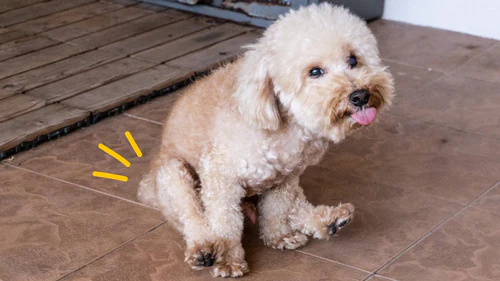
Some dogs are simply more prone to scooting because of their body shape, coat type, or glandular tendencies. This doesn’t mean other breeds are immune.
Small and Stocky Breeds
Chihuahuas, Dachshunds, and Toy Poodles have narrower gland ducts, which makes their anal glands impact more easily than larger breeds.
Flat-Faced and Wide-Bodied Breeds
Bulldogs and similar stocky breeds have extra skin folds around the rear, which trap moisture and irritants more than dogs with leaner builds.
Long-Haired Breeds
Spaniels, Poodles, and Golden Retrievers can trap fecal matter or grooming residue in their fur, leading to scooting after bathroom breaks or grooming.
Table: Breed Tendency Snapshot
| Breed Type | Main Risk Factor |
|---|---|
| Chihuahua, Dachshund, Toy Poodle | Narrow anal gland ducts |
| Bulldog, Pug, other stocky breeds | Skin fold trapping and inflammation |
| Golden Retriever, Spaniel, Poodle | Matted fur, fecal debris |
| Overweight dogs of any breed | Reduced gland pressure during stool passage |
Is Dog Scooting an Emergency?
Scooting on its own is rarely a true emergency. It’s a symptom, not a crisis, and most causes are manageable with basic vet care.
However, some accompanying signs push scooting into urgent territory, including a burst abscess, heavy bleeding, or visible swelling that seems to be growing quickly.
If your dog seems to be in significant pain, is lethargic, or has a fever alongside the scooting, treat that as a same-day vet concern.
When Should You Take Your Dog to the Vet?
A single scoot after a normal bowel movement usually doesn’t need a vet visit. Keep an eye on it and note if it repeats.
Signs That Warrant a Vet Visit
Persistent scooting over several days, a strong fishy odor, visible redness or swelling, blood in the stool, or excessive licking of the rear all point to a problem worth checking.
Signs That Need Same-Day Attention
An open wound, significant swelling near the tail base, signs of pain when sitting, or visible discharge from the vulva should be seen quickly rather than waiting it out.
How to Help Your Dog at Home
While a vet visit is the best long-term fix, a few home steps can offer comfort in the meantime, especially for mild or first-time scooting.
Check the Area Gently
Lift your dog’s tail and look for redness, swelling, discharge, or debris. This alone can tell you a lot about whether it’s fur-related or medical.
Clean With a Warm Compress
A warm, damp cloth held gently against the area for a few minutes can soothe mild irritation from grooming or minor skin issues.
Adjust the Diet Temporarily
Adding a fiber source like plain pumpkin can help firm up stool, which supports natural anal gland emptying during bowel movements.
Keep the Area Trimmed
For long-haired dogs, trimming the fur around the rear reduces the chance of trapped debris and matting between baths.
How to Prevent Future Scooting
Prevention is mostly about consistency: good diet, regular grooming, and routine vet checkups catch most causes before they become painful.
Feed a Balanced, High-Fiber Diet
Consistent, firm stool is one of the best natural tools for keeping anal glands emptying properly without manual help.
Stay on Top of Parasite Prevention
Monthly flea and worm prevention dramatically lowers the risk of tapeworm-related scooting, since fleas are the most common source.
Schedule Regular Anal Gland Checks
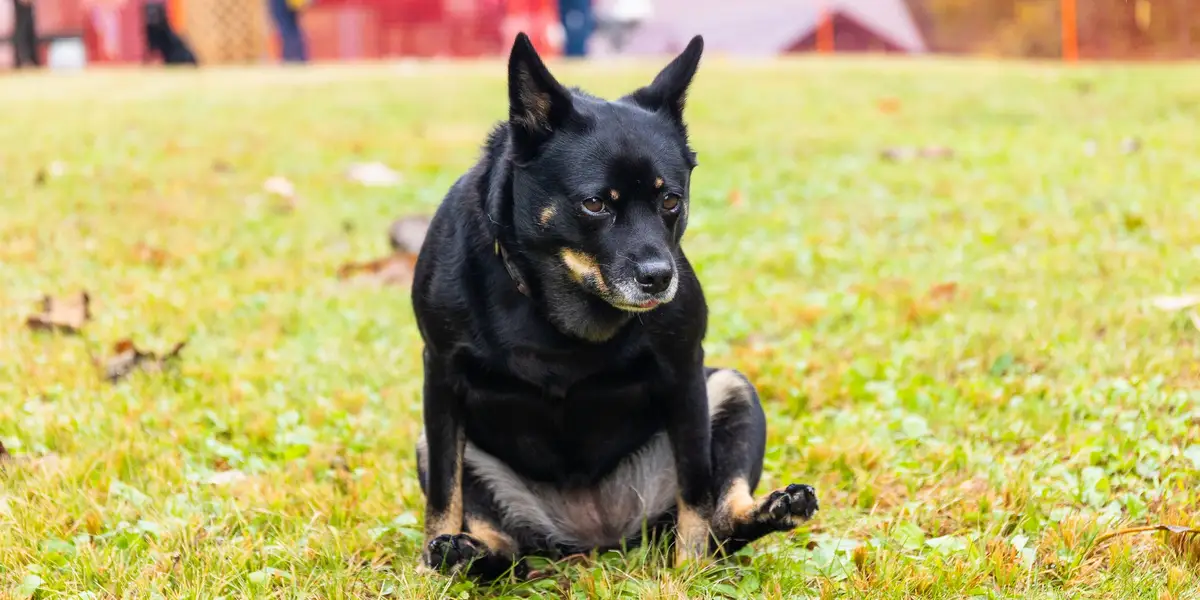
Dogs prone to impaction often benefit from having their glands checked or expressed every few months by a vet or professional groomer.
Watch for Weight Gain
Overweight dogs are more prone to skin fold irritation and reduced gland pressure, so maintaining a healthy weight helps prevent scooting overall.
What the Vet Will Likely Do
A vet visit for scooting is usually quick and low-stress. They’ll typically start with a physical exam of the rear end and glands.
Anal Gland Expression
If glands are full, the vet manually expresses them, which usually brings immediate relief and takes only a few minutes.
Fecal Testing
A stool sample check can confirm or rule out parasites like tapeworms or roundworms as the underlying cause.
Skin or Discharge Swab
If infection is suspected, a quick swab identifies whether bacteria or yeast is involved, guiding the right medication.
Common Myths About Dog Scooting
There’s a lot of misinformation floating around about scooting, and believing the wrong one can delay real treatment. A few myths deserve to be cleared up.
Myth: Scooting Always Means Worms
This is the most repeated myth, but anal gland impaction is actually far more common than parasites as a root cause of scooting.
Myth: Scooting Is Just a Funny Quirk
While it can look comical, vets consistently describe scooting as a discomfort signal rather than a personality trait or harmless habit.
Myth: Only Small Dogs Scoot
Small breeds are more prone due to gland shape, but large and medium dogs scoot too, especially if they’re overweight or have allergies.
Male vs. Female Scooting: What’s Different?
Both male and female dogs scoot for anal gland and parasite reasons at similar rates. The difference shows up in reproductive-related causes.
Female-Specific Triggers
Female dogs can scoot due to vulva irritation, urinary tract infections, or hormonal shifts during heat cycles that don’t apply to males.
What to Watch For in Female Dogs
Discharge, swelling near the vulva, or a change in urination habits alongside scooting should prompt a vet visit sooner rather than later.
Products That Can Help With Scooting
Certain products support prevention and comfort, though they work best alongside a proper diagnosis rather than as a standalone fix.
Fiber Supplements
Pumpkin, psyllium husk, or vet-recommended fiber supplements firm up stool, which helps anal glands empty naturally during bowel movements.
Anal Gland Wipes
Medicated wipes designed for the rear area can soothe minor irritation and are useful for dogs prone to recurring mild flare-ups.
Limited-Ingredient Diets
For dogs with suspected food sensitivities, a limited-ingredient or novel-protein diet can reduce inflammation that contributes to scooting over time.
Table: Quick Comparison of Home Care vs. Vet Care
| Situation | Best Approach |
|---|---|
| One-time scoot, no other symptoms | Monitor at home |
| Mild redness after grooming | Warm compress, home care |
| Repeated scooting for 3+ days | Vet visit recommended |
| Foul odor plus swelling | Vet visit needed soon |
| Blood, discharge, or visible wound | Same-day vet attention |
How Long Does Scooting Usually Last?
The duration depends entirely on the cause. Anal gland expression often resolves scooting within a day, since the pressure is relieved immediately.
Parasite-related scooting typically clears up within a week or two of starting deworming medication, once the parasites are fully eliminated.
Allergy-related scooting can be ongoing or seasonal, sometimes requiring long-term management rather than a one-time fix.
Can Diet Alone Stop Scooting?
Diet plays a real role, especially when loose stool or food sensitivity is the underlying cause, but it isn’t a universal solution.
If the root cause is parasites, infection, or a physical issue like a fissure, diet changes alone won’t resolve the scooting, though they may help stool consistency.
The most reliable approach combines a vet diagnosis with dietary support tailored to whatever is actually causing the irritation.
Scooting in Puppies vs. Senior Dogs
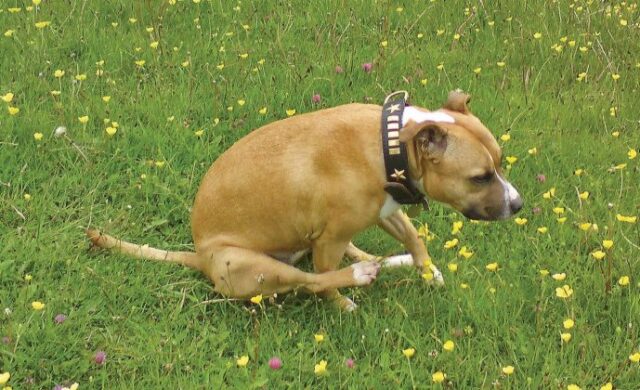
Age changes why a dog scoots, even if the behavior itself looks the same across every life stage.
Puppies
Young dogs are more likely to pick up intestinal parasites from their environment, mother’s milk, or contaminated soil, making worms a top suspect.
Adult Dogs
Adult dogs scoot most often due to anal gland impaction, especially small breeds or dogs eating low-fiber diets.
Senior Dogs
Older dogs can develop weaker muscle tone around the anal glands, making natural expression less effective and impaction more frequent with age.
Tracking Your Dog’s Scooting Pattern
Keeping a simple log helps you and your vet spot patterns faster than relying on memory alone.
What to Record
Note the date, time of day, whether it followed a bowel movement, and any visible signs like odor or redness.
Why Patterns Matter
A pattern tied to meals suggests food sensitivity, while a pattern tied to bowel movements points more toward anal gland pressure.
Frequently Asked Questions (FAQs)
Why is my dog scooting her butt after eating?
This is often linked to loose stool triggered by food sensitivity, which reduces natural pressure on the anal glands. A diet review usually helps.
Why is my female dog scooting and licking excessively?
Excessive licking alongside scooting often points to vulva irritation, a UTI, or an anal gland problem needing a vet exam.
Can stress cause a dog to scoot her butt?
Stress alone rarely causes scooting, but anxious dogs may lick or fixate on irritation more, making an existing issue seem worse.
How often is scooting considered normal?
An occasional scoot once or twice a month is typically normal. Daily or repeated scooting in one sitting is not.
Does scooting always mean worms?
No, worms are just one of several causes. Anal gland issues are actually the more common reason in most dogs.
Can I express my dog’s anal glands at home?
It’s possible but risky without training, since improper technique can cause injury. A vet or groomer is the safer option.
Why does my dog’s scooting smell so bad?
A strong fishy odor usually points to anal gland fluid, which has a naturally pungent smell when released or impacted.
Is scooting more common in puppies or older dogs?
It can happen at any age, but puppies with parasites and senior dogs with weaker gland muscles both scoot more frequently.
Should I change my dog’s food if she keeps scooting?
If diet-related causes are confirmed by a vet, switching to a higher-fiber, limited-ingredient diet often reduces scooting significantly.
Can scooting damage my dog’s skin over time?
Yes, repeated scooting can cause raw patches, hair loss, or secondary infections on the skin around the anus if left unaddressed.
Conclusion
So, why is my dog scooting her butt? In most cases, it comes down to full anal glands, parasites, allergies, or irritation around the rear end, and each cause has a fairly clear fix once identified.
Occasional scooting isn’t usually alarming, but frequent or painful-looking scooting deserves a proper vet check rather than guesswork at home.
Paying attention to timing, odor, and any visible swelling or discharge helps narrow down the cause faster.
With the right diet, grooming routine, and parasite prevention, most dogs scoot far less often. When in doubt, a quick vet visit brings both an answer and real relief for your dog.
