

Why does my dog’s pee smell so bad is a question most pet parents eventually ask after noticing a sudden, strong odor coming from their dog’s urine.
A healthy dog’s pee shouldn’t stink or linger, so a strong or unusual smell is almost always a sign that something has changed.
The cause could be as simple as dehydration or diet, or it could point toward a urinary tract infection, kidney issue, or other medical condition that needs attention.
Quick Answer: Why Your Dog’s Pee Smells So Bad
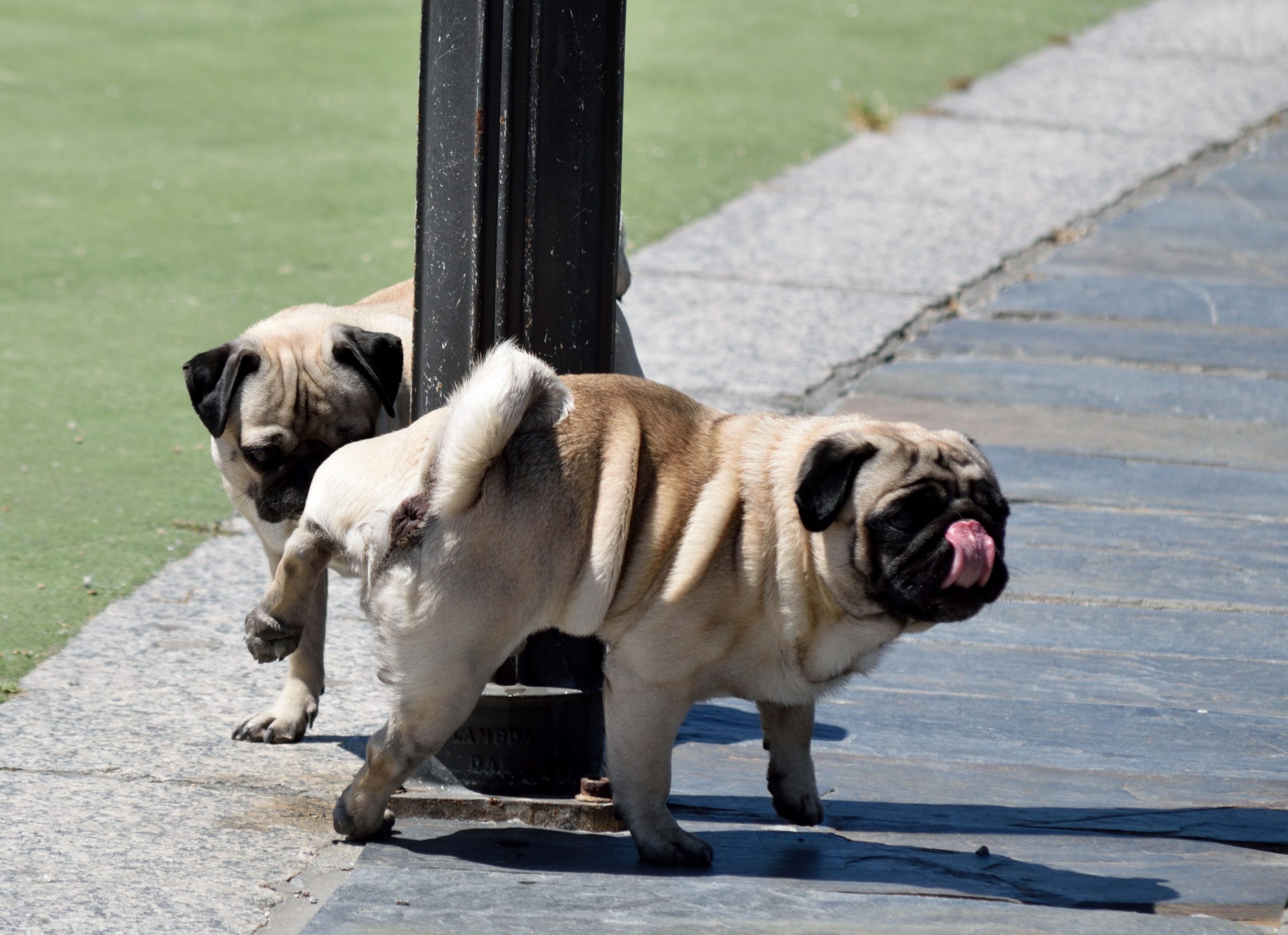
Strong dog urine odor is usually caused by dehydration, diet, or bacteria breaking down urea into ammonia.
Persistent or sudden foul odor often points to a urinary tract infection, kidney disease, diabetes, or another underlying health issue.
What Does Normal Dog Urine Smell Like?
A healthy dog’s urine will not stink or be overly potent, even shortly after they urinate.
You might notice a faint smell immediately after your dog urinates nearby, but it shouldn’t linger in the air.
If the smell is strong, sharp, or noticeably different than usual, there’s typically a specific reason behind it.
Table: Normal vs Abnormal Dog Urine Odor
| Feature | Normal Urine | Abnormal Urine |
|---|---|---|
| Smell strength | Mild, fades quickly | Strong, lingers in the air |
| Color | Pale yellow | Dark yellow, cloudy, or bloody |
| Frequency | Regular, consistent | Sudden increase or decrease |
| Other symptoms | None | Straining, scooting, excessive thirst |
Why Dog Urine Smells Like Ammonia
Dog urine naturally contains urea, which breaks down into ammonia over time, creating that sharp, chemical-like smell.
The more concentrated the urine, the stronger this ammonia smell becomes, especially once it dries on surfaces.
This is a normal chemical process, but it becomes more noticeable when urine is highly concentrated or left uncleaned for a while.
Dehydration and Concentrated Urine
When a dog doesn’t drink enough water, their urine becomes more concentrated, intensifying the smell significantly.
Concentrated urine contains higher levels of waste products like urea, which makes the ammonia odor much stronger than usual.
Ensuring your dog always has access to fresh water is one of the simplest ways to reduce urine odor caused by dehydration.
How Diet Affects Dog Urine Odor
Diet plays a major role in how strong a dog’s urine smells, with high-protein foods often making the odor worse.
Protein breaks down into urea during digestion, and excess protein can lead to more concentrated, stronger-smelling urine.
Some strong-smelling foods, like certain treats or table scraps, can also temporarily affect how a dog’s urine smells.
Table: Common Non-Medical Causes of Smelly Dog Urine
| Cause | Why It Happens | How to Fix It |
|---|---|---|
| Dehydration | Concentrated urine, more waste products | Increase water intake |
| High-protein diet | More urea produced during digestion | Adjust diet, consult vet if needed |
| Overeating or new foods | Temporary digestive changes | Usually resolves within a day or two |
| Uncleaned accidents | Bacteria breaking down urea | Clean promptly with enzyme cleaner |
Urinary Tract Infections: The Most Common Medical Cause
The most common medical reason for smelly dog urine is a urinary tract infection, or UTI.
UTIs occur when bacteria travel up the urethra into the bladder, multiply, and cause inflammation and infection.
Urine affected by a UTI is often cloudy and sometimes bloody, both of which contribute to a stronger, more unpleasant odor.
Signs Your Dog May Have a UTI
Straining to urinate, frequent urination in small amounts, and accidents indoors are all common signs of a possible UTI.
Licking around the genital area more than usual can also indicate discomfort caused by a urinary tract infection.
If you notice these signs alongside strong-smelling urine, a veterinary visit and urine test are strongly recommended.
Table: Common UTI Symptoms in Dogs
| Symptom | What It May Indicate |
|---|---|
| Straining to urinate | Inflammation or infection in the urinary tract |
| Frequent small urinations | Bladder irritation from bacteria |
| Blood in urine | Active infection or possible bladder stones |
| Excessive licking of genitals | Discomfort from infection |
| Accidents indoors | Urgency caused by UTI |
Bladder Stones and Urine Odor
Some dogs develop bladder stones before or during a urinary tract infection, which can add to urine odor and discomfort.
Bladder stones can cause straining, blood in the urine, and repeated infections if left untreated.
Diagnosis usually involves imaging like X-rays or ultrasound, and treatment may range from diet changes to surgical removal.
Kidney Disease and Changes in Urine Smell
Kidney disease affects how well the body filters waste, which can lead to noticeably different or stronger-smelling urine.
Dogs with kidney issues may also drink more water and urinate more frequently as their kidneys struggle to concentrate urine properly.
Blood and urine testing at the vet can confirm kidney function and guide an appropriate treatment plan.
Diabetes and Sweet-Smelling Urine
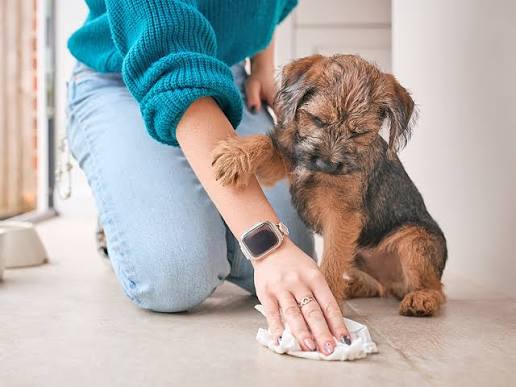
Diabetes can cause a dog’s urine to develop an unusual, sometimes sweet smell due to excess sugar being excreted.
Increased thirst and urination are also classic signs of diabetes that often accompany changes in urine odor.
A simple blood and urine test at the vet can confirm whether diabetes is contributing to the smell.
Table: Medical Conditions Linked to Smelly Dog Urine
| Condition | Typical Odor Change | Other Common Signs |
|---|---|---|
| Urinary tract infection | Strong, foul, ammonia-like | Straining, frequent urination, blood in urine |
| Bladder stones | Foul, sometimes bloody | Straining, discomfort, repeated infections |
| Kidney disease | Stronger or altered smell | Increased thirst, weight loss |
| Diabetes | Sweet or unusual smell | Increased thirst and urination |
| Liver disease | Musty or unusual odor | Appetite loss, jaundice, lethargy |
Medications That Can Change Urine Smell
Certain medications, including non-steroidal anti-inflammatory drugs (NSAIDs), can make a dog’s urine smell more pungent.
If odor changes shortly after starting a new medication, it’s worth mentioning to your vet during a follow-up visit.
In most cases, this type of odor change is harmless, but it’s still worth confirming with a professional.
Anal Gland Odor Mistaken for Urine Smell
Anal glands produce a strong, fishy scent that owners sometimes mistake for foul-smelling urine.
Dogs scooting their bottoms across the floor or licking their rear frequently often need their anal glands expressed.
A veterinary technician can safely express anal glands, which usually resolves the odor if this was the actual cause.
Table: Anal Gland Odor vs Urinary Odor
| Feature | Anal Gland Odor | Urinary Odor |
|---|---|---|
| Smell type | Fishy, metallic | Ammonia-like, sharp |
| Related behavior | Scooting, licking rear | Straining, frequent urination |
| Source | Anal gland secretions | Urine itself |
| Fix | Gland expression by a vet tech | Hydration, diet, or medical treatment |
Why Uncleaned Urine Smells Worse Over Time
Dog urine contains urea, uric acid crystals, ammonia, and bacteria that penetrate deep into carpets, wood, and fabric.
As urine dries, uric acid crystals form and become embedded, making the smell extremely difficult to fully remove.
Regular household cleaners often can’t break down these crystals, which is why the odor can seem to keep coming back.
Why the Smell Keeps Coming Back After Cleaning
Uric acid crystals can reactivate and release odor again when exposed to humidity or moisture, even after cleaning.
If any trace of urine scent remains, dogs are also likely to return to the same spot and urinate there again.
Breaking this cycle requires a cleaning method that fully breaks down the crystals rather than just masking the smell temporarily.
Enzyme Cleaners: The Most Effective Solution
Enzyme-based cleaners are considered the most effective option for eliminating urine odor at the source rather than just masking it.
These cleaners use natural enzymes to break down uric acid crystals, bacteria, and other odor-causing compounds in urine.
Regular household cleaners like bleach, vinegar, or soap typically cannot fully eliminate the uric acid crystals responsible for lingering odor.
Table: Cleaning Methods Compared
| Cleaning Method | Effective on Uric Acid Crystals | Notes |
|---|---|---|
| Enzyme-based cleaner | Yes | Best long-term solution |
| Vinegar or baking soda | Partially | May reduce smell temporarily |
| Bleach | No | Can be harmful, doesn’t break down crystals |
| Steam cleaning alone | Partially | Helps but may not fully eliminate odor |
Step-by-Step: Cleaning Dog Urine Properly
Blot fresh urine immediately with paper towels or a clean cloth to absorb as much liquid as possible.
Apply an enzyme-based cleaner generously to the area, following the product’s instructions for soak time.
Allow the cleaner to sit, ideally overnight, before blotting dry, since enzymes need time to fully break down the crystals.
Preventing Repeat Accidents in the Same Spot
Thoroughly washing any towels or rags used during cleanup prevents lingering urine scent from attracting your dog back to that area.
If paper towels are used, sealing them in a bag before disposal helps avoid your dog detecting the smell again.
Consistently cleaning accidents fully, rather than partially, is key to breaking the cycle of repeat indoor accidents.
Health Risks of Ammonia Buildup Indoors
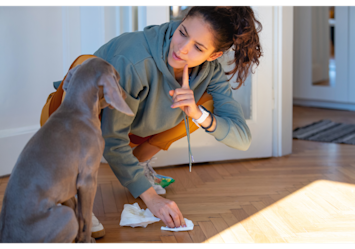
Ammonia from concentrated or uncleaned dog urine can act as a lung irritant in enclosed indoor spaces.
This can be especially uncomfortable for household members with asthma, allergies, or other respiratory sensitivities.
Prompt cleanup of accidents helps protect both your dog’s environment and your family’s indoor air quality.
When to See a Vet About Smelly Urine
A vet visit is recommended if the odor is sudden, strong, and doesn’t improve after a day or two of increased hydration.
Additional symptoms like straining, blood in urine, increased thirst, or lethargy alongside the odor warrant prompt evaluation.
A simple urine test can quickly rule in or out infection, crystals, or other underlying medical causes.
Table: When to Monitor at Home vs See a Vet
| Situation | Recommended Action |
|---|---|
| Mild odor after a treat-heavy day | Monitor for a day or two |
| Odor persists despite good hydration | Schedule a vet visit |
| Straining, blood, or frequent accidents | See a vet promptly |
| Increased thirst and urination | Schedule bloodwork and urine testing |
| Sudden, very strong odor with lethargy | Seek veterinary care quickly |
How Vets Diagnose the Cause of Smelly Urine
Vets typically start with a urine sample to check for bacteria, blood, crystals, and overall concentration levels.
Bloodwork may be ordered to assess kidney function, blood sugar levels, and overall organ health.
Imaging like X-rays or ultrasound may be used if bladder stones or structural issues are suspected.
Treatment Options Based on the Cause
Bacterial infections like UTIs are typically treated with a course of oral antibiotics prescribed by a veterinarian, usually lasting between one and two weeks depending on severity.
Diet changes or prescription urinary food may be recommended for dogs with recurring bladder stones or crystals, since certain formulas are specifically designed to reduce crystal formation.
More complex conditions like kidney disease or diabetes require ongoing management plans tailored to the individual dog, often involving regular monitoring and periodic bloodwork.
Preventing Smelly Urine Long-Term
Ensuring consistent access to fresh water throughout the day helps keep urine properly diluted and less concentrated.
Feeding a balanced, appropriate-protein diet suited to your dog’s size and activity level supports healthy urine composition.
Scheduling regular vet checkups, including urine testing for older dogs, helps catch underlying issues before they become serious.
Table: Long-Term Prevention Checklist
| Prevention Step | Why It Helps |
|---|---|
| Fresh water available at all times | Keeps urine diluted, reduces concentration |
| Balanced, appropriate-protein diet | Reduces excess urea production |
| Prompt cleanup of accidents | Prevents odor buildup and repeat marking |
| Regular vet checkups | Catches UTIs, kidney issues, and diabetes early |
| Routine anal gland checks | Prevents odor confusion and discomfort |
Age-Related Changes in Dog Urine Odor
Older dogs often have stronger-smelling urine due to natural changes in kidney function and hydration habits over time.
Senior dogs are also more prone to conditions like kidney disease and diabetes, which can further affect urine smell.
Regular senior wellness exams help track these changes and catch age-related conditions early.
How Neutered and Unneutered Dogs Differ in Urine Odor
Unneutered male dogs often have more pungent urine due to hormone-related compounds used for territorial marking.
Neutering can reduce this marking-related odor over time, though it doesn’t eliminate normal urine smell entirely.
Female dogs in heat may also experience temporary changes in urine odor due to hormonal fluctuations.
Puppies vs Adult Dogs: Different Odor Patterns
Puppies generally have milder-smelling urine than adult dogs, partly due to differences in diet and developing kidney function.
A sudden strong odor in a young puppy is less common and, when combined with other symptoms, should be checked by a vet.
As dogs mature, urine odor can shift due to diet, hydration habits, and normal developmental changes.
The Role of Supplements and Treats in Urine Smell
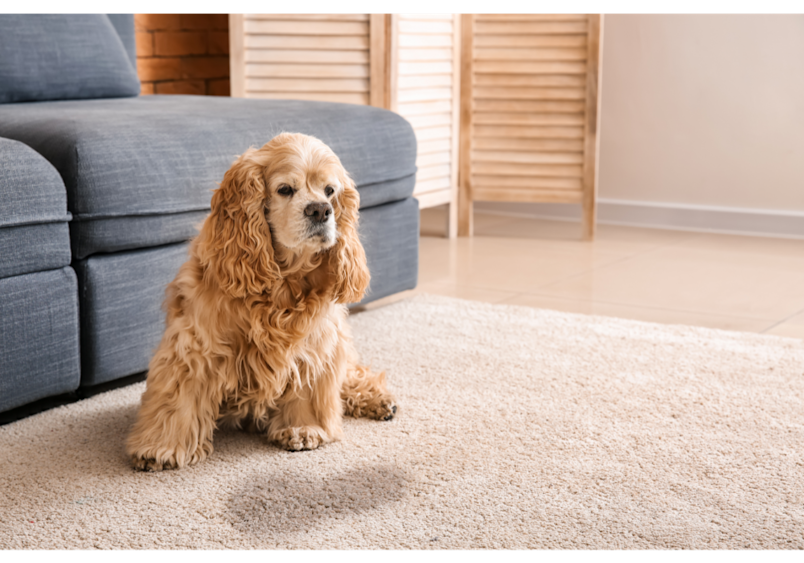
Certain supplements, like glucosamine or fish oil, can occasionally contribute to changes in how strong a dog’s urine smells.
Treats high in sodium or artificial ingredients may also temporarily affect hydration levels and, in turn, urine concentration.
If odor changes coincide with a new supplement or treat, monitoring for a few days often clarifies whether it’s the cause.
Seasonal and Weather-Related Changes in Urine Odor
Hot weather can increase water loss through panting, leading to more concentrated urine and a stronger smell.
Dogs may also drink less water in colder months, which can similarly concentrate urine and intensify odor.
Adjusting water availability and encouraging regular drinking helps offset these seasonal hydration shifts.
Indoor vs Outdoor Urination and Odor Perception
Indoor accidents tend to feel far more noticeable simply because the odor is contained within a smaller space.
Outdoor urination on grass or soil disperses more naturally, which is partly why owners often only notice smell changes indoors.
This doesn’t mean outdoor urine is always less concentrated, just that indoor spaces make odor changes easier to detect.
Common Mistakes Owners Make With Smelly Urine
Assuming strong odor will simply go away on its own is one of the most common mistakes owners make.
Using masking sprays instead of enzyme cleaners often hides the smell temporarily without solving the underlying odor source.
Delaying a vet visit when other symptoms like straining or blood are present can allow a treatable issue to worsen.
Building a Simple Hydration Routine for Your Dog
Placing multiple water bowls around the house encourages more frequent drinking throughout the day.
Adding a splash of low-sodium broth to water can encourage picky drinkers to stay better hydrated.
Wet food or moisture-rich treats can also contribute to overall hydration alongside regular water intake, especially for dogs that are naturally reluctant to drink enough water on their own throughout the day.
Fun Facts and Helpful Notes About Dog Urine Odor
Dog urine is mostly water, but the remaining waste compounds are what create its distinct, sometimes strong smell.
Even human urine contains ammonia, though the concentration and scent strength can differ noticeably between species.
Interestingly, a dog’s sense of smell is far more sensitive than a human’s, which is part of why urine marking plays such a strong role in their social and territorial behavior.
Frequently Asked Questions (FAQs)
1. Why does my dog’s pee smell so bad all of a sudden?
Sudden strong odor is often caused by dehydration, diet changes, or a urinary tract infection that needs veterinary attention.
2. Is it normal for dog urine to smell like ammonia?
Yes, mild ammonia smell is normal since urea breaks down into ammonia, but a very strong smell can signal concentration or infection.
3. Can diet really change how a dog’s urine smells?
Yes, high-protein diets and certain treats can temporarily make urine smell stronger due to increased urea production.
4. What does UTI urine smell like in dogs?
UTI-related urine often smells stronger and foul, and may appear cloudy or bloody alongside the odor.
5. Why does the urine smell keep coming back after cleaning?
Uric acid crystals embed into surfaces and can reactivate with moisture, which is why regular cleaners often fail.
6. What’s the best cleaner for dog urine odor?
Enzyme-based cleaners are the most effective, since they break down uric acid crystals rather than just masking the smell.
7. Can dehydration cause smelly dog urine?
Yes, dehydration concentrates urine, making waste products and odor significantly stronger than normal.
8. Could the smell be from anal glands instead of urine?
Yes, anal gland secretions have a fishy odor that’s often mistaken for foul-smelling urine.
9. When should I take my dog to the vet for smelly urine?
See a vet if the odor persists, or if you notice straining, blood, increased thirst, or lethargy.
10. Can diabetes cause a dog’s urine to smell different?
Yes, diabetes can cause a sweet or unusual urine smell due to excess sugar being excreted.
Conclusion
So, why does your dog’s pee smell so bad? In many cases, the cause is simple, like dehydration, a high-protein diet, or urine that hasn’t been cleaned up promptly.
But persistent or sudden strong odor can also signal a urinary tract infection, bladder stones, kidney disease, or diabetes, all of which need proper veterinary diagnosis and treatment.
Paying attention to accompanying symptoms like straining, blood in urine, or increased thirst helps you know when it’s time to call the vet rather than wait it out.
For lingering household odor, enzyme-based cleaners remain the most effective way to break down the uric acid crystals that regular cleaners simply can’t touch.
With consistent hydration, a balanced diet, and routine vet checkups, most causes of smelly dog urine are manageable or fully preventable in 2026.
