

Why do my toes go numb is a question most people ask after sitting cross-legged for too long or slipping on tight shoes.
That prickly, “asleep” feeling in your toes is medically called paresthesia, and in most cases it passes within a few minutes once you move around.
But when numbness in the toes keeps coming back, spreads, or lingers for hours, it can point to a circulation problem, a pinched nerve, or a condition like diabetes.
What Does Toe Numbness Actually Feel Like
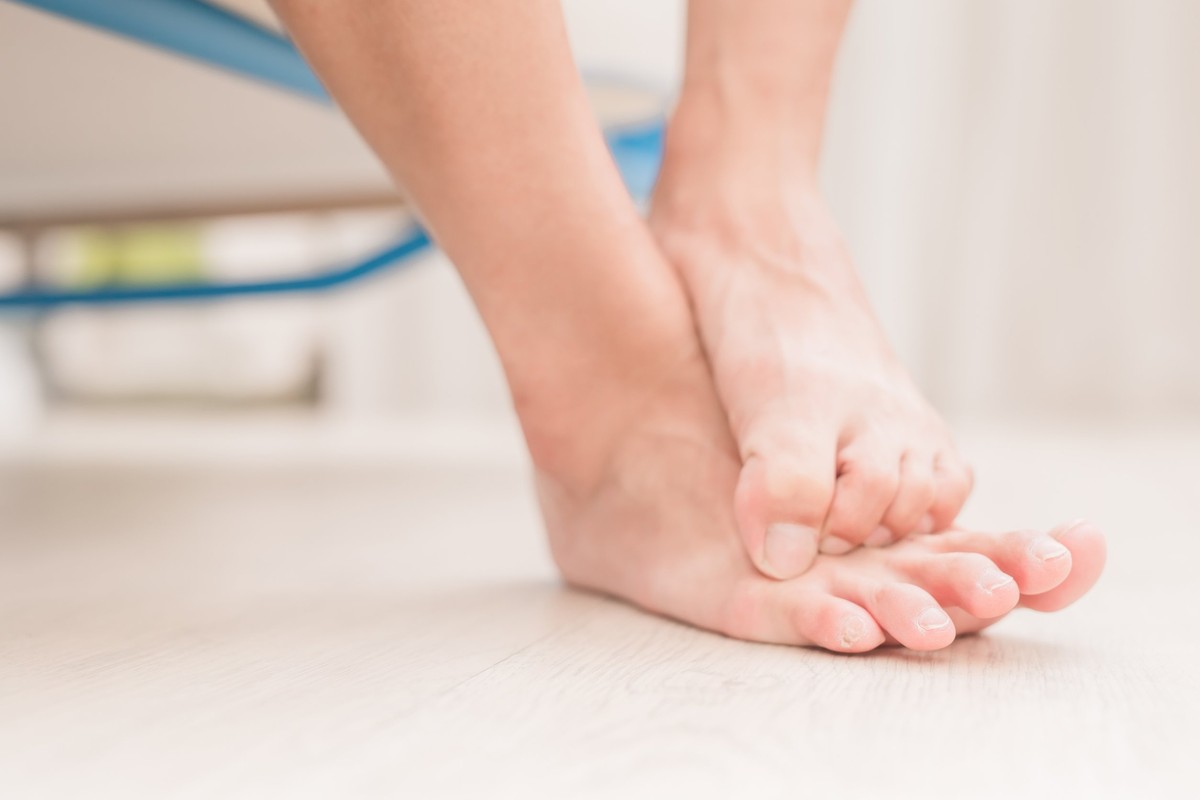
Numbness in the toes doesn’t always feel the same for every person. Some describe it as complete loss of feeling, while others notice tingling, burning, or a “pins and needles” sensation.
The feeling happens because sensory nerves in your feet are being pressed, irritated, or damaged in some way. When that communication line is interrupted, your brain stops receiving accurate signals from your toes.
Common descriptions include:
- A prickling or “static” feeling, like your toes are asleep
- A burning or tingling sensation that comes and goes
- Complete loss of touch or temperature sensation
- A cold, heavy feeling in one or both feet
Short-term numbness that clears up once you move your foot is rarely a concern. Numbness that lasts for hours, keeps returning, or is paired with other symptoms deserves closer attention.
Common Everyday Causes of Numb Toes
Most cases of toe numbness are not linked to a serious medical condition. They’re tied to posture, footwear, or temperature, and they resolve once the underlying pressure is removed.
Sitting or Standing in the Same Position Too Long
Staying cross-legged, kneeling, or standing still for extended periods compresses the nerves and blood vessels running to your feet. Once you shift position and blood flow returns, the numbness typically fades within a few minutes.
Tight or Ill-Fitting Shoes
Shoes that are too narrow, too short, or have a tight toe box put constant pressure on the nerves and vessels in your forefoot. This is one of the most common and most fixable causes of toe numbness.
Walking with your toes curled upward instead of relaxed can also increase pressure on the front of the foot and worsen numbness over a walk or run.
Cold Exposure
Going barefoot on a cold floor or spending time outside in low temperatures narrows blood vessels in the feet to conserve core body heat. This temporary numbness usually resolves once your feet warm back up.
Minor Toe Injuries
A stubbed toe, a broken toe, or a tight cast or bandage can all interfere with normal nerve signaling or blood flow. Numbness following any foot injury is worth mentioning to a doctor, especially if swelling or bruising is present.
Circulation Problems That Cause Toe Numbness
Because toes sit at the very end of the body’s blood vessel network, they are especially vulnerable to any condition that slows or restricts blood flow.
Peripheral Artery Disease (PAD)
PAD develops when fatty deposits build up inside the arteries that carry blood to your limbs. As those arteries narrow, less oxygen-rich blood reaches your feet, which can cause numbness, cramping, and cold toes, especially during walking.
Peripheral Vascular Disease (PVD)
PVD refers more broadly to poor blood flow in vessels outside the heart and brain. Smoking, high blood pressure, and high cholesterol are all major risk factors that increase the likelihood of PVD-related numbness.
Raynaud’s Disease
Raynaud’s causes blood vessels in the fingers and toes to spasm and narrow in response to cold or stress, temporarily cutting off circulation. Affected toes may turn white or blue before numbness sets in, followed by throbbing as blood flow returns.
Varicose Veins
Enlarged, twisted veins in the legs can put pressure on nearby nerves and interfere with normal circulation over time. People with significant varicose veins sometimes notice numbness or heaviness in the feet by the end of the day.
| Circulatory Cause | Typical Trigger | Key Warning Sign |
|---|---|---|
| Peripheral Artery Disease | Walking or exercise | Cramping, cold feet, weak pulse |
| Raynaud’s Disease | Cold temperatures, stress | Toes turning white or blue |
| Varicose Veins | Prolonged standing | Heaviness, visible swollen veins |
| Peripheral Vascular Disease | Smoking, high cholesterol | Slow-healing sores on feet |
Nerve Damage and Neurological Causes
Nerve-related numbness tends to be more persistent than circulation-related numbness and often comes with tingling or burning that spreads upward from the toes.
Peripheral Neuropathy
Peripheral neuropathy describes damage to the nerves outside the brain and spinal cord, and it’s one of the leading medical explanations for chronic toe numbness. Diabetes is the single most common cause, but neuropathy can also stem from alcohol misuse, certain infections, and some medications.
Diabetic Neuropathy
Consistently high blood sugar levels gradually damage small nerve fibers, starting in the feet and toes before progressing further up the leg. This is why podiatrists recommend that people with diabetes check their feet daily for cuts, sores, or changes in sensation.
Tarsal Tunnel Syndrome

Similar to carpal tunnel syndrome in the wrist, tarsal tunnel syndrome occurs when the tibial nerve is compressed as it passes through a narrow space near the ankle. This compression can send numbness, tingling, or burning into the sole of the foot and toes.
Morton’s Neuroma
A Morton’s neuroma is a thickened, irritated section of tissue around a nerve, usually located between the third and fourth toes. It often produces a burning sensation along with numbness and the feeling of standing on a pebble.
Sciatica and Herniated Discs
When a disc in the lower spine bulges or herniates, it can press on the sciatic nerve and send numbness, tingling, or pain all the way down to the toes. This type of numbness is often accompanied by lower back pain or weakness in the leg.
Multiple Sclerosis (MS)
MS damages the protective coating around nerve fibers in the brain and spinal cord, which can disrupt signals traveling to the feet. Numbness from MS often appears alongside other symptoms like vision changes, fatigue, or muscle weakness.
Guillain-Barré Syndrome
This rare autoimmune condition causes the immune system to attack peripheral nerves, often starting with tingling or numbness in the feet that spreads upward. Because symptoms can progress quickly, Guillain-Barré syndrome requires prompt medical evaluation.
Charcot-Marie-Tooth Disease
This is an inherited condition that gradually damages the peripheral nerves, leading to numbness, muscle weakness, and foot deformities over time. It typically runs in families and is diagnosed through genetic testing and nerve studies.
Nutritional and Toxic Causes
Nerves rely on specific vitamins and a toxin-free environment to function properly, so deficiencies or exposures can show up first as toe numbness.
Vitamin B12 Deficiency
Vitamin B12 is essential for maintaining the protective coating around nerve fibers, and low levels can lead to numbness, tingling, and balance problems. People following a vegan diet or those with absorption issues are at higher risk of deficiency.
Chronic Alcohol Use
Long-term heavy alcohol use can damage peripheral nerves both directly and by depleting key vitamins like B1, B6, and B12. This condition, sometimes called alcoholic neuropathy, often starts with numbness in the feet and toes.
Toxin Exposure
Exposure to heavy metals such as lead, mercury, and arsenic can injure peripheral nerves over time and cause numbness in the extremities. Certain medications, including some chemotherapy drugs, carry a similar risk of nerve-related side effects.
When Toe Numbness Signals an Emergency
Most toe numbness is not an emergency, but a few warning signs mean you should seek immediate medical attention rather than waiting it out.
Call for emergency care if numbness in your toes appears suddenly and is paired with any of the following:
- Facial drooping or difficulty speaking
- Sudden, severe headache
- Weakness or numbness spreading to one side of the body
- Widespread numbness affecting more than just the feet
These combinations can indicate a stroke, and getting treatment quickly makes a meaningful difference in recovery.
How Doctors Diagnose the Cause of Numb Toes
Because so many conditions can cause toe numbness, a doctor will usually start with a detailed history before ordering any tests.
Physical Examination and History
Your doctor will ask when the numbness started, how often it happens, and whether it’s linked to activity, temperature, or specific footwear. They’ll also review your medical history for diabetes, autoimmune conditions, or recent injuries.
Blood Tests
Bloodwork can check blood sugar levels, vitamin B12 status, thyroid function, and markers of inflammation that might point toward an underlying condition. These results often narrow down the list of likely causes quickly.
Nerve Conduction Studies
This test measures how fast electrical signals travel through your nerves and can identify where along the nerve pathway a problem exists. It’s especially useful for confirming conditions like tarsal tunnel syndrome or peripheral neuropathy.
Imaging Tests
X-rays, ultrasounds, or MRIs may be used to look for structural issues such as a herniated disc, bunion, neuroma, or vascular blockage. Imaging helps confirm a diagnosis when the physical exam and nerve tests point toward a mechanical cause.
Treatment Options Based on the Underlying Cause
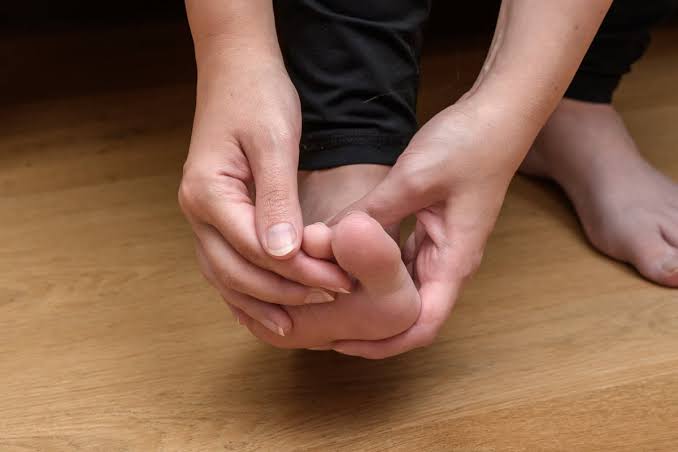
Treatment for numb toes depends entirely on what’s causing the sensation, so an accurate diagnosis matters more than any single home remedy.
| Cause | Common Treatment Approach |
|---|---|
| Tight shoes or poor footwear | Switch to properly fitted, wider footwear |
| Peripheral or diabetic neuropathy | Blood sugar control, nerve pain medication |
| Tarsal tunnel syndrome | Orthotics, physical therapy, or surgery |
| Morton’s neuroma | Padding, injections, or minor surgery |
| Vitamin B12 deficiency | Dietary changes or B12 supplementation |
| Peripheral artery disease | Lifestyle changes, medication, or procedures |
| Herniated disc or sciatica | Physical therapy, medication, or surgery |
Footwear and Lifestyle Adjustments
Switching to shoes with a wider toe box, avoiding high heels, and taking breaks during long periods of sitting or standing can resolve mild, situational numbness. Regular movement throughout the day helps keep circulation steady in the feet.
Managing Underlying Health Conditions
For numbness tied to diabetes, PAD, or thyroid issues, treating the root condition is the most effective way to reduce or prevent further nerve damage. This usually involves a combination of medication, monitoring, and lifestyle changes guided by your doctor.
Physical Therapy and Nerve Decompression
When numbness comes from nerve compression, such as tarsal tunnel syndrome or a herniated disc, physical therapy can relieve pressure and improve mobility. In more severe or persistent cases, a doctor may recommend a minimally invasive procedure to decompress the affected nerve.
Nutritional Support
If bloodwork shows a vitamin B12 or other nutrient deficiency, supplementation or dietary changes can gradually improve nerve function and reduce numbness. Recovery time varies depending on how long the deficiency was present before treatment started.
Home Remedies and Prevention Tips
While home remedies won’t cure an underlying medical condition, they can reduce how often mild numbness occurs and support overall foot health.
- Choose shoes with a roomy toe box and proper arch support
- Take short walking breaks every 30 to 60 minutes during long periods of sitting
- Keep feet warm and dry in cold weather with insulated socks
- Stretch your feet, ankles, and calves regularly to support circulation
- Limit alcohol intake and eat a diet rich in B vitamins
- Manage blood sugar levels consistently if you have diabetes
- Avoid crossing your legs for extended periods
Toe Numbness in Specific Situations
Certain life stages and activities carry their own patterns of toe numbness, and recognizing the context can help you figure out whether it’s routine or worth a closer look.
Toe Numbness During Pregnancy
Pregnancy increases fluid retention and puts extra pressure on nerves and blood vessels in the legs and feet, especially in the third trimester. Swelling can compress the nerves running to the toes, producing numbness that often improves with elevation and rest.
Compression socks and avoiding long periods of standing can help reduce swelling-related numbness during pregnancy. If numbness is sudden, severe, or paired with a headache or vision changes, it should be reported to a doctor right away.
Toe Numbness in Runners and Athletes
Repetitive impact, tight lacing, and shoes that don’t accommodate foot swelling during exercise are common reasons athletes experience numb toes. Swelling naturally increases during a long run, so shoes that fit well at rest can feel too tight after several miles.
Loosening the laces across the top of the foot, sizing running shoes slightly larger, and choosing socks that don’t bunch can all reduce pressure-related numbness. Numbness that continues well after a workout ends is worth mentioning to a sports medicine provider.
Toe Numbness in Older Adults
Aging naturally slows circulation and increases the likelihood of conditions like diabetes, PAD, and spinal degeneration, all of which can contribute to toe numbness. Older adults are also more likely to have reduced sensation overall, which raises the risk of unnoticed injuries or sores on the feet.
Routine foot checks become especially important with age, since numbness can mask cuts, blisters, or pressure sores before they become serious. A podiatrist can help older adults catch these issues early through regular exams.
Toe Numbness After Surgery
Numbness following foot, ankle, or back surgery is fairly common and usually stems from nerve irritation during the procedure or swelling in the healing tissue. In most cases, sensation gradually returns over the following weeks as inflammation subsides.
If numbness after surgery is severe, spreading, or doesn’t improve within the expected recovery window, it’s worth contacting your surgeon. They can determine whether it’s a normal part of healing or a sign of nerve involvement that needs attention.
Living With Chronic Toe Numbness
When toe numbness becomes a long-term reality due to a condition like neuropathy, day-to-day management focuses on protecting your feet and preventing complications rather than restoring full sensation overnight.
Daily foot inspections are one of the most important habits for anyone with chronic numbness, since reduced sensation makes it easy to miss small cuts or blisters. Using a mirror to check the soles of your feet each evening can catch problems before they worsen.
Properly fitted shoes and moisture-wicking socks reduce friction and pressure points that could otherwise go unnoticed. Keeping toenails trimmed carefully, ideally with the help of a podiatrist if sensation is significantly reduced, also lowers the risk of injury.
Staying active within your comfort level supports circulation, even when full sensation hasn’t returned. Low-impact activities like swimming or cycling are often easier on numb feet than high-impact options like running.
Frequently Asked Questions (FAQs)
Why do my toes go numb when I walk?
Walking numbness is often linked to tight shoes compressing nerves in the forefoot. It can also point to reduced circulation from conditions like PAD.
Why do my toes go numb at night?
Nighttime numbness is commonly caused by lying in a position that compresses nerves in the legs or feet. It can also signal early peripheral neuropathy in some people.
Can anxiety cause numbness in the toes?
Yes, anxiety can trigger temporary numbness through hyperventilation and reduced blood flow to the extremities. This type of numbness usually eases once anxiety symptoms settle.
Is toe numbness a sign of diabetes?
Persistent toe numbness can be an early sign of diabetic peripheral neuropathy in people with undiagnosed or poorly controlled diabetes. A simple blood sugar test can help rule this in or out.
Why are only some of my toes numb?
Numbness limited to one or two toes often points to a localized issue like a Morton’s neuroma or nerve compression from footwear. Widespread numbness across all toes is more commonly linked to systemic causes like neuropathy.
Can dehydration cause numb toes?
Severe dehydration can reduce blood volume and circulation, occasionally contributing to numbness or tingling in the extremities. Staying well hydrated supports normal nerve and blood vessel function.
How long does toe numbness usually last?
Numbness from sitting or cold exposure typically resolves within minutes once the pressure or temperature issue is corrected. Numbness lasting several hours or recurring daily should be evaluated by a doctor.
Should I be worried if only my big toe is numb?
Numbness isolated to the big toe can be linked to nerve compression in the foot or lower back, such as sciatica. If it’s persistent or paired with weakness, it’s worth a medical evaluation.
Can running cause toe numbness?
Running can cause toe numbness through tight shoelaces, repetitive impact, or shoes that don’t fit properly during swelling. Loosening laces and choosing running shoes with a wider toe box often resolves this.
When should I see a doctor about numb toes?
See a doctor if numbness is constant, worsening, spreading, or accompanied by pain, weakness, or changes in skin color. Sudden numbness with other neurological symptoms needs emergency care right away.
Conclusion
Toe numbness ranges from a harmless, short-lived nuisance to an early warning sign of a deeper health issue. Most everyday cases trace back to tight shoes, cold exposure, or sitting in one position for too long, and these usually resolve with simple adjustments.
Persistent or recurring numbness is different, and it often points toward circulation problems, nerve compression, diabetes, or a vitamin deficiency that needs proper diagnosis.
Paying attention to how often the numbness happens, what triggers it, and whether other symptoms accompany it can help you and your doctor pinpoint the cause faster.
If your toes are numb more often than they aren’t, don’t wait it out. A timely visit to a podiatrist or physician can catch treatable conditions early and protect your long-term foot health and mobility.
