

Why is my dog drooling all of a sudden is one of the most common questions pet parents type into Google late at night.
A dog who never drooled much suddenly soaking the couch can feel alarming, even scary.
The good news is that sudden drooling does not always mean an emergency.
Sometimes it is excitement, hunger, or a warm afternoon.
Other times, it points to dental pain, nausea, anxiety, or even poisoning that needs quick veterinary attention.
Is Drooling Normal for Dogs?
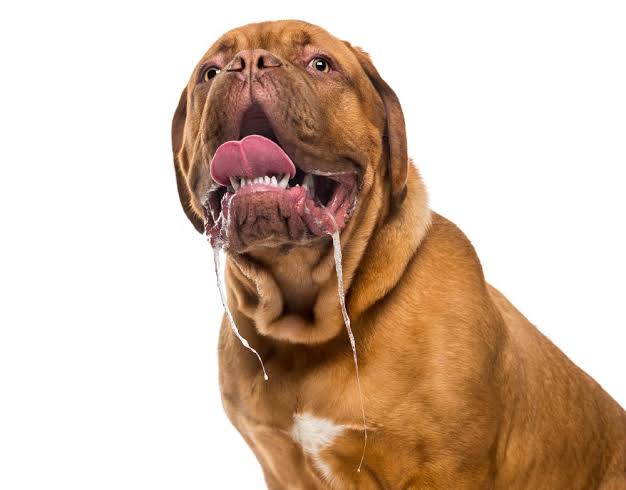
Most dogs drool a little throughout the day, especially around food, treats, or an exciting game of fetch. This kind of drooling is brief and stops once the trigger disappears.
Vets sometimes call heavy salivation hypersalivation, or ptyalism, but the medical term matters less than the pattern you see at home.
Breeds with loose jowls, such as Saint Bernards, Mastiffs, Bloodhounds, and Newfoundlands, naturally drool more than dogs with tighter lips. This is simply part of their anatomy.
Problems start when a dog who rarely drools suddenly starts leaving puddles, or when the drooling lasts for hours without an obvious cause.
| Normal Drooling | Abnormal Drooling |
|---|---|
| Happens around food, treats, or play | Happens with no obvious trigger |
| Stops within a few minutes | Continues for an hour or longer |
| No other symptoms present | Paired with vomiting, shaking, or weakness |
| Common in jowly breeds | Sudden change in a dog that rarely drools |
| Goes away once the dog calms down | Gets worse over a short period of time |
Why Is My Dog Drooling All of a Sudden? Main Causes
Sudden drooling almost always has a trigger, even when it is not obvious right away. Below are the causes veterinarians see most often in everyday practice.
Dental Disease and Oral Pain
Broken teeth, gum infections, and dental abscesses are among the top reasons adult dogs suddenly start drooling heavily.
Pain in the mouth makes normal swallowing difficult, so saliva pools and spills out instead of going down.
You may also notice bad breath, bleeding gums, or your dog chewing only on one side of their mouth.
Nausea and Gastrointestinal Upset
An upset stomach, gastritis, or pancreatitis can trigger heavy drooling just minutes before a dog vomits.
Saliva acts as a protective buffer for the esophagus when the body senses it is about to bring food back up.
Watch for lip licking, repeated swallowing, or a sudden refusal to eat alongside the drool.
Motion Sickness and Car Rides
Many dogs drool heavily during car travel because of inner-ear motion sickness, similar to what humans feel on boats.
This type of drooling usually fades once the vehicle stops moving or as a dog grows more used to travel over time.
Puppies often outgrow car-related drooling, while some adult dogs need anti-nausea medication for longer trips.
Heatstroke and Overheating
Heavy drooling combined with hard, fast panting is one of the earliest warning signs of overheating in dogs.
This combination should always be treated seriously, especially during hot weather, after exercise, or inside a parked car.
Bright red gums, stumbling, or collapse alongside the drooling means it is time to act immediately.
Anxiety and Stress
Vet visits, thunderstorms, fireworks, and new environments can all cause a dog’s salivary glands to go into overdrive.
This is a normal stress response, similar to sweaty palms in a nervous person, and it usually passes once the trigger is gone.
Look for pacing, trembling, whining, or a tucked tail showing up alongside the drool.
Toxins and Poisoning
Chocolate, xylitol, certain houseplants, and household chemicals can all cause sudden, heavy drooling within minutes of exposure.
This is often the body’s first attempt to flush out something harmful before more serious symptoms appear.
If you suspect your dog ate something toxic, do not wait for additional symptoms before calling your vet or a poison hotline.
Foreign Object Stuck in the Mouth
A stick, bone fragment, fish hook, or piece of a chew toy wedged between teeth or across the roof of the mouth causes constant drooling.
Dogs in this situation often paw frantically at their mouth or shake their head trying to dislodge the object.
Avoid reaching inside your dog’s mouth yourself, since pain can lead to an accidental bite even from a gentle dog.
Neurological Issues and Seizures
Seizures, vestibular disease, and nerve damage can all interfere with a dog’s normal ability to control swallowing.
Drooling related to neurological problems often appears alongside disorientation, wobbliness, or abnormal eye movement.
This category of causes tends to come on quickly and almost always warrants a same-day veterinary evaluation.
Bloat (Gastric Dilatation-Volvulus)
Bloat is a life-threatening emergency where the stomach fills with gas and can twist on itself within minutes to hours.
Affected dogs often drool heavily while retching repeatedly without actually bringing anything up.
Large, deep-chested breeds are at higher risk, but bloat can technically happen in any dog of any size.
Breed-Related Drooling
Some dogs are simply built to drool more because of loose lips, heavy jowls, or a naturally wet mouth.
In these breeds, a sudden increase does not always signal danger, but any clear, lasting change is still worth watching closely.
Keeping a mental note of your dog’s “normal” drool level makes it much easier to notice when something shifts.
Quick Reference: Causes of Sudden Dog Drooling
| Cause | Key Signs to Watch For | Urgency Level |
|---|---|---|
| Dental disease | Bad breath, bleeding gums, reluctance to chew | Moderate |
| Nausea or GI upset | Lip licking, vomiting, appetite loss | Moderate |
| Motion sickness | Drooling only during car travel | Low |
| Heatstroke | Heavy panting, red gums, weakness | Emergency |
| Anxiety or stress | Pacing, trembling, hiding | Low |
| Toxin exposure | Vomiting, tremors, lethargy | Emergency |
| Foreign object | Pawing at mouth, head shaking | Moderate to High |
| Neurological issue | Disorientation, wobbliness | Emergency |
| Bloat (GDV) | Swollen belly, unproductive retching | Emergency |
| Breed trait | Drooling without other symptoms | Low |
Sudden Drooling Combined With Other Symptoms
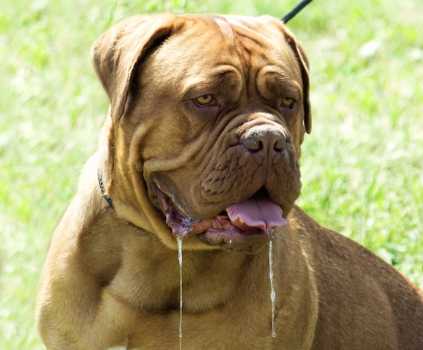
Drooling rarely tells the whole story on its own. What it appears alongside usually gives the clearest clue to what is actually happening.
Drooling and Shaking
Drooling paired with shaking often points to pain, fear, or possible toxin exposure in dogs.
If the shaking is severe, whole-body, or paired with weakness, call your vet the same day.
Drooling and Vomiting
This combination usually signals nausea, a gastrointestinal blockage, or exposure to something toxic.
Repeated vomiting alongside heavy drooling needs same-day veterinary attention rather than a wait-and-see approach.
Drooling and Lethargy
A drooling dog who suddenly seems unusually tired or weak may be fighting infection, pain, or an organ problem.
Lethargy lasting more than a few hours alongside drooling should never be brushed off as “just tired.”
Drooling and Pawing at the Mouth
This specific pattern almost always points to oral pain or something physically stuck in the mouth or throat.
A vet visit, sometimes requiring light sedation, is usually needed to find and remove the source of pain.
When Is Dog Drooling an Emergency?
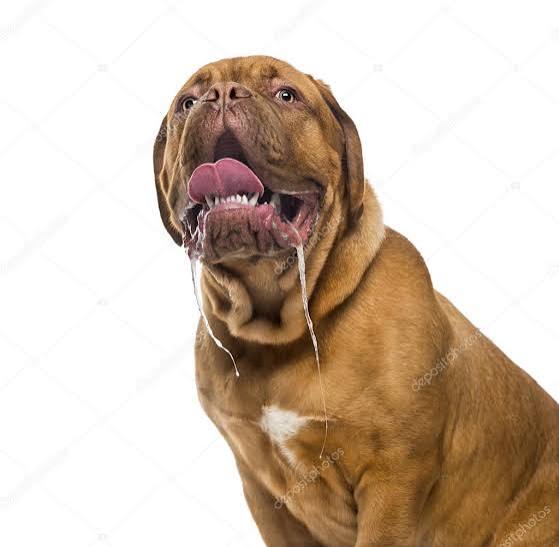
Some causes of sudden drooling can comfortably wait for a regular appointment. Others need care within the hour.
Treat the following combinations as true emergencies and contact your vet or an emergency clinic immediately.
- Difficulty breathing or loud, labored breathing sounds
- Pale, blue, or unusually bright red gums
- A swollen, hard, or visibly distended belly
- Repeated vomiting or unproductive retching
- Sudden collapse, seizures, or extreme weakness
- Visible blood mixed into the saliva
- Known or suspected exposure to a toxic substance
How Vets Diagnose Sudden Drooling
A veterinarian will usually start with a full physical exam, paying close attention to the mouth, throat, and neck area.
They will also ask detailed questions about recent meals, behavior changes, and any chance of accidental toxin exposure.
Depending on what they find, bloodwork, X-rays, or an oral exam under light sedation often follows to confirm the cause.
In more complex cases, a vet may recommend ultrasound, endoscopy, or a referral to a specialty clinic for further testing.
Treatment Options for Excessive Drooling
| Underlying Cause | Typical Treatment Approach |
|---|---|
| Dental disease | Professional cleaning, extraction, antibiotics |
| Toxin exposure | Induced vomiting, IV fluids, activated charcoal |
| Foreign object | Removal under sedation or general anesthesia |
| Bloat (GDV) | Emergency surgery |
| Anxiety or stress | Behavior training, calming aids, vet-prescribed medication |
| Nausea or GI upset | Anti-nausea medication, temporary diet changes |
Treatment always depends on the root cause, which is why an accurate diagnosis matters more than treating the drooling itself.
Trying home remedies before knowing the cause can sometimes delay care for a condition that needed faster intervention.
How to Prevent Sudden Drooling at Home
Keep chocolate, xylitol, grapes, and toxic houseplants completely out of reach, since these remain common at-home triggers.
Schedule regular dental checkups for your dog, since untreated tartar and gum disease are leading long-term causes of drooling.
Use a calming aid, familiar blanket, or vet-approved anti-nausea medication on car rides if your dog struggles with motion sickness.
Always provide shade, airflow, and fresh water during hot weather to lower the risk of heat-related drooling and heatstroke.
Supervise chew time with sticks, bones, and toys that could splinter or lodge across the roof of your dog’s mouth.
Frequently Asked Questions (FAQs)
Why is my dog drooling all of a sudden with no other symptoms?
It is often excitement, hunger, or mild motion sickness. Watch for 24 hours, and call your vet if the drooling continues or worsens.
Is sudden dog drooling always an emergency?
No, but it becomes one when paired with vomiting, collapse, breathing trouble, or a swollen belly. When in doubt, call your vet for guidance.
Why is my dog drooling and shaking at the same time?
This combination can signal pain, fear, or toxin exposure. Severe or whole-body shaking alongside drooling needs same-day veterinary care.
Can stress cause my dog to drool suddenly?
Yes, vet visits, fireworks, and unfamiliar environments commonly trigger stress-related drooling. It usually stops once your dog feels calm and safe again.
Why does my dog drool right before vomiting?
Nausea increases saliva production as the body prepares to vomit. This is common with GI upset, motion sickness, or spoiled food.
What does it mean if my dog’s drool has blood in it?
Blood-tinged drool usually points to a mouth injury, broken tooth, or oral growth. A veterinarian should examine the mouth as soon as possible.
Can hot weather make my dog drool more than usual?
Yes, heavy drooling paired with hard panting is an early heatstroke warning sign. Move your dog to a cool area and offer water immediately.
Why is my senior dog suddenly drooling more than before?
Older dogs commonly develop dental disease, oral tumors, or organ issues that increase drooling over time. A vet visit can pinpoint the exact cause.
Should I worry if only one side of my dog’s mouth is drooling?
One-sided drooling often suggests a localized problem, like a broken tooth or an object stuck on that side. It is worth a prompt vet check.
How long should I wait before calling the vet about sudden drooling?
If it is mild and your dog otherwise seems normal, monitor for a few hours. Call immediately if vomiting, weakness, or breathing changes appear.
Conclusion
Sudden drooling in dogs can range from a harmless reaction to food or heat to an early sign of a genuine medical emergency.
The key is paying attention to what shows up alongside the drool, since isolated drooling is rarely dangerous on its own.
Dental pain, nausea, anxiety, motion sickness, toxin exposure, and bloat are among the most common explanations, and each one follows its own pattern of warning signs.
If your dog is also vomiting, shaking, struggling to breathe, or showing a swollen belly, treat it as an emergency and seek veterinary care right away.
For milder cases without other symptoms, a few hours of calm observation is usually enough to tell whether a vet visit is truly needed.
Keeping toxic foods and plants out of reach, staying current on dental checkups, and watching your dog closely on hot days can prevent many of the most common triggers.
When sudden drooling does appear, trust your instincts as a pet parent, and never hesitate to call your vet when something feels off.
