

Why does the back of my tongue hurt? If you have been asking yourself this, you are not alone. Pain at the back of the tongue is a surprisingly common complaint that can range from a minor irritation to a sign of something that needs medical attention.
The back of the tongue has a dense network of nerves, taste buds, lymphoid tissue, and structures like the lingual tonsils, all of which can become inflamed or infected. Understanding what is causing the pain helps you treat it faster and know when a doctor’s visit is necessary.
What Is the Back of the Tongue?
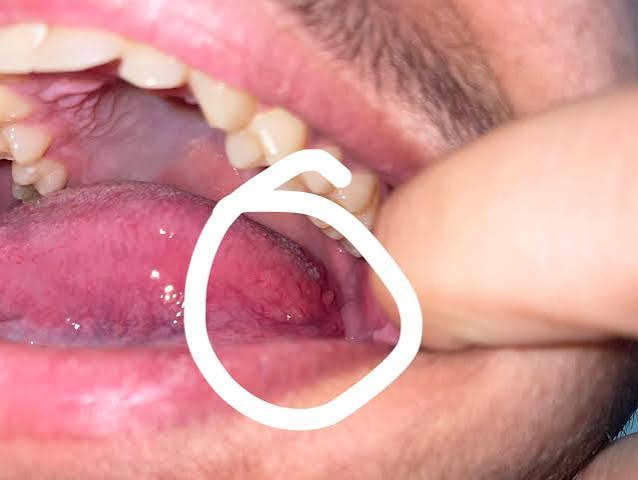
The back of the tongue, also called the posterior tongue or tongue base, sits just above the throat and connects to the floor of the mouth. It contains large, bumpy structures called circumvallate papillae, lingual tonsils, and taste receptors.
This region is innervated by the glossopharyngeal nerve (cranial nerve IX), which explains why pain here can sometimes radiate to the ear, throat, or jaw. Any irritation, infection, or nerve dysfunction in this area can cause significant discomfort.
Why Does the Back of My Tongue Hurt? 12 Common Causes
1. Canker Sores (Aphthous Ulcers)
Canker sores are small, shallow ulcers that can form anywhere in the mouth, including the back of the tongue. They appear as white or yellow sores with a red border and can be extremely painful.
They are triggered by stress, acidic foods, minor injuries, hormonal changes, or a weakened immune system. Most canker sores heal on their own within one to two weeks without medical treatment.
2. Lingual Tonsillitis
The lingual tonsils sit at the very back of the tongue, just above the throat. When these become infected or inflamed, the result is localized pain deep in the mouth that worsens with swallowing and speaking.
This condition is more common than most people realize. It can be caused by bacteria or viruses and is often mistaken for a regular sore throat. Antibiotics are needed for bacterial lingual tonsillitis.
3. Oral Thrush (Candida Infection)
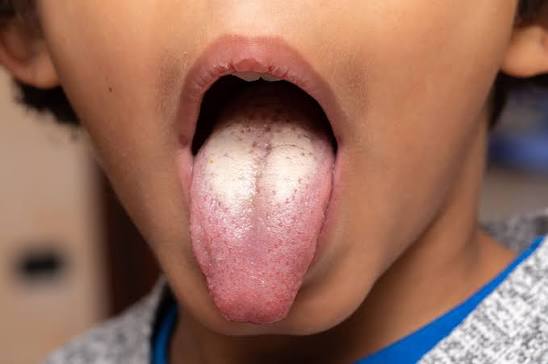
Oral thrush is a fungal infection caused by an overgrowth of Candida yeast in the mouth. It creates thick white patches on the tongue and inside the mouth, along with soreness, burning, and difficulty swallowing.
The back of the tongue is a common site for thrush, especially in people who take antibiotics, use inhaled steroids, smoke, or have a weakened immune system. Antifungal medication is the standard treatment.
4. Strep Throat and Bacterial Infections
Streptococcal bacteria can infect the throat and surrounding structures including the back of the tongue. Symptoms include intense pain, difficulty swallowing, swollen lymph nodes, and sometimes a fever.
The pain often feels like it is radiating from the throat into the tongue base. A rapid strep test at a clinic confirms the diagnosis, and antibiotics clear the infection within a week.
5. Acid Reflux (GERD)
Gastroesophageal reflux disease causes stomach acid to flow back up into the throat and mouth. This acid repeatedly irritates the delicate tissues at the back of the tongue, causing soreness, burning, and a bitter taste.
Many people with GERD do not even realize the acid is reaching their tongue. The pain tends to be worse in the morning or after eating. Dietary changes and acid-reducing medications manage the condition effectively.
6. Glossopharyngeal Neuralgia
Glossopharyngeal neuralgia is a rare nerve condition that causes sudden, severe, electric shock-like pain in the back of the tongue, throat, tonsils, and sometimes the ear. Episodes last from a few seconds to a few minutes and can repeat many times throughout the day.
The pain is triggered by common actions like swallowing, talking, yawning, or coughing. It is caused by irritation of the ninth cranial nerve and requires medical treatment with anticonvulsant medications or, in severe cases, surgery.
7. Trauma and Injury
Accidentally biting the back of the tongue, burning it with very hot food or drinks, or scratching it with sharp food can all cause localized pain. These injuries are often overlooked because the back of the tongue is difficult to see directly.
The pain from a bite or burn injury is usually sharp at first and then transitions to a dull ache. Most minor injuries heal within a few days with no treatment needed.
8. Enlarged Circumvallate Papillae
The circumvallate papillae are the large, dome-shaped bumps arranged in a V-shape at the back of the tongue. These can become temporarily enlarged and tender due to spicy food, acidic drinks, irritants, or minor illness.
This is a benign and very common cause of posterior tongue pain. The swollen papillae typically return to normal within a few days once the irritating trigger is removed.
9. Oral Cancer
A persistent sore or lump at the back of the tongue that does not heal within two weeks can, in rare cases, be a sign of oral cancer. Risk factors include tobacco use, heavy alcohol consumption, and HPV infection.
This is the most serious cause of posterior tongue pain and should never be ignored. Early detection greatly improves treatment outcomes. Any unhealing lesion lasting more than two weeks needs urgent medical evaluation.
10. Vitamin and Nutritional Deficiencies
Deficiencies in vitamin B12, iron, folate, and zinc can cause tongue inflammation, soreness, and a smooth or raw appearance at the tongue surface. The back of the tongue can feel particularly sore and raw.
These deficiencies are more common in people with dietary restrictions, absorption problems, or chronic illness. A blood test identifies the deficiency, and supplementation resolves the tongue symptoms over time.
11. Burning Mouth Syndrome
Burning mouth syndrome causes a persistent burning or scalding sensation in the mouth, including the back of the tongue, without any visible cause. It is more common in postmenopausal women and can last for months or years.
Triggers include hormonal changes, dry mouth, nutritional deficiencies, and nerve damage. Treatment includes prescription mouthwashes, cognitive behavioral therapy, certain antidepressants, and anticonvulsants.
12. Sexually Transmitted Infections (STIs)
Certain sexually transmitted infections, particularly syphilis and gonorrhea, can cause sores or inflammation in the mouth and at the back of the tongue. Syphilis in its primary stage can create a painless sore, while secondary syphilis causes mouth ulcers.
HSV-1 (oral herpes) can also cause clusters of painful blisters that extend to the back of the tongue. These require antiviral medication and testing to diagnose correctly.
Back of Tongue Pain Location Guide
| Pain Location | Most Likely Cause |
|---|---|
| Deep in the tongue base, both sides | Lingual tonsillitis, strep throat |
| One side only | Glossopharyngeal neuralgia, canker sore, injury |
| White patches visible | Oral thrush, leukoplakia |
| Pain when swallowing | Strep, lingual tonsillitis, GERD |
| Burning sensation | Burning mouth syndrome, acid reflux |
| Sharp shock-like pain | Glossopharyngeal neuralgia |
| After eating spicy food | Enlarged papillae, irritation |
| Unhealing sore for 2+ weeks | Oral cancer — see a doctor immediately |
Symptoms to Watch Alongside Back of Tongue Pain
Pain at the back of the tongue rarely appears on its own. The additional symptoms you notice alongside it are the most important clues to the underlying cause.
Watch for white or yellow patches, which suggest thrush or canker sores. Swollen glands in the neck, fever, and painful swallowing point toward a bacterial infection like strep or lingual tonsillitis.
A burning or metallic taste, especially in the morning, suggests acid reflux. Electric shock-like pain radiating to the ear points toward glossopharyngeal neuralgia. A hard, painless lump lasting more than two weeks is a red flag for oral cancer and requires immediate attention.
How Is Back of Tongue Pain Diagnosed?
A doctor or dentist will begin with a physical examination of the mouth, including visual inspection of the tongue base and throat. They may use a small mirror or camera for a clearer view of the posterior tongue.
Depending on what is found, they may order a throat swab to test for bacterial infection, a blood test for vitamin deficiencies or immune issues, an endoscopy if acid reflux is suspected, or imaging if a growth or nerve compression is suspected.
For suspected glossopharyngeal neuralgia, a lidocaine test is sometimes used where a local anesthetic is applied to the back of the throat to see if the pain stops temporarily.
Treatment Options for Back of Tongue Pain
Salt Water Gargling
One of the most effective and immediate home treatments for back of tongue pain is gargling with warm salt water. Salt has mild antibacterial properties and reduces inflammation quickly.
Mix one teaspoon of table salt into a cup of warm water and gargle for thirty seconds, two to three times per day. This works well for canker sores, minor infections, and irritation from acid reflux.
Antifungal Medications
For oral thrush causing back of tongue pain, antifungal medications are required. Common options include fluconazole (Diflucan) taken orally or clotrimazole troches dissolved slowly in the mouth.
Treatment typically lasts one to two weeks. Improving oral hygiene, limiting sugar intake, and addressing the underlying cause such as antibiotic use or immune suppression helps prevent recurrence.
Antibiotics
Bacterial infections like strep throat or lingual tonsillitis require antibiotic treatment. A full course of antibiotics must be completed even if symptoms improve within a few days.
Amoxicillin is the most commonly prescribed antibiotic for these conditions. Failure to complete the course can lead to recurrence or antibiotic resistance.
Antiviral Medications

If the pain is caused by oral herpes or another viral infection, antiviral medications such as acyclovir or valacyclovir can reduce the severity and duration of the outbreak.
These are most effective when started early, ideally within the first 24 to 48 hours of symptoms. Recurrent herpes outbreaks may require daily suppressive therapy.
Acid Reflux Management
For GERD-related tongue pain, treatment focuses on reducing acid production and preventing reflux. Proton pump inhibitors (PPIs) like omeprazole, combined with dietary changes, are the standard approach.
Lifestyle changes include avoiding spicy and fatty foods, not eating within two to three hours before bed, elevating the head of the bed, reducing alcohol and caffeine, and maintaining a healthy weight.
Anticonvulsant Medications
Glossopharyngeal neuralgia is treated primarily with anticonvulsant medications such as carbamazepine or gabapentin. These calm the overactive nerve signals that cause the severe pain episodes.
Some patients also respond to tricyclic antidepressants or muscle relaxants. In cases where medication fails to control symptoms, surgical microvascular decompression may be performed to relieve pressure on the glossopharyngeal nerve.
Vitamin Supplementation
If blood tests reveal deficiencies in B12, iron, folate, or zinc, supplementation is both the treatment and prevention for nutritional tongue pain. In severe B12 deficiency, injections may be needed for faster absorption.
Dietary improvements alongside supplements speed recovery. Foods rich in B12 include meat, fish, eggs, and dairy. Iron-rich foods include red meat, leafy greens, and legumes.
Topical Pain Relief
Over-the-counter topical gels containing benzocaine can provide temporary numbing relief at the site of canker sores or oral injuries. These are applied directly to the painful area and give quick short-term relief.
Prescription corticosteroid gels are used for more severe aphthous ulcers that do not respond to OTC options. They reduce inflammation and speed up healing significantly.
Effective Home Remedies for Back of Tongue Pain
| Home Remedy | How It Helps | Best For |
|---|---|---|
| Warm salt water gargle | Reduces bacteria and inflammation | Canker sores, infections |
| Ice chips or cold water | Numbs pain and reduces swelling | Burns, trauma, irritation |
| Honey | Antibacterial, coats the tongue | Sores, minor infections |
| Aloe vera gel (food grade) | Soothes and reduces inflammation | Canker sores, thrush |
| Chamomile tea rinse | Anti-inflammatory, calming | General soreness |
| Coconut oil pulling | Reduces bacteria and yeast | Thrush, general oral health |
| Turmeric paste | Anti-inflammatory, antimicrobial | Canker sores, ulcers |
| Baking soda rinse | Neutralizes acid, reduces bacteria | GERD-related soreness |
Foods to Avoid When the Back of Your Tongue Hurts
What you eat significantly affects how fast the pain resolves. Certain foods irritate the back of the tongue further and slow healing.
Spicy foods, acidic fruits like citrus and tomatoes, crunchy or hard foods, very hot beverages, alcohol, and carbonated drinks all worsen inflammation and delay healing of canker sores or ulcerations.
Stick to soft, cool, bland foods during a flare-up. Yogurt, mashed potatoes, smoothies, soup, and oatmeal are gentle on an irritated tongue and still provide necessary nutrition.
Comparison of Common Causes at a Glance
| Condition | Pain Type | Visible Signs | Treatment |
|---|---|---|---|
| Canker sore | Dull ache | White ulcer with red border | Salt rinse, topical gel |
| Lingual tonsillitis | Deep throbbing | Swollen red tissue | Antibiotics |
| Oral thrush | Burning | White patches | Antifungal medication |
| Strep throat | Sharp, widespread | Red throat, white spots | Antibiotics |
| GERD | Burning, chronic | No visible sore | PPI medication, diet change |
| Glossopharyngeal neuralgia | Electric shock | Nothing visible | Anticonvulsants |
| Oral cancer | Dull, persistent | Hard lump or ulcer | Surgery, radiation |
| Vitamin deficiency | Raw, burning | Smooth, pale tongue | Supplements |
| Trauma/burn | Sharp, then dull | Redness, minor wound | Heals on its own |
When to See a Doctor for Back of Tongue Pain
Most back of tongue pain will improve within one to two weeks with home care. However, there are specific situations where seeing a doctor or dentist without delay is essential.
You should seek medical attention if the pain has lasted more than two weeks with no improvement, if you have difficulty swallowing or breathing, if you notice a hard lump or thickening at the back of the tongue, or if you have unexplained weight loss alongside mouth pain.
A fever, swollen lymph nodes in the neck, spreading redness, or pus near the tongue base all suggest a bacterial infection that needs antibiotics. Electric shock-like pain episodes that repeat throughout the day suggest glossopharyngeal neuralgia and need neurological assessment.
People who smoke, drink heavily, or have had HPV exposure should have any unhealing sore examined promptly to rule out oral cancer.
How to Prevent Back of Tongue Pain
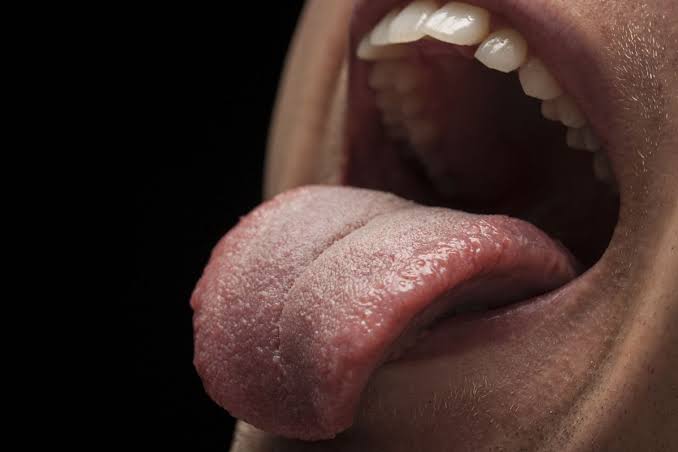
Preventing posterior tongue pain largely comes down to good oral hygiene, a healthy diet, and avoiding known irritants. Many of the common causes are preventable with simple daily habits.
| Prevention Habit | What It Prevents |
|---|---|
| Brush teeth twice daily with soft brush | Reduces bacterial load, prevents infection |
| Floss daily | Removes bacteria between teeth and near tongue |
| Use alcohol-free mouthwash | Prevents irritation and dry mouth |
| Stay well hydrated | Keeps mucous membranes healthy |
| Avoid very spicy and acidic foods | Prevents irritation and papillae swelling |
| Quit smoking and limit alcohol | Reduces oral cancer risk |
| Manage stress | Reduces canker sore frequency |
| Get regular dental checkups | Early detection of any abnormal lesions |
| Eat a balanced diet | Prevents vitamin deficiencies |
Back of Tongue Pain in Children vs Adults
In children, back of tongue pain is most commonly caused by viral infections like the common cold or flu, strep throat, or trauma from biting or chewing hard objects. Children are also more prone to lingual tonsillitis.
Parents should seek medical care if a child’s tongue pain is severe, is accompanied by fever, or prevents the child from eating or drinking. Any unusual lump or white patch in a child’s mouth that does not clear within a week warrants a dental or medical examination.
In adults over 40, the risk of glossopharyngeal neuralgia increases. Adults who smoke or drink heavily are at higher risk for oral cancer, making persistent tongue pain more serious in this population.
Frequently Asked Questions (FAQs)
Why does the back of my tongue hurt when I swallow?
Pain when swallowing usually points to lingual tonsillitis, strep throat, or acid reflux irritating the throat and tongue base. See a doctor if it persists beyond five days or comes with fever.
Can acid reflux cause back of tongue pain?
Yes. Stomach acid that travels up to the mouth repeatedly irritates the back of the tongue, causing soreness and a burning sensation. Treating GERD with diet changes and medication resolves the tongue pain.
What do the bumps at the back of my tongue mean?
The large bumps are called circumvallate papillae and are completely normal. If they become enlarged, red, or painful, it usually means they are temporarily irritated by spicy food, illness, or acid.
Why does one side of the back of my tongue hurt?
One-sided pain at the tongue base is often caused by a canker sore, a minor injury, or glossopharyngeal neuralgia. If the pain is severe and episodic with electric shock-like quality, see a neurologist.
Can stress cause tongue pain at the back?
Yes. Stress lowers immune function, triggers canker sores, and can worsen burning mouth syndrome. Managing stress through sleep, exercise, and relaxation techniques reduces oral pain flare-ups.
How long does back of tongue pain usually last?
Minor causes like canker sores, burns, and papillae irritation typically resolve within one to two weeks. Infections clear with treatment in five to ten days. Pain lasting more than two weeks needs professional evaluation.
Is back of tongue pain a sign of oral cancer?
It can be in rare cases, especially if there is a persistent sore, lump, or thickening that does not heal after two weeks. Other warning signs include unexplained weight loss, difficulty swallowing, and numbness in the mouth.
Can a vitamin deficiency cause pain at the back of the tongue?
Yes. Low levels of vitamin B12, iron, folate, or zinc cause tongue inflammation and soreness. A blood test confirms the deficiency, and supplementation with dietary improvements corrects the problem.
What is the fastest home remedy for tongue pain?
Gargling with warm salt water three times daily, applying ice or ice chips to the area, and using an over-the-counter benzocaine gel provide the fastest short-term relief for most types of tongue pain.
When should I go to the emergency room for tongue pain?
Go to the emergency room if you experience severe difficulty breathing or swallowing, rapid swelling of the tongue or throat, loss of consciousness due to pain, or a sudden onset of extreme pain with a fever. These can indicate a serious infection or allergic reaction.
Conclusion
Why does the back of my tongue hurt is a question that has many different answers depending on the symptoms, their duration, and any accompanying signs. In most cases, the cause is something manageable, such as a canker sore, minor infection, acid reflux, or irritated papillae, and it resolves with simple home care within one to two weeks.
More serious causes like lingual tonsillitis, oral thrush, and strep throat respond well to targeted medical treatment once diagnosed correctly. Rare conditions like glossopharyngeal neuralgia require specialist care and long-term management. The key is recognizing when the pain is beyond what home remedies can handle.
If the pain at the back of your tongue has lasted more than two weeks, is getting worse, comes with swallowing difficulty, a visible lump, or unexplained weight loss, see a doctor or dentist without delay. Catching serious conditions early in 2026 offers the best possible treatment outcomes and peace of mind.
