

Why does my burp taste like eggs is one of the most searched digestive health questions, and the short answer is hydrogen sulfide gas.
This gas forms in your gut, mixes with normal digestive air, and comes back up through your mouth when you belch.
Most people notice this egg-like taste after a heavy meal, a new medication, or a stretch of stress. It is rarely dangerous on its own, but frequent egg-flavored burps can point to a deeper gut issue.
What Does It Mean When Your Burp Tastes Like Eggs?
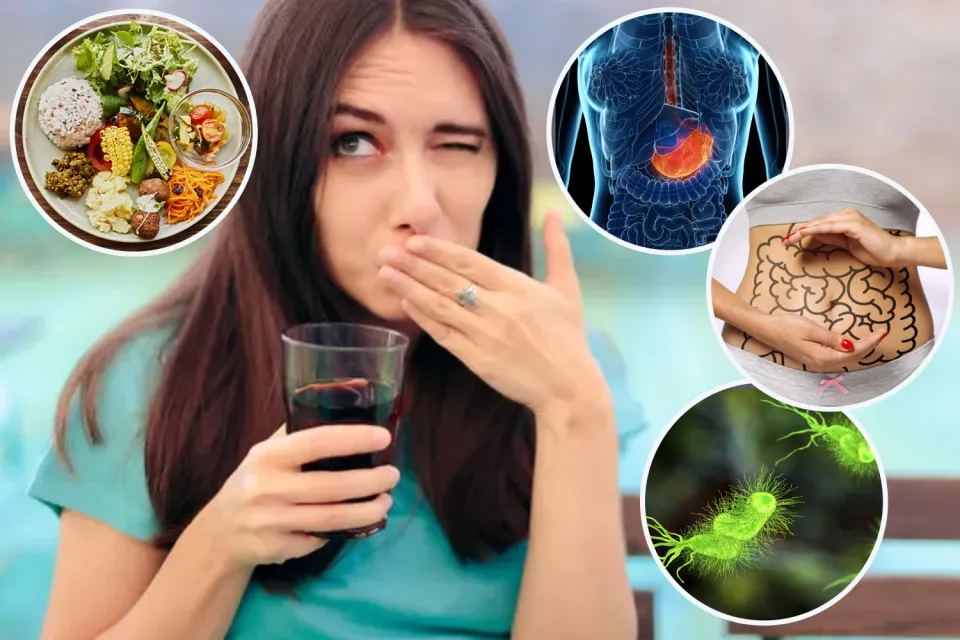
A normal burp is just trapped air escaping your stomach. It usually carries little to no smell at all.
When a burp tastes or smells like rotten eggs, hydrogen sulfide gas has mixed in with that air. This is the exact compound responsible for the smell of an actual rotten egg.
Hydrogen sulfide forms naturally during digestion in small amounts. The issue is not the gas itself, but how much your gut is producing at a given time.
The Science Behind Egg-Tasting Burps
Your gut hosts trillions of bacteria that help break down everything you eat. Some of these bacteria specialize in breaking down sulfur-containing compounds found in protein and certain vegetables.
As they process that sulfur, they release hydrogen sulfide gas as a byproduct. In small amounts, this gas is harmless and barely noticeable.
When digestion slows down, or sulfur-rich foods are eaten in large amounts, bacterial activity ramps up. More hydrogen sulfide gets produced, and more of it escapes upward instead of moving through the gut normally.
This is also why the smell can feel disproportionately strong. Hydrogen sulfide is detectable by the human nose at extremely low concentrations, which is why even a small amount creates a noticeable egg taste.
How Common Are Egg-Tasting Burps?
Burping itself is completely normal. Most people pass gas through burping or flatulence between 13 and 21 times a day without ever noticing a smell.
Egg-tasting or sulfur-smelling burps are far less common, but they are not rare. Diet-related cases happen to almost everyone occasionally, usually after a protein-heavy or high-sulfur meal.
Persistent cases tied to an underlying condition affect a smaller group, but they are common enough that gastroenterologists hear this exact question on a regular basis.
Common Causes of a Burp That Tastes Like Eggs
Egg-tasting burps usually trace back to one of three buckets: diet, an underlying gut condition, or a medication. The list below covers the most frequent triggers people search for.
1. High-Sulfur Foods
Eggs, red meat, poultry, fish, garlic, onions, and dairy are all naturally rich in sulfur compounds. Cruciferous vegetables like broccoli, cabbage, and Brussels sprouts behave the same way.
Eating large portions of these foods, especially in one sitting, gives gut bacteria extra raw material to convert into hydrogen sulfide.
This is why the egg taste often shows up a few hours after a big dinner rather than immediately after eating.
2. Eating Too Fast or Swallowing Air
Eating quickly, talking while chewing, or sipping through a straw all cause extra air to get swallowed. Doctors call this aerophagia.
That swallowed air mixes with sulfur gas already forming in your stomach, which makes the resulting burp smell and taste stronger.
Chewing gum and sucking on hard candy can have the same effect, since both increase how often you swallow.
3. GERD (Acid Reflux)
Gastroesophageal reflux disease pushes stomach acid and gas back up into the esophagus. This backflow often carries hydrogen sulfide along with it.
People with GERD usually notice their egg-tasting burps worsen after large meals, spicy food, or lying down soon after eating.
A sour or acidic taste alongside the egg smell is a strong clue that reflux is the underlying driver.
4. Irritable Bowel Syndrome (IBS)
IBS disrupts normal gut motility and increases overall gas production. Researchers have identified a hydrogen sulfide-dominant subtype of IBS that produces more sulfur-tasting burps than other types.
Bloating, cramping, and irregular bowel habits usually accompany this cause.
Symptoms often flare with specific trigger foods or during periods of stress.
5. SIBO (Small Intestinal Bacterial Overgrowth)
SIBO happens when bacteria that normally live in the large intestine migrate into the small intestine instead. Food gets fermented earlier than it should, producing extra gas.
Chronic bloating, excess gas, and diarrhea or constipation often appear alongside the egg-smelling burps.
A breath test is typically used to confirm this diagnosis before treatment begins.
6. H. Pylori Infection
Helicobacter pylori is a bacterium that infects the stomach lining. It is one of the most common infectious causes of persistent egg-tasting burps worldwide.
Nearly half the global population carries this bacterium, though only some people develop noticeable symptoms.
Stomach pain, bloating, and a burning sensation in the upper abdomen often accompany the burping when H. pylori is involved.
7. Giardia Infection
Giardia is a parasite usually picked up from contaminated water or food. It attaches to the lining of the small intestine and disrupts normal digestion.
Watery diarrhea, stomach cramps, and fatigue typically show up alongside sulfur burps when Giardia is the cause.
A stool test is the standard way doctors confirm this infection.
8. Gastroparesis
Gastroparesis means the stomach empties food much more slowly than normal. The longer food sits, the more time bacteria have to ferment it into hydrogen sulfide.
This condition is more common in people with diabetes and can also follow certain surgeries or nerve damage.
Nausea, early fullness, and vomiting often accompany the burping in this case.
9. GLP-1 Medications (Ozempic, Wegovy, Mounjaro)
GLP-1 drugs slow down stomach emptying as part of how they support weight loss and blood sugar control. Slower emptying means more time for food to ferment.
This is why egg-tasting burps are such a widely reported side effect among people starting these medications.
The symptom usually fades as the body adjusts, or after a dose adjustment with a doctor’s guidance.
10. Lactose Intolerance and Fructose Malabsorption
People who cannot fully digest lactose or fructose end up with undigested sugar fermenting in the gut. That fermentation produces extra gas, including hydrogen sulfide.
Bloating, gas, and diarrhea after dairy or certain fruits are the usual telltale signs.
Cutting the trigger sugar for a short trial period is the simplest way to confirm this cause.
11. Alcohol and Carbonated Drinks
Beer is a double offender because it is both carbonated and fermented. Alcohol in general can also disrupt healthy digestion and trigger reflux.
Soda and sparkling water add extra gas directly into the stomach, which can combine with sulfur compounds already forming from food.
Cutting these out for even a few days is often enough to notice a difference.
12. Antibiotics and Gut Imbalance
Antibiotics can wipe out helpful gut bacteria along with harmful ones. This sometimes lets hydrogen sulfide-producing microbes regrow faster than the beneficial strains.
The result can be temporary egg-tasting burps that fade as the gut microbiome rebalances over a few weeks.
Probiotics are often recommended during and after a course of antibiotics for this reason.
13. Stress and the Gut-Brain Axis
Stress and anxiety directly affect gut motility and acid production through the gut-brain axis. Digestion can slow down or speed up unpredictably under stress.
Many people notice their sulfur burps flare specifically during stressful weeks or anxious periods.
This connection is well documented and is one reason gut symptoms often improve alongside better sleep and stress management.
Foods That Trigger Egg-Tasting Burps vs. Safer Alternatives
Knowing which foods to limit and which to lean on makes trigger-tracking much easier.
| High-Sulfur Foods to Watch | Lower-Sulfur Alternatives |
|---|---|
| Eggs | Rice and oats |
| Red meat and processed meat | Lean white fish |
| Garlic and onions | Fresh herbs |
| Broccoli, cabbage, cauliflower | Leafy greens (non-cruciferous) |
| Brussels sprouts | Carrots and sweet potato |
| Dairy products | Lactose-free dairy or tofu |
| Beer and alcohol | Herbal teas |
| Whey protein powder | Plant-based protein in moderation |
This is not a list of foods to avoid forever. It is a starting point for a short elimination trial to see which foods actually trigger your symptoms.
Reintroduce items one at a time after a week or two. This makes it much easier to spot your personal pattern.
How to Get Rid of Egg-Tasting Burps Fast

Most diet-related egg burps respond quickly to a few simple changes. The remedies below are the ones with the most consistent support.
Drink More Water
Staying hydrated helps your stomach break down protein and sulfur compounds more efficiently. It also dilutes stomach acid slightly, easing reflux-related burping.
Aim for at least eight glasses spread across the day rather than large amounts at once.
Try Herbal Teas
Peppermint tea relaxes digestive muscles and eases trapped gas. Ginger and chamomile both calm an irritated gut and support smoother digestion.
Sipping one of these after a heavy meal is a low-risk habit worth building into your routine.
Take a Probiotic
Probiotics help rebalance gut bacteria so hydrogen sulfide-producing strains do not dominate. Look for multi-strain formulas taken consistently for at least two to four weeks.
Fermented foods like yogurt, kefir, and sauerkraut offer a natural alternative source.
Use Digestive Enzymes
Enzyme supplements help break down proteins and fats more completely before they reach the lower gut. Less undigested material means less fuel for gas-producing bacteria.
These are especially useful for people whose triggers are heavy, protein-rich meals.
Try Manuka Honey
Manuka honey has documented antibacterial activity against several gut pathogens, including H. pylori. A teaspoon before meals is a common way to use it.
It works best as a supportive habit alongside other changes, not as a replacement for treating a confirmed infection.
Cut Back on Carbonation and Alcohol
Soda, sparkling water, and beer all add extra gas directly into your stomach. Removing them is one of the fastest ways to reduce burp frequency overall.
Still water and herbal tea make an easy, low-effort swap.
Eat Slower and Chew Thoroughly
Slowing down reduces the amount of air you swallow with each bite. It also gives your stomach more time to start breaking food down properly.
Try putting your utensils down between bites to naturally extend each meal.
Take a Short Walk After Eating
Light movement after meals helps food move through your digestive tract instead of sitting and fermenting. Fifteen to twenty minutes is usually enough.
This habit also supports overall gut motility over the long term.
Over-the-Counter Remedies Worth Trying
| OTC Option | How It Helps | Best For |
|---|---|---|
| Antacids (Tums, Gaviscon) | Neutralizes stomach acid | GERD-related burps |
| Simethicone (Gas-X) | Breaks up trapped gas bubbles | General bloating and gas |
| Bismuth subsalicylate (Pepto-Bismol) | Coats the gut lining, mild antibacterial effect | Infection-linked burps |
| Activated charcoal | May reduce gas odor short-term | Occasional, not long-term use |
| Probiotic capsules | Restores bacterial balance | After antibiotics or gut upset |
| Digestive enzyme tablets | Improves food breakdown | Protein-heavy diets |
Always check with a pharmacist or doctor before combining multiple OTC products, especially if you take other regular medications.
Egg-Tasting Burps With Diarrhea
When egg-tasting burps show up alongside diarrhea, an infection or gut imbalance is usually involved. H. pylori, Giardia, and SIBO are the three most common explanations.
Food poisoning can also cause this combination, though it usually resolves within a day or two on its own.
If both symptoms last more than two to three days, a stool test can quickly confirm or rule out an infectious cause.
Egg-Tasting Burps in the Morning
Burps that taste like eggs first thing in the morning are often linked to slow overnight digestion. Eating a large or fatty meal late at night gives bacteria extra time to ferment food while you sleep.
GERD is another common explanation, since lying flat makes reflux more likely overnight.
Shifting dinner earlier and avoiding heavy late-night snacks often reduces this specific pattern.
Egg-Tasting Burps During Pregnancy
Pregnancy hormones, especially progesterone, slow down digestion and relax the valve between the stomach and esophagus. This combination makes reflux and trapped gas more likely throughout pregnancy.
Prenatal vitamins containing iron are another common trigger, since iron supplements are well known to cause gas and stronger-smelling burps.
These burps are usually harmless, but it is still worth mentioning persistent symptoms to an OB or midwife at a routine visit.
Egg-Tasting Burps After Specific Triggers
Different triggers tend to produce slightly different patterns, which can help narrow down the cause.
| Trigger | Typical Pattern |
|---|---|
| A large protein-heavy dinner | Burps appear a few hours later, fade by next day |
| Starting a new antibiotic | Burps appear within days, fade after the course ends |
| Starting a GLP-1 medication | Burps appear in the first weeks, often ease with time |
| A stressful week at work or home | Burps cluster during high-stress periods |
| Drinking beer or soda | Burps appear shortly after the drink |
Matching your own pattern against this table is often enough to point you toward the right fix without needing to guess.
Egg-Tasting Burps Linked to Specific Conditions
| Condition | Other Symptoms to Watch For |
|---|---|
| H. pylori infection | Stomach pain, nausea, bloating |
| Giardia | Watery diarrhea, cramps, fatigue |
| GERD | Heartburn, sour taste, chest discomfort |
| IBS | Bloating, irregular bowel habits |
| SIBO | Chronic bloating, excess gas |
| Gastroparesis | Early fullness, nausea, vomiting |
| Lactose intolerance | Gas and diarrhea after dairy |
| Celiac disease | Fatigue, weight loss, bloating |
Use this table as a rough guide, not a diagnosis. Overlapping symptoms are common, and proper testing is the only way to confirm an exact cause.
Egg-Tasting Burps and Ozempic or Other Weight-Loss Drugs
GLP-1 medications have made egg-tasting burps a much more common complaint in recent years. Slower stomach emptying is the direct mechanism behind this side effect.
For most people, this symptom eases within a few weeks as the body adjusts to the medication. Smaller meals and lower-fat food choices can speed that adjustment along.
If the burping is severe or paired with vomiting and pain, it is worth discussing dose timing with the prescribing doctor rather than pushing through it alone.
How to Prevent Egg-Tasting Burps Long Term
| Habit | Why It Works |
|---|---|
| Eat smaller, frequent meals | Less food sitting and fermenting at once |
| Limit high-sulfur foods generally | Lowers baseline hydrogen sulfide production |
| Stay hydrated daily | Supports protein digestion |
| Manage stress | Keeps the gut-brain axis balanced |
| Improve oral hygiene | Sulfur bacteria also live in the mouth |
| Avoid eating late at night | Prevents food fermenting during sleep |
| Keep a food and symptom journal | Identifies your personal triggers |
Consistency matters more than any single fix. Most people see real improvement within two to four weeks of combining several of these habits together.
When to See a Doctor
Occasional egg-tasting burps are rarely a medical emergency. Persistent or worsening symptoms are a different story.
Book an appointment if burping happens daily for more than three weeks, or comes with diarrhea, vomiting, fever, unexplained weight loss, chest pain, or blood in your stool.
These signs can point to an infection, inflammatory bowel disease, or another condition that needs proper testing rather than home remedies alone.
A doctor may recommend a breath test, stool test, or endoscopy depending on which other symptoms you are experiencing.
Frequently Asked Questions (FAQs)
Why does my burp taste like eggs?
Hydrogen sulfide gas from your gut is mixing with normal digestive air. It is usually tied to diet, gut bacteria, or an underlying digestive condition.
Is it normal for burps to taste like eggs sometimes?
Yes, occasional egg-tasting burps after a heavy or sulfur-rich meal are normal. Daily or worsening burping is what warrants more attention.
What foods cause burps to taste like eggs?
Eggs, red meat, garlic, onions, dairy, and cruciferous vegetables are the most common dietary triggers. Beer and processed meats can also contribute.
Can stress cause egg-tasting burps?
Yes, stress affects gut motility and acid production through the gut-brain axis. Many people notice flare-ups during anxious or high-pressure periods.
Does Ozempic cause burps that taste like eggs?
Yes, GLP-1 medications slow stomach emptying, giving food more time to ferment. This is a widely reported side effect of this drug class.
How long do egg-tasting burps usually last?
Diet-related burps often clear up within 24 to 48 hours of adjusting meals. Condition-related causes may take a few weeks of targeted treatment.
Can probiotics help stop egg-tasting burps?
Yes, probiotics help rebalance gut bacteria so sulfur-producing strains do not dominate. Consistent daily use for two to four weeks usually shows results.
Are egg-tasting burps a sign of infection?
They can be. H. pylori and Giardia are two common infections linked to persistent sulfur-smelling burps, especially with diarrhea or stomach pain.
What is the fastest way to stop a burp that tastes like eggs?
Drink water, sip peppermint tea, and try simethicone or an antacid. Avoiding carbonated drinks right afterward also helps.
When should I worry about egg-tasting burps?
Worry if they last beyond three weeks or come with fever, weight loss, vomiting, severe pain, or blood in your stool. See a doctor promptly in that case.
Conclusion
Why does my burp taste like eggs almost always comes down to hydrogen sulfide gas building up faster than your gut can clear it. Diet is the most common driver, but conditions like GERD, IBS, SIBO, and infections like H. pylori can all play a role too.
The good news is that most cases respond well to simple changes. Cutting back on high-sulfur foods, staying hydrated, eating slower, and supporting your gut with probiotics solves the problem for the majority of people within a few weeks.
If your egg-tasting burps stick around despite these changes, or show up alongside pain, fever, or unexplained weight loss, that is your cue to get checked out properly.
Your gut is sending a signal, and it is always worth listening to it before it gets louder. This article is for general information and is not a substitute for personalized medical advice.
