

Why do you cough more at night is one of the most common questions people search for when a mild daytime tickle turns into a full nighttime coughing fit.
The moment you lie down, gravity, mucus, acid, and even your hormones start working against you.
Why Do You Cough More at Night?

During the day, gravity and movement help drain mucus from your nose and throat naturally. This constant motion keeps your airway relatively clear and your cough reflex quiet.
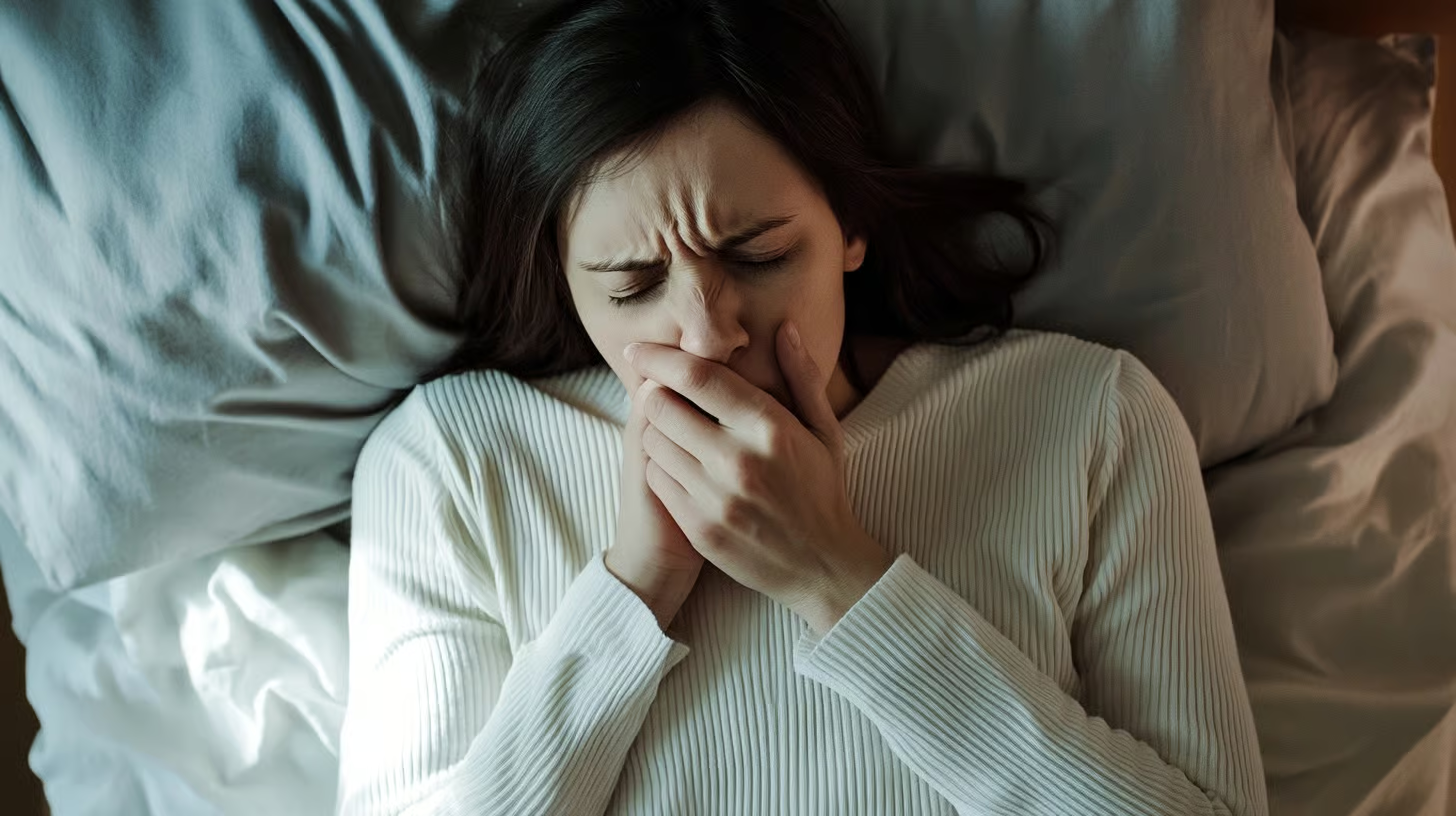
At night, everything changes. Lying flat lets mucus, acid, and fluid settle in your throat and airway instead of draining away, which is why coughing often feels worse after you go to bed.
Your body also becomes less active overnight, so there are fewer distractions pulling your attention away from small throat irritations. This is part of why a mild cough during the day can feel much more noticeable once you are trying to fall asleep.
Postnasal Drip and Nighttime Cough
Postnasal drip happens when mucus from your nose and sinuses drips down the back of your throat instead of being swallowed normally. This is one of the leading causes of a nighttime cough.
When you are upright, this drainage moves more easily. Once you lie down, the mucus pools at the back of your throat and irritates the airway, triggering repeated coughing episodes.
Colds, sinus infections, and seasonal allergies are the most common reasons postnasal drip gets worse in the evening. The irritation is often felt as a tickle or a need to clear your throat before the cough begins.
People with postnasal drip frequently describe a wet, phlegmy cough that feels worse within minutes of lying down flat in bed.
GERD and Acid Reflux as a Cause
Gastroesophageal reflux disease, or GERD, is another major reason people cough more at night. Stomach acid can travel back up the esophagus when you lie down flat.
This backward flow of acid can reach the throat and airway, causing irritation that triggers a dry, persistent cough. Many people do not even feel classic heartburn symptoms, which makes this cause easy to miss.
Eating large meals close to bedtime tends to make reflux-related cough noticeably worse. Spicy, fatty, or acidic foods can also increase the chances of nighttime reflux.
Doctors sometimes call this silent reflux because it can irritate the throat without any burning sensation in the chest at all.
Asthma and Nighttime Coughing

Asthma symptoms are known to worsen during nighttime hours, a pattern doctors sometimes call nocturnal asthma. Airways naturally narrow slightly at night, and in people with asthma, this narrowing is more pronounced.
This can lead to a dry cough, mild wheezing, or a feeling of chest tightness that appears mostly after lying down. If cough is the only nighttime symptom you notice, it may still point to cough-variant asthma.
Cold bedroom air, dust, and lying flat can all trigger airway spasms in people who already have sensitive lungs. This is why asthma-related cough often feels worse in the early morning hours as well.
Circadian Rhythm, Cortisol and Cough
Your body follows an internal clock called the circadian rhythm, and this clock affects inflammation levels throughout the day. Cortisol, a natural anti-inflammatory hormone, is higher during the day and drops at night.
Lower nighttime cortisol means your body is less able to suppress inflammation and mucus production while you sleep. This shift is part of why cold and cough symptoms genuinely feel worse after sundown.
This is not just a feeling. Studies on circadian biology confirm that airway inflammation and mucus production genuinely increase during overnight hours in many people.
Allergies in the Bedroom
Your bedroom can be full of hidden allergy triggers that get worse the moment your head hits the pillow. Dust mites, pet dander, and mold are common indoor allergens tied to nighttime cough.
Pillows, mattresses, and blankets can collect dust mites over time, especially if bedding is not washed regularly. If your cough disappears while traveling but returns at home, indoor allergens may be the real cause.
Carpet, curtains, and stuffed animals can also trap dust and pet dander, making bedrooms one of the most allergen-heavy rooms in the house.
Cold, Dry Air and Cough
Cold and dry air can irritate sensitive airways, especially in people with asthma or chronic bronchitis. Bedrooms often get cooler and drier overnight, particularly during winter months.
This dryness can thicken mucus and irritate the throat lining, making an existing cough feel sharper and more frequent once you are lying in bed.
Running heating systems overnight can also strip moisture from indoor air, which makes dry cough symptoms noticeably worse by early morning.
Heart Failure and Cough at Night
While less common, heart failure can also cause a nighttime cough. When the heart cannot pump efficiently, fluid can build up in the lungs, and lying flat makes this worse.
A new, persistent dry cough at night, especially with shortness of breath or swelling in the legs, should always be checked by a doctor promptly.
This type of cough often improves temporarily when sitting upright, since gravity helps pull fluid away from the lungs and lower in the body.
Sleep Apnea and Cough
Sleep apnea can also contribute to nighttime coughing in some people. Pauses in breathing followed by sudden gasping can irritate the throat and trigger a reflexive cough.
People with untreated sleep apnea sometimes wake up coughing or with a dry, sore throat, especially if they also breathe through their mouth overnight.
Medication Side Effects
Some common medications, including certain blood pressure drugs known as ACE inhibitors, list dry cough as a known side effect. This cough can appear at any time of day but is often more noticeable at night.
If your cough started shortly after beginning a new prescription, it is worth mentioning to your doctor or pharmacist. Switching medications often resolves this type of cough completely.
Common Causes of Nighttime Cough at a Glance
| Cause | Typical Cough Type | Common Trigger |
|---|---|---|
| Postnasal drip | Wet, throat-clearing | Colds, sinus infections, allergies |
| GERD or acid reflux | Dry or wet | Large meals, lying flat |
| Asthma | Dry, with wheeze | Airway narrowing at night |
| Indoor allergies | Dry or wet | Dust mites, pet dander, mold |
| Cold or dry air | Dry | Winter air, low humidity |
| Heart failure | Dry, persistent | Fluid buildup when lying down |
| Sleep apnea | Dry, gasping | Breathing pauses overnight |
| Medication side effect | Dry | ACE inhibitor blood pressure drugs |
Home Remedies That Work
Managing a nighttime cough usually starts with simple changes to your sleep position and bedroom environment. These remedies target the most common causes described above.
Elevate Your Head While Sleeping
Propping your head up with extra pillows helps mucus and acid drain away from your throat instead of pooling. This one change alone often reduces postnasal drip and reflux-related coughing.
A wedge pillow or an adjustable bed frame can offer more consistent elevation throughout the night compared to stacking regular pillows.
Use a Humidifier
Adding moisture to dry bedroom air can soothe an irritated throat and thin out thick mucus. A cool-mist humidifier running overnight is a simple, low-cost fix.
Clean your humidifier regularly, since a dirty tank can grow mold and bacteria that may worsen coughing instead of helping it.
Try Honey Before Bed
A spoonful of honey before bedtime has been shown to help soothe throat irritation and reduce cough frequency. It is not recommended for children under one year old.
Mixing honey into warm water or herbal tea can make it easier to take while also keeping your throat hydrated.
Stay Hydrated Throughout the Day
Drinking enough water helps keep mucus thin and easier to clear, which reduces the urge to cough. Warm fluids like herbal tea can be especially soothing in the evening.
Avoid excessive caffeine or alcohol close to bedtime, since both can contribute to dehydration and worsen throat dryness.
Avoid Late, Heavy Meals
Eating at least two to three hours before bedtime gives your stomach time to empty and reduces the chances of acid reflux triggering a cough.
Smaller portions in the evening, combined with avoiding spicy or fatty foods, can further lower your risk of nighttime reflux.
Reduce Bedroom Allergens
Washing bedding weekly in hot water and keeping pets out of the bedroom can significantly cut down on dust mite and dander exposure overnight.
Using allergen-proof pillow and mattress covers adds an extra layer of protection against dust mites hiding in your bedding.
Consider an Air Purifier
A HEPA air purifier can help remove airborne allergens and irritants from your bedroom, which may reduce allergy-related nighttime coughing over time.
Keeping windows closed during high pollen seasons can also help an air purifier work more effectively.
Try Over-the-Counter Options
Cough suppressants or expectorants may help temporarily, depending on whether your cough is dry or produces mucus. Always check labels for age and dosage guidance.
Antihistamines can be helpful if allergies are the main trigger, especially when taken before bedtime during allergy season.
Dry Cough vs Wet Cough at Night
| Feature | Dry Cough | Wet Cough |
|---|---|---|
| Mucus present | No | Yes |
| Common causes | Asthma, reflux, dry air | Postnasal drip, infection |
| Sound | Tickly, hacking | Rattly, phlegmy |
| Common remedy | Humidifier, honey | Elevation, hydration |
Signs Your Nighttime Cough Needs Extra Attention
Not every nighttime cough needs medical treatment, but certain patterns are worth tracking closely. Keeping a simple log of when your cough happens and what makes it better or worse can help a doctor identify the cause faster.
Note whether your cough is dry or wet, whether it happens right after lying down or later in the night, and whether it improves with any of the remedies mentioned above.
This information can save time during a medical appointment and often helps doctors narrow down the most likely cause much more quickly.
When to See a Doctor
Most nighttime coughs improve with simple home care within one to two weeks. However, some warning signs mean it is time to schedule a medical visit.
See a doctor if your cough lasts longer than three weeks, comes with fever, unexplained weight loss, blood in mucus, or shortness of breath. These symptoms can point to something more serious that needs proper diagnosis.
A doctor may recommend imaging, allergy testing, or a reflux evaluation depending on your other symptoms and medical history.
Nighttime Cough in Children
Children often cough more at night for the same reasons as adults, but postnasal drip and viral colds are especially common triggers. Young airways are smaller, so even mild swelling can cause more noticeable coughing.
Croup, a viral infection that causes a barking cough, classically gets worse at night and can cause noisy breathing. Using a cool-mist humidifier and keeping a child slightly upright can help ease symptoms until it passes.
Persistent nighttime cough in children lasting more than two weeks, or cough with high fever or difficulty breathing, should always be evaluated by a pediatrician.
How Nighttime Cough Affects Sleep Quality
A cough that repeatedly wakes you up can prevent your body from reaching deep, restorative sleep stages. Over time, this can lead to daytime fatigue, irritability, and reduced concentration.
Poor sleep also weakens immune function, which can make it harder for your body to recover from the very infection or irritation causing the cough in the first place.
Addressing the root cause of your nighttime cough is often the fastest way to restore normal, uninterrupted sleep.
Natural Remedies vs Medical Treatment
Natural remedies like honey, humidifiers, and head elevation work well for mild, short-term coughs caused by colds or dry air. They are generally safe and have minimal side effects.
Medical treatment becomes more important when a cough is linked to asthma, GERD, or heart failure, since these conditions often need targeted medication or lifestyle changes beyond home care alone.
Combining both approaches, home remedies for comfort and medical treatment for the underlying cause, usually gives the best long-term relief.
Lifestyle Habits That Support Fewer Nighttime Coughs
Quitting smoking is one of the most effective long-term steps for reducing chronic nighttime cough, since smoke directly irritates and inflames the airways.
Maintaining a healthy weight can also reduce pressure on the stomach, which lowers the likelihood of acid reflux triggering cough while lying down.
Regular exercise supports better lung function and immune health, both of which can reduce the frequency and severity of nighttime coughing episodes over time.
Best Sleep Positions to Reduce Coughing
Sleeping on your left side is often recommended for people whose cough is linked to acid reflux, since this position keeps the stomach lower than the esophagus. This makes it harder for acid to travel upward while you sleep.
Sleeping flat on your back can sometimes worsen postnasal drip, since mucus has a straight path to pool at the back of the throat. Combining side sleeping with head elevation often gives the best results.
Stomach sleeping is generally not recommended for cough relief, since it can restrict breathing and put extra pressure on the chest and airway.
Foods and Drinks That May Help or Worsen Cough
Warm liquids such as herbal tea, broth, or warm water with lemon can soothe throat irritation and help loosen mucus before bed. Ginger tea is also commonly used for its mild anti-inflammatory properties.
Spicy foods, citrus, chocolate, and caffeine close to bedtime can increase the risk of acid reflux in sensitive individuals, which may worsen nighttime cough.
Dairy products do not directly cause more mucus production for most people, but some individuals report that dairy makes existing mucus feel thicker and harder to clear.
Building a Simple Nighttime Cough Routine

A consistent bedtime routine can reduce the frequency of nighttime cough over just a few days of practice. Start by finishing meals at least two to three hours before bed.
Next, run a humidifier in your bedroom and keep the room at a comfortable, slightly cool temperature. Elevate your head with a wedge pillow or extra pillows before lying down.
Finally, avoid screens and stimulating activity right before bed, since better overall sleep hygiene supports faster recovery from any illness or irritation causing your cough.
Quick Prevention Checklist
Small nightly habits can make a noticeable difference over just a few days. Consistency matters more than any single remedy on its own.
- Sleep with your head slightly elevated
- Run a humidifier in your bedroom
- Finish eating two to three hours before bed
- Wash bedding weekly in hot water
- Keep pets out of the bedroom
- Stay hydrated throughout the day
- Avoid smoking or vaping before bedtime
- Use allergen-proof pillow and mattress covers
Key Takeaway Before You Sleep Tonight
Most nighttime cough is caused by everyday factors like postnasal drip, mild reflux, or a dry bedroom, and it usually responds well to simple changes. Small adjustments tonight can noticeably reduce how often you wake up coughing.
If you try these remedies consistently for one to two weeks without improvement, it is a good sign to check in with a doctor for a closer look.
Frequently Asked Questions (FAQs)
1. Why do I cough more when I lie down at night?
Lying flat lets mucus and stomach acid pool in your throat instead of draining away. This directly triggers your body’s cough reflex.
2. Is a nighttime cough a sign of something serious?
Usually not, but a cough lasting over three weeks with fever or breathlessness should be checked by a doctor.
3. Can allergies really cause a cough only at night?
Yes, dust mites, pet dander, and mold hiding in bedding are common nighttime-only cough triggers.
4. Does elevating my head actually help with coughing?
Yes, extra pillows help mucus and acid drain away, easing both postnasal drip and reflux-related cough.
5. Why does my cough feel worse during a cold at night?
Lower nighttime cortisol reduces natural anti-inflammatory activity, making cold symptoms feel more intense after dark.
6. Can acid reflux cause coughing without heartburn?
Yes, silent reflux can irritate the throat and trigger cough even without noticeable heartburn symptoms.
7. Should I use a humidifier every night for cough?
A humidifier is safe nightly and helps soothe dry, irritated airways, especially in winter months.
8. Is honey safe for nighttime cough relief?
Honey is safe for adults and children over one year old and can reduce throat irritation before bed.
9. Can certain medications cause a nighttime cough?
Yes, ACE inhibitor blood pressure medications are a known cause of persistent dry cough.
10. When should nighttime cough be treated as an emergency?
Seek urgent care if cough comes with severe breathlessness, chest pain, or coughing up blood.
Conclusion
A nighttime cough rarely happens without a reason. Postnasal drip, acid reflux, asthma, indoor allergens, dry air, sleep apnea, and even certain medications can all make coughing worse the moment you lie down.
Lower nighttime cortisol and reduced airway clearance add to the problem, which is why cold and cough symptoms genuinely feel more intense after dark.
The good news is that most nighttime coughs respond well to simple changes like elevating your head, running a humidifier, staying hydrated, and avoiding late meals.
Reducing bedroom allergens and considering an air purifier can also help if allergies are the main trigger behind your symptoms.
If your cough lasts more than three weeks or comes with fever, breathlessness, or blood in mucus, it is time to see a doctor. Understanding what is really happening in your body at night is the first step toward calmer nights and better sleep.
