

Why do balloons pop when they touch grass? It happens because stretched latex meets sharp, stiff grass blades that easily puncture the surface.
Add in heat, pressure, and friction, and even a gentle touch on the lawn can end in a loud pop.
Anyone who has set up an outdoor party knows the feeling: balloons look perfect one minute, and the next they’re bursting one after another the moment they drift down to the grass.
The Quick Answer
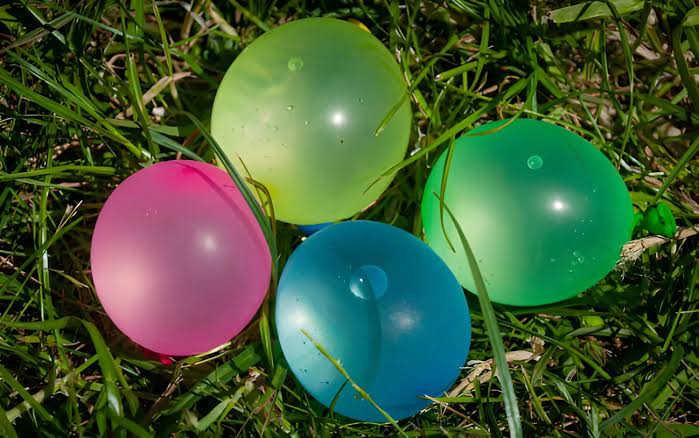
Balloons pop on grass mainly because grass blades, seed heads, and tiny twigs have sharp tips. These points concentrate force on one small spot of stretched rubber.
A balloon’s skin is already under tension from inflation. That tension means it takes very little extra pressure to tear the surface open.
Heat, friction, and over-inflation make things worse. Together, these factors explain almost every “random” pop you see at outdoor events.
Why Grass Blades Puncture Balloons So Easily
Grass may look soft and harmless from a distance. Up close, individual blades often end in narrow, stiff points.
When a balloon presses against one of these points, the force isn’t spread out. It’s concentrated on a tiny area, similar to how a needle punctures more easily than a blunt finger.
Dry grass is even sharper than fresh green grass. Dead or brittle blades snap into jagged edges that cut rather than bend.
Seed heads, small twigs, and hidden debris in the lawn add extra risk. A balloon doesn’t need to touch a whole patch of grass to pop; one sharp point is enough.
The Role of Air Pressure Inside a Balloon
An inflated balloon holds gas at higher pressure than the air around it. That pressure difference is what gives the balloon its round, firm shape.
The more air or helium you add, the thinner and tighter the balloon’s skin becomes. A fully inflated balloon has far less “give” than one filled to 80-90% capacity.
This is why over-inflated balloons pop so easily on grass. There’s simply no slack left in the material to absorb the poke from a blade.
Balloon Burst Pressure by Material
| Balloon Material | Approximate Burst Pressure | Puncture Risk on Grass |
|---|---|---|
| Latex | Around 0.07 psi | Very high |
| Foil / Mylar | Moderate, but less stretchy | Moderate |
| Vinyl | Up to 35 psi | Low |
Small balloons are also more delicate than large ones at the same pressure. Less surface area means less room to absorb sudden force.
How Heat and Sunlight Make It Worse

Gases expand when they’re heated. This basic rule of physics applies directly to the air or helium sealed inside a balloon.
When a balloon moves from a cool, shaded room into direct sunlight, the gas inside starts warming up almost immediately. That warming increases internal pressure within minutes.
A balloon that was perfectly safe indoors can become dangerously tight outdoors. At that point, even a light brush against grass can be enough to burst it.
Dark-colored balloons absorb more heat than lighter ones. This means black, navy, or deep red balloons often pop faster in direct sun than white or pastel balloons.
Friction: The Hidden Cause Nobody Talks About
Friction doesn’t get much attention, but it plays a real role. When a balloon rubs against grass, even gently, it creates small amounts of heat at the contact point.
A light breeze can cause a balloon to bob and shift against the lawn repeatedly. Over time, this repeated rubbing wears down the latex at that one spot.
Eventually, a tiny tear forms where none existed before. The balloon can pop minutes after it stopped moving, which makes the cause look mysterious.
Does Static Electricity Cause Balloons to Pop on Grass?
Static electricity is a popular myth, but it isn’t the main reason balloons pop on grass. Rubbing a balloon on hair or fabric can build static charge, sure.
However, static charge alone rarely generates enough force to rupture stretched rubber. Grass-related pops are almost always mechanical, from sharp points, or thermal, from heat and pressure.
Static may occasionally combine with other factors, but treating it as the primary cause is misleading. The physical puncture and pressure explanation fits the evidence far better.
Latex vs Foil vs Vinyl Balloons: Which Pops Faster?
Not every balloon reacts to grass the same way. Material choice changes the odds dramatically, and this matters for anyone planning an outdoor setup.
| Balloon Type | Stretch Level | Grass Puncture Risk | Best Use |
|---|---|---|---|
| Latex | High stretch, thin skin | Highest risk | Short indoor or shaded events |
| Foil/Mylar | Low stretch, holds shape | Moderate risk | Indoor and short outdoor use |
| Vinyl | Thick, durable | Lowest risk | Long outdoor events, arches |
Latex balloons are affordable and colorful but the least outdoor-friendly. Their thin, highly stretched walls simply can’t handle sharp grass for long.
Vinyl balloons cost more but hold up far better outside. They’re the standard choice for balloon arches and all-day outdoor decor.
Helium Balloons vs Air-Filled Balloons on Grass
Helium balloons float, which sounds convenient, but floating comes with a downside outdoors. Wind constantly pushes them around, increasing contact with the ground.
Air-filled balloons used in garlands or arches tend to stay fixed in place. Less movement means less repeated friction against grass and debris.
For anything touching the ground, like a balloon arch base, air-filled designs are generally the safer, longer-lasting option.
Does All Grass Cause Balloons to Pop?
Not every lawn is equally dangerous for balloons. Grass type, dryness, and hidden debris all change the risk level significantly.
| Grass Condition | Pop Risk | Why |
|---|---|---|
| Fresh, soft green grass | Lower | Blades bend rather than pierce |
| Dry or brittle grass | High | Sharp, brittle edges cut easily |
| Grass with seed heads/twigs | Very high | Hidden sharp points |
| Recently mowed grass | Moderate-high | Cut blade tips are sharper |
Even freshly mowed lawns can be risky. Mowing often leaves sharp, freshly cut blade tips that are more likely to puncture than untouched grass.
How to Stop Balloons From Popping on Grass
A few simple habits dramatically cut down on unwanted pops. None of these require expensive equipment or professional experience.
Inflate to 80-90% capacity. Leaving a little room lets the balloon’s skin handle heat expansion without reaching its breaking point.
Let balloons acclimatize. Set them in shade for 15-30 minutes before an event. This lets internal pressure adjust slowly instead of spiking in direct sun.
Use a barrier. A tablecloth, tarp, or mat between the balloon and the lawn removes the sharp-contact risk almost entirely.
Choose the right material. Vinyl or good-quality foil balloons handle outdoor conditions far better than cheap latex.
Seek shade. Keeping decorations out of direct sun reduces both heat expansion and UV weakening of the rubber.
Secure with weights. Anchoring balloons prevents them from blowing around and repeatedly scraping against the ground.
Common Mistakes That Make Balloons Pop Faster

Over-filling balloons “just to be safe” is one of the most common mistakes. Extra air removes the slack a balloon needs to survive small pokes.
Leaving decorations directly on bare lawn for hours is another frequent error. Prolonged ground contact means prolonged friction and puncture risk.
Using cheap, thin latex for long outdoor events also backfires quickly. Thinner walls simply can’t handle the same abuse as higher-quality balloons.
Myth vs Fact Table
| Myth | Fact |
|---|---|
| Grass makes air inside balloons expand | Heat causes expansion, not grass contact |
| Static electricity is the main cause | Sharp points and pressure are the real cause |
| All balloons pop the same way outdoors | Material and quality change outcomes significantly |
| Helium balloons are always safer outside | Helium balloons often drift into grass more |
The Physics of an Inflated Balloon Explained
Think of a balloon’s rubber as millions of tangled polymer chains. Inflating a balloon stretches these chains straight, creating tension across the whole surface.
The more you inflate, the thinner and more stretched this layer becomes. A thinner layer has far less material to resist a sharp poke.
This is also why a balloon pops with a loud bang instead of just deflating slowly. Stored tension releases instantly once the surface fails at one point.
Once one small tear starts, the surrounding tension rips it open in a fraction of a second. That’s the physical reason pops sound so sudden and dramatic.
Why Balloon Quality Matters More Than People Think
Not all latex balloons are made equally, even if they look similar in the package. Cheaper balloons often have thinner, less consistent walls throughout the material.
Thin spots in low-quality balloons act like weak links. Grass doesn’t need to be especially sharp to find and exploit one of these thin areas.
Higher-quality latex balloons are manufactured with more even thickness and better stretch resistance. This alone can add hours of outdoor durability.
Spending slightly more on premium latex, foil, or vinyl balloons often pays off. Fewer replacements and less mid-party cleanup make the extra cost worthwhile.
Balloon Arches and Garlands: Special Risks
Balloon arches and garlands face extra risk because parts of the structure often sag toward the ground. Even a well-built arch can dip low enough to brush grass.
Weight distribution matters a lot here. Poorly balanced garlands sway in the wind, increasing repeated contact with the lawn below.
Using a frame or stand keeps the whole structure elevated. This single change removes most of the direct grass contact that causes early popping.
Decorators often place a mat or runner along the base of an arch. It’s a small step that noticeably extends how long the display survives outdoors.
Indoor vs Outdoor Balloon Lifespan
Balloons behave very differently indoors compared to outside, and the lifespan gap can be huge. Indoor air stays cool and stable, with no wind and no sharp grass.
| Environment | Typical Lifespan (Latex) | Main Risk Factors |
|---|---|---|
| Indoor, air-conditioned | 1-2 days or longer | Minimal, mostly slow air loss |
| Outdoor, shaded | Several hours to 1 day | Heat, occasional wind |
| Outdoor, direct sun on grass | 1-3 hours or less | Heat expansion, sharp grass, friction |
This table shows why the same balloon can last a full day indoors but pop within an hour outside on a sunny lawn.
Understanding this gap helps with event planning. Setting up too early in direct sun almost guarantees replacements will be needed before guests arrive.
Seasonal Factors: Summer vs Winter Parties
Summer heat is the single biggest outdoor threat to balloons, especially on grass. High temperatures speed up gas expansion and weaken latex through UV exposure.
Winter parties face a different but smaller risk. Cold air can make latex slightly stiffer, though extreme cold isn’t nearly as common a party condition as summer heat.
Spring and fall sit somewhere in between, generally safer for outdoor balloon displays. Moderate temperatures mean less pressure buildup and less UV degradation.
Planning around the season, not just the location, helps decorators choose the right balloon material and setup time in advance.
Professional Decorator Tips for Longer-Lasting Displays
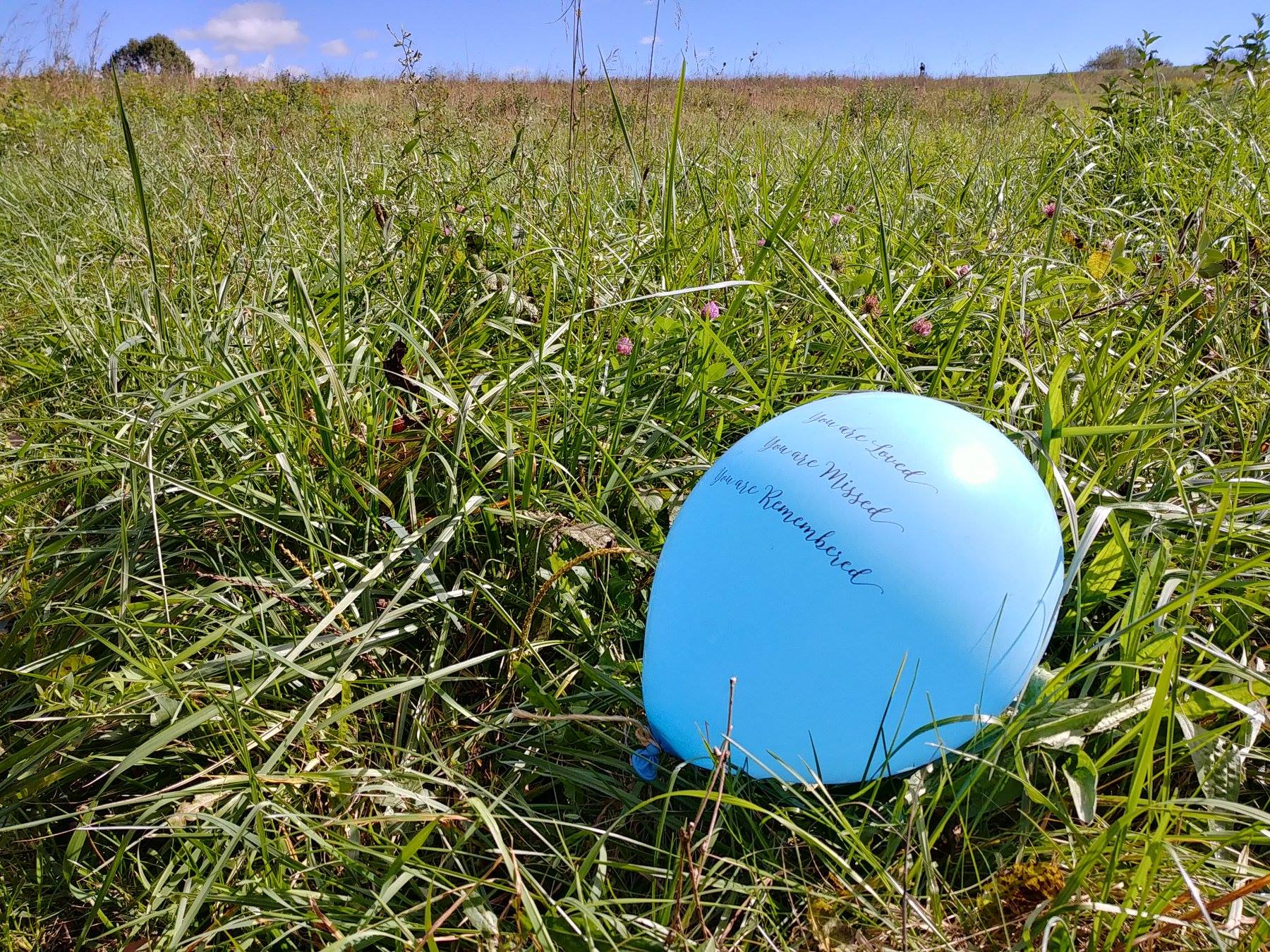
Professional balloon decorators rarely place decorations directly on bare grass, and that’s not an accident. Barriers, stands, and frames are standard practice in the industry.
Many professionals also avoid full inflation entirely for outdoor jobs. Leaving 10-20% extra room in each balloon reduces snapping and popping throughout the event.
Timing setup close to the event start is another common trick. Less total time in the sun means less cumulative heat and friction damage.
Keeping a small repair kit on hand, extra balloons, a pump, and clips, lets decorators fix issues quickly without disrupting the party atmosphere.
Eco Impact of Popped Balloons on Grass
Popped latex fragments left on a lawn aren’t just a mess; they can also affect local wildlife. Birds and small animals can mistake bright fragments for food.
Traditional latex can take a long time to naturally break down outdoors. Leaving fragments scattered across grass isn’t ideal for gardens or shared outdoor spaces.
Biodegradable latex balloons offer a greener alternative for outdoor events. They break down considerably faster than standard synthetic blends once discarded.
Cleaning up promptly after any event, especially one with several pops, helps keep lawns and surrounding areas safe for pets and local wildlife.
Best Balloon Choices for Different Outdoor Events
| Event Type | Recommended Balloon | Reason |
|---|---|---|
| Backyard birthday party | Vinyl or quality latex | Balance of cost and durability |
| Wedding on a lawn | Vinyl balloons | Long-lasting, holds shape all day |
| Quick photo backdrop | Latex is fine | Short exposure time reduces risk |
| All-day festival display | Vinyl | Handles heat and repeated ground contact |
Matching the balloon type to the event length and setting is one of the simplest ways to avoid disappointment later in the day.
Kids, Pets, and Balloon Safety on Grass
Kids often play with balloons directly on lawns without thinking about the risk. A sudden pop can startle a small child or pet more than it hurts them.
Popped balloon fragments left on grass can become a choking hazard for young children. Pets, especially dogs, sometimes chew on stray pieces they find in the yard.
Supervising outdoor balloon play and cleaning up fragments right away keeps both kids and pets safer. It only takes a minute but prevents a lot of worry.
Choosing thicker balloons for children’s outdoor play also reduces how often pops happen in the first place, which means fewer startled reactions overall.
Step-by-Step Checklist Before an Outdoor Balloon Setup
Step 1: Check the weather forecast for heat and wind before committing to an outdoor setup on grass.
Step 2: Inflate balloons to about 80-90% capacity rather than completely full.
Step 3: Let balloons rest in shade for 15-30 minutes to acclimatize to outdoor temperature.
Step 4: Lay down a tablecloth, tarp, or mat wherever balloons might touch the ground.
Step 5: Secure everything with weights so wind can’t drag balloons across the grass repeatedly.
Step 6: Do a final check right before guests arrive, replacing any balloons that already look strained.
Following this short checklist takes only a few extra minutes but noticeably reduces mid-event popping surprises.
Common Signs a Balloon Is About to Pop
Experienced decorators learn to spot warning signs before a balloon actually bursts. A balloon that feels rock-hard to the touch is usually over-inflated and close to its limit.
Visible shine or a slightly translucent patch on the surface often means that spot has stretched thinner than the rest. These weak points are the first to fail on contact with grass.
A balloon that has drifted low and keeps brushing against the lawn repeatedly is also at higher risk, even if it looks fine right now.
Catching these signs early lets you swap out a risky balloon before it pops on its own, saving a bit of cleanup and surprise later in the event.
Frequently Asked Questions (FAQs)
1. Why do balloons pop when they touch grass?
Sharp grass tips concentrate force on stretched latex. Combined with heat and pressure, this easily punctures the surface.
2. Do all balloons pop on grass?
No, not all balloons react the same way. Vinyl and quality foil balloons resist grass punctures far better than thin latex.
3. Does hot weather make balloons pop faster on grass?
Yes, heat expands the gas inside a balloon. This raises internal pressure and makes punctures far more likely.
4. Are helium balloons more likely to pop on grass than air-filled ones?
Often yes, since helium balloons float and drift into grass repeatedly. Air-filled balloons in garlands usually stay more stable.
5. Can static electricity really pop a balloon on grass?
Static charge alone rarely causes enough force to burst a balloon. Sharp grass points and pressure are the main real causes.
6. How can I stop my balloons from popping on grass?
Use a tablecloth or mat as a barrier. Also avoid over-inflating and keep balloons in shade before the event.
7. Is dry grass more dangerous for balloons than fresh grass?
Yes, dry and brittle grass has sharper, harsher edges. Fresh green grass tends to bend instead of puncturing balloons.
8. Do vinyl balloons pop on grass too?
Rarely, since vinyl is thick and can handle much higher pressure. They’re the preferred choice for long outdoor events.
9. Why did my balloon pop minutes after touching the grass, not immediately?
Friction and heat weaken the latex gradually at the contact point. A small tear can form and only fail a bit later.
10. Does over-inflating a balloon increase the risk of popping on grass?
Yes, over-inflation removes slack from the balloon’s skin. This makes even a light touch from grass enough to burst it.
Conclusion
So, why do balloons pop when they touch grass? It comes down to simple physics: sharp blade tips, stretched latex, rising heat, and constant friction working together against a surface that has very little room to give.
Latex balloons suffer the most, while foil and especially vinyl balloons hold up much better outdoors. Dry grass, over-inflation, and direct sunlight all raise the risk further, while shade, proper inflation levels, and a simple barrier like a tablecloth solve most of the problem.
Understanding this science isn’t just trivia, it’s genuinely useful for anyone planning a birthday party, wedding, or backyard celebration.
With the right balloon choice and a few small precautions, your outdoor decorations can look great and actually last the whole event without any surprise pops.
