

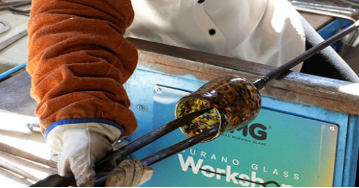
Imagine stepping into the world of OMG Murano Glass, where traditional craftsmanship and artistic creativity come together on the Venetian island of Murano. Here, visitors can discover the techniques behind one of Italy’s most distinctive artistic traditions, from watching skilled glassmakers transform molten glass to exploring hands-on experiences guided by experienced artisans. A Murano glass experience with OMG offers more than an introduction to the island’s glassmaking heritage: selected private workshops allow visitors to participate in the creative process and make their own glass object. Visits are by appointment only, and bookings must be made through the website.
Whether you are visiting Venice for a romantic getaway, a family holiday or an art-focused trip, an OMG Murano Glass workshop offers a memorable way to connect with local culture. Depending on the experience you choose, you can explore traditional glass modelling, try glassblowing under professional guidance or work alongside a glass master to develop your own artistic idea. Each activity provides a different perspective on how heat, colour, technique and imagination transform glass into a unique creation.
What Makes a Murano Glass Experience Special?
Murano has been associated with glassmaking for more than seven centuries. In 1291, Venetian authorities ordered the city’s glass furnaces to move to Murano, a decision commonly associated with fire prevention in Venice’s densely built centre. Over time, the island became renowned for its skilled artisans, distinctive decorative techniques and artistic glass creations.
Today, traditional glassmaking remains an important part of Murano’s identity. Workshops produce everything from drinking glasses and vases to jewellery, sculptures, chandeliers and contemporary decorative objects.
A Murano glass experience offers an opportunity to understand the work behind these creations. Rather than simply looking at finished pieces in a showroom, visitors can observe the production process, learn about the materials and, where practical activities are available, participate in selected stages of making an object.
The experience varies between studios. Some focus on demonstrations, while others offer hands-on sessions involving glass decoration, bead making or supervised introductory activities. If your goal is to make your own glass, check the workshop description carefully to understand exactly what participants can do.
Can You Really Make Your Own Glass in Murano?
Yes, some Murano workshops offer activities in which visitors can create or decorate a glass object under professional supervision. However, the level of participation depends on the studio, the technique and the safety arrangements.
Working directly with molten glass is a specialised activity that requires training, protective equipment and a controlled environment. Beginners may be invited to participate in a carefully supervised part of the process, but in many workshops the professional glassmaker performs the most technically demanding steps.
Other experiences provide a hands-on introduction through glass bead making or decorating prepared glass objects. These activities can still offer a rewarding creative experience without requiring participants to operate a furnace.
Before booking, ask three important questions:
- Will I make or decorate an object myself?
- Will I handle hot glass, or will the artisan demonstrate the process?
- Can I take my finished piece home, and if so, when will it be ready?
Understanding these details helps ensure that the experience matches your expectations.
What Happens During a Hands-On Murano Glass Workshop?
Although each workshop follows its own format, many experiences combine an introduction to traditional glassmaking with a practical activity.
- Discovering the Traditional Murano Furnace
The experience may begin with an explanation of the furnace and the tools used by glassmakers. A traditional glass furnace keeps glass at extremely high temperatures so that it remains workable.
Molten glass behaves differently from the solid material found in everyday objects. It can be stretched, blown, pressed and shaped, but its consistency changes as it cools. Artisans must therefore coordinate their movements carefully and know when to reheat the material.
Observing this process provides useful context for the hands-on activity that follows. It also reveals why glassmaking requires years of practice rather than simply following a set of instructions.
- Watching a Professional Glassblower
A glassblowing demonstration is often one of the highlights of a Murano glass experience.
The artisan gathers molten glass on the end of a hollow metal pipe and rotates it while shaping the material with specialised tools. By blowing air through the pipe, the glassblower creates a bubble that can gradually become a vase, bowl or other hollow object.
The process demands constant attention to temperature, movement and form. More complex pieces may require repeated reheating or the coordinated work of several artisans.
For visitors, watching a professional demonstrate these techniques makes the craftsmanship easier to appreciate. It also provides an opportunity to ask questions about the tools, materials and decisions involved in creating each piece.
- Trying a Beginner-Friendly Glassmaking Activity
Depending on the studio, participants may have the opportunity to try a simple glassmaking or decorative technique.
One possibility is glass bead making. In traditional lampworking, a glass rod is heated with a specialised torch until it becomes workable. The softened glass is wound around a metal mandrel and shaped into a bead, sometimes with additional colours or patterns.
Another option is decorating a prepared glass object using suitable materials. This allows participants to experiment with colour and design without directly handling molten glass.
Some studios may offer supervised participation in a glassblowing process. Availability and the precise activity depend on the provider, so confirm the details in advance.
The aim of a beginner session is not necessarily to produce a professionally finished artwork. Instead, it is to experience the basic principles of the craft and gain a better understanding of the skills involved.
- Adding Colour and Personal Details
Colour is an important element of Murano glassmaking. Artisans use different materials and techniques to create transparent, opaque, layered and patterned effects.
Depending on the activity, you may be able to choose colours, arrange decorative elements or personalise an object through simple design decisions.
Traditional techniques such as murrine, which incorporates patterned sections of coloured glass canes, and filigrana, which uses fine glass threads, demonstrate the creative possibilities of the craft. These methods may be explained during a workshop even when they are too advanced for beginners to perform independently.
- Taking Home a Handmade Keepsake
Many hands-on experiences include a finished object that participants can keep. It may be a glass bead, a decorated item or another piece created during the session.
However, freshly worked glass often needs controlled cooling and additional processing before it is safe to handle. This means you may not always be able to take your creation home immediately.
Ask whether the finished piece is included in the price, when it will be ready and whether collection or shipping is available if you are leaving Venice soon.
A handmade keepsake can make the experience particularly memorable because it represents both the activity itself and the time spent exploring Murano’s artistic heritage.
How to Choose the Right Murano Glass Experience
With different activities available, selecting the right workshop depends on your interests, schedule and comfort level.
For first-time visitors: Choose an introductory experience that combines a clear explanation of glassmaking with a short practical activity.
For art enthusiasts: Look for a workshop that explores traditional techniques, colour, design and the history of Murano glass.
For couples: A private or small-group class may provide a more personal setting, depending on availability.
For families: Check age restrictions and consider workshops offering child-friendly decorative activities. Activities involving furnaces or torches require strict safety controls.
For travellers with limited time: Confirm the total duration, including demonstrations, practical work and any time required to collect your finished object.
Always check whether the advertised experience is genuinely hands-on. A factory tour can be fascinating, but it is different from a class in which you create or decorate something yourself.
Practical Tips Before Booking
A little preparation can help you enjoy your glassmaking session.
- Reserve in advance: Some workshops have limited spaces or operate at fixed times.
- Arrive on time: Safety instructions and introductions may take place before the activity starts.
- Follow the instructor’s guidance: Glassmaking involves high temperatures and specialised tools, so remain within designated areas.
- Check clothing requirements: Follow any instructions about footwear, sleeves and protective equipment.
- Ask about language options: Confirm that the instructor can explain the process in a language you understand.
- Review what is included: Check whether materials, equipment and a finished object are covered by the booking price.
Murano is accessible from Venice by waterbus, known as the vaporetto. Check current routes and timetables before travelling, and allow enough time to reach the workshop.
Is a Murano Glass Experience Worth It?
For travellers interested in art, craftsmanship and Italian culture, a hands-on glassmaking session can offer something different from conventional sightseeing.
The experience combines observation and creativity. You can see how professional artisans manipulate a challenging material, learn about techniques developed over generations and, where offered, participate in a practical activity of your own.
It can also help you appreciate why handmade Murano glass varies in appearance and value. The final result reflects the materials, design, production method and skill required to create it.
The most suitable experience depends on your expectations. If you want to learn through participation, choose a workshop that clearly describes its practical activities rather than booking a demonstration alone.
Frequently Asked Questions
Do I need previous experience to make glass in Murano?
No. Many introductory workshops are designed for beginners. The instructor will explain the activity and the relevant safety procedures, although the amount of direct participation varies by studio.
Can beginners try glassblowing?
Some providers offer supervised introductory opportunities, but many demonstrations are performed entirely by professional glassmakers. Confirm whether the booking includes hands-on glassblowing before reserving.
How long does a Murano glass workshop last?
The duration varies from short introductory sessions to longer classes. Check whether the advertised time includes the demonstration, practical activity and finishing or collection arrangements.
Can children participate in a glassmaking class?
Some workshops welcome children, but minimum ages and supervision requirements vary. Activities involving molten glass or torches may have stricter restrictions than decorative classes.
Can I take my handmade glass object home?
Often, yes, but some objects require controlled cooling or additional processing. Ask about collection times and shipping options before booking.
Discover the Art of Murano Glassmaking
A Murano glass experience offers a closer connection to one of Venice’s most distinctive traditions. Whether you watch an expert glassblower, try a beginner-friendly activity or create a personalised keepsake, you gain a greater appreciation of the skill and creativity behind this historic craft.
For the most rewarding visit, choose a workshop that clearly explains what you will see and do, check the level of hands-on participation and plan enough time to enjoy the experience without rushing.
MuranoGlassWorkshop.com helps travellers explore Murano glass workshops and discover opportunities to learn about traditional glassmaking in Venice. With the right class, a visit to Murano can become more than a sightseeing stop: it can be an opportunity to engage with an enduring artistic tradition and create a personal memory of your time in Italy.
