

Why Does My Dog Keep Coughing and Gagging? Hearing your dog cough and then gag, almost like something’s stuck in their throat, is one of those sounds that makes any pet owner sit up and pay attention.
Most of the time it’s something manageable, like mild irritation or a common respiratory bug, but a few causes genuinely need urgent care.
Why Does My Dog Keep Coughing and Gagging
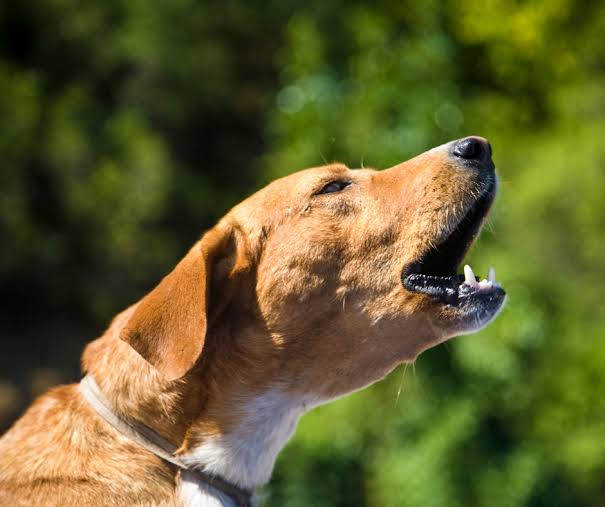
Dog coughing and gagging together is most often caused by kennel cough, throat irritation, or a mild upper respiratory infection.
Get emergency care right away if your dog is struggling to breathe, has blue or pale gums, or seems to have something stuck in their throat.
Coughing vs. Gagging: What’s the Difference?
Coughing is a sudden, forceful expulsion of air meant to clear the airway of irritants, mucus, or foreign material.
Gagging looks like retching, with the mouth opening wide and a heaving motion, but unlike vomiting, little or nothing actually comes up besides a bit of mucus.
Why the Order Matters
If your dog coughs first and then gags, it often points to a lower respiratory or even a heart-related issue.
If gagging happens first and coughing follows, it’s more likely tied to the throat or larynx, such as irritation or a partial obstruction.
Common Causes of Coughing and Gagging in Dogs
Kennel Cough
Kennel cough is a highly contagious respiratory infection common in dogs that spend time around other dogs, like boarding facilities or dog parks.
It typically causes a harsh, honking cough, often followed by gagging or a small amount of mucus coming up.
Throat Irritation or Foreign Object
A blade of grass, small toy piece, or bit of food can get lodged in the throat and trigger sudden, repeated coughing and gagging.
This usually comes on abruptly and may include pawing at the mouth or visible distress.
Collapsing Trachea
Small breed dogs, like Chihuahuas and Yorkies, are prone to a weakening of the cartilage rings that support the windpipe.
This often produces a distinctive honking cough along with gagging, especially during excitement, exercise, or pulling on a leash.
Laryngeal Paralysis
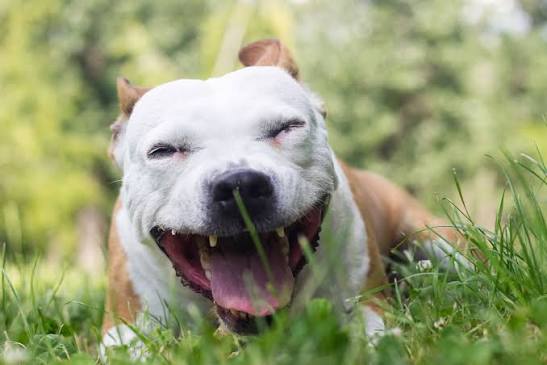
This condition, more common in older and larger dogs, involves weakened nerves that control the larynx muscles.
Affected dogs often gag first, then cough, and may also have noisy or labored breathing.
Allergies
Environmental allergens like pollen, dust, mold, and certain foods can trigger coughing, gagging, sneezing, and itchy skin in dogs.
Symptoms that flare up seasonally or after specific exposures often point toward an allergic cause.
Sinus or Nasal Infections
Rhinitis and sinusitis cause mucus to drip down the back of the throat, which can trigger gagging and coughing as the body tries to clear it.
This is often accompanied by nasal discharge, sneezing, or noisy breathing.
Heart Disease
In some dogs, especially older or certain predisposed breeds, an enlarged heart can press against the airway and trigger a chronic cough.
This type of cough tends to be persistent, sometimes worse at night or after lying down, and may come with fatigue or reduced stamina.
Pneumonia
Pneumonia involves inflammation and fluid buildup in the lungs, which can make breathing difficult and trigger both coughing and gagging.
This is a more serious cause and often comes with lethargy, fever, or reduced appetite.
Megaesophagus
This condition involves an enlarged esophagus that struggles to move food and liquid properly, leading to regurgitation, gagging, and coughing.
Dogs with megaesophagus may also have trouble gaining weight or show signs of aspiration pneumonia over time.
Bloat (GDV)
Gastric dilatation-volvulus, commonly called bloat, happens when the stomach fills with gas and twists, and it’s a true emergency.
Affected dogs often make repeated, unproductive attempts to vomit or gag, along with a visibly swollen abdomen and distress.
Comparing the Most Common Causes
| Cause | Typical Sound | Other Signs | Urgency Level |
|---|---|---|---|
| Kennel Cough | Harsh, honking cough | Mild lethargy, recent exposure to other dogs | Low to moderate |
| Collapsing Trachea | Goose-like honk | Worse with excitement or leash pulling | Moderate |
| Foreign Object | Sudden, repeated gagging | Pawing at mouth, distress | High |
| Laryngeal Paralysis | Gag then cough | Noisy breathing, heat intolerance | Moderate to high |
| Heart Disease | Persistent, worse at night | Fatigue, reduced exercise tolerance | Moderate to high |
| Pneumonia | Wet, phlegmy cough | Lethargy, fever, poor appetite | High |
| Bloat (GDV) | Unproductive retching | Swollen belly, restlessness | Emergency |
When to See a Veterinarian
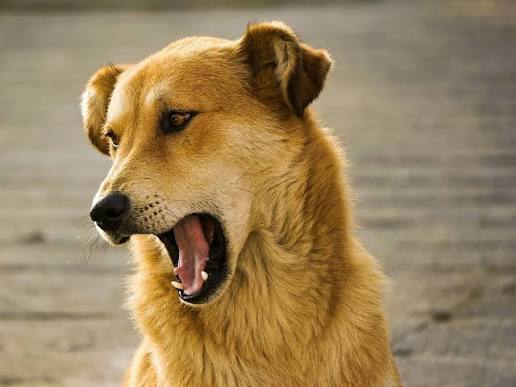
Schedule a vet visit if coughing or gagging lasts more than 24 to 48 hours, or comes with reduced appetite, lethargy, or diarrhea.
Seek emergency care immediately if your dog shows labored breathing, blue or pale gums, collapse, or a visibly swollen abdomen.
Persistent, worsening symptoms, or any sign that your dog may have something lodged in their throat, warrant prompt professional evaluation rather than a wait-and-see approach.
How Vets Diagnose the Cause
A vet typically starts with a full physical exam, listening to the heart and lungs and checking the throat for visible signs of irritation or obstruction.
Depending on findings, they may recommend blood work, chest X-rays, or in some cases sedation to closely examine the larynx and throat.
Treatment Options by Cause
| Cause | Common Treatment | Notes |
|---|---|---|
| Kennel Cough | Rest, supportive care, sometimes antibiotics | Usually resolves within 1-3 weeks |
| Foreign Object | Removal by a vet, sometimes sedation required | Don’t attempt removal yourself if deep in the throat |
| Collapsing Trachea | Weight management, cough suppressants, harness use | Surgery in severe cases |
| Allergies | Antihistamines, dietary changes, allergen avoidance | Vet-guided allergy testing helps pinpoint triggers |
| Heart Disease | Cardiac medications, dietary management | Requires ongoing veterinary monitoring |
| Pneumonia | Antibiotics, oxygen support if severe | May require hospitalization |
| Bloat (GDV) | Emergency surgery | Time-sensitive, life-threatening |
What to Do at Home While You Wait for Your Vet Visit
- Keep your dog calm and avoid strenuous activity.
- Switch from a collar to a harness to reduce pressure on the throat.
- Remove potential irritants like smoke, air fresheners, or strong cleaning products.
- Monitor breathing rate and gum color for any signs of worsening.
- Offer water in small amounts if your dog is willing to drink.
Mistakes to Avoid
- Don’t ignore a cough that lasts more than a couple of days, since it may point to something more than simple irritation.
- Don’t try to reach deep into your dog’s throat to remove an object yourself, as this can push it further in.
- Don’t assume gagging without vomiting means nothing is wrong.
Prevention Tips
- Keep vaccinations current, especially for kennel cough if your dog socializes often.
- Use a harness instead of a collar for small or trachea-prone breeds.
- Avoid exposing your dog to smoke, strong chemicals, or known allergens.
- Keep small objects and chew toys appropriately sized to reduce choking risk.
- Maintain a healthy weight, since excess weight can worsen tracheal and heart-related coughing.

Frequently Asked Questions (FAQs)
Why does my dog cough and then gag right after?
This pattern often points to a lower respiratory or heart-related cause, since the cough triggers mucus that stimulates the gag reflex afterward.
Why does my dog gag first and then cough?
Gagging before coughing is more often linked to throat or larynx issues, such as irritation, inflammation, or a partial obstruction.
Is kennel cough dangerous for my dog?
Most cases are mild and resolve within one to three weeks, though it can progress to pneumonia in rare cases, especially in puppies or older dogs.
Can allergies really cause my dog to gag?
Yes, allergens can irritate the throat and airway, triggering both coughing and gagging alongside other symptoms like sneezing or itchy skin.
Should I worry if my dog only coughs occasionally?
Occasional, brief coughing is often not urgent, but persistent or worsening episodes should be evaluated by a vet.
What does a collapsing trachea sound like in dogs?
It typically produces a distinctive honking, goose-like cough, especially during excitement, exercise, or when pulling against a leash.
Can stress cause a dog to cough and gag?
Stress alone rarely causes coughing and gagging, though anxious behaviors like excessive panting can sometimes trigger throat irritation.
Is coughing and gagging normal after drinking water too fast?
Yes, occasional gagging after gulping water or eating too quickly can happen and usually isn’t a cause for concern if it’s brief and doesn’t recur.
How can I tell if something is stuck in my dog’s throat?
Sudden, repeated gagging, pawing at the mouth, and visible distress are common signs, and this situation calls for prompt veterinary attention.
Can heart disease cause coughing without any other symptoms?
It’s possible in early stages, but heart-related coughing is often accompanied by fatigue or reduced exercise tolerance as it progresses.
Why does my senior dog cough and gag more than before?
Older dogs are more prone to conditions like laryngeal paralysis, heart disease, and collapsing trachea, all of which can increase coughing and gagging.
Can small breed dogs be more prone to this issue?
Yes, small breeds are particularly prone to collapsing trachea, which frequently causes a combination of honking cough and gagging.
Is it an emergency if my dog’s gums turn blue while coughing?
Yes, blue or pale gums indicate a lack of oxygen and require immediate emergency veterinary care.
Can a dog cough and gag from anxiety or excitement?
Excitement can sometimes trigger episodes in dogs with an existing sensitive airway, like those with collapsing trachea, though anxiety alone isn’t a typical direct cause.
What tests will the vet run for chronic coughing and gagging?
Common diagnostics include a physical exam, blood work, and chest X-rays, with additional tests like laryngeal exams if needed.
Can diet affect coughing and gagging in dogs?
Indirectly, yes. Food allergies can contribute to throat irritation, and maintaining a healthy weight helps reduce strain on the airway and heart.
Should I take my dog to the vet immediately for gagging without coughing?
If it’s an isolated, brief episode without other symptoms, monitoring is often fine, but recurring or worsening gagging warrants a vet visit.
Can bloat cause coughing as well as gagging?
Bloat is more associated with unproductive retching and gagging rather than a true cough, but any suspected bloat needs emergency care regardless.
Is it safe to give my dog cough medicine at home?
No, over-the-counter cough medications aren’t safe for dogs without veterinary guidance, since dosing and ingredients differ from human formulas.
How long should I wait before calling the vet about coughing and gagging?
If symptoms persist beyond 24 to 48 hours, or worsen at any point, it’s time to contact your veterinarian rather than waiting further.
Conclusion
Coughing and gagging together in dogs cover a wide range of causes, from mild kennel cough to more serious issues like heart disease or bloat.
Paying attention to the pattern, whether coughing or gagging comes first, along with any accompanying symptoms, helps narrow down what’s likely going on.
When in doubt, especially with labored breathing, blue gums, or a swollen abdomen, don’t wait it out. Prompt veterinary care makes the biggest difference in serious cases.
