

Why do my teeth hurt at night is a question most people only ask after lying awake, staring at the ceiling, wishing the throbbing would just stop.
Tooth pain that flares up specifically at bedtime almost always has a physical explanation rooted in blood flow, posture, and reduced distraction, not bad luck.
Why Do My Teeth Hurt at Night?
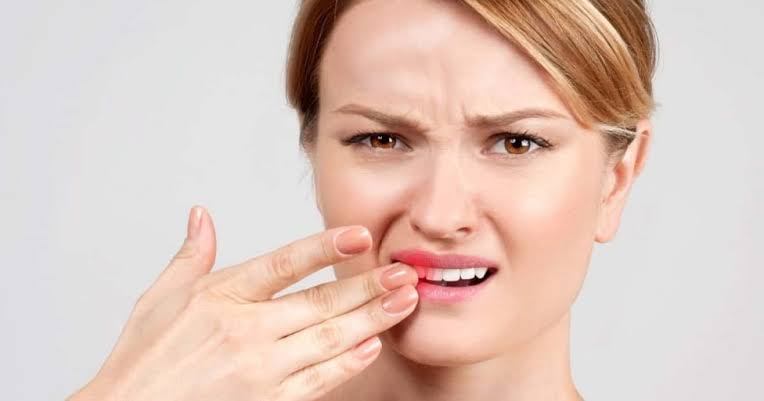
Increased Blood Flow to the Head
When you lie flat, more blood flows toward your head compared to when you are upright. That extra circulation raises pressure inside a tooth that is already inflamed or infected.
Because a tooth’s nerve sits inside a rigid, enclosed space, even a small increase in pressure has nowhere to go. The result is pain that feels sharper the moment you settle into bed.
Fewer Distractions at Night
During the day, work, conversation, and general activity pull attention away from mild discomfort. At night, in a quiet room with nothing else to focus on, the same level of pain becomes much harder to ignore.
This does not mean the pain is imaginary. It means your brain simply has fewer competing signals to process once the distractions of the day fall away.
Dropping Cortisol Levels
Cortisol is a natural hormone that helps control inflammation throughout the body. Levels typically drop in the evening and overnight, which can make inflamed tissue around a tooth feel more irritated than it did earlier in the day.
This is also part of why over-the-counter pain relievers sometimes feel less effective at bedtime, since the body’s own anti-inflammatory support is naturally lower at that hour.
Reduced Swallowing and Saliva Flow
Swallowing frequency drops significantly during sleep, and saliva production slows along with it. Saliva plays a protective role by washing away bacteria and buffering acids that irritate sensitive teeth.
With less of that natural rinsing action happening overnight, any bacteria already present near a cavity or exposed root has more time to cause irritation before morning.
Common Dental Causes of Nighttime Tooth Pain
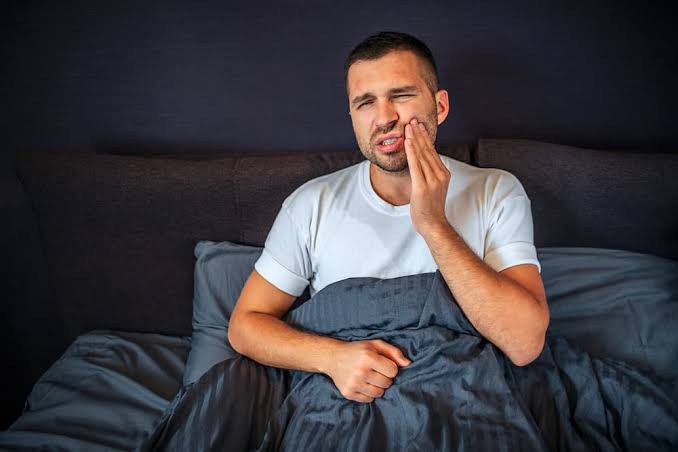
Tooth Decay and Cavities
A cavity exposes the sensitive inner layers of a tooth to temperature changes, pressure, and bacteria. As decay progresses closer to the nerve, pain tends to become more noticeable and more constant.
Nighttime dryness in the mouth can make this worse, since saliva flow naturally slows during sleep and offers less of a protective buffer.
Gum Disease and Inflammation
Inflamed or infected gum tissue can throb in much the same way an inflamed tooth does, especially once blood flow increases from lying down. Gum disease often causes tenderness that is easy to overlook during a busy day.
Bleeding, swelling, or a persistent bad taste alongside the pain are common signs that gum tissue, not just the tooth itself, is involved.
Tooth Abscess or Infection
A dental abscess is a pocket of infection near the tooth’s root, and it is one of the more serious causes of nighttime pain. Pressure from the trapped infection intensifies when lying down, which is why abscess pain is notorious for disrupting sleep.
Facial swelling, fever, or a foul taste in the mouth alongside the pain are signs the infection may be spreading and need prompt attention.
Wisdom Tooth Issues
An emerging or impacted wisdom tooth can cause pressure and pain that becomes more noticeable once you lie down and the surrounding jaw muscles relax. This is especially common in teenagers and young adults whose wisdom teeth are still coming in.
Swelling at the back of the jaw, difficulty fully opening the mouth, or pain that radiates toward the ear can all point toward a wisdom tooth as the source.
Old or Failing Dental Work
Fillings, crowns, and old root canal treatments do not last forever, and a breakdown in any of them can expose sensitive tooth structure underneath. Pain from failing dental work often starts subtly and grows more noticeable at night.
A filling that has cracked or a crown that has loosened can trap bacteria against the tooth, leading to the same kind of pressure-related pain seen with an untreated cavity.
Teeth Grinding and Jaw Clenching
Bruxism, the medical term for grinding or clenching teeth during sleep, places significant pressure on teeth and jaw joints throughout the night. Many people are completely unaware they do this until a dentist or partner points it out.
Waking up with a sore jaw, tension headache, or worn-down tooth surfaces are classic signs that grinding is contributing to nighttime discomfort.
Sinus Pressure
The roots of the upper back teeth sit close to the sinus cavities, so sinus congestion can create pain that feels exactly like a toothache. Lying down tends to increase sinus pressure, which explains why this type of pain often worsens at night.
If the discomfort affects several upper teeth at once, rather than a single tooth, sinus involvement is worth considering alongside dental causes.
Cracked Tooth or Exposed Root
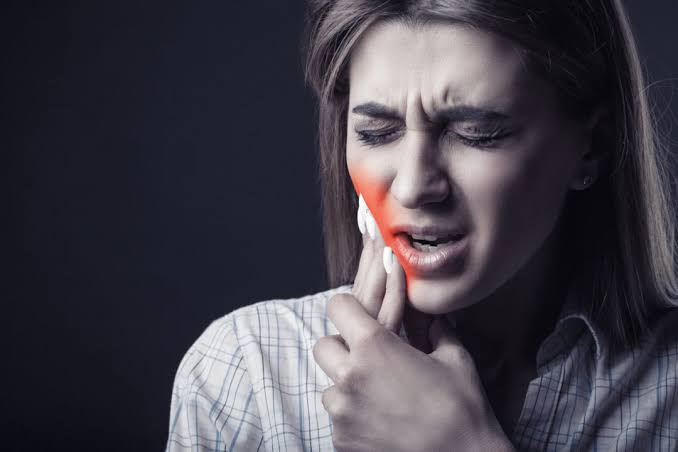
A small crack or an exposed root can be almost painless during the day but flare up sharply when temperature or pressure changes at night. Cold air, hot beverages before bed, or even the pressure of a pillow against the jaw can trigger this kind of pain.
Sharp, brief pain when biting down is one of the more common signs of a cracked tooth, and it typically needs a dentist to diagnose properly.
Sensitive Teeth from Worn Enamel
Enamel naturally wears thin over years of brushing, acidic foods, and general use, exposing the softer dentin layer underneath. Dentin is far more reactive to temperature and pressure than intact enamel.
Because nighttime habits like grinding or cold air exposure can aggravate this sensitivity, worn enamel often shows up as discomfort that seems to appear out of nowhere after dark.
Everyday Habits That Can Make It Worse
Late-Night Snacking
Eating sugary or acidic snacks close to bedtime, especially without brushing afterward, leaves residue on teeth for hours while you sleep. This gives bacteria extra time to irritate any already-sensitive areas.
Rinsing with water or brushing gently after a late snack reduces this risk without requiring a full oral care routine at midnight.
Sleeping Position
Sleeping on the side that corresponds to the painful tooth can add direct pressure from the pillow, compounding the increased blood flow that already happens when lying flat. Switching sides, at least temporarily, can offer some relief.
Keeping the head slightly elevated with an extra pillow reduces blood flow to the area and is one of the simplest adjustments to try tonight.
Dry Mouth During Sleep
Saliva naturally decreases during sleep, and mouth breathing can dry things out even further. A drier mouth offers less natural protection against the bacteria that irritate compromised teeth.
Staying hydrated earlier in the evening and addressing chronic mouth breathing, such as with a doctor’s guidance, can reduce this effect over time.
Stress and Anxiety
High stress levels are strongly linked to increased teeth grinding and jaw clenching during sleep, even in people who do not grind their teeth while awake. The physical tension from stress can carry directly into the jaw muscles overnight.
Simple evening wind-down habits, such as reducing screen time or light stretching, may help reduce clenching in people whose nighttime tooth pain is stress-related.
Expert Tips for Managing Nighttime Tooth Pain
Track the Pattern Before Your Appointment
Keeping a brief note of when the pain starts, how long it lasts, and what seems to trigger it gives a dentist valuable clues before you even sit in the chair. Patterns tied to specific foods, temperatures, or sleep positions often point toward a specific diagnosis faster.
This kind of tracking is especially useful for intermittent pain that comes and goes, since it can be hard to describe accurately from memory alone.
Bring Up Any Recent Dental Work
If the painful tooth had a filling, crown, or root canal within the past year, mention this to your dentist right away. Recent dental work is a common source of pain that can otherwise be mistaken for a brand-new problem.
Do Not Rely on Pain Medication Long Term
Over-the-counter pain relievers are meant for short-term relief, not ongoing management of a dental problem. Relying on them night after night can mask a worsening infection while the underlying issue continues to progress.
If you find yourself needing medication every night just to fall asleep, that pattern alone is a strong reason to schedule a dental visit soon.
Quick Relief Methods for Tonight
Home remedies can ease discomfort temporarily, but they do not treat the underlying cause of the pain.
| Method | How It Helps | Notes |
|---|---|---|
| Elevate your head with an extra pillow | Reduces blood flow and pressure to the area | Simple and immediate |
| Rinse with warm salt water | Reduces bacteria and mild inflammation | Use roughly a teaspoon of salt in a cup of warm water |
| Apply a cold compress to the cheek | Numbs the area and reduces swelling | Apply for 15 to 20 minutes at a time |
| Take over-the-counter pain medication as directed | Reduces pain and inflammation | Follow dosage instructions carefully |
| Avoid hot, cold, or sugary foods before bed | Prevents triggering sensitive areas | Especially important with exposed dentin |
| Use a night guard if you grind your teeth | Reduces pressure from clenching | Best fitted by a dentist for accuracy |
Best Practices vs Mistakes to Avoid
| Best Practice | Common Mistake |
|---|---|
| Rinsing gently with warm salt water | Applying aspirin directly to the gum, which can burn tissue |
| Using a soft-bristled toothbrush near the sore area | Brushing aggressively, which worsens irritation |
| Elevating your head while sleeping | Sleeping flat on the painful side |
| Scheduling a dentist visit for persistent pain | Repeatedly masking pain with medication and ignoring it |
| Tracking when and how the pain occurs | Assuming nighttime pain will resolve on its own |
When Nighttime Tooth Pain Is a Dental Emergency
Signs You Should See a Dentist Soon
Pain that lasts more than a day or two, worsens over time, or keeps you from sleeping is a clear signal that home care is not enough. Sensitivity that lingers well after eating something hot or cold also points to a deeper issue than surface irritation.
Visible swelling, a bad taste that will not go away, or a tooth that feels loose are additional reasons to schedule an appointment rather than wait it out.
Signs That Require Emergency Care
Facial swelling paired with a fever, difficulty swallowing, or trouble breathing are signs an infection may be spreading beyond the tooth itself. These symptoms should never be managed with home remedies alone.
Severe pain that does not respond to over-the-counter medication, along with rapidly increasing swelling, warrants an urgent care or emergency room visit if a dentist is not immediately available.
Real-World Example
A common scenario involves someone with a small, painless cavity that goes unnoticed for months until it finally reaches the nerve. Pain may first show up only at night, triggered by lying down, before eventually becoming constant throughout the day as well.
By the time nighttime pain becomes noticeable enough to search for answers, the underlying decay has often already progressed close to the nerve, which is why dentists generally recommend addressing even mild, occasional tooth pain sooner rather than later.
Preventing Nighttime Tooth Pain Long Term
Routine Dental Checkups
Regular checkups every six months allow a dentist to catch decay, cracks, or gum disease long before they become painful enough to disrupt sleep. X-rays in particular can reveal problems that are invisible during a simple visual exam.
Catching a small cavity early is far less invasive, and far less expensive, than waiting until it requires a root canal or extraction.
Consistent Oral Hygiene Habits
Brushing twice daily with fluoride toothpaste and flossing once a day removes the plaque and food particles that contribute to decay and gum inflammation. Consistency matters more than intensity, since aggressive brushing can actually wear down enamel over time.
Replacing a toothbrush every three to four months, or sooner if the bristles fray, keeps cleaning effective and reduces the buildup that leads to future pain.
Managing Bruxism Proactively
If grinding is already a known issue, a custom night guard from a dentist offers far better protection than an over-the-counter version, since it fits the exact shape of your teeth. Many people also benefit from addressing underlying stress or sleep issues that contribute to clenching.
Reporting jaw soreness or headaches to a dentist early, even before tooth pain develops, allows treatment to start before grinding causes lasting damage to enamel.
Diet and Nighttime Snacking
Limiting sugary and acidic foods, especially in the hours before bed, reduces the amount of time bacteria have to act on teeth overnight. Rinsing with water after any late snack is a simple habit that makes a meaningful difference.
Choosing water over sugary drinks before bed also supports saliva production, which helps naturally protect teeth throughout the night.
Addressing Sinus and Allergy Triggers
For people whose tooth pain traces back to sinus pressure, managing allergies or chronic congestion can reduce how often that pain flares at night. A saline rinse or an appropriate allergy medication, used as directed, may ease pressure on the upper tooth roots.
If sinus-related tooth pain is frequent, it is worth mentioning to both a dentist and a doctor, since treating the sinus issue directly often resolves the dental symptom as well.
Staying Consistent With Nighttime Routines
A predictable pre-bed routine, brushing, flossing, and a final water rinse, gives teeth their best chance of starting the night as clean as possible. Skipping this step even occasionally can allow plaque and bacteria to sit undisturbed for a full eight hours.
Small, repeatable habits like this tend to matter more for long-term prevention than any single home remedy used during an active flare-up.
Key Takeaways
- Lying down increases blood flow and pressure around an already inflamed or infected tooth, which is the main reason pain feels worse at night.
- Fewer daytime distractions and naturally lower cortisol levels overnight both make existing pain more noticeable.
- Common causes include cavities, gum disease, abscesses, teeth grinding, sinus pressure, and cracked teeth.
- Elevating your head, rinsing with salt water, and avoiding trigger foods before bed can ease pain temporarily.
- Fever, facial swelling, or trouble breathing alongside tooth pain are emergency warning signs that need immediate care.
- Persistent or worsening nighttime tooth pain should always be evaluated by a dentist, since home remedies do not treat the underlying cause.
Frequently Asked Questions (FAQs)
Why does my tooth only hurt at night and not during the day?
Lying down increases blood flow and pressure around the tooth, and fewer daytime distractions make you notice pain more easily at night.
Can teeth grinding cause tooth pain that gets worse overnight?
Yes, grinding puts continuous pressure on teeth and jaw joints throughout the night, often causing soreness that peaks by morning.
Is it normal for tooth pain to keep me awake?
No, pain severe enough to interrupt sleep usually signals an issue like decay, infection, or a crack that needs professional evaluation.
Does sleeping position affect tooth pain?
Yes, sleeping on the side of the painful tooth adds pressure, while keeping your head elevated can reduce blood flow and discomfort.
Can sinus problems cause tooth pain at night?
Yes, congestion increases pressure near the roots of the upper back teeth, which can mimic or worsen a toothache, especially when lying down.
What home remedies help with nighttime tooth pain?
Warm salt water rinses, a cold compress, head elevation, and over-the-counter pain medication can offer temporary relief until you see a dentist.
When is nighttime tooth pain a dental emergency?
Facial swelling, fever, or trouble breathing or swallowing alongside tooth pain are emergency signs that need immediate medical attention.
Can a cavity cause pain only at night?
Yes, cavities can be more noticeable at night due to reduced saliva flow and increased blood pressure around the affected tooth.
Should I see a dentist if the pain goes away by morning?
Yes, recurring pain that fades during the day but returns at night still points to an underlying problem that needs to be diagnosed.
Can over-the-counter pain relievers stop working at night?
They can feel less effective at bedtime because natural cortisol levels drop, reducing the body’s own anti-inflammatory support during sleep.
Conclusion
So, why do my teeth hurt at night? Tooth pain feels worse at night mainly because lying down increases blood flow and pressure around an already irritated tooth, while a quieter environment and naturally lower nighttime cortisol make that same pain harder to tune out.
Causes range from relatively simple issues like a cavity or late-night snacking to more serious problems such as an abscess, cracked tooth, or teeth grinding.
Simple steps like elevating your head, rinsing with warm salt water, and avoiding trigger foods before bed can offer short-term relief. None of these steps address the underlying cause, so persistent or worsening pain always deserves a proper dental evaluation.
If pain arrives alongside fever, facial swelling, or difficulty breathing or swallowing, treat it as an emergency and seek care right away rather than waiting for morning.
