

Why does my tooth hurt when I eat sweets? This question crosses almost everyone’s mind at some point, usually right after a bite of chocolate or a sip of a sugary drink.
That sudden sting is not random. It is your tooth sending a clear signal that something underneath the surface needs attention.
In most cases, the pain comes from worn enamel, a hidden cavity, or gum recession that exposes the sensitive layer of the tooth.
Quick Snapshot: Sweet Tooth Pain at a Glance
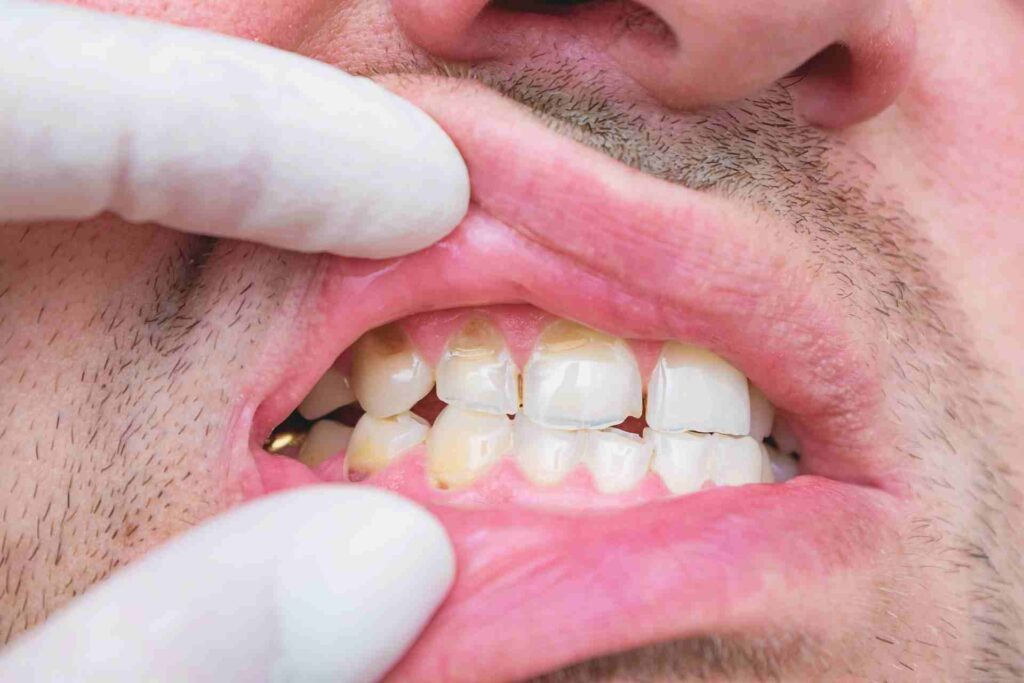
Tooth pain triggered by sugar almost always points to one of a few dental issues. Some are minor and reversible with better habits.
Others need a dentist’s help right away. The table below gives you a fast overview before we go deeper.
| Possible Cause | How It Feels | Urgency Level |
|---|---|---|
| Enamel erosion | Mild to sharp zing | Low to Medium |
| Tooth decay (cavity) | Sharp, localized pain | High |
| Gum recession | Sensitivity at the gumline | Medium |
| Cracked tooth | Sudden, sharp pain | High |
| Worn or leaking filling | Dull ache near old filling | Medium |
| Gum disease | Throbbing, swollen gums | High |
| Teeth whitening aftereffect | Temporary tingling | Low |
What Happens Inside Your Tooth When Sugar Touches It
Your tooth has three main layers. The outer layer is enamel, the hardest substance in the human body.
Beneath the enamel sits dentin, a softer layer filled with microscopic tubules. These tubules connect directly to the nerve center of the tooth, called the pulp.
When enamel is intact, sugar cannot reach the dentin. But once enamel wears thin or cracks, sugar molecules seep into the tubules.
This movement of fluid inside the tubules irritates the nerve, and that irritation is what you feel as a sharp or aching pain.
Common Causes of Tooth Pain After Eating Sweets
1. Enamel Erosion
Sugary foods feed the bacteria that live naturally in your mouth. These bacteria release acid as a byproduct of digesting sugar.
Over time, this acid wears down the enamel layer. Thin enamel exposes dentin, and dentin reacts painfully to sugar, heat, and cold.
Frequent snacking on candy or sipping sugary sodas throughout the day speeds up this erosion process significantly.
2. Tooth Decay or Cavities
A cavity is a small hole created when acid-producing bacteria eat away at tooth structure. Cavities often start small and painless.
As the hole deepens, it gets closer to the nerve. That is when sugar exposure causes noticeable, sharp discomfort.
Left untreated, a cavity can progress into a much larger problem, including infection or an abscess.
3. Gum Recession
Gums naturally protect the root of your tooth. When gums recede due to aggressive brushing, aging, or gum disease, the root becomes exposed.
Tooth roots are not covered in enamel, so they are far more sensitive to sugar and temperature changes.
This is a common reason why sweets suddenly start hurting teeth that never used to be sensitive before.
4. Cracked or Chipped Teeth
Small cracks are not always visible or painful most of the time. But when sugar seeps into a crack, it can trigger a sudden jolt of pain.
Cracks often form from grinding, chewing ice, or biting hard foods. Left unchecked, a crack can spread deeper into the tooth.
5. Worn-Out or Leaking Fillings
Old fillings can shrink, crack, or pull away from the tooth over time. This creates a tiny gap where sugar and bacteria can enter.
That gap allows sugar to reach the sensitive layers underneath the filling, causing pain that seems to come from nowhere.
6. Gum Disease
Gingivitis and periodontitis both cause inflammation and, eventually, gum recession. Inflamed gum tissue is naturally more reactive to sugar exposure.
If your gums bleed, look swollen, or feel tender along with sugar sensitivity, gum disease is a likely contributing factor.
7. Recent Teeth Whitening
Whitening treatments use peroxide, which can temporarily make enamel more porous. This often leads to short-term sensitivity to sweets and temperature.
This type of sensitivity usually fades within a few days after the whitening treatment is complete.
Why Sugar Specifically Triggers Pain
Sugar is a unique trigger because it changes the pressure of fluid inside the dentin tubules. Dentists call this the hydrodynamic theory of tooth sensitivity.
Any sudden change in fluid movement inside those tubules stimulates the nerve endings, creating the sharp jolt you feel.
Natural sugars found in fruit, honey, and dates behave the same way as processed sugar once inside your mouth.
Bacteria do not distinguish between “natural” and “artificial” sugar. Both feed acid production equally.
Symptoms That Often Come With Sweet Sensitivity
| Symptom | What It May Indicate |
|---|---|
| Pain only in one tooth | Localized cavity or crack |
| Pain across multiple teeth | Generalized enamel erosion |
| Pain that lingers after eating | Possible nerve involvement |
| Sharp, brief pain | Mild sensitivity or early decay |
| Pain with visible dark spots | Advanced cavity |
| Swollen or bleeding gums | Gum disease |
| Pain when biting down | Cracked tooth or loose filling |
Is Sudden Sensitivity to Sweets Always a Cavity?

Not always. Sensitivity can also come from enamel wear, gum recession, or a recent dental procedure.
However, a cavity is one of the most common explanations, especially if the pain is sharp and limited to a single tooth.
The safest approach is a dental check-up, since only an X-ray can confirm what is happening beneath the surface.
How Dentists Diagnose Sugar-Triggered Tooth Pain
A dentist typically starts with a visual exam, checking for visible decay, cracks, or receding gums.
Next, they may use a cold or sweet stimulus test to pinpoint which tooth reacts and how intensely.
X-rays are usually taken to reveal cavities, bone loss, or cracks that are not visible to the naked eye.
Bite tests can also help identify a cracked tooth that only hurts under specific pressure.
Home Remedies to Reduce Sensitivity
| Remedy | How It Helps |
|---|---|
| Sensitivity toothpaste | Blocks pain signals from reaching the nerve |
| Fluoride mouthwash | Strengthens and rebuilds weakened enamel |
| Saltwater rinse | Reduces gum inflammation temporarily |
| Soft-bristle toothbrush | Prevents further enamel and gum damage |
| Sugar-free gum | Increases saliva to neutralize acid |
| Limiting sugary snacks | Reduces frequency of acid attacks |
These remedies can ease discomfort, but they do not fix cavities, cracks, or advanced gum disease.
Think of home care as a bridge to manage pain until you can see a dental professional.
Professional Treatment Options
Fillings
If a cavity is the cause, a filling restores the damaged part of the tooth and seals it from further sugar exposure.
Fluoride Treatments
Dentists can apply concentrated fluoride directly to weakened enamel, helping it remineralize and become more resistant to acid.
Gum Grafting
For severe gum recession, a graft procedure can cover exposed roots and reduce long-term sensitivity.
Crowns
A cracked tooth or one with extensive decay may need a crown to protect it from further damage and pain.
Root Canal
If sugar sensitivity progresses to constant, throbbing pain, the nerve may be affected, and a root canal could be necessary.
Foods and Habits That Make Sensitivity Worse
Frequent snacking spreads out acid attacks throughout the day, giving your enamel little time to recover.
Sticky candies and dried fruits cling to teeth longer, extending the time bacteria have to produce acid.
Acidic drinks like soda and fruit juice combine sugar with acid, doubling the damage to enamel.
Brushing immediately after eating something acidic can actually harm softened enamel further; waiting 30 minutes is better.
Prevention Tips for Long-Term Relief
Brush twice daily with a fluoride toothpaste designed for sensitive teeth to strengthen enamel over time.
Floss daily to remove sugar and plaque from between teeth where a toothbrush cannot reach.
Limit sugary snacks to mealtimes rather than grazing throughout the day to reduce constant acid exposure.
Drink water after sugary treats to help rinse away leftover sugar and balance mouth acidity.
Schedule dental check-ups every six months so small problems get caught before they cause pain.
When Sweet Sensitivity Becomes an Emergency
Sudden, severe pain that does not fade after the sweet is gone may signal an infected tooth.
Swelling in the face or jaw alongside tooth pain is a sign of a possible abscess and needs urgent care.
Fever combined with tooth pain should never be ignored, as it may indicate a spreading infection.
How Age Affects Sensitivity to Sweets

Younger adults often experience sweet sensitivity from thin enamel or early decay rather than gum recession.
Middle-aged adults more commonly deal with gum recession, worn fillings, and years of accumulated enamel wear.
Older adults may notice sensitivity from a combination of thinning enamel, exposed roots, and long-term dental restorations.
Age alone does not cause sensitivity, but it often reflects decades of small habits affecting enamel and gum health.
Does Tooth Sensitivity to Sweets Mean You Need a Root Canal?
Sweet sensitivity alone rarely means you need a root canal, since most cases stem from surface-level issues.
A root canal becomes necessary only when the nerve inside the tooth is inflamed, infected, or dying.
Warning signs pointing toward nerve involvement include constant throbbing pain, sensitivity to heat, or pain that wakes you at night.
If sugar sensitivity is your only symptom and it fades quickly, the nerve is likely still healthy.
Building a Long-Term Oral Care Routine
Consistency matters more than intensity when it comes to protecting your teeth from sugar-related sensitivity.
Brush gently twice a day using a soft-bristled brush and a fluoride toothpaste formulated for sensitive teeth.
Replace your toothbrush every three months, since worn bristles clean less effectively and can irritate gums.
Add flossing or interdental brushes to your daily routine to clear sugar from between teeth before bacteria can act.
Consider a fluoride mouth rinse in the evening to give enamel extra reinforcement while you sleep.
Finally, treat your six-month dental visit as a checkpoint, not an inconvenience, since it catches problems early.
Children and Sweet Sensitivity
Kids often experience sharp reactions to sweets from early cavities, since their enamel is thinner than adult enamel.
Teaching children to brush after sugary treats and limiting sticky candy can prevent early childhood tooth decay.
Regular pediatric dental visits help catch small cavities before they cause noticeable pain.
Sensitivity vs. Toothache: How to Tell the Difference
Many people confuse simple sensitivity with a true toothache, but the two feel and behave differently.
Sensitivity is usually a brief, sharp zing that fades within seconds of the sweet leaving your mouth.
A toothache tends to linger, throb, or worsen over time, even after the trigger is gone.
| Feature | Sensitivity | Toothache |
|---|---|---|
| Duration | Seconds | Minutes to hours |
| Trigger | Sugar, hot, or cold | Can occur without any trigger |
| Pain type | Sharp, brief | Dull, throbbing, or constant |
| Likely cause | Enamel wear, mild exposure | Cavity, infection, or abscess |
| Urgency | Monitor and treat gum health | See a dentist promptly |
If your discomfort matches the toothache column, do not wait for your next scheduled cleaning.
The Science Behind Tooth Sensitivity, Explained Simply
Dentists rely on what is called the hydrodynamic theory to explain why sugar causes pain in a compromised tooth.
Inside the dentin, thousands of microscopic tubules run from the outer surface toward the nerve-rich pulp chamber.
These tubules are filled with fluid that normally sits still and undisturbed under a healthy layer of enamel.
When sugar molecules or temperature changes reach the tubules, the fluid inside shifts rapidly.
That rapid fluid movement pulls or pushes on nerve fibers at the base of the tubules, firing a pain signal.
This is the same mechanism responsible for the classic zing felt from ice cream, cold air, or hot coffee.
Understanding this process shows why sensitivity is a physical response, not simply a matter of a “weak” tooth.
Sugar Types and Their Impact on Teeth
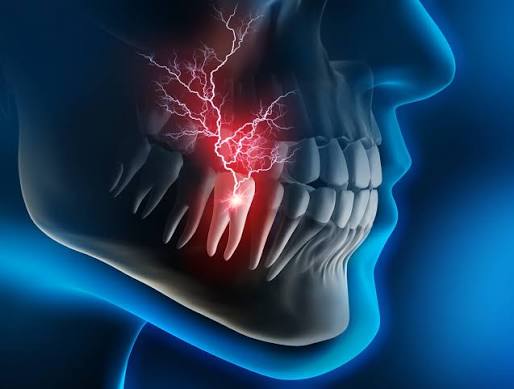
Not all sugars behave identically once bacteria in your mouth begin breaking them down.
Sticky sugars tend to cling to enamel longer, extending the time bacteria spend producing acid.
| Sugar Type | Examples | Relative Risk to Teeth |
|---|---|---|
| Sticky sugars | Caramel, taffy, dried fruit | High |
| Liquid sugars | Soda, juice, sports drinks | High |
| Solid candy | Hard candy, lollipops | Medium to High |
| Chocolate | Milk or dark chocolate | Medium |
| Natural sugars | Honey, dates, fresh fruit | Medium |
Liquid sugars are especially damaging because they coat all tooth surfaces and are often sipped slowly over time.
Choosing chocolate over sticky candy, and drinking through a straw when possible, can meaningfully reduce enamel exposure.
Common Myths About Sweet Tooth Pain
Myth: Only kids get cavities from candy. In reality, adults are just as vulnerable, especially with receding gums.
Myth: If it does not hurt, there is no cavity. Early-stage decay is often painless until it reaches the dentin.
Myth: Brushing harder removes more sugar and protects teeth. Aggressive brushing actually wears down enamel and gums faster.
Myth: Sugar-free products are always safe for teeth. Some sugar-free items still contain acids that erode enamel over time.
Myth: Tooth sensitivity always means you need a filling. Many cases are managed successfully with toothpaste and better habits alone.
Diet and Lifestyle Tips Beyond Cutting Sugar
Pairing sweets with a meal, rather than eating them alone, reduces the time sugar sits on your teeth.
Cheese and dairy products can help neutralize acid in the mouth when eaten alongside sugary desserts.
Chewing sugar-free gum after a sweet treat stimulates saliva flow, which naturally washes away leftover sugar residue.
Staying hydrated throughout the day supports steady saliva production, which is your mouth’s natural defense against acid.
Avoiding tobacco products also helps, since smoking accelerates gum recession and increases overall tooth sensitivity.
Related Searches People Also Ask
People searching this topic often also look up related terms like tooth sensitivity to sugar, sharp pain in tooth when eating sweets, why do my teeth hurt when I eat candy, sensitive teeth after eating chocolate, and tooth hurts when I eat but not when I drink.
Other related phrases include sudden tooth sensitivity causes, why do my molars hurt when I eat sweets, tooth pain remedies at home, and sensitive teeth toothpaste that actually works.
Understanding these related questions helps confirm that sugar sensitivity is a widely shared, well-documented dental concern, and that reliable solutions already exist for nearly every cause.
Searching around these related terms also shows that most people experience this issue at some point, so occasional sensitivity is not something to panic over immediately.
The key takeaway across all of these related questions is that persistent or worsening pain always deserves a professional look, while occasional mild sensitivity can often be managed with simple daily habits.
Frequently Asked Questions (FAQs)
Why does my tooth hurt when I eat sweets suddenly?
Sudden pain usually means enamel has thinned or a cavity has formed. A dental check-up can confirm the exact cause quickly.
Can tooth sensitivity to sugar go away on its own?
Mild sensitivity from whitening or minor enamel wear can fade. Sensitivity from cavities or cracks will not resolve without treatment.
Does sugar sensitivity always mean I have a cavity?
No, it can also mean gum recession, enamel erosion, or a cracked tooth. Only an exam confirms the true cause.
Why does only one tooth hurt when I eat candy?
A single sensitive tooth usually points to a localized issue like a cavity, crack, or worn filling in that specific tooth.
Is it normal for teeth to hurt after teeth whitening?
Yes, temporary sensitivity to sweets after whitening is common and typically fades within a few days on its own.
Can natural sugar like dates or honey cause tooth pain?
Yes, natural sugars trigger the same acid-producing bacteria as processed sugar and can cause identical sensitivity.
What toothpaste helps with sugar sensitivity?
Desensitizing toothpaste brands, such as those containing potassium nitrate, help block pain signals from reaching the nerve.
Should I stop eating sweets completely if my teeth hurt?
You do not need to eliminate sweets entirely, but limiting frequency and rinsing after eating reduces pain and damage.
How long does tooth sensitivity to sweets last?
Mild cases may improve within weeks of better care, while cavity-related pain persists until it is professionally treated.
When should I see a dentist for sweet sensitivity?
See a dentist if pain lingers, worsens, or appears alongside swelling, since these signs suggest a deeper dental problem.
Conclusion
Tooth pain triggered by sweets is uncomfortable, but it is also your body’s early warning system.
Most of the time, the cause traces back to enamel erosion, a hidden cavity, receding gums, or a small crack that lets sugar reach sensitive nerve endings.
The good news is that many of these issues are manageable, especially when caught early through a simple dental visit.
Using sensitivity toothpaste, cutting back on frequent sugary snacking, and maintaining a consistent oral care routine can significantly reduce discomfort over time.
However, home care alone cannot fix cavities, cracks, or advanced gum disease. If your tooth pain is sharp, persistent, or paired with swelling, treat it as a signal to book a dental appointment rather than something to ignore. Addressing the root cause now protects both your comfort and your long-term oral health.
