

Why are Tuzialadu hotel comforters so fluffy is the question nearly every guest asks the moment they sink into that impossibly plush bed.
The answer is not luck or marketing hype. It comes down to a deliberate mix of premium fill, smart construction, quality shell fabric, and strict hotel-grade laundering standards.
Tuzialadu hotel comforters are engineered from the inside out to feel like a cloud, and every layer is chosen for one job: maximum loft that survives hundreds of washes.
Why Are Tuzialadu Hotel Comforters So Fluffy?
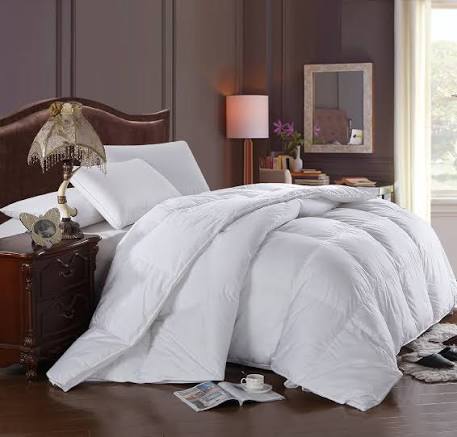
Most retail comforters are built to hit a price point, which means manufacturers cut corners on fill quality and stitching.
Tuzialadu hotel comforters are built to a comfort and longevity standard instead, since guest satisfaction directly affects hotel reviews and repeat bookings.
That single difference in intent changes everything about how the comforter feels, how long it lasts, and how it holds its loft after repeated washing.
The Four Core Factors Behind the Fluffiness
Fluffiness in any comforter comes down to four elements working together: fill type, fill power, stitching style, and shell fabric.
None of these factors work in isolation. A high fill power with weak stitching still collapses over time, and a great shell fabric paired with cheap fill still feels flat.
Hotels understand this balance far better than most home bedding brands, which is exactly why Tuzialadu comforters feel dramatically different from anything sold at a typical retail store.
This attention to detail across all four factors is precisely what separates a genuinely fluffy hotel-grade comforter from an ordinary one.
Fill Type and Fill Power
Natural Down Fill
Natural down, sourced from duck or goose, traps warm air extremely efficiently while remaining remarkably lightweight.
This efficient air-trapping is what creates that classic cloud-like sensation guests describe the moment they climb into bed.
Down clusters are three-dimensional and springy, so they expand back to full loft almost instantly after being compressed by body weight.
Down-Alternative Synthetic Fill
Down-alternative fill uses ultra-fine synthetic microfibers, sometimes compared to spider silk in thinness, to mimic the same air-trapping effect as natural down.
This option is popular in hotels because it delivers a similar fluffy feel without triggering allergies in sensitive guests.
Hotel-grade synthetic fill is specifically engineered to resist clumping, even after hundreds of industrial wash cycles.
Why Fill Power Numbers Matter
Fill power measures how many cubic inches one ounce of down or fiber occupies, and it is the single most important number in understanding fluffiness.
A higher fill power means more trapped air and more loft, along with a comforter that springs back instantly after compression.
Tuzialadu hotel comforters typically use fill power in the 600 to 800 range, which sits well above the standard used in most retail bedding.
Construction and Stitching Techniques
Baffle Box Stitching
If fill is the heart of a fluffy comforter, baffle box stitching is the skeleton that holds everything in place.
Baffle box construction uses small internal fabric walls between the top and bottom layers, creating individual boxes that let the fill loft fully upward instead of shifting sideways.
This design prevents cold spots and lumpy patches, giving guests consistent plushness across the entire surface of the comforter.
Channel Stitching vs. Diamond Stitching
Channel stitching sews the top and bottom fabric together in straight lines, which is cheaper to produce but allows fill to slowly migrate toward the bottom over time.
Diamond stitching holds fill slightly better than basic channel stitching, though it still permits gradual shifting after repeated washing.
Baffle box stitching consistently outperforms both alternatives, which is a major reason hotel comforters keep their shape far longer than typical home versions.
The Role of Shell Fabric
Thread Count and Weave
The outer shell fabric plays a bigger role in fluffiness than most guests realize, since it needs to hold the fill in place under constant pressure.
A high thread count creates a smoother, tighter weave that prevents down clusters from poking through while still feeling soft against the skin.
This tighter weave also reduces friction, which helps the comforter feel silkier and more luxurious night after night.
Breathability and Strength
The shell fabric must be strong enough to withstand industrial washing yet breathable enough to let trapped air circulate properly.
Poor-quality shell fabric traps moisture against the fill, which causes clumping and a noticeable loss of loft within just a few weeks of hotel use.
Tuzialadu hotels select shell fabrics specifically engineered to balance strength, breathability, and softness at the same time.
Hotel-Grade Manufacturing Standards
Hospitality bedding is manufactured to a completely different standard than consumer retail products, since hotels expect comforters to survive constant, heavy use.
Every stitch, seam, and fill measurement is quality-checked before the comforter ever reaches a guest room.
This manufacturing discipline is a major, often overlooked, reason why hotel comforters feel noticeably fluffier than anything bought off a store shelf.
Suppliers working with hospitality brands are also held to strict durability testing, since comforters must survive hundreds of guest stays and industrial wash cycles without losing their shape.
Professional Laundering and Maintenance Routines

Industrial Washing
Hotels rely on commercial-grade washing machines that clean deeply without damaging the fill structure the way a standard home washer might.
These machines use carefully controlled water temperature and gentle rotation to remove oils, sweat, and dust while preserving loft.
Consistent industrial washing keeps bacteria and allergens at bay without compromising the comforter’s fluffiness over hundreds of guest stays.
Water temperature is typically kept moderate rather than extremely hot, since excessive heat can break down down clusters and weaken synthetic fibers over repeated cycles.
Tumble Drying With Tennis Balls
One surprisingly simple trick hotels use is tumble drying comforters with clean tennis balls, which gently beat the fill and redistribute clumps as it dries.
This process restores loft that gets flattened during washing, ensuring the comforter comes out of the dryer as fluffy as the day it arrived.
Without this step, both down and down-alternative fill would dry into dense, uneven clumps instead of an even, airy layer.
Regular Fluffing and Replacement Schedules
Housekeeping teams routinely fluff and shake out comforters between guest stays to redistribute fill and restore an even loft.
Hotels also follow strict replacement schedules, retiring comforters once fill starts to compress permanently or the shell fabric shows visible wear.
This proactive replacement policy is something most households simply never do, which is part of why home comforters flatten faster.
Common Myths About Hotel Comforter Fluffiness
Myth: Heavier Comforters Are Always Fluffier
Many guests assume weight equals quality, but a heavy comforter often signals cheap, dense fill rather than premium down or synthetic fiber.
True fluffiness comes from trapped air, not raw material weight, which is why the lightest comforters often feel the most luxurious.
A well-made comforter with high fill power can feel airy and light while still providing exceptional warmth and loft.
Myth: All White Comforters Are the Same Quality
The plain white appearance of most hotel comforters leads some guests to assume they are generic or low-cost bedding.
In reality, that simple white shell often hides premium fill power, baffle box stitching, and high thread count fabric underneath.
Hotels choose white specifically because it shows stains clearly, allowing housekeeping to catch issues early and maintain consistent quality.
Myth: Fluffiness Is Just Marketing, Not a Real Measurable Trait
Fluffiness is actually quantifiable through fill power ratings, stitching type, and shell fabric thread count, not just subjective feel.
These measurable factors are exactly what separates a genuinely well-engineered comforter from one that only looks fluffy in a photo.
Understanding these numbers helps shoppers make informed comparisons instead of relying on vague marketing language alone.
Signs of a High-Quality Fluffy Comforter
Even Loft Across the Entire Surface
Press down gently on different areas of the comforter and check that it springs back evenly everywhere, not just in the center.
Uneven loft usually indicates weak stitching that lets fill shift toward one section over time.
Quick Recovery After Compression
A high-quality comforter should visibly puff back up within a few seconds after you remove pressure from its surface.
Slow or incomplete recovery is a strong sign of low fill power or fill that has already started to clump.
Smooth, Tightly Woven Shell Fabric
Run your hand across the surface and check for a smooth, consistent texture without any fill poking through the fabric.
A tightly woven, high thread count shell is a reliable indicator of both quality and long-term durability.
Weight vs. Fluffiness: Why Heavier Isn’t Always Better
Comforter weight and fluffiness are often confused, but they measure two very different things entirely.
Weight reflects how much material is inside, while fluffiness reflects how efficiently that material traps air and springs back after compression.
A lightweight comforter with high fill power can outperform a heavier one made with dense, low-quality fill in both warmth and comfort.
This is why simply picking up two comforters in a store and comparing their weight is not a reliable way to judge quality. The fill power label and stitching description matter far more than how heavy the product feels in your hands.
Comparison Table: Fill Types Used in Hotel Comforters
| Fill Type | Typical Fill Power | Fluffiness Level | Allergy-Friendly |
|---|---|---|---|
| Natural goose down | 700–800 | Very high | No |
| Natural duck down | 600–700 | High | No |
| Down-alternative microfiber | 600–750 (equivalent) | High | Yes |
| Standard polyester fill | Below 500 | Low | Yes |
Comparison Table: Hotel Comforters vs. Home Comforters
| Factor | Hotel Comforters | Typical Home Comforters |
|---|---|---|
| Fill power | 600–800 | Often under 500 |
| Stitching | Baffle box | Channel or basic quilting |
| Shell fabric | High thread count, engineered | Standard retail-grade cotton blend |
| Washing method | Industrial, controlled | Standard home washer |
| Replacement schedule | Regular, standard-based | Rare, only when visibly worn |
Seasonal Considerations for Fluffy Comforters
Choosing Fluffiness for Warm Climates
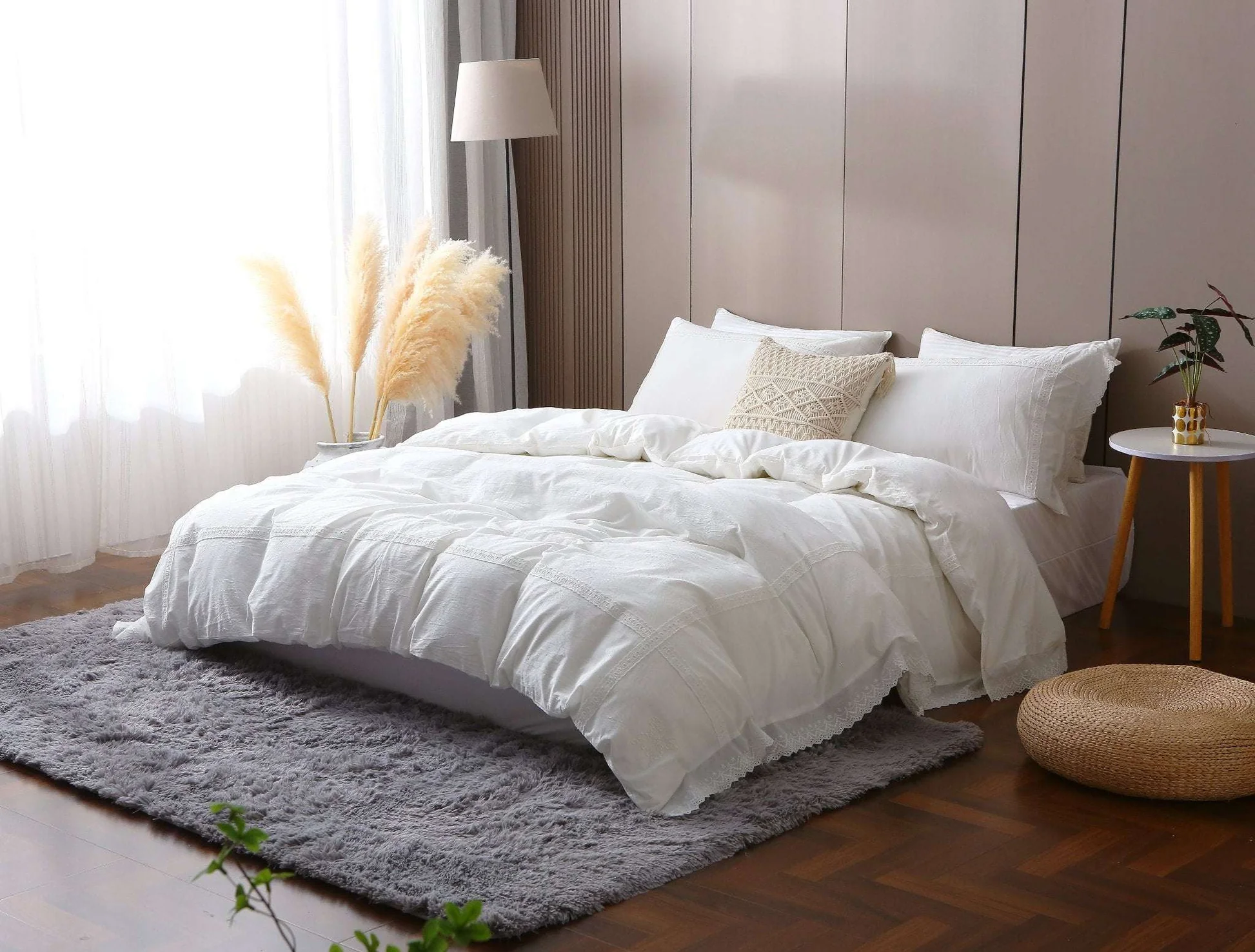
In warmer regions, hotels often choose down-alternative fill with slightly lower fill power to prevent overheating while still delivering a plush feel.
Breathable shell fabric becomes even more important in these climates, since it allows excess heat to escape without sacrificing loft.
Choosing Fluffiness for Cold Climates
Hotels in colder regions typically favor higher fill power natural down, since it traps more warm air per ounce of material.
This higher loft not only feels fluffier but also provides the insulation needed to keep guests comfortable through chilly nights.
Some properties in mixed climates rotate between two fill weights seasonally, swapping to a lighter comforter in summer months and a heavier one in winter.
Layering Comforters for Year-Round Comfort
Many properties offer a lighter comforter with an optional blanket layer, allowing guests to adjust warmth without changing the overall fluffy feel.
This layering approach lets the same base comforter work comfortably across different seasons and guest preferences.
A Simple Buying Guide for Hotel-Style Fluffy Comforters
Step One: Check the Fill Power Rating
Always look for a stated fill power number on the product label, ideally in the 600 to 800 range for that hotel-like plushness.
Avoid comforters that only advertise fill weight without mentioning fill power, since weight alone does not indicate true loft quality.
Step Two: Look for Baffle Box Construction in the Description
Product listings that mention baffle box or box stitch construction are far more likely to hold their loft over years of regular washing.
Basic channel-stitched comforters are usually cheaper but tend to flatten and shift much faster with repeated use.
Step Three: Consider Your Allergy Needs
Choose natural down if you want maximum loft and have no allergy concerns, since it remains the gold standard for fluffiness.
Choose a high-quality down-alternative if allergies are a concern, making sure the fill power rating is comparable to natural down options.
Step Four: Check the Shell Fabric Thread Count
A shell fabric thread count of 300 or higher generally indicates a smoother, more durable surface that holds fill in place effectively.
Lower thread counts may allow fill to poke through over time, reducing both comfort and the comforter’s lifespan.
Common Mistakes That Reduce Comforter Fluffiness
Overloading the Washing Machine
Washing a comforter in a machine that is too small compresses the fill unevenly, leading to permanent flat spots after just a few cycles.
Always use a large-capacity washer, or visit a laundromat with oversized machines, to give the fill room to move freely.
Skipping the Fluffing Step After Drying
Pulling a comforter straight out of the dryer without shaking or fluffing it allows fill clumps to set in place as it cools.
A few minutes of shaking and patting immediately after drying makes a noticeable difference in restoring even loft.
Storing Comforters Under Heavy Items
Stacking heavy blankets or storage boxes on top of a folded comforter compresses the fill and can cause long-term loft loss.
Store comforters loosely, ideally on a shelf or in a breathable bag without heavy items pressing down on them.
How Fluffiness Affects Warmth and Comfort
Fluffiness is not just a visual or textural feature. It directly affects insulation, since more trapped air means better heat retention.
A well-lofted comforter traps a layer of warm air close to the body while still allowing moisture to escape, which prevents overheating during sleep.
This balance of warmth and breathability is exactly why the same comforter can feel comfortable across different seasons and room temperatures.
Can You Recreate This Fluffiness at Home
Choosing the Right Fill
Look for a comforter with a fill power of at least 600 if you want a similar cloud-like feel at home.
Down-alternative options are a good choice if allergies are a concern, as long as the fill power rating is comparable to natural down.
Washing and Drying Tips
Wash your comforter in a large-capacity washer to give the fill enough room to move freely and rinse thoroughly.
Add a few clean tennis balls or wool dryer balls when tumble drying to break up clumps and restore loft, just like hotels do.
Storage Tips
Store comforters loosely in a breathable cotton bag rather than a tightly sealed plastic container, since compression over time damages fill structure.
Shaking out and airing your comforter every few weeks helps maintain loft between full washes.
How Long Does the Fluffiness Last

With proper care, a high fill power comforter using baffle box construction can maintain its loft for several years of regular use.
Hotels typically replace comforters on a set schedule regardless of visible wear, which is why guests almost always experience maximum fluffiness during their stay.
At home, following similar washing, drying, and storage habits can meaningfully extend how long your own comforter stays fluffy.
Frequently Asked Questions (FAQs)
Why are Tuzialadu hotel comforters so much fluffier than mine at home?
They use higher fill power, baffle box stitching, and professional laundering. These combined factors preserve loft far better than typical home comforters.
What fill power should I look for to get a similar fluffy feel?
Aim for a fill power between 600 and 800. This range matches what most hotel-grade comforters use.
Is down or down-alternative fill fluffier?
Natural down generally offers slightly more loft and springiness. Down-alternative comes close while also being allergy-friendly.
Does baffle box stitching really make a noticeable difference?
Yes, it keeps fill evenly distributed and prevents shifting. This is why hotel comforters stay smooth and lump-free.
How often do hotels replace their comforters?
Hotels typically follow a set replacement schedule, often every one to two years. This ensures guests always experience maximum fluffiness.
Can I wash a fluffy comforter at home without ruining it?
Yes, use a large-capacity washer and gentle cycle. Tumble dry with tennis balls to restore loft afterward.
Why does my comforter feel flat after a few washes?
Cheap fill and weak stitching allow clumping and shifting. Upgrading to a baffle box design with higher fill power solves this.
Does thread count affect how fluffy a comforter feels?
Yes, higher thread count shell fabric holds fill in place better. It also feels smoother and reduces friction against skin.
Are hotel comforters warmer than regular home comforters?
Often yes, since higher fill power traps more air. More trapped air means better insulation and warmth.
Where can I buy a comforter similar to what hotels use?
Look for bedding brands specifically marketing hotel-grade or hospitality collections. Check for stated fill power and baffle box construction details.
Conclusion
Tuzialadu hotel comforters feel so fluffy because every element is chosen with intention: premium down or down-alternative fill in the 600 to 800 fill power range, baffle box stitching that keeps loft evenly distributed, a strong yet breathable shell fabric, and strict industrial laundering routines that restore fluffiness after every wash.
None of these factors work alone, which is exactly why cheaper comforters with only one or two of these features never quite match the hotel experience.
The good news is that this same fluffiness is achievable at home by choosing the right fill power, washing with care, drying with tennis balls, and storing the comforter properly between uses.
Understanding these details turns a mysterious hotel luxury into a repeatable formula you can apply to your own bedroom, bringing that same cloud-like comfort home night after night. With the right fill power, construction, and care routine, that hotel-fresh fluffiness is well within reach for any bedroom.
