

Why are the bottoms of my feet red is a question many people search after noticing an unexplained flush on their soles.
Sometimes the redness shows up after a long day of standing, and sometimes it appears out of nowhere with no obvious trigger.
In most cases, red soles are caused by simple things like friction, tight shoes, or minor skin irritation. But redness can also point to fungal infections, circulation problems, or skin conditions that need proper care.
Quick Overview: Common Causes at a Glance
Red soles rarely have just one explanation. The table below gives you a fast snapshot before we go deeper into each cause.
| Possible Cause | Typical Trigger | Usually Painful? |
|---|---|---|
| Friction or pressure | Standing, walking, hard shoes | Sometimes |
| Athlete’s foot (moccasin type) | Fungal infection | Mild to none |
| Contact dermatitis | Soaps, socks, shoe materials | Often itchy |
| Poor circulation (PAD/venous) | Blocked or weak blood flow | Yes, with activity |
| Erythromelalgia | Heat, exercise, prolonged standing | Yes, burning |
| Diabetes-related changes | Nerve or vessel damage | Varies |
| Gout or arthritis | Joint inflammation | Yes, sudden |
| Cellulitis or infection | Bacteria entering skin | Yes |
| Sunburn | UV exposure | Yes, tender |
| Dye transfer | Colored socks or shoes | No |
What Causes Redness on the Bottom of Your Feet
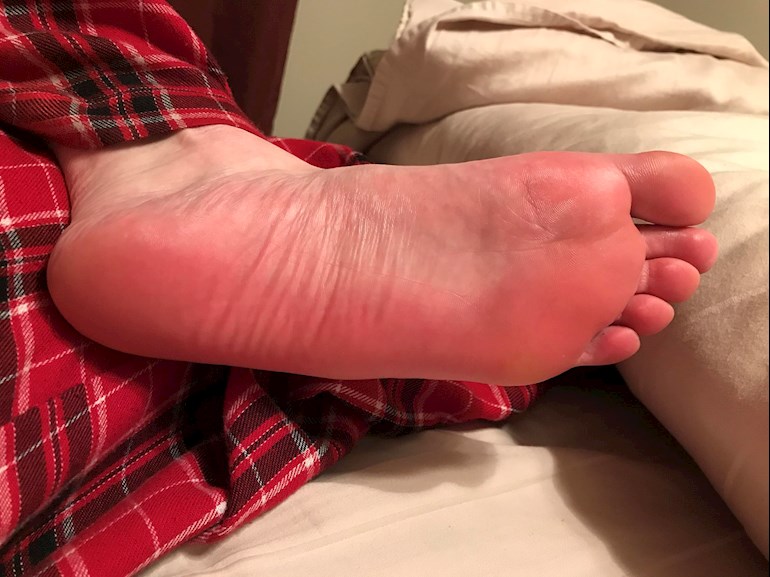
Redness on the sole develops for many different reasons, and the right explanation usually depends on your other symptoms. Below are the most common causes doctors and podiatrists point to.
Friction and Pressure from Standing or Walking
Long hours on your feet increase blood flow to the pressure points on your soles. This is the body’s normal response to repeated stress and friction.
The redness usually fades with rest, better-fitting shoes, or added cushioning. It tends to appear in the same spots each time, like the heel or ball of the foot.
Athlete’s Foot (Plantar Tinea Pedis)
Most people think athlete’s foot only affects the skin between the toes, but a version called moccasin-type tinea pedis spreads across the entire sole. It causes redness, scaling, and gradual thickening of the skin.
This form develops slowly and doesn’t always itch, which is why it’s often mistaken for dry skin. It usually needs an antifungal cream or oral medication to fully clear.
Contact Dermatitis and Allergic Reactions
Your feet come into contact with a lot of materials every day, including sock fibers, shoe glue, dyes, and detergents. Any of these can trigger an allergic skin reaction.
Contact dermatitis usually causes itching, mild swelling, and a rash alongside the redness. Switching to hypoallergenic soaps and breathable socks often resolves it within days.
Eczema and Psoriasis
Chronic skin conditions like eczema and psoriasis can flare up on the soles of the feet, not just the hands or scalp. Flare-ups often bring redness, flaking, and cracked skin.
These conditions tend to come and go over time. A dermatologist can prescribe topical treatments that calm flare-ups and reduce how often they return.
Poor Circulation (PAD and Venous Insufficiency)
When blood struggles to move properly through your legs and feet, the skin can turn red or discolored. Peripheral artery disease (PAD) reduces blood flow into the feet, while venous insufficiency causes blood to pool on its way back to the heart.
Both conditions are progressive and shouldn’t be ignored. Redness paired with pain during walking or swelling by the end of the day is a common warning sign.
Diabetes-Related Foot Changes
People with diabetes are more prone to circulation changes and nerve damage that can alter the color of their feet. Redness in a diabetic foot deserves prompt attention.
Reduced sensation can also hide injuries that would normally cause pain. This combination makes regular foot checks especially important for anyone managing diabetes.
Erythromelalgia
Erythromelalgia is a rare condition marked by burning pain, warmth, and redness, most often in the feet. Flare-ups are commonly triggered by heat, exercise, or standing for long periods.
Symptoms can last minutes or stretch into days. Because it’s uncommon and easy to mistake for other issues, a specialist referral is usually needed for diagnosis.
Gout and Inflammatory Arthritis
Gout causes sudden, intense attacks of redness, swelling, and pain, often centered around a joint like the big toe. Inflammatory arthritis can produce similar symptoms across the foot.
These flare-ups tend to appear quickly and peak within hours. Anti-inflammatory medication and dietary changes are typically part of long-term management.
Infections (Cellulitis and Bacterial Causes)
Bacteria entering through a small cut or crack in the skin can lead to cellulitis, a spreading infection marked by redness, warmth, and swelling. It sometimes comes with fever or discharge.
Cellulitis can worsen quickly if left untreated. Antibiotics are usually required, so this cause should never be managed with home remedies alone.
Sunburn and Heat Exposure
If your feet were exposed to direct sun for an extended time, sunburn is often the simplest explanation for redness. This type is usually accompanied by tenderness and warmth.
Cooling the skin and applying aloe-based lotion typically brings relief within a few days. Peeling may follow as the skin heals.
Dye Transfer from Socks or Shoes
Colored fabrics and dyes in socks, tights, or shoe linings can rub off onto the skin, especially when feet are damp from sweat. This can look exactly like a skin reaction at first glance.
Washing your feet is the quickest way to rule this out. If the redness disappears after washing, dye transfer was likely the cause.
Minor Injury or Trauma
A rolled ankle, stubbed toe, or unnoticed bruise can cause localized redness on the sole. Swelling and tenderness usually appear in the same area as the injury.
Minor injuries typically improve within a few days with rest and ice. Redness that spreads or worsens instead of fading deserves a closer look.
Painless Red Soles: What It Usually Means
Painless redness is one of the most searched variations of this concern, and it makes sense why. Seeing color change without any discomfort can feel confusing.
Common painless causes include mild contact dermatitis, early-stage athlete’s foot, dye transfer, or minor pressure-related changes. These are usually not urgent but are still worth monitoring.
Occasionally, painless redness is an early sign of a circulatory issue that hasn’t progressed to pain yet. This is more relevant for people with diabetes or existing vascular conditions.
When Redness Comes With Pain, Swelling, or Burning
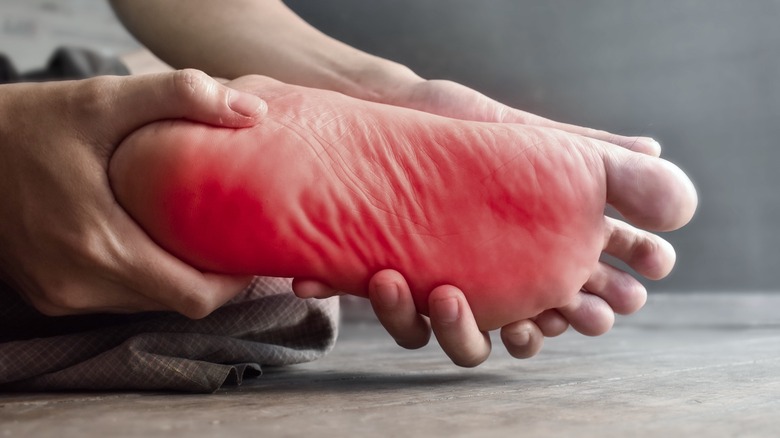
Redness paired with other symptoms changes the picture significantly. Pain, heat, and swelling often point toward infection, inflammation, or circulation problems rather than simple irritation.
Burning sensations that come in waves, especially after heat or activity, are a hallmark of erythromelalgia. This pattern is different from the constant ache of an injury or the itch of dermatitis.
If swelling is present alongside redness, it’s worth checking whether it affects one foot or both. One-sided swelling can suggest a localized issue like a clot or injury.
How Doctors Diagnose Red Soles
A proper diagnosis usually starts with a physical exam and a review of your symptom history. Doctors look at how long the redness has lasted and what makes it better or worse.
| Diagnostic Step | What It Helps Identify |
|---|---|
| Visual skin exam | Rashes, scaling, dryness, injury |
| Skin scraping or culture | Fungal or bacterial infection |
| Blood flow tests (Doppler) | PAD or venous insufficiency |
| Blood tests | Diabetes, gout, inflammation markers |
| Allergy patch testing | Contact dermatitis triggers |
Podiatrists typically handle foot-specific concerns, while dermatologists step in for skin-related causes. If circulation is suspected, you may be referred to a vascular specialist for further testing.
Home Care and Remedies for Mild Cases
Many cases of red soles improve with simple, consistent home care. These steps work best when the redness is mild and not paired with severe symptoms.
Resting and elevating your feet reduces pressure and encourages normal blood flow. This is especially helpful after a long day of standing or walking.
Cold compresses can calm redness, swelling, and mild discomfort. Applying one for ten to fifteen minutes is usually enough to notice relief.
Switching to hypoallergenic soaps and breathable socks removes many common irritants. This simple change often resolves contact dermatitis without further treatment.
Moisturizing daily with a gentle, fragrance-free cream helps prevent dryness and cracking. Healthy skin is less likely to react to friction or minor irritants.
Wearing supportive, well-fitted shoes reduces unnecessary pressure on your soles. Avoid shoes that are too tight, too stiff, or worn out.
Medical Treatments Based on Cause
Once the underlying cause is identified, treatment becomes far more targeted and effective. Here’s a quick reference for what treatment typically looks like.
| Cause | Common Treatment |
|---|---|
| Athlete’s foot | Antifungal cream or oral antifungal medication |
| Contact dermatitis | Hydrocortisone cream, allergen avoidance |
| Eczema or psoriasis | Prescription topical treatments |
| PAD or venous insufficiency | Medication, compression, lifestyle changes |
| Erythromelalgia | Trigger avoidance, specific medications |
| Gout | Anti-inflammatory drugs, dietary adjustments |
| Cellulitis | Prescription antibiotics |
Treatment length varies widely depending on the cause. Skin conditions may clear in days, while circulation issues often require ongoing management.
Prevention Tips to Keep Your Feet Healthy
Preventing red soles largely comes down to reducing irritation and supporting healthy circulation. A few consistent habits make a noticeable difference over time.
Rotate your footwear so the same pressure points aren’t stressed every day. This also gives shoes time to fully dry out between wears.
Keep your feet clean and completely dry, especially between the toes. Moisture is one of the biggest contributors to fungal infections.
Choose socks made from breathable materials like cotton or moisture-wicking blends. Avoid tight elastic bands that restrict circulation.
Stay active with regular movement if you sit for long periods. Simple ankle rotations and short walks support healthy blood flow.
Manage underlying conditions like diabetes or high blood pressure closely. Well-controlled conditions significantly lower the risk of foot complications.
When to See a Doctor Immediately (Warning Signs)
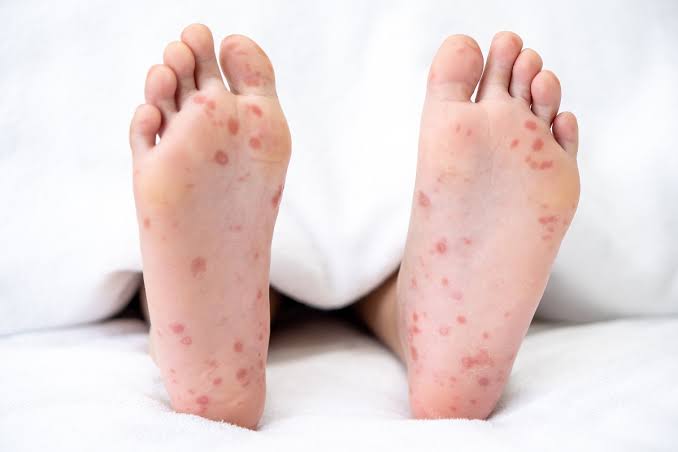
Some symptoms mean you shouldn’t wait to see how things develop on their own. These warning signs call for prompt medical evaluation.
Redness that persists or keeps getting worse despite home care is a signal something more is going on. This is especially true if it’s been present for more than a week.
Fever, red streaks spreading from the area, or noticeable warmth alongside redness can indicate a spreading infection. These symptoms should be checked the same day.
Sudden redness in someone with diabetes deserves quick attention, even if it seems minor. Reduced sensation can mask more serious underlying problems.
Redness combined with numbness, tingling, or a change in foot color toward blue or gray suggests a circulation issue. This combination should not be ignored.
Red Feet in Older Adults and People with Diabetes
Older adults face a higher risk of circulatory and skin-related causes of foot redness. Reduced blood flow and thinner skin make redness more likely to signal an underlying issue.
Diabetic patients face similar risks due to nerve damage and blood vessel changes. Small problems can escalate quickly when sensation is reduced.
Routine foot checks are strongly recommended for both groups. Catching small changes early prevents them from becoming serious complications.
Frequently Asked Questions (FAQs)
Why are the bottoms of my feet red after standing all day?
Prolonged standing increases blood flow and pressure on weight-bearing areas. This usually fades with rest and proper footwear.
Can dry skin cause the soles of my feet to turn red?
Yes, dry or cracked skin can appear red, especially around the heels. Regular moisturizing usually helps resolve this.
Is painless redness on my feet something to worry about?
Painless redness is often minor, but it can occasionally signal an early skin or circulation issue. Monitor it and see a doctor if it persists.
Could my shoes be causing the redness on my soles?
Yes, tight or poorly fitted shoes are a common cause of friction-related redness. Switching to supportive, breathable footwear often helps.
How do I know if it’s athlete’s foot and not just irritation?
Athlete’s foot often includes scaling, thickening skin, and gradual spread across the sole. Irritation tends to appear suddenly and fade quickly with care.
Can diabetes cause the bottoms of my feet to turn red?
Yes, diabetes can affect circulation and nerves, leading to color changes in the feet. Any new redness should be checked promptly.
When should I see a doctor about red feet?
See a doctor if redness persists, worsens, or comes with pain, swelling, fever, or numbness. Early evaluation prevents complications.
Are home remedies enough to treat red soles?
Home remedies work well for mild, non-infectious causes like friction or minor irritation. Persistent or severe symptoms need professional treatment.
Can poor circulation cause red feet without pain?
Yes, especially in early stages, poor circulation can cause redness before pain develops. This makes regular monitoring important.
Is erythromelalgia a common cause of red feet?
No, erythromelalgia is rare compared to causes like friction, dermatitis, or fungal infections. It’s still worth ruling out if burning pain is present.
Conclusion
Red soles usually come from everyday causes like friction, tight shoes, or mild skin irritation, and most cases improve with simple home care.
Fungal infections, allergic reactions, and dry skin are also common and typically respond well to targeted treatment.
Less often, redness signals something deeper, such as poor circulation, diabetes-related changes, or a rare condition like erythromelalgia.
Paying attention to accompanying symptoms, such as pain, swelling, warmth, or numbness, helps you understand whether the redness is harmless or worth a medical visit.
When in doubt, a podiatrist or dermatologist can pinpoint the exact cause and recommend the right treatment.
Acting early, whether that means changing your footwear or scheduling an appointment, keeps small issues from turning into bigger problems and helps you get back to comfortable, healthy feet.
