

Why is my car making a clicking noise? It’s one of the most common questions drivers search for, usually right after hearing an odd “click, click, click” from somewhere under the hood or wheels.
The good news is that clicking sounds almost always point to a specific, identifiable part. It could be something as simple as a loose hubcap or as urgent as a failing starter or worn CV joint.
What Does a Clicking Noise in a Car Usually Mean?
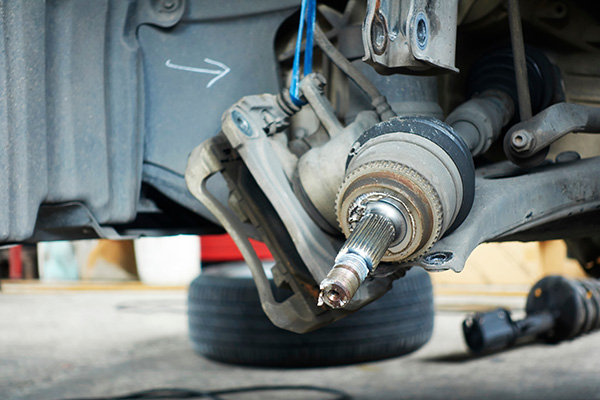
A clicking noise is almost always a sign of a mechanical or electrical part making repeated contact. It’s rarely random.
The exact cause depends heavily on when you hear it. Clicking at startup, while turning, while braking, or while driving all point to different systems.
Paying attention to timing and location is the fastest way to narrow down what’s actually going on.
Common Causes of a Car Making a Clicking Noise
Below are the most frequent reasons behind a clicking noise, organized by when the sound actually occurs.
1. Clicking When You Try to Start the Car
A rapid clicking sound when turning the key almost always points to the electrical or starting system. This is one of the most common complaints drivers report.
A weak or dead battery is the most frequent cause. The starter doesn’t get enough power to fully engage the engine.
2. Failing Starter Motor
If the battery tests fine but clicking continues, the starter motor itself may be worn out or failing internally.
A single loud click, rather than rapid repeated clicks, often points more directly to a bad starter than a weak battery.
3. Faulty Alternator
The alternator recharges your battery while driving. If it fails, the battery drains again and clicking returns at the next startup.
Dimming headlights or dashboard warning lights alongside clicking are strong signs the alternator needs to be tested.
4. Corroded or Loose Battery Terminals
Corrosion on battery terminals blocks the electrical connection needed to start the engine, which can cause clicking instead of a normal start.
This is an easy first thing to check yourself before assuming the battery or starter is fully at fault.
5. CV Joint Problems When Turning
A clicking noise that only happens while turning, especially at low speed, usually points to a worn constant-velocity (CV) joint.
The clicking often gets louder as you accelerate through the turn and is common in front-wheel-drive vehicles.
6. Loose Brake Pads or Anti-Rattle Springs
Clicking that happens specifically when braking is often caused by a loose brake pad or a worn anti-rattle spring inside the caliper.
These springs are designed to hold the pad steady. Once worn, the pad can shift slightly and click against metal.
7. Low or Dirty Engine Oil
A clicking or tapping sound while driving can come from engine components lacking proper lubrication due to low or contaminated oil.
This clicking often grows louder as engine speed increases, especially if oil levels have been neglected for a while.
8. Loose Wheel Covers or Hubcaps
A rhythmic clicking that matches wheel speed is frequently just a loose hubcap or wheel cover bumping against the rim.
This is one of the easiest and cheapest fixes, often solved by simply tightening or reseating the cover.
9. Worn Timing Chain
A loose or worn timing chain can create a rhythmic clicking sound that matches engine speed and grows worse over time.
This is a more serious issue that should be inspected quickly, since a failed timing chain can cause major engine damage.
10. Exhaust Leak Near the Manifold
Clicking near the engine bay can also come from a small crack in the exhaust manifold, especially right after startup.
The metal expands as it heats up, which can create a ticking or clicking sound that fades as the engine warms.
11. Turn Signal or Relay Clicking
Not all clicking is a problem. The rhythmic click-click sound from your turn signal is completely normal and comes from the flasher relay.
If this clicking sounds unusually fast or slow, it may simply mean a turn signal bulb needs replacing.
Quick Reference: Causes by When You Hear the Clicking
| When You Hear It | Likely Cause |
|---|---|
| Turning the key to start | Weak battery, failing starter |
| Repeated rapid clicks at startup | Dead or low battery |
| Single loud click at startup | Failing starter motor |
| While turning the wheel | Worn CV joint |
| While braking | Loose brake pad, worn anti-rattle spring |
| While driving, matches wheel speed | Loose hubcap or wheel cover |
| While driving, matches engine speed | Low oil, worn timing chain |
| Right after startup, fades as engine warms | Exhaust manifold leak |
| Using turn signal | Normal flasher relay operation |
Signs the Clicking Noise Needs Immediate Attention
Not every click is an emergency, but some warning signs mean you shouldn’t keep driving.
If the clicking is paired with a burning smell, smoke, or a warning light, pull over and stop the engine.
Clicking that grows louder and more frequent the longer you drive usually signals a worsening mechanical issue.
A clicking noise combined with reduced steering control while turning could mean a CV joint is close to failing completely.
Sign vs. Urgency Table
| Symptom Alongside Clicking | Urgency Level |
|---|---|
| Dim headlights, slow crank | Moderate — check battery soon |
| Clicking only while turning | Moderate — inspect CV joint |
| Burning smell or smoke | High — stop driving immediately |
| Clicking during braking only | Moderate — check brake pads |
| Rhythmic click matching wheel speed | Low — likely hubcap issue |
How Mechanics Diagnose a Clicking Noise
A mechanic will usually start by asking exactly when the clicking happens. This alone narrows the diagnosis significantly.
They’ll test the battery voltage and starter connection first if the clicking happens during startup.
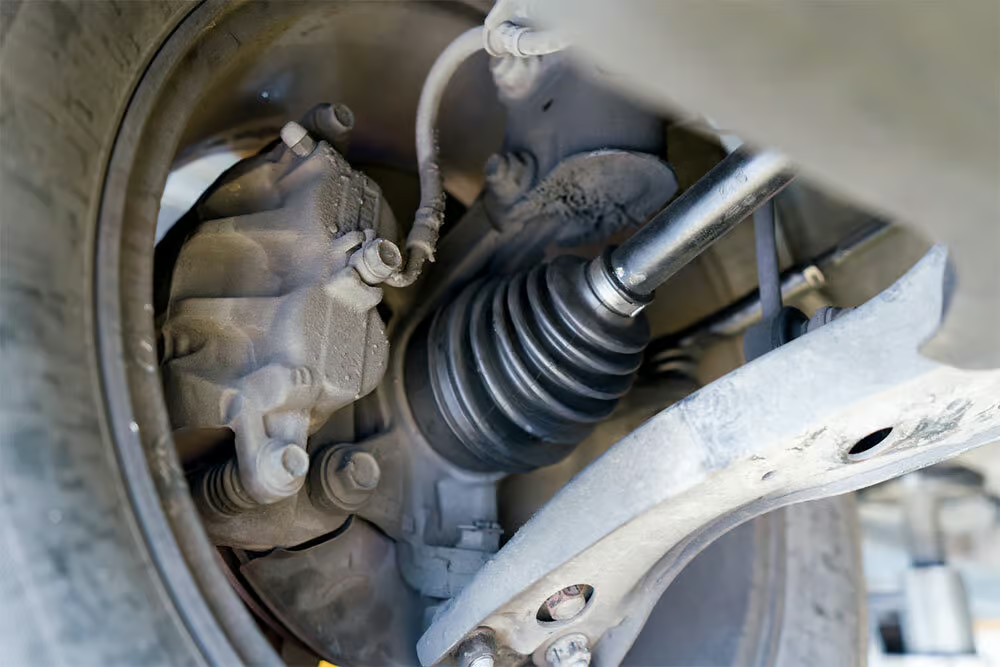
For clicking while turning, a visual inspection of the CV joint boots checks for cracks, grease leaks, or looseness.
Brake-related clicking is diagnosed by removing the wheel and inspecting the pads, calipers, and anti-rattle hardware directly.
Solutions and Fixes
Once the cause is identified, most clicking noise issues have a straightforward fix.
Jump-Starting or Replacing the Battery
If a weak battery is the cause, a jump start may get you moving temporarily, but a full replacement is often needed soon after.
Starter Motor Replacement
A failing starter typically needs to be replaced rather than repaired, especially once clicking becomes a consistent problem.
CV Joint or Axle Replacement
Damaged CV joints usually require replacing the joint or the full axle assembly to fully resolve the clicking sound.
Brake Pad and Hardware Service
Loose brake components are often fixed by replacing worn anti-rattle springs or reseating and securing the brake pads properly.
Oil Change and Engine Inspection
Topping off or changing dirty oil resolves many lubrication-related clicks, though a mechanic should confirm no damage has occurred.
Tightening or Replacing Hubcaps
This is the simplest fix on the list. Reseating or replacing a loose wheel cover usually solves the problem in minutes.
Cause-to-Fix Quick Table
| Cause | Typical Fix |
|---|---|
| Weak or dead battery | Jump start, battery replacement |
| Failing starter motor | Starter replacement |
| Worn CV joint | CV joint or axle replacement |
| Loose brake pad | Brake hardware service |
| Low or dirty oil | Oil change, engine inspection |
| Loose hubcap | Tighten or replace wheel cover |
| Timing chain wear | Timing chain replacement |
Can You Drive With a Clicking Noise?
It depends entirely on the cause. A loose hubcap is safe to drive on short term, but a CV joint or starter issue is not.
Driving with a failing starter can leave you stranded unexpectedly, so it’s best addressed before it fails completely.
Continuing to drive with a worn CV joint risks sudden joint failure, which can affect steering and handling.
How to Prevent Future Clicking Noises
Regular maintenance catches most causes of clicking before they become serious or expensive.
Routine oil changes keep engine components properly lubricated and reduce the risk of tapping or clicking sounds.
Having your battery and charging system tested annually helps catch a weak battery before it leaves you stranded.
Periodic brake inspections catch loose pads or worn hardware early, before clicking turns into grinding or squealing.
When to See a Mechanic
See a mechanic promptly if clicking happens every time you start the car, since this rarely resolves on its own.
Clicking while turning should always be inspected quickly, since CV joint failure can escalate into a safety issue.
Any clicking paired with warning lights, smoke, or unusual smells should be treated as an immediate priority.
Frequently Asked Questions (FAQs)
Why is my car making a clicking noise when I start it?
This usually means a weak battery or failing starter motor. Rapid clicking often points to low battery power specifically.
Why does my car click when I turn?
Clicking while turning is a classic sign of a worn CV joint, especially in front-wheel-drive vehicles at low speed.
Is it safe to drive with a clicking noise?
It depends on the cause. Hubcap clicking is safe short term, but CV joint or starter clicking should be checked soon.
Why does my car click but not start?
This typically means the battery lacks enough power to engage the starter, or the starter itself has failed.
Can low oil cause a clicking noise?
Yes, low or dirty oil reduces lubrication and can cause engine components to tap or click, especially at higher RPM.
Why does my car click when I brake?
This is often caused by a loose brake pad or a worn anti-rattle spring inside the brake caliper assembly.
Is a clicking noise always serious?
No, some clicking, like a loose hubcap or turn signal relay, is minor and easy to fix or completely normal.
How much does it cost to fix a clicking CV joint?
Costs vary, but CV joint or axle replacement is a moderate repair that a mechanic should quote based on your vehicle.
Why does my car click only when it’s cold?
Cold starts can reveal battery weakness or oil thickness issues, both of which can cause temporary clicking sounds.
Can a bad alternator cause clicking sounds?
Yes, a failing alternator lets the battery drain, which often leads to clicking the next time you try to start the car.
Conclusion
If you’ve been asking why is my car making a clicking noise, the answer almost always comes down to timing.
Clicking at startup usually points to the battery or starter, clicking while turning suggests a worn CV joint, and clicking while braking often means a loose brake pad or worn hardware.
Some causes, like a loose hubcap, are quick and inexpensive fixes you can often handle yourself. Others, like a failing starter or a damaged CV joint, need prompt attention from a mechanic to avoid bigger repair bills or safety risks down the road.
Regular maintenance, including oil changes and battery checks, prevents many of these issues before they start.
Paying attention to when the clicking happens, and what other symptoms come with it, is the fastest way to identify the cause and get it fixed before a small click turns into a major repair.
