

Why do I keep getting ear infections is one of the most common questions people ask an ENT specialist. If your ears keep hurting, feeling blocked, or draining fluid over and over, you are not imagining it.
Recurring ear infections happen for real, identifiable reasons, and most of them can be managed once you understand what is going on.
What Is an Ear Infection, Exactly

An ear infection happens when bacteria or a virus infects part of your ear, causing swelling, fluid buildup, and pain.
Doctors call the most common type otitis media, which affects the middle ear space right behind your eardrum.
Ear infections are one of the most frequently diagnosed conditions worldwide, affecting both children and adults across every season of the year.
Ear infections can be sudden and short-lived, or they can become chronic, meaning they keep returning or never fully clear up.
Types of Ear Infections
Not every ear infection is the same. The table below shows the three main types and where they occur.
| Type | Location | Common Name |
|---|---|---|
| Acute Otitis Media | Middle ear | Standard ear infection |
| Otitis Media with Effusion | Middle ear (fluid only) | Fluid behind the eardrum |
| Otitis Externa | Ear canal | Swimmer’s ear |
Knowing which type you have matters because treatment is different for each one.
Common Symptoms of Ear Infections
Symptoms can vary depending on your age and the type of infection you have.
In adults, the most common signs are ear pain, muffled hearing, and a feeling of fullness or pressure.
In infants and toddlers, symptoms often show up as fussiness, tugging at the ear, trouble sleeping, or a low-grade fever.
Some people also notice fluid drainage, dizziness, or balance issues, especially with inner ear involvement, and these symptoms can range from mild and barely noticeable to sharp and disruptive depending on how severe the infection is.
Symptom Checklist Table
| Symptom | Adults | Children |
|---|---|---|
| Ear pain | Common | Common |
| Fever | Sometimes | Common |
| Fluid drainage | Possible | Possible |
| Tugging at ear | Rare | Very common |
| Balance problems | Occasional | Occasional |
Why Do I Keep Getting Ear Infections: The Main Causes
If ear infections keep coming back, there is almost always an underlying reason. Here are the most common drivers behind recurring ear infections, ranging from simple lifestyle factors to deeper anatomical or immune-related issues that a doctor can help pinpoint.
Eustachian Tube Dysfunction
The Eustachian tube connects your middle ear to the back of your throat and drains fluid while balancing air pressure.
When this tube becomes swollen or blocked, fluid gets trapped, creating the perfect environment for bacteria or viruses to grow.
This is the single most common reason people experience repeated ear infections at any age.
Chronic Allergies and Sinus Congestion
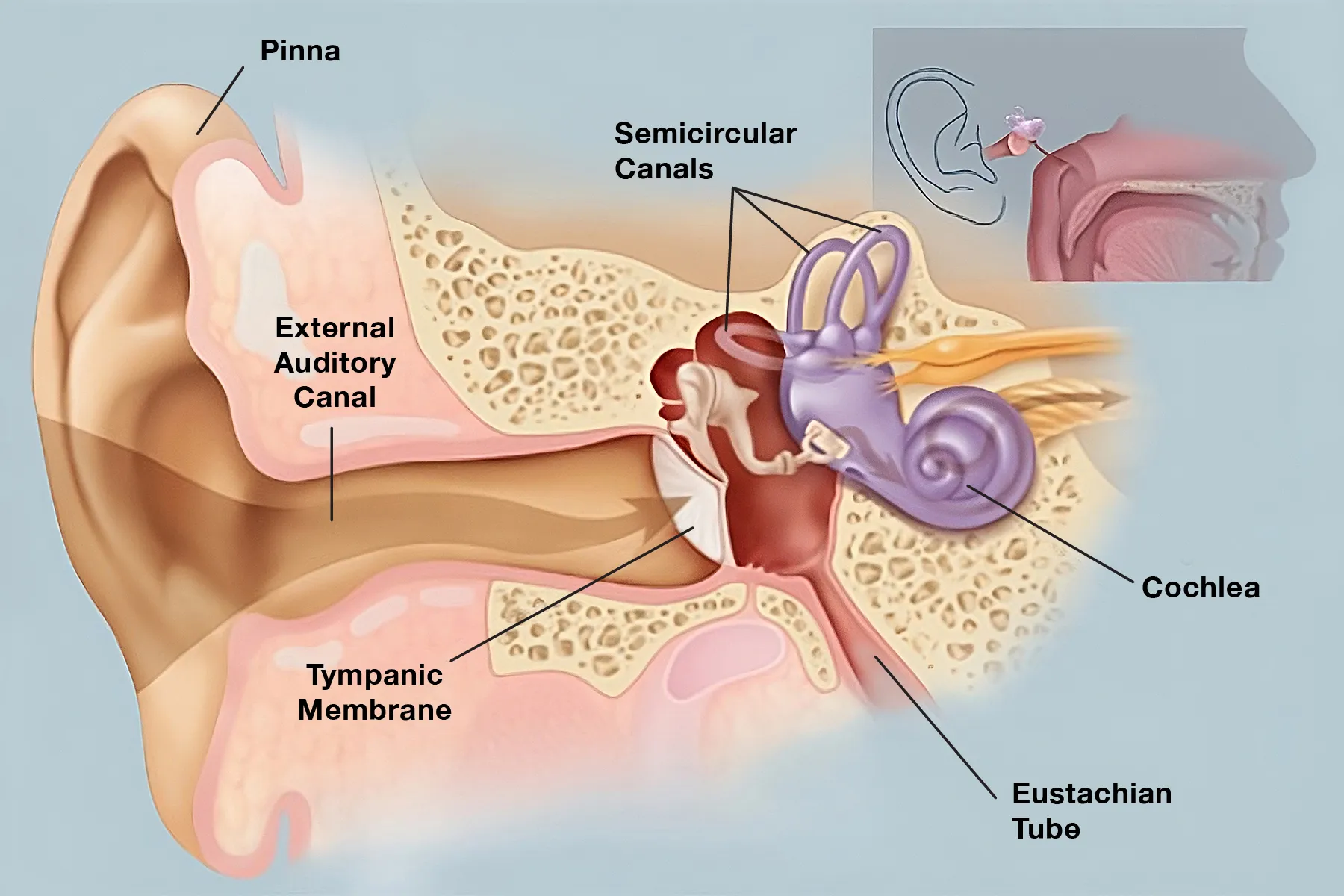
Allergies trigger inflammation and excess mucus, which can block the Eustachian tubes just like a cold does.
If your allergies are untreated or poorly controlled, your ears may keep getting infected as a direct side effect.
Frequent Colds and Respiratory Infections
Every cold or upper respiratory illness carries a risk of Eustachian tube swelling.
People who catch colds often, such as parents of young children or teachers, tend to see more frequent ear infections as a result.
Weakened or Developing Immune System
A weaker immune system struggles to clear infections quickly, which allows fluid and bacteria to linger in the ear.
This is especially true for young children, whose immune systems are still developing, and for adults with certain chronic health conditions.
Structural or Anatomical Issues
Some people are simply built with narrower or more horizontal Eustachian tubes, making natural drainage harder.
A deviated septum, enlarged adenoids, or previous ear damage can also physically block proper drainage.
Swimmer’s Ear and Moisture Exposure
Water trapped in the ear canal after swimming or showering creates a warm, damp environment where bacteria thrive.
Frequent swimmers, or anyone who cleans their ears too aggressively, are more prone to repeated outer ear infections.
Smoking and Secondhand Smoke
Tobacco smoke irritates the lining of the respiratory tract and Eustachian tubes, increasing swelling and blockage risk.
Even secondhand smoke exposure in children has been linked to higher rates of recurring ear infections.
Biofilms and Antibiotic Resistance

In some chronic cases, bacteria form a protective biofilm inside the ear that resists standard antibiotic treatment.
This is one reason infections seem to clear briefly, then return within weeks.
Risk Factors for Recurring Ear Infections
Certain factors make some people far more likely to deal with repeated infections than others.
| Risk Factor | Why It Matters |
|---|---|
| Age under 2 | Smaller, flatter Eustachian tubes |
| Daycare or group care | More exposure to colds and viruses |
| Bottle feeding while lying down | Fluid can travel into the ear |
| Family history | Genetic anatomy plays a role |
| Seasonal allergies | Increases mucus and blockage |
| Smoking exposure | Irritates ear and throat tissue |
Ear Infections in Adults vs Children
Children get ear infections more often simply because of anatomy, but adults are not immune.
In kids, the leading causes are developing immune systems and small Eustachian tubes.
In adults, the leading causes are usually allergies, sinus infections, smoking, or swimming-related moisture exposure.
Adults who suddenly start getting frequent ear infections should always see a doctor, since recurring infections later in life can sometimes point to a separate underlying issue.
How Doctors Diagnose Recurring Ear Infections
A healthcare provider will usually start with a simple visual exam using an otoscope to look at your eardrum.
If infections keep returning, your doctor may order a hearing test, fluid culture, or imaging like a CT scan.
This helps rule out structural problems, resistant bacteria, or complications that need specialized ENT care.
Possible Complications of Untreated Ear Infections
Most ear infections heal without lasting damage, but repeated or untreated infections carry real risks.
Hearing loss, a perforated eardrum, and speech delays in young children are among the most common complications.
In rare cases, infection can spread to nearby bone, a condition called mastoiditis, which needs urgent treatment.
Home Care Tips for Ear Infection Relief
While home care will not fix an underlying structural issue, it can ease pain while you wait for treatment.
A warm compress held against the affected ear can reduce pressure and discomfort within minutes.
Over-the-counter pain relievers, used as directed, help manage pain and any low-grade fever.
Staying upright while resting, rather than lying flat, can reduce pressure buildup in the middle ear.
Keeping ears completely dry after showering or swimming helps prevent outer ear infections from developing.
Home Care Quick Reference Table
| Remedy | Purpose |
|---|---|
| Warm compress | Reduces pain and pressure |
| OTC pain relievers | Manages discomfort and fever |
| Staying hydrated | Supports immune response |
| Ear plugs while swimming | Prevents moisture buildup |
| Avoiding smoke exposure | Reduces Eustachian tube irritation |
Medical Treatment Options
If home care is not enough, your doctor has several treatment paths depending on the type and severity of your infection.
Many providers now use a “watchful waiting” approach for 2 to 3 days before prescribing antibiotics, since many infections clear on their own.
Bacterial infections that do not improve are usually treated with oral antibiotics or antibiotic ear drops.
For chronic cases tied to structural problems, ENT specialists may recommend a minor procedure such as ear tube placement or a tympanoplasty to repair the eardrum.
Allergy management, including antihistamines or decongestants, is often part of long-term treatment when allergies are the root cause.
Ear Care Tips for Travel and Air Pressure Changes
Air travel and rapid altitude changes can trigger ear pain by putting extra stress on the Eustachian tubes.
Swallowing, yawning, or chewing gum during takeoff and landing helps equalize pressure and reduces discomfort.
If you already have congestion or an active infection, flying can worsen symptoms, so it is worth checking with a doctor before travel when possible.
Divers and frequent flyers who notice repeated ear pressure issues should mention this pattern to an ENT, since it can also point to Eustachian tube dysfunction.
How to Prevent Ear Infections From Coming Back
Prevention focuses on reducing the triggers that block your Eustachian tubes in the first place.
Managing allergies consistently, rather than only during flare-ups, significantly lowers your risk of recurring infections.
Keeping up with flu and pneumococcal vaccinations helps prevent the respiratory illnesses that often lead to ear infections.
Drying your ears thoroughly after swimming or bathing, and avoiding cotton swabs deep in the ear canal, protects the ear canal lining.
Avoiding smoking and secondhand smoke exposure reduces chronic irritation to the Eustachian tubes.
Common Myths About Ear Infections
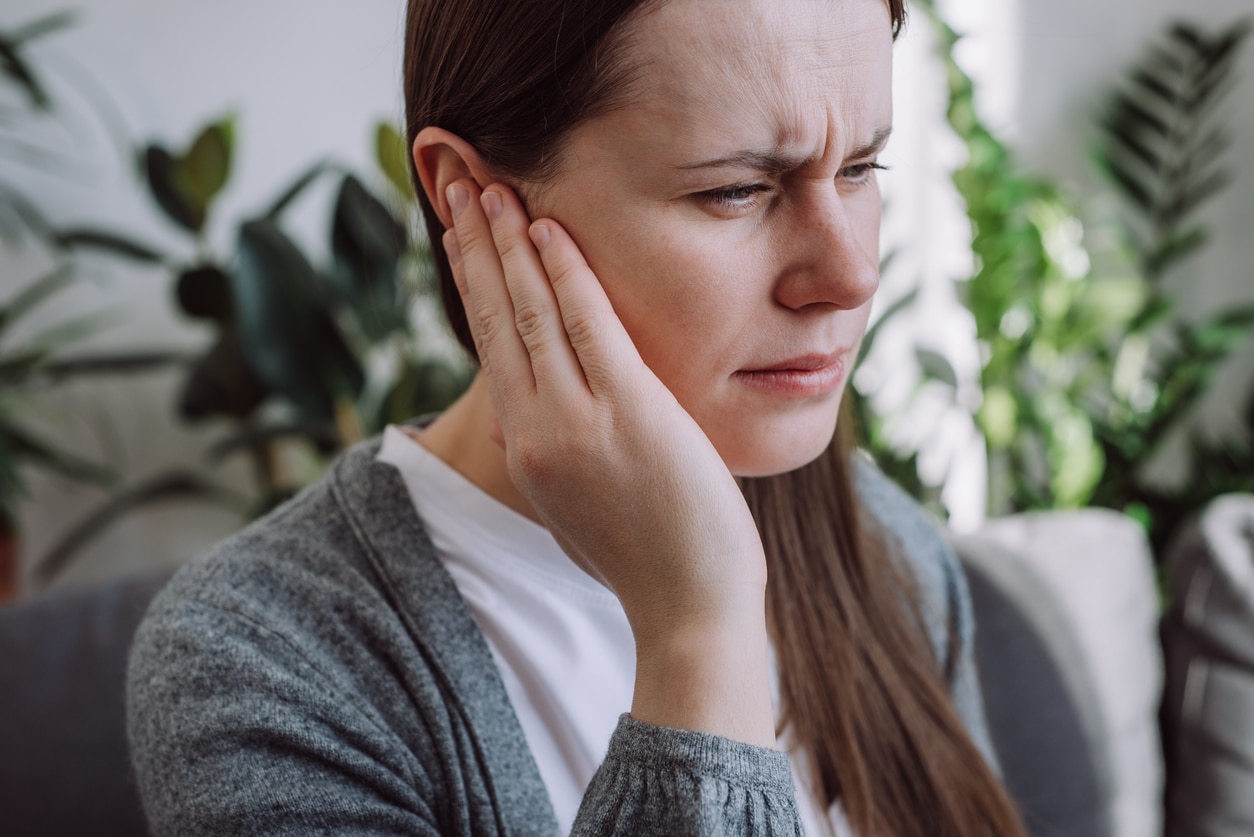
Many people believe ear infections only affect children, but adults get them too, especially with allergies or sinus issues.
Another myth is that all ear infections need antibiotics right away, when many mild cases actually clear on their own.
Some also think cold weather alone causes ear infections, but it is really the viruses and congestion common in colder months that trigger them.
Myth vs Fact Table
| Myth | Fact |
|---|---|
| Only children get ear infections | Adults get them too, often from allergies |
| Every infection needs antibiotics | Many mild cases resolve without medication |
| Cold air directly causes infections | Viruses and congestion are the real trigger |
| Ear infections are always contagious | The infection itself usually is not contagious |
Ear Infections and Sleep Quality
Ear pain and pressure often get worse at night because lying down changes fluid drainage in the middle ear.
Poor sleep from ongoing ear discomfort can weaken your immune response, which may make it harder to fully recover.
Propping your head up slightly with an extra pillow can ease nighttime pressure and improve comfort while healing.
Diet and Lifestyle Support for Ear Health
There is no single food that prevents ear infections, but a few lifestyle habits support overall ear and immune health.
Staying well hydrated helps thin mucus, making it easier for your body to clear congestion that can block the Eustachian tubes.
Limiting dairy during an active cold is sometimes recommended, since it may temporarily thicken mucus for some people.
Regular exercise and adequate sleep both support a stronger immune system, which helps your body fight off the viruses that often lead to ear infections.
Ear Infection vs Other Ear Conditions
It helps to know how an infection differs from other common ear problems, since treatment is not the same.
| Condition | Main Feature | Needs Antibiotics |
|---|---|---|
| Ear infection (otitis media) | Fluid and bacteria/virus behind eardrum | Sometimes |
| Earwax blockage | Buildup of wax, no infection | No |
| TMJ-related ear pain | Jaw joint pain radiating to ear | No |
| Tinnitus | Ringing with no infection present | No |
If your symptoms do not match a typical infection pattern, a doctor visit helps confirm exactly what is going on.
Caring for a Child With Frequent Ear Infections
Parents often feel overwhelmed when a child has repeated ear infections, but a few habits make a real difference.
Feeding infants in an upright position, rather than while lying flat with a bottle, reduces fluid entering the Eustachian tubes.
Keeping your child away from secondhand smoke and group daycare settings during a flare-up can lower reinfection risk.
Following through on the full course of any prescribed antibiotics, even after symptoms improve, helps prevent resistant bacteria from developing.
If your child has had three or more infections in six months, ask your pediatrician about a referral to an ENT specialist for further evaluation.
Quick Statistics on Ear Infections
Ear infections are one of the most frequently diagnosed conditions in early childhood, with most children experiencing at least one by age three.
Recurring infections are common enough that ear tube placement remains one of the most performed childhood surgeries requiring anesthesia.
In adults, ear infections are far less common overall, which is why repeated adult infections usually point to an underlying issue like allergies or sinus disease.
When to See a Doctor
You should not wait out symptoms that suggest a more serious problem.
See a healthcare provider if you have three or more ear infections within a year, or if symptoms last longer than two to three days.
Seek urgent care for a high fever, severe pain, facial weakness, or fluid draining from the ear, since these can signal a more serious infection.
Glossary of Key Ear Infection Terms
Understanding a few core terms makes it easier to follow what your doctor tells you during an appointment.
| Term | Meaning |
|---|---|
| Otitis Media | Infection of the middle ear |
| Otitis Externa | Infection of the outer ear canal |
| Eustachian Tube | Passage that drains fluid from the middle ear |
| Tympanoplasty | Surgery to repair the eardrum |
| Myringotomy | Small incision made to drain fluid from the eardrum |
| Effusion | Fluid buildup without active infection |
What an ENT Specialist Will Check
If your primary doctor refers you to an ENT specialist, expect a more detailed evaluation than a standard checkup.
The specialist will typically examine your eardrum with a microscope, check for structural issues, and may order a hearing test.
They will also ask about your history of infections, allergy symptoms, and any previous treatments that did or did not work.
This deeper evaluation helps identify whether medication, minor procedures, or allergy management is the right long-term path for you.
Building a Long-Term Ear Health Plan
Breaking the cycle of recurring ear infections usually takes more than one fix; it takes a combined plan.
Start by treating any underlying allergy or sinus issue consistently, not just when symptoms flare up.
Pair that with simple daily habits like drying your ears fully, avoiding smoke, and staying current on vaccinations.
If infections still return despite these steps, a specialist can explore procedures like ear tubes or eardrum repair for lasting relief.
Tracking how often infections occur, and under what circumstances, also gives your doctor useful patterns to work with at your next visit.
Frequently Asked Questions (FAQs)
1. Why do I keep getting ear infections as an adult?
Adults usually get recurring ear infections from allergies, sinus congestion, smoking, or Eustachian tube dysfunction. It is less common than in children but still needs evaluation.
2. Are recurring ear infections contagious?
The infection itself is not usually contagious, but the cold or virus that triggered it can be. Practicing good hygiene helps reduce spread.
3. Can allergies really cause ear infections?
Yes, allergies cause inflammation and mucus that block the Eustachian tubes. This trapped fluid creates ideal conditions for infection.
4. How many ear infections a year is considered too many?
Three or more infections in six months, or four or more in a year, is generally considered chronic and warrants an ENT referral.
5. Do ear infections go away without antibiotics?
Many mild ear infections clear on their own within a few days as the immune system fights off the virus or bacteria. Doctors often use watchful waiting first.
6. Can swimming cause repeated ear infections?
Yes, trapped water in the ear canal after swimming is a leading cause of swimmer’s ear, especially with frequent exposure. Drying ears well helps prevent this.
7. Is ear tube surgery the only fix for chronic infections?
No, ear tubes are one option for severe or repeated cases, but many people improve with allergy treatment or medication first. Surgery is usually a later step.
8. Can stress or poor sleep make ear infections more likely?
Chronic stress and poor sleep can weaken immune function, making it harder for your body to fight off the infections that lead to ear problems. It is an indirect but real link.
9. Why do my ear infections keep coming back even after antibiotics?
This can happen due to resistant bacteria, biofilms, or an unresolved cause like allergies or structural blockage. Persistent recurrence needs ENT evaluation.
10. Can untreated ear infections cause permanent hearing loss?
Repeated or long-lasting infections can damage the eardrum or middle ear structures, sometimes leading to lasting hearing loss. Prompt treatment lowers this risk significantly.
Conclusion
Recurring ear infections are frustrating, but they almost always have a clear, treatable cause.
Whether it is Eustachian tube dysfunction, chronic allergies, frequent colds, structural anatomy, or moisture exposure from swimming, identifying the root trigger is the key to breaking the cycle.
Home care like warm compresses and staying dry can ease symptoms, but true prevention comes from managing allergies, avoiding smoke exposure, and staying current on vaccinations.
Tracking your symptoms and triggers over time also gives your doctor valuable information for building a more targeted treatment plan.
If you are dealing with three or more infections a year, persistent fluid, or symptoms that will not clear, it is time to see an ENT specialist.
With the right diagnosis and a personalized treatment plan, most people can significantly reduce how often ear infections strike, protect their long-term hearing health, and finally break free from the constant cycle of pain and frustration.
