

Why do I bite my tongue when I sleep? It’s a question that sends many people searching in the middle of the night, tongue sore and confused about what just happened.
This kind of accidental biting usually points to an underlying nighttime habit or condition, not random bad luck.
In most cases, it links back to teeth grinding, jaw clenching, or a misaligned bite. Sometimes it signals something more serious, like sleep apnea or nighttime seizures.
What Does It Mean When You Bite Your Tongue in Your Sleep?

Tongue biting in sleep happens when your jaw muscles move involuntarily while you rest. Your tongue gets caught between your teeth during this movement.
It’s usually painless in the moment because you’re asleep. You only feel it the next morning when the soreness sets in.
This is different from biting your tongue while eating. Sleep-related biting is repetitive, unconscious, and often tied to a deeper pattern.
Common Causes of Tongue Biting During Sleep
There isn’t one single reason why people bite their tongue when they sleep. Several conditions can trigger it, and identifying yours is the first step to treatment.
Below are the most frequent causes dentists and doctors point to when patients ask why do I bite my tongue when I sleep.
1. Sleep Bruxism (Teeth Grinding)
Bruxism is the most common cause of nighttime tongue biting. It involves unconscious grinding or clenching of the teeth during sleep.
The jaw moves side to side or clamps down hard. This motion can trap the tongue between the teeth without you ever waking up.
2. Malocclusion (Misaligned Bite)
Malocclusion means your upper and lower teeth don’t line up correctly. This creates extra space where your tongue can slip.
When your jaw shifts during sleep, a misaligned bite makes accidental tongue trapping far more likely than a normal bite pattern.
3. Nighttime Seizures
Seizures that happen during sleep can cause sudden, forceful jaw clenching. Tongue biting is actually one of the classic warning signs of a nocturnal seizure.
If you wake up with a bitten tongue alongside confusion, bruising, or bladder leakage, this cause needs urgent medical evaluation.
4. Sleep Apnea
People with sleep apnea experience repeated pauses in breathing throughout the night. The body’s muscles react abnormally to restore airflow.
This reflex can trigger jaw movement and tongue biting, especially when paired with loud snoring or gasping for air.
5. Rhythmic Movement Disorder (RMD)
RMD is more common in children but can affect adults too. It causes repetitive body movements, often involving the head and jaw.
These involuntary jerks can easily push the tongue into the path of the teeth, leading to frequent nighttime injuries.
6. REM Sleep Behavior Disorder
During REM sleep, your body is normally still while you dream. In this disorder, muscles stay active, and people physically act out their dreams.
This can involve jaw movement or biting motions, which sometimes results in an injured tongue by morning.
7. TMJ Disorders
TMJ, or temporomandibular joint disorder, affects the hinge connecting your jaw to your skull. It often causes abnormal jaw movement.
This abnormal motion during sleep raises the risk of the tongue getting caught between the teeth repeatedly.
8. Stress and Anxiety
High stress levels are strongly linked to nighttime teeth grinding. Your body carries tension into sleep without you realizing it.
This tension often shows up as jaw clenching, which is one of the most common triggers behind tongue biting in sleep.
Quick Reference: Causes at a Glance
| Cause | Main Trigger | Typical Nighttime Behavior |
|---|---|---|
| Sleep Bruxism | Stress, misaligned bite | Grinding, clenching sounds |
| Malocclusion | Structural bite issue | Tongue slipping between teeth |
| Nighttime Seizures | Neurological activity | Sudden jaw clamping, confusion |
| Sleep Apnea | Breathing interruptions | Snoring, gasping, jaw jerks |
| Rhythmic Movement Disorder | Repetitive motor patterns | Head and jaw jerking |
| REM Sleep Behavior Disorder | Active muscles during dreams | Acting out dream movements |
| TMJ Disorder | Jaw joint dysfunction | Abnormal jaw shifting |
| Stress and Anxiety | Emotional tension | Unconscious clenching |
Signs You’re Biting Your Tongue While Sleeping
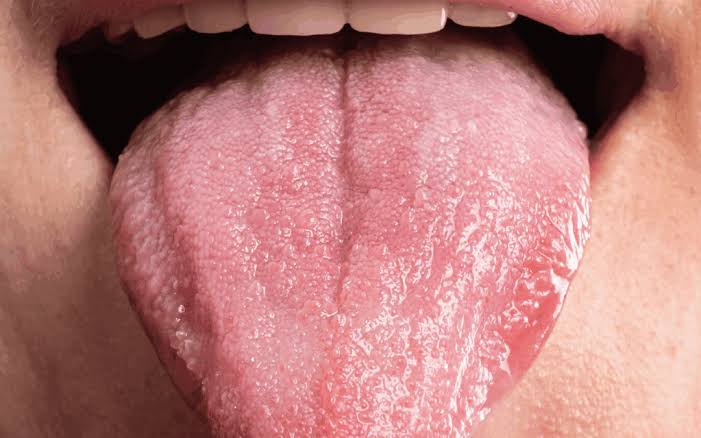
Many people don’t realize they bite their tongue in sleep until symptoms build up. Watch for these common indicators.
A sore or tender tongue in the morning is usually the first clue. It often feels worse along the edges.
You might also notice small cuts, indentations, or scalloping along the sides of your tongue where teeth have pressed repeatedly.
Jaw soreness, headaches, or a tight feeling around your face when you wake up often accompany tongue biting caused by grinding.
A sleep partner may report hearing grinding noises, choking sounds, or unusual jaw movement during the night.
Sign vs. Likely Cause Table
| Sign You Notice | Cause It Often Points To |
|---|---|
| Grinding sounds at night | Sleep bruxism |
| Confusion or bruising after waking | Nocturnal seizures |
| Loud snoring, gasping | Sleep apnea |
| Jaw pain and headaches | Bruxism or TMJ |
| Jerking movements during sleep | Rhythmic movement disorder |
| Acting out dreams physically | REM sleep behavior disorder |
Is Tongue Biting in Sleep Dangerous?
Occasional tongue biting isn’t usually a medical emergency. Most small bites heal within a few days on their own.
Repeated or severe biting is a different story. It can lead to ulcers, infection, chronic pain, or ongoing tooth damage over time.
If biting happens frequently, it’s worth investigating the root cause rather than just treating the symptom each time.
How Is the Cause Diagnosed?
A dentist is usually the first stop, especially if bruxism or malocclusion is suspected. They’ll examine your teeth for wear patterns.
Signs like flattened teeth, jaw tenderness, or scalloped tongue edges often confirm grinding-related tongue biting during an exam.
If a sleep disorder is suspected, your doctor may recommend a sleep study. This tracks breathing, movement, and brain activity overnight.
For suspected seizures, a neurologist may order tests like an EEG to check for unusual electrical activity in the brain.
Solutions and Treatments
Treatment for tongue biting in sleep always depends on the underlying cause. Here are the most effective options by condition.
Custom Night Guards
A custom-fitted night guard is the standard treatment for bruxism. It creates a physical barrier between your upper and lower teeth.
This doesn’t stop the grinding itself, but it protects your tongue and teeth from ongoing damage while you sleep.
Stress Management Techniques
Since stress is a major trigger for clenching, calming techniques can reduce nighttime tension significantly.
Meditation, light exercise, and relaxation routines before bed have all been shown to ease muscle tightness linked to grinding.
Improving Sleep Hygiene
A consistent bedtime routine helps regulate muscle activity during sleep. Avoiding screens and stimulants before bed supports this.
Cutting back on caffeine and alcohol in the evening can also reduce grinding episodes and abnormal nighttime movement.
Treating Sleep Apnea
If sleep apnea is the cause, treating the breathing disorder directly often resolves the tongue biting too.
CPAP therapy or an oral appliance can restore normal airflow, which reduces the reflexive jaw movements tied to apnea.
Orthodontic Treatment
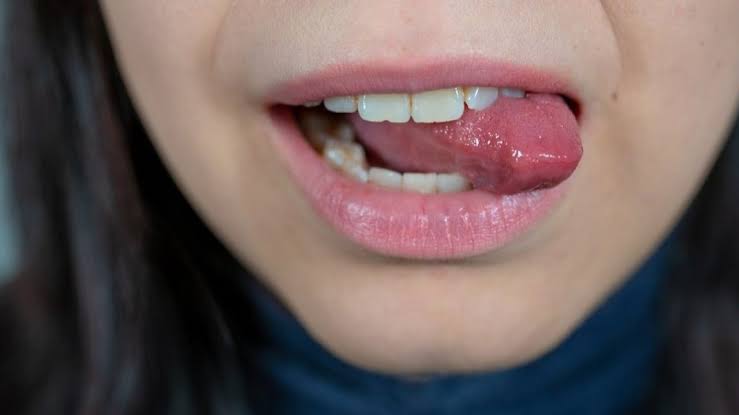
For malocclusion, an orthodontist may recommend braces, aligners, or other corrective options depending on severity.
Fixing the bite alignment reduces the space where your tongue can get trapped between your teeth at night.
Medical Evaluation for Seizures
If nighttime seizures are suspected, a neurologist will guide treatment, which may include medication or further monitoring.
This is not something to manage at home. Professional diagnosis is essential for safety and long-term control.
Cause-to-Solution Quick Table
| Cause | Recommended Solution |
|---|---|
| Sleep Bruxism | Custom night guard, stress reduction |
| Malocclusion | Orthodontic treatment |
| Sleep Apnea | CPAP therapy, oral appliance |
| Nighttime Seizures | Neurologist evaluation, medication |
| Rhythmic Movement Disorder | Medical monitoring, often improves with age |
| Stress and Anxiety | Relaxation techniques, therapy if needed |
Home Care for a Bitten Tongue
Rinse your mouth gently with cool water or a saltwater rinse to keep the area clean.
Avoid spicy, acidic, or crunchy foods for a day or two while the tissue heals.
Over-the-counter pain relief and a cold compress can ease swelling if the bite feels sore or inflamed.
When to See a Doctor
Seek medical attention if you notice heavy bleeding, pus, or a wound that isn’t healing after several days.
You should also get checked promptly if tongue biting happens alongside confusion, loud snoring, or unexplained bruising after sleep.
Frequent, repeated biting even without these signs is still worth mentioning to your dentist or doctor at your next visit.
Frequently Asked Questions (FAQs)
Why do I bite my tongue when I sleep?
It’s usually caused by sleep bruxism, a misaligned bite, or jaw movement linked to a sleep disorder. Stress often makes it worse.
Is it normal to bite your tongue every night?
No, nightly biting suggests an ongoing issue like grinding or a sleep disorder. It’s worth getting evaluated rather than ignoring it.
Can stress cause me to bite my tongue in my sleep?
Yes, stress commonly triggers jaw clenching and grinding at night. Managing stress can reduce how often it happens.
Does biting your tongue in sleep mean I have a seizure disorder?
Not always, but frequent biting with confusion or bruising is a warning sign. See a neurologist if this pattern occurs.
Can a night guard stop me from biting my tongue?
A night guard protects your tongue and teeth from damage. It doesn’t stop grinding but greatly reduces injury risk.
Why does my tongue have teeth marks on the edges?
This scalloping pattern usually points to chronic grinding or clenching pressing your tongue against your teeth repeatedly.
Is tongue biting in sleep linked to sleep apnea?
Yes, sleep apnea can trigger jaw movement during breathing interruptions, which sometimes results in accidental tongue biting.
How long does a bitten tongue take to heal?
Minor bites typically heal within three to five days. Larger wounds may take longer and should be monitored closely.
Can children bite their tongue in sleep too?
Yes, this is common with rhythmic movement disorder in children, which often improves naturally as they grow older.
When should I worry about biting my tongue at night?
Worry if it happens often, causes heavy bleeding, or comes with confusion, snoring, or unusual movements during sleep.
Conclusion
Waking up with a sore tongue and wondering why do I bite my tongue when I sleep is more common than most people realize.
In nearly every case, the cause traces back to something identifiable, whether it’s sleep bruxism, a misaligned bite, sleep apnea, or a nervous system-related condition like nighttime seizures.
The good news is that each of these causes has a clear treatment path, from custom night guards and orthodontic care to CPAP therapy and stress management.
Occasional tongue biting usually isn’t a major concern, but frequent or severe episodes deserve attention from a dentist or doctor.
Pay attention to the signs your body is giving you, from jaw soreness to scalloped tongue edges, and don’t wait to seek help if bleeding, confusion, or repeated injury becomes part of the pattern.
Identifying the root cause early is the most effective way to protect your tongue, your teeth, and your sleep quality long term.
