

Why are my boogers yellow? It’s one of the most searched health questions, and the short answer is: your immune system is fighting something.
Yellow boogers happen when white blood cells rush to your nasal passages to attack germs, then get flushed out in your mucus.
In most cases, this is completely normal and your body doing exactly what it’s supposed to do. But sometimes, yellow snot can hint at a sinus infection or bacterial issue that needs attention.
What Do Yellow Boogers Actually Mean?
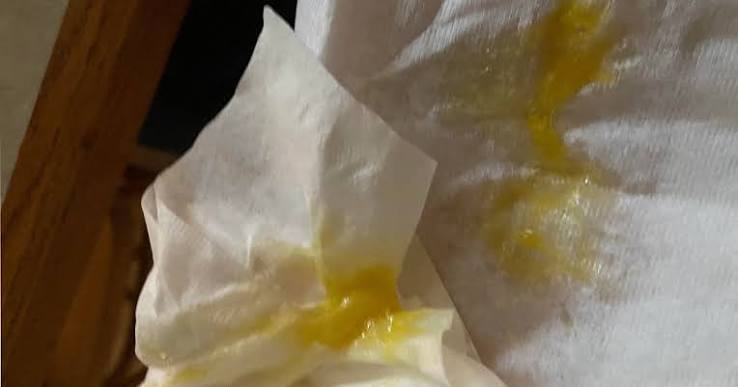
Yellow boogers are dried mucus that has changed color because of dead white blood cells. When your body detects a virus, bacteria, or irritant, immune cells swarm the area.
Those cells die off after fighting the invader. Their remains mix with mucus and turn it yellow. This is a visible sign your immune system is active.
Quick Answer: Why Are My Boogers Yellow?
In simple terms, yellow boogers usually mean you have a cold, sinus infection, or your body is clearing out allergens. The color itself is not dangerous.
Color alone cannot confirm a diagnosis. Doctors look at how long the color lasts, along with other symptoms like fever or facial pain, before deciding if treatment is needed.
Top Causes of Yellow Boogers
1. Common Cold or Viral Infection
The common cold is the number one reason for yellow snot. When you develop a cold or catch a virus, your immune system will often trigger mucus production to help trap pathogens.
This process usually resolves within a week to ten days without any treatment. Rest and fluids are typically all you need during this stage.
2. Sinus Infection (Sinusitis)
When inflammation advances and blocks your sinus passageways, it can trap mucus, cause bacteria to multiply, and transform into an infection, and you’ll likely see yellow or green snot along with facial pain and a sinus headache.
If this lingers past ten to twelve days, it may have shifted from viral to bacterial sinusitis, which sometimes needs antibiotics.
3. Allergies
Allergies can also trigger yellow-tinted mucus, especially as symptoms worsen over time. When your immune system reacts to allergens like pollen, dust mites, or other airborne irritants, it causes inflammation in your nasal passages.
Allergy-related mucus usually starts thin and clear before darkening. It’s often paired with sneezing, itchy eyes, or a scratchy throat rather than fever.
4. Chronic Sinusitis
Some people experience yellow snot for months, not days. If you continue experiencing yellow snot and other sinus infection symptoms for 12 or more weeks, this is usually a sign that your inflammation hasn’t resolved and likely even worsened.
Chronic sinusitis often needs a doctor’s evaluation, imaging, or long-term management rather than a quick fix.
5. Foreign Object in the Nose (Common in Kids)
The presence of foreign bodies in the nasal passages may also cause yellow or green snot. This is especially common in toddlers and young children.
If only one nostril produces yellow or foul-smelling discharge, a foreign object is a likely cause and warrants a pediatric check-up.
6. Dehydration and Thickened Mucus
When you’re dehydrated, mucus becomes thicker and drains more slowly. Slow-moving mucus sits longer in your sinuses, giving white blood cells more time to build up.
This can make ordinary mucus appear more yellow than usual, even without a true infection present.
Yellow Boogers vs. Green Boogers: What’s the Difference?
Yellow and green snot are often grouped together, but they’re not identical. Both point to an active immune response, just at different intensities.
Green mucus means that the infection is a bit stronger, as more white blood cells have been working overtime to fight it off.
Yellow is usually the earlier, milder stage. Green often shows up when the immune response has been running longer or is more intense.
Booger and Snot Color Chart
| Color | What It Usually Means | Cause for Concern? |
|---|---|---|
| Clear | Healthy, normal mucus production | No |
| White | Mild congestion, early cold | Usually no |
| Yellow | Immune system fighting infection | Sometimes |
| Green | Stronger, longer immune response | Monitor closely |
| Pink/Red | Dried blood from irritation | Usually no |
| Brown | Dust, smoke, or old blood | Usually no |
| Black | Possible fungal infection | Yes, see a doctor |
Is Yellow Snot Always a Sign of Infection?

Not always. Yellow mucus does not always indicate a bacterial infection; viruses or allergies can produce similar discoloration.
Color is one clue among many. Duration, thickness, and accompanying symptoms matter far more than color alone.
That said, research does show a pattern worth noting. One study found that over 80% of patients with darker yellow or greenish sputum had bacterial presence, compared with only 6% in lighter-colored mucus.
So darker, thicker yellow mucus is more likely tied to bacteria than pale yellow mucus.
Yellow Boogers in the Morning: Why It Happens
Many people notice yellow boogers specifically after waking up. This is usually not a new problem, just a buildup issue.
Mucus flow slows down while you sleep. This gives white blood cells and debris more time to collect overnight, which is why morning mucus often looks darker or more yellow.
Yellow Boogers with No Other Symptoms
If you only have yellow boogers and feel otherwise fine, it’s usually mild and not worth worrying about.
Your body may simply be clearing out dust, pollen, or minor irritants. As long as there’s no fever, pain, or thick green discharge, this typically resolves on its own within a few days.
Symptoms That Mean It Could Be a Bacterial Infection
Not every yellow booger needs medical care, but some warning signs matter. Watch for mucus that turns thick, becomes dark yellow or green, and lasts longer than 10 days.
Facial pressure or pain, especially around the forehead, eyes, and cheeks, is another red flag worth tracking.
Also watch for nasal congestion that doesn’t improve or worsens over time, along with post-nasal drip, bad breath, or a foul taste in your mouth.
A persistent headache, tooth pain in the upper jaw, facial swelling near the eyes, or a fever lasting more than three days all suggest it’s time to get checked.
Symptom Checklist Table
| Symptom | Likely Meaning |
|---|---|
| Lasts under 10 days | Normal cold response |
| Lasts over 10 days | Possible bacterial sinusitis |
| Facial pain or pressure | Sinus involvement |
| Fever over 3 days | Needs medical evaluation |
| Foul smell, one nostril | Possible foreign object |
| Thick dark yellow/green | Higher bacterial likelihood |
How to Get Rid of Yellow Boogers Fast
Most yellow booger cases clear up with simple home care. Staying hydrated helps keep your mucus thin and supports easier sinus drainage.
Using a saline nasal spray or rinse during dry weather or allergy season helps flush out irritants and keeps your nasal passages from drying out. A humidifier can help too.
If allergies are the trigger, using a saline rinse to flush out irritants, showering after being outside to remove pollen, and staying hydrated can all help keep symptoms under control.
Home Remedy Table
| Remedy | How It Helps |
|---|---|
| Saline nasal spray/rinse | Flushes irritants, thins mucus |
| Humidifier | Adds moisture, eases drainage |
| Drink more fluids | Thins mucus naturally |
| Warm compress | Eases facial pressure |
| Steam inhalation | Loosens thick mucus |
| Avoid smoke/pollutants | Reduces irritation |
Does Blowing Your Nose Help or Hurt?
Gentle nose blowing can help clear built-up mucus and reduce pressure. Aggressive blowing, though, can push mucus deeper into the sinuses.
It can also irritate nasal tissue enough to cause light bleeding. Blow one nostril at a time, gently, and avoid forcing it repeatedly.
When to See a Doctor or ENT Specialist
Home care works for most cases, but not all. If your symptoms have lasted longer than 10 days, or you’ve had multiple sinus infections in the past year, it may be time to see a specialist.
The same goes if over-the-counter medications haven’t given you relief, or you have persistent facial pressure or swelling.
Struggling with post-nasal drip, smell loss, or a nasal blockage that makes breathing difficult are also signs to talk to an ENT expert.
Yellow Boogers in Children: What Parents Should Know
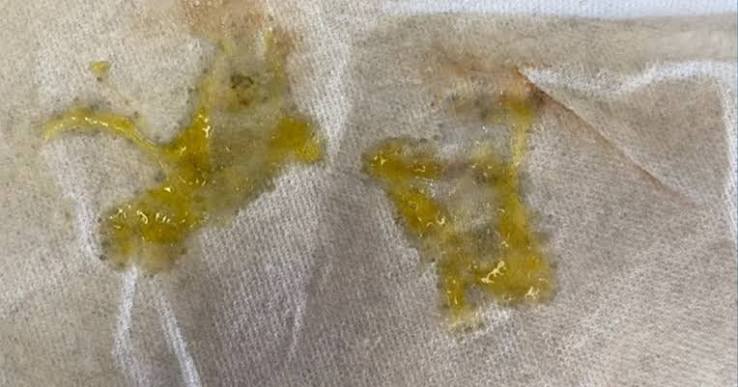
Kids get yellow and green mucus often, and it’s rarely a big deal. As white blood cells work harder to fight off germs, waste products build up and can turn snot green, which is common with sinus or lung infections.
Usually, yellow or green snot is not something to be concerned about, but if a child is sick for more than 10 days with fevers, cough, and difficulty breathing, call the pediatrician.
For infants, gentle bulb suctioning combined with saline drops can make breathing much easier during a cold.
Can Sleep Position or Weather Make It Worse?
Dry indoor air, especially in winter, can thicken mucus and make it look darker. Sleeping flat can also worsen nighttime buildup.
Propping your head up slightly and running a cool-mist humidifier overnight can reduce morning congestion and yellow discharge.
Yellow Boogers and Bad Breath: Is There a Link?
Yes, there can be a connection. Thick mucus, especially from sinus infections, often drips down the back of the throat.
This post-nasal drip can lead to bad breath or a foul taste in the mouth alongside the yellow discharge, particularly when infection is present.
Prevention Tips to Avoid Recurring Yellow Snot
Preventing repeat infections is often easier than treating them. Basic hygiene and environmental control make the biggest difference.
Being proactive during allergy season by talking to a doctor about a management plan, including antihistamines or immunotherapy, can prevent flare-ups.
Avoiding pollutants like smoke, dust, and chemicals as much as possible also reduces irritation that leads to yellow mucus.
Washing your hands regularly, staying hydrated, and using a humidifier in dry months all help lower your risk of frequent yellow snot.
Snot vs. Boogers: What’s the Difference?
Snot and boogers are the same substance in different forms. Snot is essentially mucus that’s visible, often as a result of blowing your nose.
As mucus dries out, it forms boogers, the more solid, crusty version of snot. Both work together to protect your respiratory health, whether wet or dry.
Why Do Boogers Form in the First Place?
Boogers exist because mucus does an important job. Your sinuses produce snot as protection against the outside world and its many viruses and other dangers.
Mucus traps dust, allergens, pollen, and microbes before they reach your lungs. As it dries near your nostrils, it forms the crusty texture we know as boogers.
Yellow Mucus in the Throat: Is It the Same Thing?
Yellow mucus isn’t limited to your nose. It can also show up in your throat, especially with post-nasal drip or a chest cold.
Thick yellow mucus from the throat usually reflects the same immune response happening in your sinuses, just draining downward instead of forward.
Yellow Phlegm When Coughing: What It Means
Yellow phlegm from a cough points to your lungs and airways, not just your nose. Coughing up yellow mucus is common with bronchitis or a lingering chest cold.
If yellow phlegm becomes green, thick, or is joined by wheezing and shortness of breath, it’s worth getting checked by a doctor.
Does Diet or Hydration Affect Mucus Color?

Diet doesn’t directly change mucus color, but hydration levels do. Low fluid intake thickens mucus, making it look darker and more concentrated.
Spicy foods and dairy are sometimes blamed for thicker mucus, though the evidence is mixed. Staying well-hydrated remains the most reliable way to keep mucus thin and light.
Quick Comparison Table
| Question | Simple Answer |
|---|---|
| Is yellow mucus contagious? | Only if caused by a viral or bacterial infection |
| Does yellow always mean bacteria? | No, viruses and allergies can cause it too |
| Is dark yellow worse than pale yellow? | Often yes, darker can suggest bacteria |
| Can stress cause yellow mucus? | Not directly, but stress can weaken immunity |
Common Myths About Yellow Boogers
There are several myths worth clearing up. One popular myth is that yellow or green snot always means you need antibiotics.
In reality, most colds and even many sinus infections are viral, so antibiotics won’t help and may not be prescribed at all.
Another myth is that booger color alone can diagnose the problem. Doctors rely on symptom duration, severity, and physical exams, not color by itself.
Yellow Boogers and COVID-19 or Flu
Yellow mucus can appear with COVID-19 or the flu, though it’s not a defining symptom of either. Both illnesses more commonly cause fever, body aches, and fatigue first.
If yellow mucus appears alongside a high fever, loss of taste or smell, or severe fatigue, testing for flu or COVID-19 may be worthwhile.
How Doctors Diagnose the Cause of Yellow Snot
Doctors typically start with a physical exam and a review of how long symptoms have lasted. They check for facial tenderness, swelling, and fever.
In persistent or severe cases, they may use nasal endoscopy or imaging like a CT scan to look at the sinuses directly.
For chronic or recurring cases, allergy testing may also be recommended to identify environmental triggers behind the mucus changes.
Over-the-Counter Options for Yellow Snot Relief
Several over-the-counter products can ease symptoms while your body fights off the underlying cause. Decongestants can temporarily reduce swelling in nasal passages.
Antihistamines help if allergies are the trigger, reducing inflammation and mucus production. Saline sprays remain one of the safest options for daily use.
Pain relievers like acetaminophen or ibuprofen can help with facial pressure or headache that sometimes accompanies yellow mucus.
OTC Options Table
| Product Type | Best For |
|---|---|
| Saline spray/rinse | Daily relief, safe for regular use |
| Decongestant | Short-term nasal swelling relief |
| Antihistamine | Allergy-triggered yellow mucus |
| Pain reliever | Facial pressure or headache |
Long-Term Sinus Health Tips
Keeping your sinuses healthy long-term goes beyond treating one episode of yellow snot. Small daily habits add up over time.
Using a humidifier during dry seasons, avoiding smoke exposure, and managing allergies proactively all reduce how often yellow mucus shows up.
Regular hand washing and staying current on vaccines also lower your risk of the viral infections that commonly trigger yellow snot in the first place.
Yellow Boogers with Blood: Should You Be Concerned?
Seeing streaks of blood in yellow mucus can be alarming, but it’s often minor. A small amount of blood in the mucus is common and is often related to inflammation and irritation of the nasal tissues.
This usually happens with viral infections or allergies, especially from frequent nose blowing or use of nasal sprays that dry out the tissue.
If bleeding is heavy, frequent, or paired with dizziness, seek medical attention rather than waiting it out at home.
Yellow Boogers vs. a Foreign Object: How to Tell the Difference in Kids
Parents sometimes struggle to tell a simple cold apart from a foreign object stuck in a child’s nose. A cold typically causes symptoms in both nostrils at once.
A foreign object usually causes symptoms in just one nostril, often with a strong foul odor and thick, discolored discharge that doesn’t match typical cold symptoms.
If you suspect a foreign object, avoid trying to remove it yourself. A quick visit to a pediatrician or urgent care is the safest option.
Related Searches People Also Ask
People searching this topic often also wonder about green snot causes, yellow snot with blood, thick yellow mucus in the throat, and yellow phlegm when coughing. These all tie back to the same core idea: your immune system responding to something in your airway.
Frequently Asked Questions (FAQs)
1. Are yellow boogers a sign of infection?
Not always. They usually mean your immune system is active, which can be from a cold, allergies, or a mild infection.
2. How long do yellow boogers usually last?
Most clear up within 7 to 10 days as a cold or minor infection resolves on its own.
3. Should I worry about yellow snot with no other symptoms?
Usually not. Without fever or facial pain, it’s likely just your body clearing minor irritants.
4. What’s worse, yellow or green boogers?
Green often signals a slightly stronger or longer immune response, but neither color alone confirms severity.
5. Can allergies cause yellow boogers?
Yes, allergies can thicken and darken mucus over time, especially with ongoing exposure to allergens.
6. Why are my boogers yellow only in the morning?
Mucus builds up overnight while you sleep, making it appear darker or more yellow upon waking.
7. When should I see a doctor for yellow snot?
See a doctor if it lasts over 10 days, comes with fever, or causes facial pain and pressure.
8. Can dehydration cause yellow boogers?
Yes, dehydration thickens mucus, which can make it appear darker even without an active infection.
9. Do yellow boogers mean I need antibiotics?
Not automatically. Antibiotics are only needed for confirmed bacterial infections, not color alone.
10. Is it normal for kids to get yellow boogers often?
Yes, it’s common and usually harmless unless paired with a high fever or symptoms lasting past 10 days.
Conclusion
Yellow boogers are usually a normal, healthy sign that your immune system is doing its job. In most cases, they come from a common cold, mild sinus irritation, or allergies, and clear up on their own within a week or so.
Paying attention to how long the color lasts, along with symptoms like fever, facial pain, or thick discharge, gives you a much clearer picture than color alone ever could.
Simple home care, like staying hydrated, using saline rinses, and running a humidifier, resolves most cases quickly.
If yellow snot lingers past ten days, worsens, or comes with pressure and fever, it’s worth checking in with a doctor. For everyday cases, though, yellow boogers are rarely something to panic about.
