

Why Is Tacrolimus Ointment So Expensive and if you just picked up your prescription, the price tag probably shocked you.
This powerful topical medication treats eczema and other inflammatory skin conditions when standard steroid creams stop working.
But between brand-name Protopic and even generic versions, patients routinely pay $150 to $300 per tube without insurance.
What Is Tacrolimus Ointment?
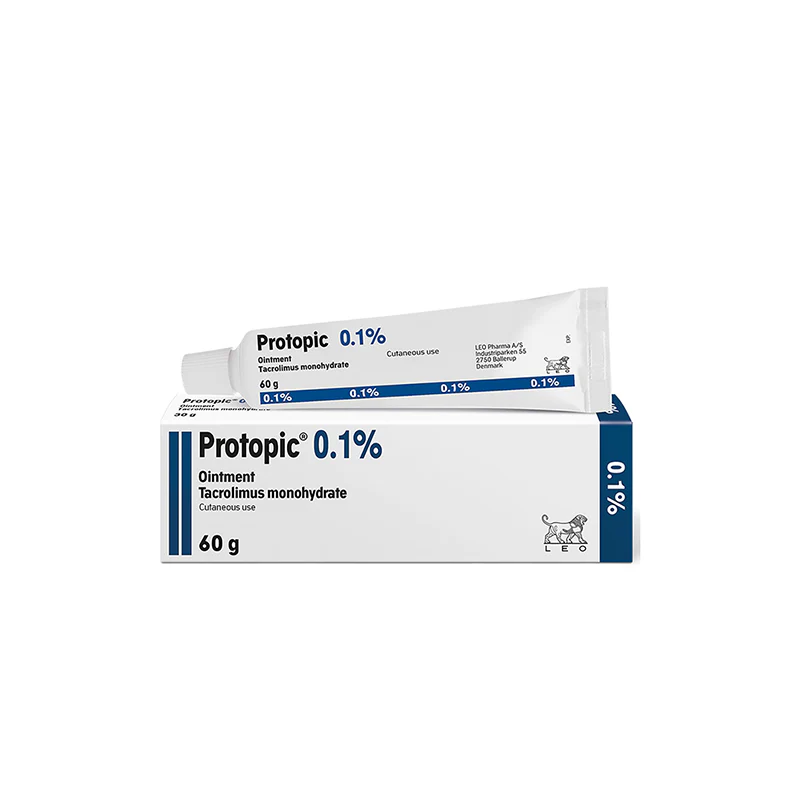
Tacrolimus ointment is a calcineurin inhibitor used to treat moderate to severe atopic dermatitis (eczema). It works by blocking calcineurin, a protein that triggers immune responses in the skin.
Unlike steroid creams, it does not cause skin thinning, making it a preferred long-term option. Doctors often prescribe it when corticosteroids have failed or are not suitable for sensitive areas like the face.
Brand Name vs. Generic: What Is the Difference?
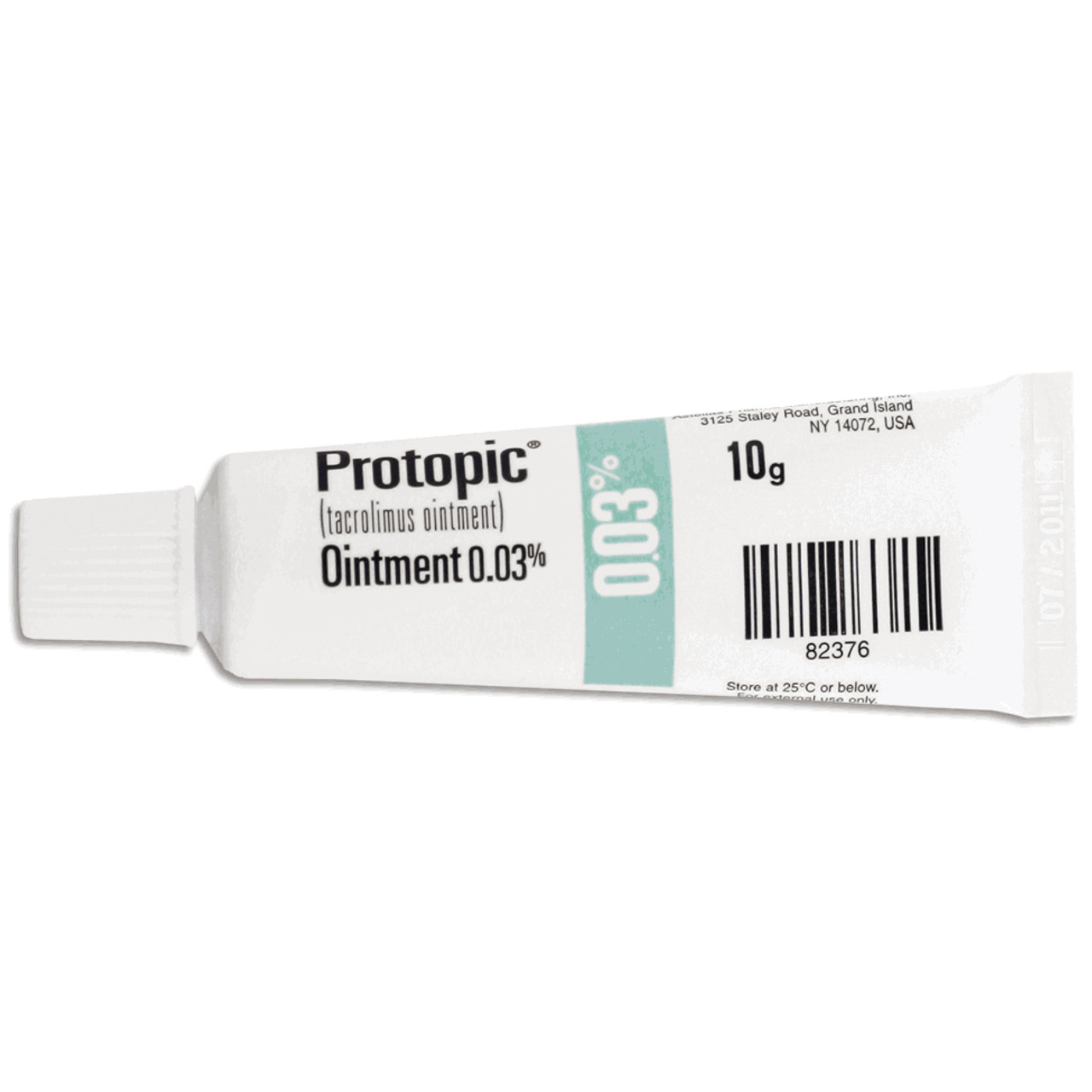
The brand-name version is called Protopic, made by Astellas Pharma. The generic version contains the same active ingredient but is sold under the name tacrolimus topical ointment.
Brand-name Protopic is significantly more expensive because its price covers original R&D, marketing, and profit margins. Generic versions are cheaper but still cost far more than most other generic drugs.
| Version | Strength | Average Retail Price (30g) |
|---|---|---|
| Brand Protopic | 0.03% | $200 – $400+ |
| Brand Protopic | 0.1% | $250 – $450+ |
| Generic Tacrolimus | 0.03% | $51 – $150 |
| Generic Tacrolimus | 0.1% | $59 – $180 |
Why Is Tacrolimus Ointment Still Expensive Even as a Generic?
Most generic drugs are cheap. Tacrolimus is not. Here is why that gap exists and why it matters.
Complex and Costly Manufacturing Process
Tacrolimus ointment cannot be produced like a typical topical cream. The raw active pharmaceutical ingredient (API) is expensive to produce and must meet extremely strict purity standards.
The ointment can only be made in small batches using highly specialized equipment. Small batch sizes spread fixed production costs across fewer units, meaning each tube costs more to produce.
Expensive Active Pharmaceutical Ingredient
The tacrolimus molecule itself is difficult and costly to synthesize. It is derived from a soil bacterium called Streptomyces tsukubaensis and requires a complex fermentation and purification process.
This complexity means even the raw material is expensive before any manufacturing even begins. Generic manufacturers face the same ingredient cost as brand-name producers.
Years of Research and Development Costs
Bringing tacrolimus to market required years of animal studies, multi-phase clinical trials, and FDA submission fees. These development costs ran into hundreds of millions of dollars.
Even generic makers invest in their own bioequivalence studies and manufacturing optimization. These R&D costs get baked into the final price that patients pay at the pharmacy.
Regulatory Approval and Compliance Costs
Before any version of tacrolimus ointment can be sold, it must pass rigorous FDA safety and efficacy reviews. Regulatory submissions, quality control testing, and Good Manufacturing Practice (GMP) compliance all cost money.
Generic manufacturers must also maintain ongoing compliance with stability studies and inspections. These recurring costs keep the price elevated even years after patent expiration.
The FDA Black Box Warning Effect
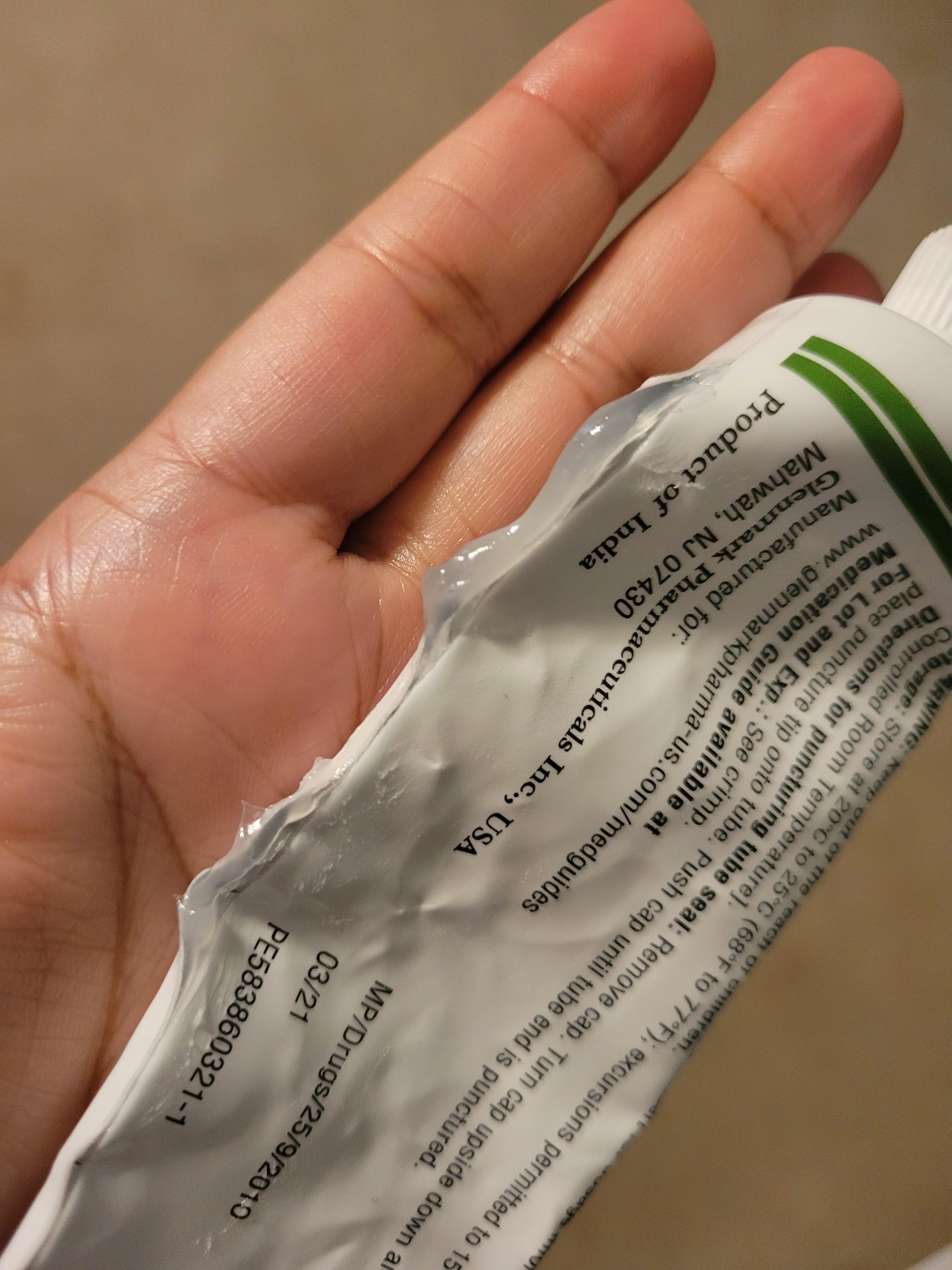
In 2005, the FDA placed a black box warning on tacrolimus ointment. The warning cited rare cases of malignancy observed in patients using the drug, noting that long-term safety data was insufficient at that time.
A black box warning is the FDA’s most serious safety label. It restricted how the drug could be marketed, limited which patients felt comfortable using it, and directly reduced the market size.
A smaller market means fewer units sold. Fewer units sold means fixed manufacturing costs are spread across a smaller volume, driving up the per-tube price. Dermatology experts have argued since at least 2024 that the warning likely overstates the risk of topical use, since skin absorption leads to minimal systemic exposure.
Limited Market Competition
Despite the patent on Protopic expiring, not many generic manufacturers entered the tacrolimus ointment market. The complicated manufacturing process and FDA black box warning discouraged competitors.
Fewer competitors means less price pressure. With only a handful of generic producers, prices stay higher than they would in a saturated generic market.
Supply Chain and Distribution Costs
Manufacturers must source specialty ingredients, maintain cold-chain requirements during storage in some cases, and distribute through pharmacy networks. These logistics costs are not trivial.
Each step — from raw ingredient sourcing to warehouse storage to pharmacy shelf — adds cost. Those costs are passed directly to the patient at the counter.
How Much Does Tacrolimus Ointment Cost in 2026?
Prices vary significantly by strength, quantity, insurance status, and pharmacy. Here is a realistic breakdown of what patients pay in 2026.
| Scenario | Estimated Cost (30g tube, 0.1%) |
|---|---|
| Retail without insurance | $150 – $300 |
| With GoodRx coupon | $37 – $60 |
| With SingleCare coupon | $37 – $65 |
| Medicare Part D copay | $0 – $191 |
| With patient assistance program | Free or near-free |
Tacrolimus vs. Competing Eczema Treatments: Cost Comparison
Understanding how tacrolimus compares to other options helps you see where it fits in the treatment landscape and what alternatives may cost less.
| Treatment | Type | Approximate Monthly Cost |
|---|---|---|
| Hydrocortisone cream (OTC) | Corticosteroid | $5 – $15 |
| Clobetasol propionate (Rx) | Corticosteroid | $15 – $40 |
| Tacrolimus ointment (generic) | Calcineurin inhibitor | $50 – $150 |
| Pimecrolimus cream (Elidel) | Calcineurin inhibitor | $100 – $200 |
| Dupilumab (Dupixent) | Biologic injection | $1,500 – $3,000 |
Tacrolimus wholesale cost is roughly $2 per gram, compared to about $1 per gram for generic clobetasol propionate. It is not the most expensive eczema drug, but it is far pricier than standard steroid alternatives.
Why Is Protopic More Expensive Than Generic Tacrolimus?
Protopic is the original brand-name formulation. Astellas Pharma priced it to recover the enormous development investment and generate profit while the patent was active.
Even after the patent expired in 2012, Protopic pricing remained high because the company retained a loyal prescriber base and incurred ongoing marketing expenses. Generics undercut the price but not by as much as in most therapeutic categories.
Does Insurance Cover Tacrolimus Ointment?
Most insurance plans including Medicare Part D and many commercial plans do cover tacrolimus ointment. However, coverage level, copay amount, and tier placement vary widely by plan.
Some plans require prior authorization or step therapy, meaning you may need to try and fail a steroid cream first before coverage kicks in. Always check your formulary and ask your doctor to help with prior authorization paperwork if needed.
Real Ways to Save Money on Tacrolimus Ointment in 2026
You do not have to pay full retail price. Several proven cost-cutting strategies work in 2026.
Use a GoodRx or SingleCare Coupon
GoodRx and SingleCare both offer free discount coupons that can reduce the retail price of generic tacrolimus by up to 80%. With a GoodRx coupon, you may pay as little as $37 to $60 for a 30g tube of 0.1% generic tacrolimus.
These coupons do not require insurance. You simply show the digital or printed coupon to your pharmacist. Prices vary by pharmacy, so compare a few locations for the best deal.
Compare Pharmacies
Prices for the same drug can differ by $50 to $100 between pharmacies even in the same city. Walmart, Costco, and independent pharmacies often beat major chains on generic drug pricing.
Use a price comparison tool like GoodRx, SingleCare, RxSaver, or Optum Perks to identify the cheapest option near you before you fill your prescription.
Ask About a 90-Day Supply
Many pharmacies and insurance plans charge less per unit when you fill a 90-day supply versus a 30-day supply. If your condition requires long-term use, this can add up to meaningful annual savings.
Mail-order pharmacies affiliated with your insurance plan often offer the lowest prices on 90-day fills. Ask your insurer or pharmacy benefit manager about this option.
Apply for a Patient Assistance Program
If you are uninsured or have low income, pharmaceutical patient assistance programs can provide tacrolimus at little to no cost. The Astellas Cares program offers Protopic at no cost to eligible uninsured or low-income patients.
Nonprofit organizations like the American Kidney Fund also offer prescription assistance for patients who cannot afford their medications. Ask your doctor or pharmacist to help you apply.
Consider a Canadian Pharmacy
In Canada, prescription drug prices are regulated by the government, which keeps them much lower than US retail prices. Licensed Canadian pharmacies can legally ship tacrolimus to US patients with a valid US prescription.
Prices can be 50 to 80 percent lower than US retail. This is especially useful for brand-name Protopic, where the savings are largest. Make sure any Canadian pharmacy you use is verified and licensed.
Ask Your Doctor About Alternatives
If cost is a serious barrier, discuss alternatives with your dermatologist. Pimecrolimus cream (Elidel) is another calcineurin inhibitor that works similarly and may be covered differently by your plan.
Topical corticosteroids remain effective for many patients and cost a fraction of tacrolimus. Your doctor can help you weigh clinical and financial trade-offs.
Is Tacrolimus Ointment Worth the Cost?
For many patients, yes. Tacrolimus does not cause skin thinning, a major drawback of long-term steroid use. It is especially valuable for eczema on the face, eyelids, and skin folds where steroid side effects are most problematic.
Studies confirm it is more cost-effective than high-potency corticosteroids when used in targeted two-week treatment cycles. The ability to manage flare-ups without skin atrophy often justifies the higher price for dermatologists and their patients.
What Are the Two Strengths of Tacrolimus Ointment?
Tacrolimus ointment comes in two concentrations: 0.03% and 0.1%.
The 0.03% strength is approved for children aged 2 to 15 and adults. The 0.1% strength is approved only for adults 16 years and older. The higher concentration is generally more effective but also more expensive per gram.
Will Tacrolimus Ointment Get Cheaper?
The tacrolimus market has been dominated by generics since patent expiration in 2012. Generic prices have declined steadily and are projected to stabilize around $0.65 to $0.70 per mg by 2030.
New generic manufacturers entering the market and increasing competition could push prices lower in coming years. However, the black box warning and complex manufacturing still limit how aggressively prices can fall.
Tacrolimus Ointment and the Black Box Warning: Should You Be Worried?
The 2005 black box warning cited rare malignancy cases, but dermatology experts have pointed out for years that the evidence for topical use is very weak. Systemic absorption through the skin is minimal compared to oral tacrolimus used in transplant patients.
Medical literature as recently as 2024 has called for revising or removing the warning. Most dermatologists consider topical tacrolimus safe when used as directed. Discuss any cancer-related concerns with your doctor before starting treatment.
How to Use Tacrolimus Ointment Correctly
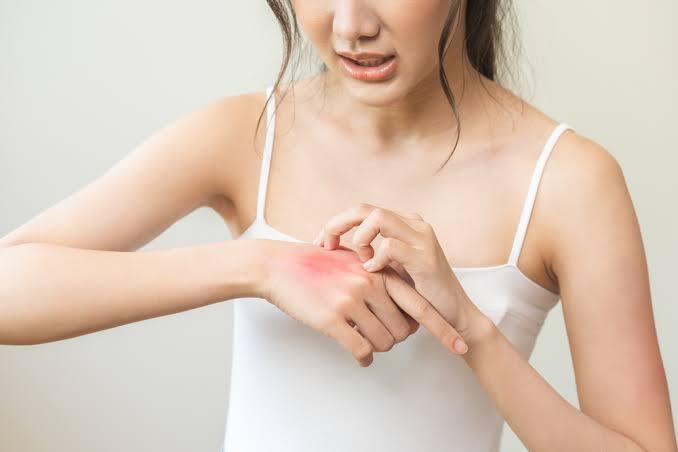
Apply a thin layer to the affected skin area twice daily. Do not cover treated areas with bandages or wraps unless your doctor advises it.
Avoid the sun and use sunscreen on treated areas, as calcineurin inhibitors may increase photosensitivity. Most patients see improvement within one to two weeks of consistent use.
Summary: Why Is Tacrolimus Ointment So Expensive?
| Cost Factor | Impact on Price |
|---|---|
| Complex API synthesis | High raw material cost |
| Small-batch manufacturing | High per-unit production cost |
| FDA black box warning | Suppressed market, fewer competitors |
| R&D and regulatory costs | Baked into market pricing norms |
| Limited generic competition | Reduced price pressure |
| Supply chain and distribution | Added cost at every step |
Frequently Asked Questions (FAQs)
Why is tacrolimus ointment so expensive compared to other eczema creams?
It requires a complex manufacturing process, expensive raw ingredients, and carries an FDA black box warning that limits market size and competition, all of which push the price up.
Is generic tacrolimus ointment as effective as Protopic?
Yes. Generic tacrolimus contains the exact same active ingredient at the same concentration and is FDA-approved as bioequivalent to Protopic.
How much does tacrolimus ointment cost without insurance in 2026?
Without insurance, expect to pay $150 to $300 for a 30g tube at retail. With a GoodRx or SingleCare coupon, that drops to roughly $37 to $65.
Does Medicare cover tacrolimus ointment?
Yes, Medicare Part D and Medicare Advantage plans typically cover tacrolimus ointment, with copays generally ranging from $0 to $191 depending on your specific plan.
Can I use GoodRx with my insurance to lower the cost?
You cannot combine GoodRx with insurance in the same transaction, but if the GoodRx coupon price is lower than your insurance copay, you can choose to use the coupon instead.
Why did the FDA put a black box warning on tacrolimus ointment?
In 2005, rare malignancy cases were observed, and long-term safety data was insufficient to rule out cancer risk. Most dermatologists today consider topical use safe at approved doses.
Is there a patient assistance program for tacrolimus ointment?
Yes, the Astellas Cares program provides Protopic at no cost to eligible uninsured or low-income patients. Your doctor or social worker can help you apply.
What is the difference between tacrolimus 0.03% and 0.1% ointment?
The 0.03% strength is approved for children and adults, while the 0.1% strength is for adults only and is generally more effective for moderate to severe eczema.
Are there cheaper alternatives to tacrolimus ointment for eczema?
Yes. Topical corticosteroids like clobetasol propionate cost far less and are effective for many patients. Pimecrolimus cream is another calcineurin inhibitor alternative worth discussing with your doctor.
Will tacrolimus ointment prices fall in the future?
Prices are projected to gradually decline as more generics enter the market, with per-mg prices expected to stabilize around $0.65 to $0.70 by 2030, though the FDA black box warning continues to limit competition.
Conclusion
Tacrolimus ointment is expensive because nearly every step of its journey from lab to pharmacy adds cost. The raw ingredient is hard to synthesize.
Manufacturing requires specialized equipment and small batches. Regulatory approvals cost millions. The FDA black box warning scared away competitors and shrunk the market.
And with fewer manufacturers competing, there is less pressure to lower prices.
That said, you are not powerless. Free discount coupons from GoodRx and SingleCare can cut your out-of-pocket cost by up to 80 percent.
Patient assistance programs can bring the price to zero if you qualify.
Comparing pharmacies, filling 90-day supplies, and exploring Canadian pharmacy options are all viable strategies in 2026.
Talk to your dermatologist about whether tacrolimus is the right choice for you and which savings options fit your situation best.
