

Why does the heel of my foot hurt? If your first steps out of bed feel like stepping on a pin, you are not alone.
Heel pain is one of the most common foot complaints, and it almost always traces back to a handful of well-known conditions rather than something rare or unusual.
The good news is that most causes are not serious and respond well to simple home care within a few weeks.
Quick Answer: The Most Common Causes of Heel Pain
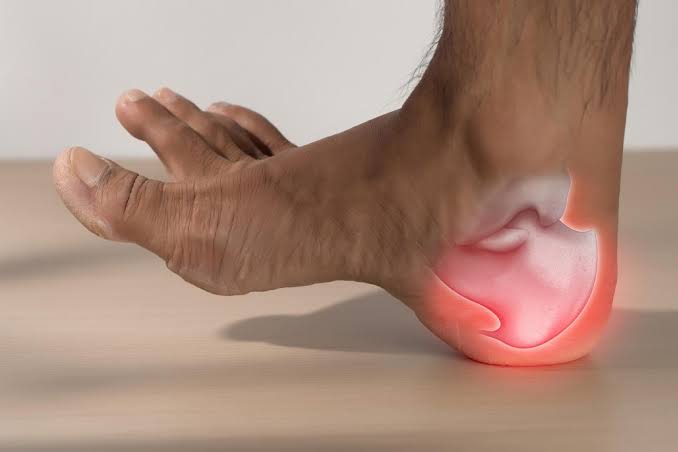
In most cases, heel pain comes from plantar fasciitis, heel spurs, or Achilles tendinitis.
Less commonly, it can be caused by a stress fracture, bursitis, nerve compression, or a worn-down fat pad.
The exact spot where it hurts — bottom of the heel versus back of the heel — gives a strong clue about the cause.
Heel Anatomy in Simple Terms
Your heel bone is called the calcaneus, and it is the largest bone in your foot.
A thick band of tissue called the plantar fascia runs from this bone to your toes and supports your arch.
The Achilles tendon attaches to the back of the same bone and connects it to your calf muscles.
Almost every cause of heel pain involves irritation to one of these three structures.
Common Causes of Bottom-of-Heel Pain
Plantar Fasciitis
Plantar fasciitis is the single most common cause of heel pain, affecting roughly two million people every year.
It happens when the plantar fascia develops small tears and becomes inflamed from repeated stress.
Pain is usually sharp or stabbing and concentrated right under the heel bone, near the arch.
Heel Spurs
A heel spur is a bony growth that forms on the calcaneus after years of strain from the plantar fascia.
Most heel spurs do not cause pain on their own; the surrounding soft-tissue inflammation is the real culprit.
They are often discovered on an X-ray taken for plantar fasciitis and are not usually treated directly.
Stone Bruise or Fat Pad Bruise
Stepping hard on a rock, toy, or uneven surface can bruise the natural cushioning fat pad under your heel.
This usually causes tenderness in one specific spot rather than the diffuse ache of plantar fasciitis.
Fat Pad Atrophy
As people age, the natural fat cushion under the heel can thin out, leaving less shock absorption.
This is more common in older adults, long-distance runners, and people with diabetes.
It produces a deep, bruise-like ache that gets worse the longer you stand.
Stress Fracture of the Heel Bone
Repetitive impact from running, jumping, or marching can create tiny cracks in the calcaneus over time.
Pain from a stress fracture tends to build gradually and worsens with activity, unlike the “first-step” pain of plantar fasciitis.
Runners increasing mileage too quickly and people with low bone density are at higher risk.
Tarsal Tunnel Syndrome
This condition involves compression of the tibial nerve as it passes through a narrow tunnel near the ankle.
It causes burning, tingling, or shooting pain rather than the dull ache typical of soft-tissue heel problems.
Because the symptoms overlap with plantar fasciitis, it is sometimes missed without a nerve conduction test.
Common Causes of Back-of-Heel Pain
Achilles Tendinitis
Achilles tendinitis is inflammation of the tendon connecting your calf muscles to the back of your heel bone.
Runners and basketball players are especially prone to it due to repetitive pushing-off motions.
Pain, stiffness, and swelling usually sit just above where the tendon meets the heel.
Heel Bursitis
Bursitis develops when the small fluid-filled sac that cushions the back of the heel becomes inflamed.
It typically causes a tender, bruise-like feeling that worsens after long periods of standing or walking.
Haglund’s Deformity
This is a bony bump that forms on the back of the heel from chronic irritation, often worsened by rigid shoe backs.
It is sometimes nicknamed a “pump bump” because stiff, low-cut shoes like pumps tend to aggravate it.
Sever’s Disease in Children
Sever’s disease affects active kids between roughly ages 8 and 14 whose heel growth plate is still developing.
Running and jumping sports irritate the growth plate, leading to heel pain that flares with activity and eases with rest.
Heel Pain Cause Comparison Table
| Cause | Pain Location | Typical Trigger | Hallmark Symptom |
|---|---|---|---|
| Plantar fasciitis | Bottom of heel | First steps in morning | Sharp, stabbing pain |
| Heel spur | Bottom of heel | Walking, standing | Often painless on its own |
| Stone bruise | Bottom of heel | Stepping on hard object | Localized tenderness |
| Fat pad atrophy | Bottom of heel | Prolonged standing | Deep, aching bruise feeling |
| Stress fracture | Bottom/side of heel | Repetitive impact | Pain that builds with activity |
| Tarsal tunnel syndrome | Inner heel/arch | Standing, certain shoes | Burning or tingling |
| Achilles tendinitis | Back of heel | Running, jumping | Stiffness above the heel |
| Heel bursitis | Back of heel | Long periods on feet | Tender, bruise-like ache |
| Haglund’s deformity | Back of heel | Rigid shoe backs | Visible bony bump |
| Sever’s disease | Back of heel (kids) | Running, jumping sports | Pain after activity |
Why Heel Pain Is Worse in the Morning
This is one of the most searched questions related to heel pain, and the answer comes down to biomechanics.
While you sleep, your foot rests in a relaxed position that allows the plantar fascia to tighten and shorten.
The first steps after getting up stretch that tightened tissue suddenly, which triggers a sharp burst of pain.
This is often called “first-step pain,” and it is considered a hallmark sign of plantar fasciitis.
Pain usually eases within a few minutes of walking as the tissue warms up and loosens.
If pain instead gets worse throughout the day, that points away from plantar fasciitis and toward another cause.
Risk Factors That Make Heel Pain More Likely
| Risk Factor | Why It Matters |
|---|---|
| Obesity or recent weight gain | Adds extra load and stress to the plantar fascia |
| Flat feet or high arches | Changes how weight distributes across the foot |
| Running or jumping sports | Repetitive impact strains the heel and fascia |
| Standing all day for work | Constant pressure irritates tissue over time |
| Unsupportive footwear | Flat, flexible shoes fail to absorb shock |
| Tight calf muscles or Achilles tendon | Pulls extra tension into the heel area |
| Age over 40 | Natural fat pad thinning reduces cushioning |
| Sudden increase in activity | Tissue has not adapted to new demands |
When Heel Pain Means Something More Serious
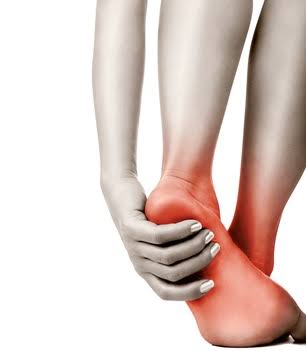
Most heel pain is not an emergency, but a few signs mean you should not wait it out.
You should see a doctor promptly if you notice any of the following:
- Pain that does not improve after two to three weeks of rest and home care
- Severe pain that started suddenly after an injury or a fall
- Visible swelling, redness, or warmth around the heel
- Numbness, tingling, or a burning sensation in the foot
- Inability to bear weight or walk normally on the affected foot
- Heel pain accompanied by fever
These symptoms can point to a fracture, infection, nerve entrapment, or another condition that needs targeted treatment.
How Doctors Diagnose the Cause of Heel Pain
A podiatrist or doctor usually starts with a physical exam, checking tenderness, swelling, and your walking pattern (gait).
They will ask when the pain started, what makes it worse, and whether it is worst in the morning.
X-rays are commonly used to rule out fractures, arthritis, and visible heel spurs.
Ultrasound or MRI is reserved for cases where soft-tissue damage or nerve involvement is suspected.
Diagnostic Steps at a Glance
| Step | Purpose |
|---|---|
| Physical exam | Locate tenderness and check range of motion |
| Gait analysis | Spot biomechanical issues contributing to pain |
| X-ray | Rule out fractures, arthritis, or spurs |
| Ultrasound/MRI | Examine soft tissue or suspected nerve issues |
At-Home Treatment Options That Actually Help
Rest and Activity Modification
Cutting back on high-impact activities like running gives inflamed tissue time to calm down and heal.
Low-impact options like swimming or cycling can keep you active without aggravating the heel.
Ice Therapy
Applying an ice pack for 15 to 20 minutes after activity helps reduce inflammation and swelling.
Rolling a frozen water bottle gently under the foot is a popular at-home variation of this.
Stretching the Calf and Plantar Fascia
Gentle calf stretches against a wall, held for 15 to 30 seconds, reduce tension pulling on the heel.
Plantar fascia stretches, done by pulling the toes back toward the shin while seated, target the bottom of the foot directly.
Supportive Footwear
Shoes with good arch support and a cushioned, stable heel reduce strain on the plantar fascia.
Walking barefoot on hard floors, even at home, is a common habit that quietly worsens heel pain.
Over-the-Counter Pain Relief
NSAIDs such as ibuprofen can reduce short-term pain and inflammation when used as directed.
These are best used alongside stretching and rest, not as a stand-alone fix.
Orthotic Inserts and Heel Cups
Over-the-counter or custom orthotic inserts redistribute pressure away from the most painful part of the heel.
Heel cups specifically cushion the bottom of the heel and can be moved between shoes.
Night Splints
A night splint keeps the foot gently flexed while you sleep, preventing the plantar fascia from tightening overnight.
This can significantly reduce that sharp first-step pain many people feel in the morning.
When Home Care Is Not Enough
| Treatment | Used For | Notes |
|---|---|---|
| Physical therapy | Most chronic cases | Builds flexibility and strength long-term |
| Corticosteroid injections | Severe inflammation | Used sparingly; repeated use can weaken tissue |
| Platelet-rich plasma (PRP) | Stubborn plantar fasciitis | Uses your own blood to support healing |
| Shockwave therapy | Chronic, treatment-resistant pain | Stimulates the body’s natural healing response |
| Surgery | Rare, severe cases only | Considered after months of failed nonsurgical care |
About 95 percent of people with plantar fasciitis recover without ever needing surgery.
Recovery can take anywhere from a few weeks to several months depending on how long the condition went untreated.
How to Prevent Heel Pain From Coming Back
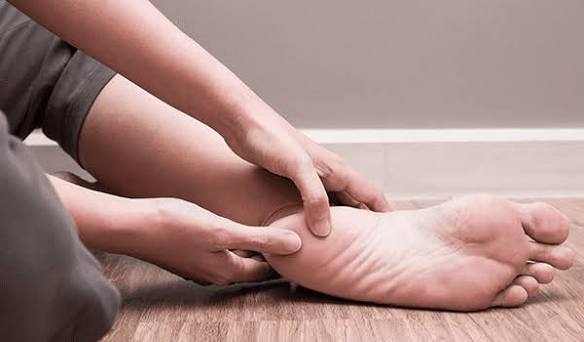
Stretch your calves and plantar fascia regularly, even on days when your heel feels fine.
Replace worn-out shoes before they lose their cushioning and arch support.
Increase running mileage or new exercise intensity gradually instead of jumping in too fast.
Maintain a healthy body weight to reduce ongoing strain on the plantar fascia.
Avoid walking barefoot on hard surfaces like tile or concrete for long periods.
Heel Pain in Specific Situations
Heel Pain When Running
Runners often develop heel pain from sudden increases in mileage, hard surfaces, or worn-out running shoes.
Plantar fasciitis and Achilles tendinitis are the two most common diagnoses in this group.
Cutting mileage temporarily and switching to a cushioned shoe usually brings noticeable relief within weeks.
Heel Pain From Standing All Day
Jobs that require standing on hard floors for hours, like retail or healthcare work, put constant pressure on the heel.
This repetitive strain is a leading cause of both plantar fasciitis and heel bursitis in working adults.
Anti-fatigue mats and supportive shoes can meaningfully cut down on end-of-shift heel soreness.
Heel Pain During Pregnancy
Extra body weight and loosened ligaments during pregnancy can increase pressure on the plantar fascia.
Hormonal changes also make the fat pad under the heel slightly less supportive than usual.
Supportive shoes and reduced time on hard surfaces are usually the safest first steps.
Heel Pain in People With Diabetes
People with diabetes are more prone to fat pad thinning and nerve-related foot pain.
Reduced sensation can also mask early warning signs, making regular foot checks especially important.
Any unexplained heel pain in someone with diabetes deserves prompt medical evaluation.
Common Myths About Heel Pain
Many people assume heel spurs are always the cause of heel pain, but most spurs are painless.
Another common myth is that rolling the foot on a hard ball always helps; for some people, this aggravates the tissue instead.
Some assume heel pain always means surgery is coming, yet the vast majority of cases heal with simple, nonsurgical care.
Finally, people often think heel pain will simply disappear if ignored, but untreated cases can become chronic and harder to treat.
Simple Daily Stretches for Heel Pain Relief
| Stretch | How To Do It | Hold Time |
|---|---|---|
| Calf wall stretch | Stand facing a wall, step one foot back, lean forward gently | 15–30 seconds |
| Plantar fascia stretch | Sit down, cross ankle over knee, pull toes toward shin | 15–30 seconds |
| Towel stretch | Loop a towel around the toes and pull toward you while seated | 20–30 seconds |
| Frozen bottle roll | Roll the arch gently over a chilled water bottle | 5 minutes |
Doing these stretches two to three times a day, especially right before getting out of bed, tends to give the best results.
Consistency matters more than intensity, since the plantar fascia responds best to gradual, repeated stretching.
Choosing the Right Shoes for Heel Pain
The right shoe can make a bigger difference than most people expect when dealing with ongoing heel pain.
Look for a firm heel counter, since this stops your foot from sliding side to side inside the shoe.
A slightly raised heel reduces tension on both the plantar fascia and the Achilles tendon during walking.
Avoid completely flat, flexible shoes and unsupportive flip-flops, since these offer almost no shock absorption.
| Shoe Feature | Why It Helps |
|---|---|
| Firm heel counter | Stabilizes the foot and reduces unwanted movement |
| Cushioned midsole | Absorbs shock with every step |
| Slight heel-to-toe drop | Eases tension on the plantar fascia and Achilles tendon |
| Removable insole | Allows custom orthotics to be added easily |
| Wide toe box | Prevents added pressure that can change your walking pattern |
Replacing athletic shoes every 300 to 500 miles, even if they still look fine, keeps cushioning effective.
Heel Pain vs. Other Foot Pain: How to Tell Them Apart
| Pain Type | Typical Location | Common Cause |
|---|---|---|
| Heel pain | Bottom or back of heel | Plantar fasciitis, Achilles tendinitis, heel spur |
| Arch pain | Middle of the foot | Flat feet, fascia strain spreading from the heel |
| Ball-of-foot pain | Front of the foot | Metatarsalgia, ill-fitting shoes |
| Toe pain | Toes or joints | Bunions, gout, ingrown toenails |
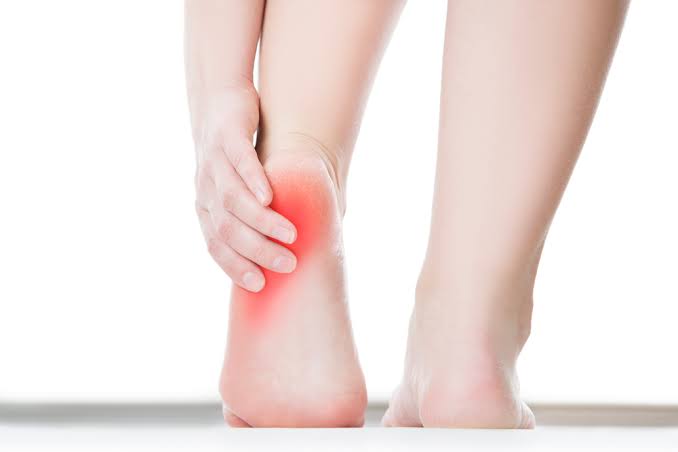
If your discomfort is clearly centered at the back or bottom of the heel bone itself, it almost always falls into the heel pain category covered in this guide.
Frequently Asked Questions (FAQs)
1. Why does the heel of my foot hurt when I wake up?
This is usually plantar fasciitis caused by the fascia tightening overnight.
Walking for a few minutes typically eases the sharp first-step pain.
2. Why does my heel hurt when I walk but not when I rest?
Weight-bearing puts direct pressure on the plantar fascia or heel bone.
This pattern is common with plantar fasciitis, heel spurs, and stress fractures.
3. Can shoes really cause heel pain?
Yes, flat or unsupportive shoes fail to absorb shock properly.
This adds extra strain to the plantar fascia and Achilles tendon over time.
4. Is heel pain a sign of arthritis?
In some cases, yes, especially if pain comes with stiffness in multiple joints.
A doctor can confirm this with a physical exam and X-ray.
5. How long does plantar fasciitis usually take to heal?
Most cases improve within several weeks to a few months with consistent care.
Severe or long-ignored cases can take longer to fully resolve.
6. Should I keep exercising if my heel hurts?
Low-impact activity is fine, but high-impact exercise can worsen inflammation.
Switching to swimming or cycling temporarily often helps recovery.
7. Can being overweight cause heel pain?
Yes, extra body weight adds direct stress to the plantar fascia and heel bone.
Even modest weight loss can meaningfully reduce heel pain symptoms.
8. What is the difference between a heel spur and plantar fasciitis?
A heel spur is a bony growth, while plantar fasciitis is soft-tissue inflammation.
Most heel spurs are painless; the surrounding fascia inflammation causes the actual pain.
9. When should I see a doctor for heel pain?
See a doctor if pain lasts more than two to three weeks despite rest.
Also seek care for sudden severe pain, swelling, numbness, or fever.
10. Can children get heel pain too?
Yes, active children can develop Sever’s disease from growth plate irritation.
This is common in kids who play running or jumping sports.
Conclusion
So, why does the heel of my foot hurt? In most cases, the answer is plantar fasciitis, heel spurs, or Achilles tendinitis, all of which respond well to rest, stretching, and supportive footwear.
Pain at the bottom of the heel usually points to soft-tissue or bone-related causes, while pain at the back often involves the Achilles tendon or bursa.
Most people see real improvement within a few weeks of consistent home care, especially stretching and better shoes.
However, persistent pain, swelling, numbness, or sudden severe injury are signs you should not ignore.
A doctor or podiatrist can confirm the exact cause with a simple exam and recommend the right treatment plan.
Listening to your heel pain early, rather than pushing through it, is the fastest path back to comfortable, pain-free steps.
