

Why does my crown hurt when I put pressure on it? This is one of the most common questions patients ask after getting a dental crown.
If you feel pain or discomfort every time you bite, chew, or press on a crowned tooth, something is not right.
Crown pain can range from mild sensitivity to sharp, throbbing pain.
The good news is that most causes are treatable.
What Is a Dental Crown and Why Does It Hurt?
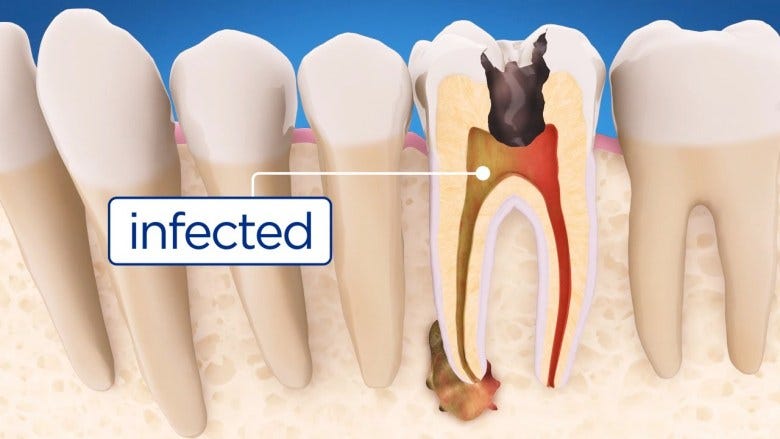
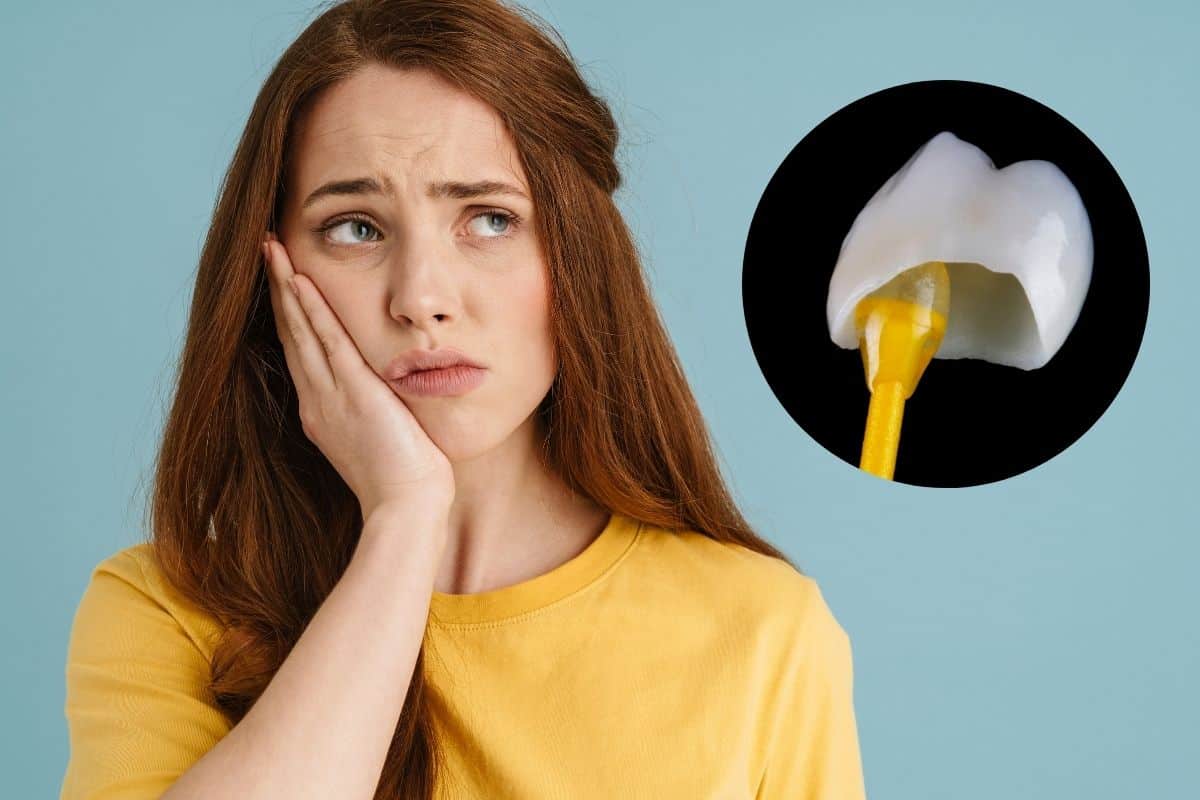
A dental crown is a tooth-shaped cap placed over a damaged, decayed, or weakened tooth. It restores the tooth’s shape, strength, and function.
The crown itself cannot feel pain. It is an artificial restoration. However, the natural tooth underneath still has nerves, roots, and living tissue.
When you apply pressure to the crown, that force travels down to the underlying tooth and surrounding gum tissue. If anything is wrong in that area, you feel pain.
Is Crown Pain Normal?
Mild sensitivity for a few days after crown placement is completely normal. Your tooth has been worked on, and the surrounding tissue needs time to heal.
However, pain that persists beyond two weeks, worsens over time, or occurs with swelling and fever is not normal. That kind of pain needs professional attention without delay.
Top Causes of Crown Pain Under Pressure
Understanding the root cause helps you and your dentist find the right solution. Here are the most common reasons your crown hurts when you apply pressure.
1. High or Improperly Fitted Crown (Bite Misalignment)
This is the number one cause of crown pain under pressure. If the crown sits even slightly too high, it will absorb extra biting force every time your teeth come together.
You may notice your bite feels uneven or “off.” Over time, the extra pressure causes soreness in the crowned tooth, surrounding gum tissue, and even the jaw.
A quick bite adjustment by your dentist usually provides almost immediate relief. This is a painless, simple procedure that takes just a few minutes.
2. Nerve Irritation or Inflammation Inside the Tooth
Even after a crown is placed, the tooth beneath it still contains a living nerve. During crown preparation, the dentist grinds down the outer layer of the tooth. This process can irritate or inflame the nerve inside.
The inflamed nerve reacts to pressure, heat, and cold. You may feel a dull ache or sharp pain when biting down.
In many cases, this inflammation resolves on its own within a few weeks. If it does not, a root canal may be needed to remove the irritated nerve tissue.
3. Tooth Decay or Cavity Under the Crown
A crowned tooth is not immune to decay. Bacteria can seep under the edges of the crown if the seal is broken or if oral hygiene is poor.
When decay develops under the crown, it attacks the natural tooth structure beneath. This leads to pain, sensitivity, and pressure discomfort.
Your dentist will take dental X-rays to detect decay under the crown. Treatment may involve removing the crown, treating the decay, and placing a new crown.
4. Cracked or Fractured Tooth Under the Crown
A crack in the tooth beneath the crown can cause sharp pain, especially when you release biting pressure. This is called a “cracked tooth syndrome” response.
The crack may not be visible during a routine examination. Your dentist may use bite tests, X-rays, and special dye to find hidden fractures.
If the crack is minor, the crown may be replaced to stabilize the tooth. If the crack extends into the root, extraction may be necessary.
5. Teeth Grinding (Bruxism)
Bruxism is the habit of grinding or clenching your teeth, often during sleep. People with bruxism apply far more pressure on their teeth than normal chewing would.
This excess pressure puts enormous stress on your crown and the tooth below it. Over time, it causes soreness, loosening of the crown, and even cracks.
A custom-fitted night guard from your dentist can protect both the crown and natural teeth from grinding damage.
6. Gum Recession Around the Crown

When gum tissue pulls away from the base of the crown, the sensitive tooth root becomes exposed. This exposed root surface is not covered by enamel and reacts sharply to pressure, temperature, and even air.
Gum recession can result from aggressive brushing, gum disease, aging, or bruxism. It is a progressive condition that worsens without treatment.
Your dentist may recommend improved oral hygiene, a softer toothbrush, or in severe cases, a gum graft procedure.
7. Infection or Abscess at the Root
If bacteria reach the root of the crowned tooth, an infection called a dental abscess can develop. This is a serious condition that causes throbbing pain, swelling, and sensitivity to pressure.
Signs of an abscess include swollen gums, a bad taste in the mouth, visible pus, and sometimes fever. This is a dental emergency.
Root canal treatment is typically needed to eliminate the infection and save the tooth. Delaying treatment can allow the infection to spread to surrounding bone and tissue.
8. Loose or Poorly Cemented Crown
Over time, the cement holding the crown in place can weaken or wash away. A loose crown creates space between the crown and tooth where bacteria and food particles collect.
When you apply pressure to a loose crown, it shifts slightly, causing discomfort. You may also notice a bad taste, sensitivity, or visible movement of the crown.
Your dentist can re-cement or replace the crown depending on its condition.
9. Sore Gums After Crown Placement
Temporary gum soreness after crown placement is common. The dental instruments, impression materials, and crown placement procedure can irritate the surrounding gum tissue.
This type of pain is usually mild and fades within one to two weeks. Salt water rinses and over-the-counter pain relievers help manage this discomfort.
If gum soreness lasts beyond two weeks, contact your dentist.
Causes of Crown Pain: Quick Reference Table
| Cause | Main Symptom | Common Treatment |
|---|---|---|
| High crown / bite misalignment | Pain when biting, uneven bite | Bite adjustment |
| Nerve irritation | Dull ache, sensitivity to heat/cold | Wait and monitor / root canal |
| Decay under crown | Persistent pain, sensitivity | Remove crown, treat decay, refit |
| Cracked tooth under crown | Sharp pain on release of bite | Crown replacement / extraction |
| Bruxism (teeth grinding) | Morning soreness, worn crown | Night guard |
| Gum recession | Sensitivity at crown base | Improved hygiene / gum graft |
| Infection / abscess | Throbbing pain, swelling, fever | Root canal therapy |
| Loose crown | Shifting feeling, bad taste | Re-cementation or replacement |
| Post-procedure soreness | Mild soreness, fades within 2 weeks | OTC pain relievers, salt rinse |
How Your Dentist Diagnoses the Problem
When you visit your dentist with crown pain, they will use several tools to find the cause.
Dental X-Rays

X-rays reveal hidden problems such as decay beneath the crown, bone loss, abscess formation, or root issues. This is usually the first diagnostic step.
Bite Test
Your dentist will ask you to bite down on a small instrument or colored paper. This identifies whether the crown is sitting too high and where the extra pressure is concentrated.
Clinical Examination
The dentist will physically check for loose crowns, gum recession, visible cracks, swelling, and signs of infection around the crowned tooth.
Percussion Test
Your dentist may gently tap on the crown and surrounding teeth. Pain during tapping often indicates nerve inflammation or infection inside the tooth.
Home Remedies for Crown Pain Relief
While waiting to see your dentist, these home remedies can help reduce discomfort. These are temporary measures and do not replace professional treatment.
Salt Water Rinse
Mix half a teaspoon of salt in a glass of warm water. Swish for 30 seconds and spit. Repeat several times a day. Salt water reduces inflammation, fights bacteria, and soothes irritated gum tissue.
Over-the-Counter Pain Relievers
Ibuprofen (Advil) or acetaminophen (Tylenol) can help manage crown pain. Take as directed on the packaging. Ibuprofen is preferred for dental pain because it also reduces inflammation.
Cold Compress
Apply a wrapped ice pack or cold compress to the outside of your cheek near the painful crown for 10 to 15 minutes at a time. This reduces swelling and temporarily numbs the area.
Clove Oil
Clove oil contains eugenol, a natural anesthetic. Dab a small amount on a cotton ball and apply it gently to the gum area around the crown. Do not apply directly to the crown surface.
Desensitizing Toothpaste
Toothpaste formulated for sensitive teeth can help block pain signals to the nerve. Use it twice daily and avoid rinsing immediately after brushing for maximum effect.
Avoid Trigger Foods
Stay away from very hot, cold, hard, crunchy, or sticky foods while experiencing crown pain. These foods increase pressure and temperature sensitivity on the already irritated tooth.
Home Remedies Summary Table
| Remedy | How to Use | Benefit |
|---|---|---|
| Salt water rinse | ½ tsp salt in warm water, swish 30 sec | Reduces inflammation, kills bacteria |
| Ibuprofen / Tylenol | As directed on packaging | Pain and inflammation relief |
| Cold compress | On cheek, 10-15 min intervals | Reduces swelling, numbs area |
| Clove oil | Cotton ball on gum line | Natural anesthetic effect |
| Desensitizing toothpaste | Twice daily, don’t rinse | Blocks nerve pain signals |
| Avoid hard and cold foods | While symptoms persist | Prevents additional irritation |
Professional Treatments for Crown Pain
Once your dentist identifies the cause, they will recommend the appropriate treatment.
Bite Adjustment
If the crown is sitting too high, the dentist gently polishes it down to restore proper bite alignment. This is fast, painless, and often provides immediate relief.
Root Canal Therapy
If the nerve inside the tooth is infected or severely inflamed, a root canal removes the nerve tissue and seals the tooth. Despite its reputation, modern root canal procedures are no more painful than getting a filling.
Crown Replacement
If the crown is cracked, poorly fitted, or no longer protecting the tooth properly, it will be removed and a new one made. A well-fitted crown eliminates most pressure-related discomfort.
Night Guard
For patients with bruxism, a custom night guard protects the crown from excessive grinding forces during sleep. It also protects surrounding natural teeth and reduces jaw soreness.
Re-Cementation
A loose crown is cleaned, and the tooth surface is prepared before re-cementing the crown back into place. In some cases, a new crown is needed if the existing one is damaged.
Gum Treatment
If gum recession or gum disease is contributing to the pain, your dentist may recommend improved home care, professional cleaning, or in severe cases, a gum graft to cover the exposed root.
When Should You See a Dentist Immediately?
Some symptoms require urgent dental care. Do not wait for a scheduled appointment if you experience any of the following.
You have severe, throbbing pain that does not improve with over-the-counter medication. Your gums are swollen, red, or there is visible pus near the crown.
You have a fever alongside tooth pain. This combination suggests a spreading infection that needs immediate treatment.
Your crown has fallen off, cracked, or feels very loose. An exposed tooth without a crown is vulnerable to further damage and decay.
You notice a bad taste in your mouth that persists, which can indicate an abscess or decay under the crown.
How to Prevent Crown Pain in the Future
Good habits protect your crown and extend its lifespan. Most dental crowns last 10 to 15 years with proper care.
Brush twice daily with a soft-bristled toothbrush. Be gentle around the gum line near the crown to prevent recession and irritation.
Floss daily around the crowned tooth. Food and bacteria buildup at the crown margin is a leading cause of decay and gum disease.
Avoid chewing hard items like ice, hard candy, or pens. These habits place unnecessary force on crowns and increase the risk of fracture.
If you grind your teeth, ask your dentist about a night guard before your crown becomes damaged. Prevention is far less expensive than replacement.
Visit your dentist for regular checkups every six months. Early detection of loosening crowns, decay, or gum recession prevents bigger problems later.
How Long Does Crown Pain Last?
Post-placement sensitivity and mild soreness are expected to resolve within one to two weeks. This is normal as your tooth and gum tissue adjust to the new restoration.
Pain that persists beyond two weeks, or that is worsening rather than improving, is a signal that something needs professional attention.
Sharp pain upon biting, throbbing pain at rest, or pain accompanied by swelling can develop at any time after crown placement, even years later. These symptoms should prompt a dental visit within 24 to 48 hours.
Crown Pain After Root Canal
Many crowns are placed after a root canal to protect the treated tooth. After a root canal, the nerve has been removed, so the tooth itself should not feel pain from the inside.
However, the surrounding gum tissue, ligament, and bone still have sensation. Pressure pain after a root canal crown is often due to bite misalignment, gum irritation, or ligament soreness rather than nerve activity.
If pain persists more than two weeks after a root canal and crown placement, contact your dentist for evaluation.
Crown Pain vs. Tooth Pain: What Is the Difference?
The crown itself cannot hurt because it is made of porcelain, metal, or ceramic. All pain you feel originates from the tooth underneath, the surrounding gum tissue, or the bone supporting the tooth.
This is why crown pain and tooth pain feel similar. The pressure, temperature, or infection triggers the nerve and tissue beneath the artificial crown, not the crown material itself.
Frequently Asked Questions (FAQs)
Why does my crown hurt when I put pressure on it suddenly?
Sudden pressure pain often means a new problem has developed, such as decay under the crown, a cracked tooth, or a loose crown. See your dentist promptly.
Is it normal for a new crown to hurt under pressure?
Mild soreness for a few days is normal. Pain lasting more than two weeks or sharp pain when biting needs professional evaluation.
Can a crown cause pain years after placement?
Yes. Crowns can develop issues years later including decay, loosening, gum recession, or cracks in the tooth beneath them.
How do I know if my crown is too high?
If your bite feels uneven, one tooth touches before the others, or you have jaw soreness and headaches, your crown may be sitting too high. Your dentist can adjust it quickly.
Can a crowned tooth still get infected?
Yes. The natural tooth beneath the crown still has roots and surrounding tissue that can become infected, especially if the crown is leaking or damaged.
What does crown pain from an abscess feel like?
Abscess pain is typically throbbing, constant, and may be accompanied by swelling, a bad taste, or fever. It is a dental emergency requiring immediate care.
Can I fix crown pain at home?
Home remedies like salt water rinses, OTC pain relievers, and cold compresses provide temporary relief only. The underlying cause must be treated by a dentist.
How long should I wait before calling the dentist about crown pain?
If pain is mild and recent, wait up to two weeks. If pain is severe, worsening, or accompanied by swelling or fever, call your dentist immediately.
Will I need a root canal if my crown hurts?
Not always. Many causes of crown pain such as bite misalignment or gum soreness do not require a root canal. Your dentist will determine what treatment is needed after examination.
How can I prevent my crown from hurting?
Brush and floss daily, avoid hard foods, wear a night guard if you grind your teeth, and visit your dentist every six months for checkups.
Conclusion
Why does my crown hurt when I put pressure on it? The answer lies beneath the crown, in the natural tooth, gum tissue, and supporting bone.
Whether the cause is a high bite, a hidden crack, nerve irritation, decay, or gum recession, the pain always points to something that needs attention.
Most causes of crown pressure pain are straightforward to diagnose and treat when caught early.
Home remedies can offer short-term relief, but they are never a substitute for professional care.
The longer you wait, the more complex and costly the treatment may become.
If your crown has been hurting for more than two weeks, or if you have swelling, fever, or severe pain, contact your dentist today. A healthy crown should not hurt.
With the right diagnosis and treatment, you can get back to eating, smiling, and living without discomfort.
