

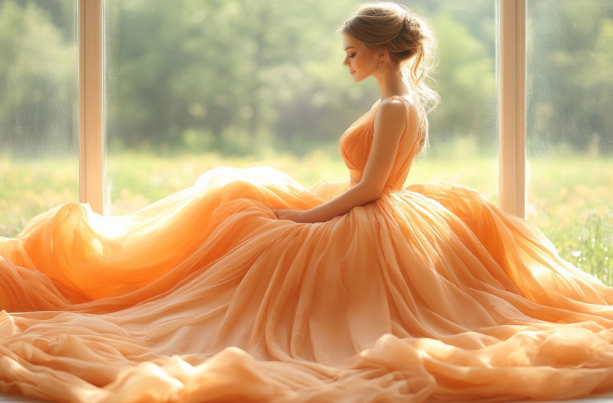
Fashion today is all about ease and style. Gone are the days when clothing carried heavy outlines and firm designs. People lean towards clothing that is polished but still easy to wear. They want to be able to move freely without feeling like the clothing is too stiff. Finding the right balance of fabric to use and the right placement can get it done. Making sure the fabric is pliable can help balance flexibility and structure. The right fabric balances design and ease.
People want to maintain balance and soft structure in their clothing. Keeping the fabric pliable is always the best option. Thick padding, linings, and layers aren’t necessary with the right fabric and smart placement of the clothing. Soft outline fabrics like orange fabric are used for visual definition when paired with organza fabric that supports the structure of the shape. This discussion is about the best fabrics to use, how to layer and how to find balance in design to help your clothing maintain soft structure without losing definition.
Understanding the Concept of Soft Structure in Fashion
More so than other forms of structure, soft structure refers to the ability of the garment to maintain shape. It holds structure while remaining flexible, soft, and comfortable. Unlike more conventional tailoring, soft structure allows fabric to move along with the body. It creates clean lines and gentle volume without the interesting stiffness of other styles. This technique’s soft structure is particularly relevant in an era that demands modern, multitasking clothing that is comfortable to wear and looks good.
The Significance of Fabric Selection in Designing for Structure
The way a garment moves and collapses is dictated mostly by the fabric construction. If a fabric is too soft, there is a loss of structure. Use a fabric that is too rigid, and the garment will be uncomfortably stiff. The challenge in design is to select balance, and that is where soft structure fabrics come into play.
A strategic fabric choice diminishes the heavy construction that is often required in garment-making. A soft structured fabric gives the garment the desired shape and form without the heavy lugging that is often required to create structure through lining. It allows the fabric (and garment) to be lighter without losing design space and form to create a shape portrait that is often desired by the designer.
Using Orange Representational Fabric
Orange is an excellent colour when trying to add visual structure without physically changing the structure. Orange is a warm colour that will define lines, seams, and silhouettes, and even a lightweight structure. Orange fabric is defined visually and should be considered when adding structure to a garment.
Orange fabric is perfect to use for construction details and design features, such as unlined pleats, unlined pleat gathers, and unlined panelling. It works best for statement pieces that need to be shaped without losing comfort. It works best for lightweight use. Flowing pieces need a light orange to be defined and still be unlined.
How Lightweight Fabrics Provide Structure without Weight
Lightweight fabric can be structured into a garment if it has the right weave finish. Sheer and semi-sheer fabrics let the designer build layers without adding heft. Instead of adding bulk, a volume is created by the air and movement contained in the layers. This keeps the garment breathable and of a comfortable weight.
Soft structure is achieved using lightweight materials that are smartly placed together. Using overlays, underlayers, and seams placed in strategic locations helps in guiding the fabric to take form. This is what helps create the illusion of a carefully thought-out and well-constructed fabric while being extremely lightweight.
Why Lightweight Organza Fabric is Ideal for a Soft Structure
Soft structure is most effectively created using lightweight organza fabric. It is lightweight and incredibly breathable while still maintaining a crisper texture, allowing the fabric to hold its own shape. It is the perfect material for supporting structure without creating a heavy, stiff feel, unlike other, more rigid materials.
Designers love using organza for decorative details, overlays, sleeves, and even skirts. It helps in creating shapes and volume and provides structure without the heavy feel. It’s also ideal for modern pieces as it’s sheer, allowing it to be layered without adding bulk.
Adding Gentle Structure to Details and Sleeves
-sleeves especially require structure to maintain their shape, especially when it comes to puffed or flared designs, and organza is perfect for that. It helps sleeves hold their shape without being stiff and allows for easy, soft mobility. This helps provide an overall better look and comfort.
Details like organza ruffles or trims can elevate the simplest designs. They add refinement and interest without the bulk. Organises lightweight and enhances garments without the heaviness or restriction.
Layering to Avoid the Bulk of Fabric
Layering is a good way to add structure; however, it must be done right. Instead of stacking a lot of thick fabrics, designers use sheer layers. A lightweight layer on top of a solid base adds depth and movement without the weight.
Organza is perfect for this. When layered, it adds a soft volume and interest. The technique keeps the garments easily wearable and polished.
Soft Structure in Dresses and Skirts
Soft structure is very beneficial in dresses and skirts. Organza underlayers add volume to skirts without the heaviness of a petticoat. Sheer overlays soften the edges for more movement. The combination of both allows for natural flow and shape.
It softens the structure, adding elegance without discomfort. The fabric supports the shape yet allows total movement. Making it perfect for both casual and formal settings.
How Colour Enhances Structure Without Weight
There is a degree of influence brought about by colour with regard to how a design is viewed. The more brightly colored an item is people notice it. When orange is used, people notice the design more. When orange is used in design, it is easier to notice. Using orange with other colours draws people to the design. Using bright colours with light fabrics is a good combination. Using orange with an item is a good use of colour to minimise the use of structural construction. The colour highlights the form of the item.
Balancing Fabric Weight and Comfort.
Comfort of the item to the wearer is of most importance; light of the item is of most importance. Lightweight fabrics. They are easier to wear. If the fabric is lightweight, the wearer is more comfortable. If the fabric is lightweight, it is easier to wear. The balance is most important when the design is a structure. Also, comfort is important when the fabric is lightweight. I, the fabric is light, and the design is structured, the wearer will be comfortable.
Choosing Quality Fabrics From Reliable Sources
The performance of a fabric is determined by its quality of the fabric. If the fabric is light and of bad quality, it might not hold the design. Light fabric is quick to wear out. If the fabric is of good quality, it will hold its shape, structure and design for a long time.
When sourcing fabrics from a well-established online fabric store, designers and sewists can feel confident in the quality and finish of the materials. A trusted online fabric store provides consistent standards and clear product information, allowing customers to choose fabrics with assurance, knowing they will perform beautifully in the final garments they create.
Soft Structure for Everyday Clothing
Even soft structure isn’t just for special occasions. Everyday outfits, too, can have a subtle. sShape to contour the fabric to the body for an improved fit, and appearance for the overall look of the outfit. This can be done with a casual-looking garment by adding organza, linings, or overlays that have been set in for the structure.
More and more, these techniques add polish to the clothes while not sacrificing comfort. Practical fashion is achieved through such design choices and thoughtful ideation to get a piece of clothing that is easy to wear while still looking well put together.
Final Thoughts
The ability to add soft structure to outfits without adding bulk is a matter of good fabric choice combined with good design. The visual impact of orange fabric and thshapepe retention of organza fabric allows pieces to feel defined and stay lightweight and comfortable. Rather than heavy construction, contemporary design balance is achieved with fabric use and performance alongside layering.
For a soft structure to successfully illustrate the design concept, the construction used needs to come from a good-quality fabric. Soft structure is the future of fashion, where ease of movement is integrated within the design along with high-performance fabric.
