

Why no dairy after dental implant surgery is one of the most common questions patients ask their dentist before going home.
You just had a procedure, your mouth is sore, and dairy sounds like the perfect soft, gentle food — but your dentist said no.
The reason is more important than most people realise.
Dairy triggers inflammatory responses in oral tissues, promotes bacterial growth near the surgical site, and can interfere with antibiotics prescribed post-surgery.
All three of these effects work against a smooth recovery.
What Happens Inside Your Mouth After Dental Implant Surgery
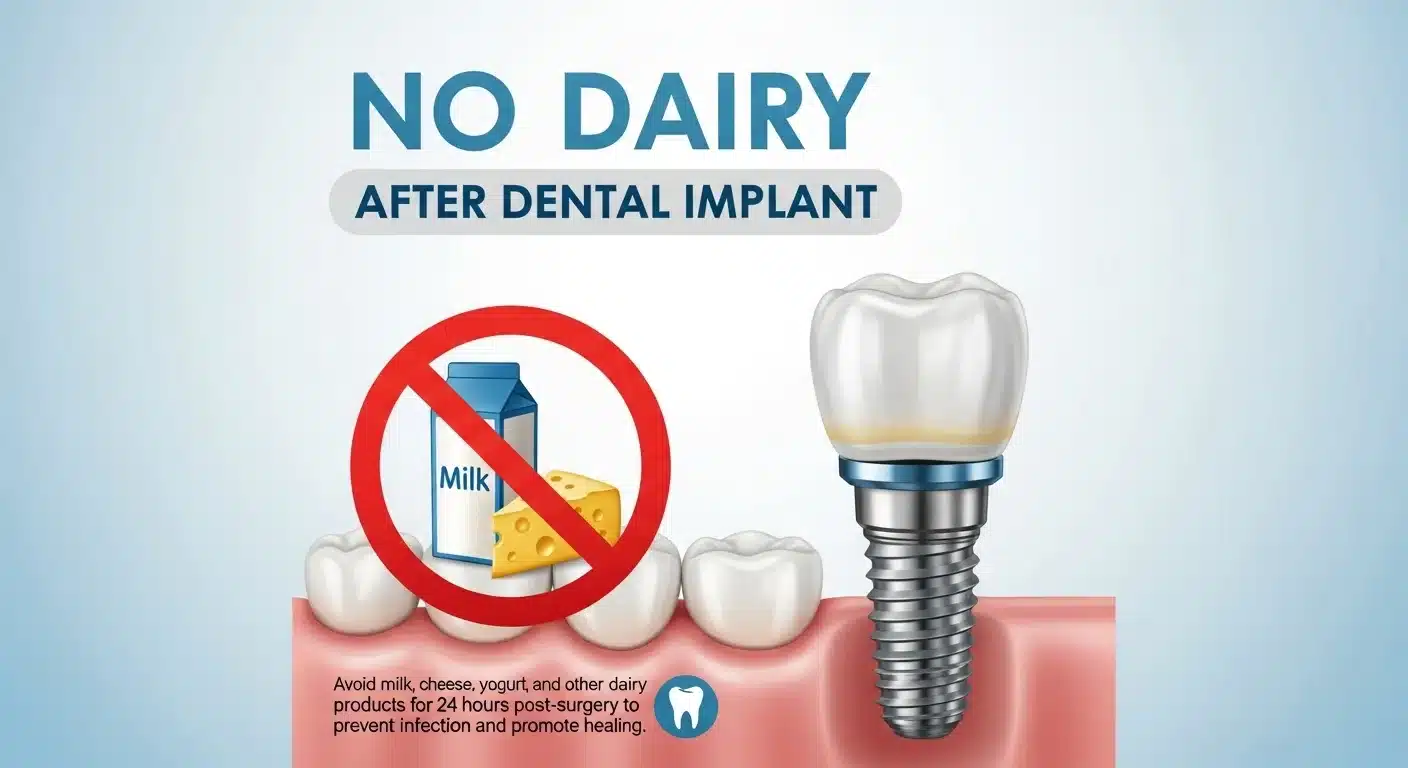
Dental implant surgery is a surgical procedure where a titanium post is placed directly into the jawbone. From that moment, your body begins a healing process that lasts several months.
The most critical phase is called osseointegration — the process where the jawbone gradually fuses with and bonds around the implant post. This biological bonding creates the stable, permanent foundation that makes implants so effective long-term.
The first 72 hours are the most sensitive window. Any irritation, bacterial growth, or inflammation during this period can slow healing and, in serious cases, contribute to implant failure.
Why No Dairy After Dental Implant: The Core Reasons
There is not one single reason for the dairy restriction — there are several, and they work together to make dairy a genuine risk in the early recovery phase.
Dairy Triggers Inflammatory Responses in Oral Tissues
Dairy products are well known to trigger mild inflammatory responses in some people. In a healthy mouth, this is not a concern. In a freshly operated surgical site, any unnecessary inflammation makes healing slower and less efficient.
Your body is already managing controlled inflammation as part of the natural healing response. Adding dietary inflammation on top of that creates unnecessary extra stress on the tissues trying to repair themselves.
Dairy Promotes Bacterial Growth Near the Surgical Site
Milk, yogurt, and cheese all contain natural sugars. These sugars create a feeding environment for bacteria inside the mouth.
During the early healing phase, the surgical site is open and vulnerable. Bacterial overgrowth near the implant can lead to infection, which is one of the most common causes of implant complications and failure.
Any food that feeds oral bacteria more than usual is a risk — and dairy does exactly that.
Dairy Interferes With Antibiotic Effectiveness
After dental implant surgery, oral surgeons and dentists almost always prescribe a course of antibiotics to prevent infection. This is standard post-operative protocol.
Dairy products are known to interfere with the absorption of certain antibiotics, particularly tetracyclines. The calcium in dairy binds with the antibiotic molecules in the stomach and prevents them from being fully absorbed into the bloodstream.
If your antibiotics are not working at full strength, your surgical site is less protected against bacterial infection at exactly the time it needs maximum protection.
Dairy Can Leave Sticky Residue at the Surgical Site
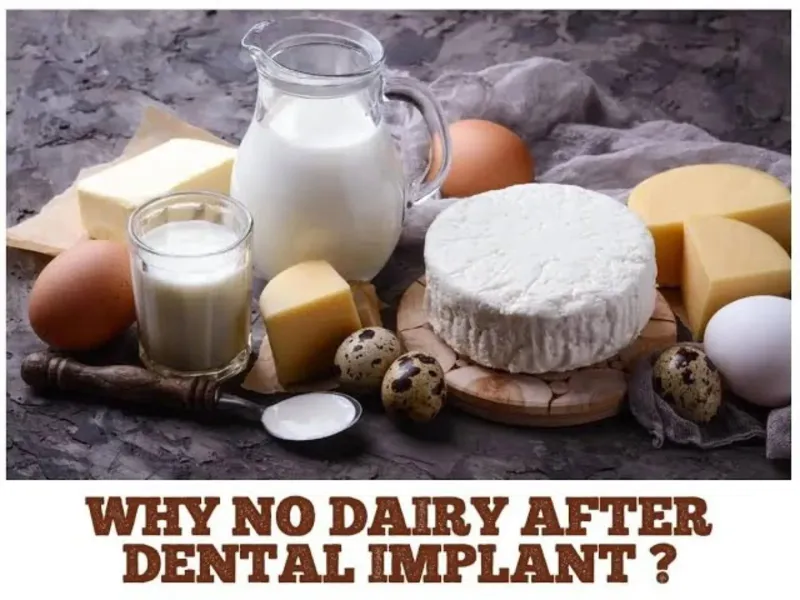
Dairy products — especially thicker ones like yogurt, soft cheese, and ice cream — tend to be sticky and coat the tissues they touch. This residue is harder to clean away gently, especially in the first days when vigorous rinsing or brushing near the implant is not recommended.
Any buildup of food residue near the stitches or the healing gum tissue raises the risk of irritation and bacterial colonisation. A surgical site that stays clean heals faster and with fewer complications.
Dairy Can Increase Mucus Production
For some patients, dairy consumption increases mucus production in the mouth and throat. This can cause post-nasal drip and general oral discomfort during the recovery period.
Increased mucus near a healing surgical site is not ideal. It creates a more hospitable environment for bacteria and makes maintaining oral cleanliness harder. Not every patient experiences this effect, but it is a documented enough response that dentists routinely advise avoiding dairy to remove the risk.
How Long Should You Avoid Dairy After a Dental Implant?
The standard recommendation from most oral surgeons and implant dentists is to avoid dairy for the first 48 to 72 hours after implant placement. Some practitioners extend this to the first full week as a precaution.
The exact duration depends on several factors:
| Factor | Impact on Dairy Restriction Duration |
|---|---|
| Single implant, straightforward procedure | 48–72 hours minimum |
| Multiple implants placed at once | Up to 1 week |
| Bone grafting performed alongside implant | Up to 1–2 weeks |
| All-on-4 or full arch implant procedure | Dentist-specific guidance required |
| Antibiotic course prescribed | Avoid dairy near antibiotic doses throughout course |
| Signs of infection or slow healing | Extend per dentist instruction |
Always follow your specific dentist’s or oral surgeon’s instructions. Individual healing varies and their guidance overrides general timelines.
The Osseointegration Process and Why Diet Matters
Osseointegration is not an instant process. It takes between 3 and 6 months for the implant to fully fuse with the jawbone. During this extended period, certain dietary habits continue to matter — not just in the first 48 hours.
In the very early phase, the focus is on avoiding foods that trigger infection, inflammation, or physical disturbance of the implant site. This is where the dairy restriction sits.
As healing progresses, the focus shifts to consuming enough protein, calcium, and vitamins to support bone and tissue regeneration. Interestingly, once the acute phase is over, dairy becomes one of the recommended foods because of its calcium and protein content — the very nutrients that help bone integrate properly.
The restriction is temporary. The calcium in dairy is eventually exactly what your body needs.
Stage-by-Stage Recovery Diet After Dental Implant Surgery
Understanding what to eat at each stage of recovery helps patients plan ahead and avoid accidental dietary mistakes.
Stage 1: First 24 Hours
This is the most restricted period. Stick exclusively to cool liquids and avoid anything that requires chewing.
Recommended foods: Still water, clear broths, diluted fruit juices (non-citrus), thin fruit smoothies without seeds, meal replacement shakes, and protein drinks.
Avoid: Hot foods, anything requiring chewing, straws (suction disturbs the blood clot and healing tissue), alcohol, smoking, and dairy in all forms.
Stage 2: Days 2 to 3
The restriction continues but options expand slightly. The key remains soft, non-irritating, non-dairy foods.
Recommended foods: Mashed potatoes, pureed vegetables, avocado, hummus, well-blended smoothies, lukewarm broth-based soups, banana mash, scrambled eggs (cooled), oatmeal (cooled to lukewarm).
Avoid: All dairy, hot foods, hard or crunchy textures, anything acidic, carbonated drinks, alcohol.
Stage 3: Days 4 to 7
By day 4, most patients begin reintroducing a wider variety of soft foods. Dairy may be reintroduced at this point if the dentist approves and antibiotics have been completed or dairy is being spaced away from antibiotic doses.
Recommended soft foods: Soft-cooked fish, finely shredded chicken, well-cooked pasta, rice porridge, soft tofu, bean-based soups, cooked leafy greens, and soft fruits like ripe pears or peaches.
Stage 4: Weeks 2 to 6
Most swelling has subsided and the implant site is more stable. Gradually reintroduce soft solids that require gentle chewing.
Continue to chew on the opposite side from the implant when possible. Avoid very hard or crunchy foods until the dentist confirms adequate integration is underway.
Stage 5: Months 2 to 6
This is the osseointegration phase. The implant is fusing with the jawbone. A normal balanced diet is generally acceptable, with continued avoidance of extremely hard foods that could stress the implant post.
Full clearance to eat anything normally comes from the dentist once osseointegration is confirmed, typically via X-ray at a follow-up appointment.
Dairy-Free Alternatives That Support Healing
Not having dairy for a few days does not mean missing out on nutrition. There are excellent dairy-free options that provide protein, calcium, and essential nutrients without the risks dairy carries in the early healing window.
Protein Sources Without Dairy
Protein is critical for tissue repair after surgery. Your body uses amino acids from protein to rebuild the gum tissue and support the biological processes involved in osseointegration.
Good dairy-free protein options include scrambled eggs, soft-cooked salmon, smooth nut butter (almond or peanut), tofu, hummus, protein shakes made with plant-based milk, and soft lentil-based soups.
Calcium Sources Without Dairy
Since you are skipping dairy temporarily, getting calcium from other sources helps maintain bone health during the osseointegration period.
Good dairy-free calcium sources include fortified plant milks (oat milk, almond milk, soy milk), canned salmon with soft bones, white beans, cooked kale and spinach, broccoli, and calcium-fortified smoothies.
Anti-Inflammatory Foods That Accelerate Healing
Foods with natural anti-inflammatory properties actively support the healing environment inside the mouth.
Beneficial options include pureed sweet potatoes (rich in vitamin C and beta-carotene), blended spinach in smoothies (vitamin K and iron), mashed avocado (healthy fats and vitamin E), soft cooked salmon (omega-3 fatty acids), and turmeric-infused warm broths (curcumin has well-documented anti-inflammatory effects).
Comprehensive Food Guide: Eat vs. Avoid After Dental Implant Surgery
| Category | Safe to Eat (Early Recovery) | Avoid Completely |
|---|---|---|
| Liquids | Water, clear broth, diluted juice, plant milk smoothies | Hot drinks, alcohol, carbonated drinks, straws |
| Protein | Scrambled eggs, soft fish, tofu, hummus, protein shakes | Hard meats, nuts, seeds |
| Carbohydrates | Mashed potato, oatmeal, soft rice, pureed soups | Chips, popcorn, crusty bread, crackers |
| Fruits | Banana, avocado, applesauce, soft peach, mango puree | Citrus juice (acidic), whole apples, pineapple |
| Vegetables | Steamed carrots, pureed spinach, mashed sweet potato | Raw carrots, celery, corn on the cob |
| Dairy | None in first 48–72 hours | Milk, cheese, yogurt, ice cream, butter (first 72 hrs) |
| Other | Plant-based smoothies, warm broths | Spicy foods, sticky foods, caramel, chewing gum |
Foods to Absolutely Avoid After Dental Implant Surgery
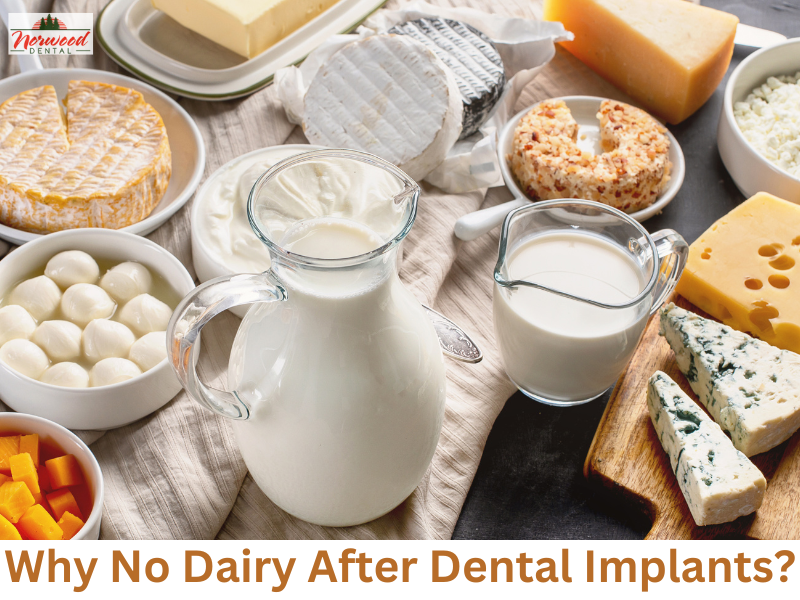
Beyond dairy, several other food categories must be avoided during early implant recovery.
Hard and Crunchy Foods
Nuts, chips, popcorn, raw vegetables, granola, and hard bread crusts all apply direct pressure and small impacts to the surgical site. This physical stress can dislodge the implant, disturb the blood clot, or damage the healing gum tissue.
Hard foods should be avoided for at least 6 to 8 weeks, or until the dentist confirms adequate stability at a follow-up visit.
Sticky and Chewy Foods
Caramel, toffee, gummy candies, sticky dried fruits, and even thick peanut butter applied in large amounts can pull at the healing tissue or get lodged near the surgical site.
Sticky foods also increase bacterial adhesion near the wound, raising infection risk significantly.
Spicy Foods
Spicy foods irritate the oral mucosa and the surgical site directly. They can cause burning sensations, increase local inflammation, and delay tissue repair.
Chilli, hot sauce, heavily spiced curries, and even black pepper in large amounts should be avoided for the first week at minimum.
Hot Foods and Beverages
Heat increases blood flow to the surgical area and can disturb the blood clot that forms over the implant site. A dislodged blood clot exposes the bone and nerve, causing intense pain and significantly slowing healing.
All hot foods and drinks — including hot coffee, tea, soups, and cooked meals — should be avoided for the first 24 to 48 hours. After that, allow foods to cool to a comfortable lukewarm temperature before eating.
Alcohol
Alcohol interferes with blood clotting, impairs immune response, dehydrates the body, and interacts dangerously with pain medications and antibiotics typically prescribed after implant surgery.
Most implant dentists advise avoiding alcohol completely for at least 72 hours and ideally for the full duration of the antibiotic course.
Carbonated Drinks
The acidity of fizzy drinks irritates the surgical site. The bubbles can also create minor pressure inside the mouth that disturbs healing tissue. Still water and non-acidic warm teas are better choices.
Smoking and Vaping
Smoking is one of the single biggest risk factors for implant failure. Nicotine restricts blood flow to the gums, significantly slowing tissue healing. Smoke contains toxins that actively impair the immune response at the wound site.
Most oral surgeons strongly advise stopping smoking well before implant surgery and continuing to avoid it during the entire healing period.
Why Protein Is So Important After Dental Implant Surgery
While dairy is restricted, the need for protein during recovery is not optional — it is essential. Protein is used by the body to repair damaged tissue, synthesise collagen for gum healing, and produce the immune cells that protect the surgical site from infection.
Most dentists recommend increasing protein intake above your normal daily amount during the first weeks of recovery. Getting enough protein from dairy-free sources requires some planning but is entirely achievable.
Good non-dairy protein targets for recovery:
- Scrambled eggs: approximately 13g of protein per 2-egg serve
- Canned salmon: approximately 25g per 100g
- Soft tofu: approximately 8g per 100g
- Hummus: approximately 7g per 100g
- Plant-based protein shake: typically 20–30g per serve
- Lentil soup (pureed): approximately 9g per 100g
When Can You Start Eating Dairy Again After a Dental Implant?
Most patients can safely reintroduce dairy starting from day 3 to day 7, once the antibiotic course is either complete or being managed by spacing dairy intake away from doses.
When reintroducing dairy, start with low-sugar, softer options first. Plain yogurt (unsweetened) and soft cheeses are better initial choices than sugary ice cream or hard aged cheeses.
Dairy actually becomes beneficial for dental implant healing once the acute phase is over. The calcium supports bone density and the osseointegration process. The protein in dairy products assists tissue repair. Your dentist may actively encourage dairy consumption once the restriction period ends.
Signs of Complications to Watch For After Dental Implant Surgery
Knowing when something is wrong helps you act quickly and protect the implant. Contact your dentist or oral surgeon immediately if you notice any of the following.
Increasing pain after the first 48 hours instead of gradually improving pain is a red flag. Mild discomfort improving over days is expected. Worsening pain is not.
Persistent or heavy bleeding beyond the first few hours warrants immediate attention. Some minor oozing is normal but should stop.
Fever above 38°C or 100.4°F combined with oral symptoms may indicate a developing infection that needs prompt antibiotic treatment.
A foul taste or smell from the implant site that does not resolve after gentle rinsing may indicate infection or food debris trapped near the wound.
Visible swelling that worsens significantly after day 3 instead of improving should be evaluated. Some swelling is expected and peaks around day 2 to 3, then should begin to subside.
Numbness or tingling in the lips, tongue, or chin that does not improve over several days may indicate nerve proximity and requires professional review.
Oral Hygiene During Implant Recovery
Good oral hygiene during recovery is essential but must be gentle. Do not brush directly over the surgical site for the first few days.
Rinse the mouth very gently with a warm saltwater solution after meals. Use half a teaspoon of salt dissolved in a glass of warm water. Do not spit forcefully — tilt your head and allow the rinse to fall from your mouth.
Continue brushing your other teeth normally but with a soft-bristled brush. Avoid the implant site directly until the dentist advises it is safe to do so.
Do not use commercial mouthwashes containing alcohol in the first few days as these can irritate the healing tissue.
Practical Meal Planning for the First Week After Dental Implant Surgery
Planning meals in advance makes the recovery week significantly easier. Here are simple, practical meal ideas that are completely safe and dairy-free during the restriction period.
Breakfast options: Oatmeal prepared with oat milk, cooled to lukewarm. Scrambled eggs with no added cheese. Banana smoothie made with plant-based milk and soft mango. Avocado mashed with a pinch of salt.
Lunch options: Pureed pumpkin or butternut squash soup. Hummus with soft, seedless cucumber blended in. Lentil soup blended smooth. Soft mashed sweet potato with olive oil.
Dinner options: Flaked salmon with pureed carrot and spinach. Soft tofu stir-fried gently with steamed zucchini. Ground chicken or turkey mixed into thin broth-based soup. Well-cooked pasta with smooth tomato sauce (not spicy).
Snack options: Ripe banana. Applesauce (unsweetened). Soft avocado slices. Smooth almond butter on very soft bread after day 3.
Drinks: Still water consistently throughout the day. Warm herbal tea (cooled to lukewarm). Plant-based protein shakes. Diluted apple juice or pear juice.
Frequently Asked Questions (FAQs)
Why no dairy after dental implant surgery specifically?
Dairy causes inflammatory responses in oral tissue, promotes bacterial growth near the surgical wound, and interferes with antibiotic absorption — all of which slow healing and increase infection risk in the first critical days.
How long should I avoid dairy after getting a dental implant?
Most dentists recommend avoiding dairy for the first 48 to 72 hours. If antibiotics are prescribed, space dairy away from doses throughout the antibiotic course, or continue avoiding it until the course is complete.
Can I eat yogurt after dental implant surgery?
Not in the first 48 to 72 hours. After that initial window and once your dentist confirms healing is progressing normally, plain unsweetened yogurt is often one of the first dairy products safe to reintroduce.
Can I have ice cream after dental implant surgery?
No dairy ice cream in the first 48 to 72 hours despite its soft texture. The sugars, dairy proteins, and sticky texture make it a risk. Non-dairy frozen options like frozen banana puree or coconut-based sorbet are safer cold alternatives.
What can I eat instead of dairy to get enough calcium?
Fortified plant milks (oat, almond, soy), soft canned salmon, white beans, cooked spinach and kale, broccoli, and calcium-fortified smoothies all provide calcium without the risks dairy carries in early recovery.
Does dairy really interfere with antibiotics after dental implant surgery?
Yes. Calcium in dairy products binds with certain antibiotics, particularly tetracyclines, in the digestive system and reduces their absorption. Taking antibiotics with or shortly after dairy can significantly reduce the medication’s effectiveness.
When can I return to a completely normal diet after a dental implant?
Full return to a completely normal diet happens after osseointegration is confirmed, typically at a dentist follow-up appointment 3 to 6 months after surgery. Hard and crunchy foods should be avoided until that clearance is given.
Is it safe to drink plant-based milk like oat or almond milk after dental implant surgery?
Yes. Plant-based milks without dairy proteins are generally safe from the first day after surgery, provided they are cool (not hot) and consumed without a straw. They are a good source of calcium and nutrition during the dairy restriction period.
What happens if I accidentally eat dairy right after my dental implant surgery?
One accidental exposure is unlikely to cause serious problems. However, if you are on antibiotics, separate future dairy intake from your antibiotic doses by at least 2 hours. Contact your dentist if you notice any unusual symptoms like increased pain, swelling, or signs of infection.
Why is protein so important during dental implant recovery?
Protein provides the amino acids your body uses to repair damaged gum tissue, produce collagen, and mount an immune response against potential infection. Inadequate protein intake slows tissue healing and extends overall recovery time significantly.
Conclusion
Why no dairy after dental implant surgery comes down to three overlapping biological risks: dairy promotes inflammation in healing oral tissue, feeds the bacteria that can infect the surgical site, and reduces the effectiveness of the antibiotics prescribed to keep that site safe.
The restriction typically lasts only 48 to 72 hours — a small sacrifice for protecting a significant investment in your oral health.
Once the acute healing phase is over, dairy actually becomes a beneficial part of recovery because of its calcium and protein content that support osseointegration.
For those first few critical days, substitute dairy with plant-based milks, eggs, soft fish, hummus, and pureed vegetables to stay nourished without putting the implant at risk.
Always follow your specific dentist’s dietary guidance and attend every follow-up appointment.
A small adjustment to your diet in the short term protects a result that, with proper care, can last a lifetime.
